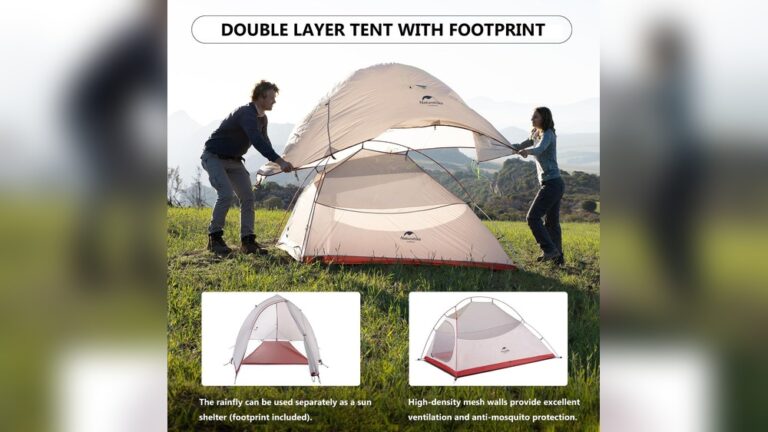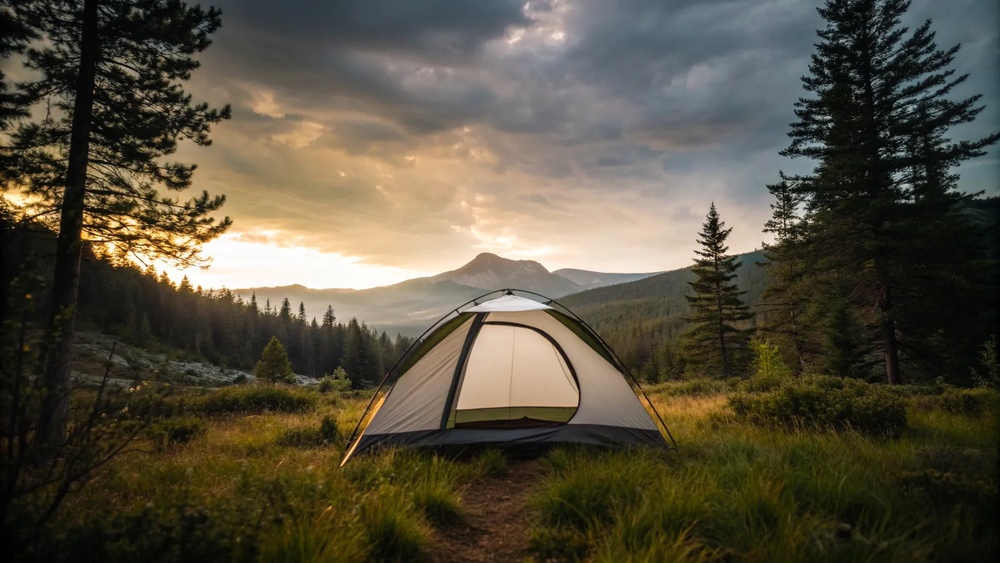
Maintenance Tips for Backpacking Tent: Essential Care Hacks
Your backpacking tent is your shelter, your safe haven in the wilderness. Taking good care of it means more comfort, better protection, and a longer-lasting tent.
But do you know the simple steps that keep your tent in top shape after every trip? Whether you’re a seasoned backpacker or just starting out, these maintenance tips will help you avoid common mistakes and keep your tent ready for any adventure.
Read on to discover easy ways to clean, store, and repair your tent so it stays strong and reliable whenever you need it.
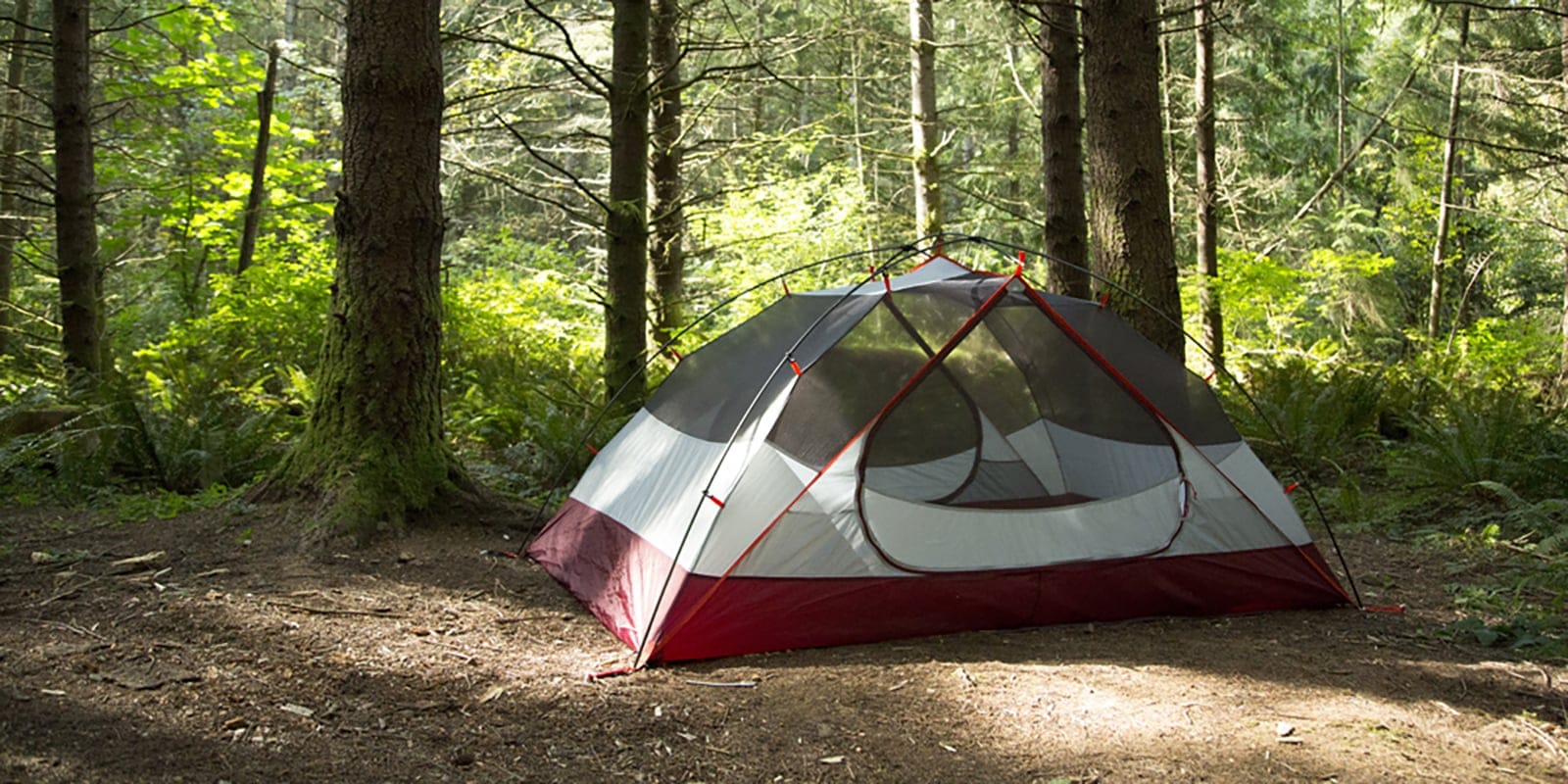
Credit: www.rei.com
Cleaning Your Tent
Keeping your backpacking tent clean is key for a long-lasting shelter. Dirt, dust, and debris can wear down the fabric and zippers. Regular cleaning keeps your tent fresh and ready for your next adventure.
Removing Dirt And Debris
Start by shaking out loose dirt and leaves from your tent. Use a soft brush to gently sweep off mud and dried dirt. Avoid using harsh brushes that can damage the fabric. Clean the tent on a flat surface to prevent tears.
Hand Washing Techniques
Fill a tub or basin with cool water and mild soap. Use a sponge or soft cloth to gently scrub the tent’s surface. Focus on stained areas but avoid scrubbing too hard. Rinse thoroughly with clean water to remove all soap residue.
Avoiding Machine Wash Damage
Never put your tent in a washing machine. The agitator can tear fabric and break seams. Machine drying can also damage waterproof coatings. Air dry your tent by hanging it in the shade on a warm, dry day.
Drying And Storing
Proper drying and storing of your backpacking tent protects it from damage. Moisture left inside can cause mold and weaken the fabric. Storing your tent correctly keeps it ready for the next trip. Follow simple steps to extend your tent’s life and keep it clean.
Proper Drying Methods
Set up your tent fully after each use. Air-dry it in a shaded, breezy spot. Avoid direct sunlight to prevent fabric fading. Wipe off dirt with a soft cloth before drying. Make sure the tent is completely dry inside and out. Pay attention to seams and corners where water hides. Do not use heaters or dryers. Let nature do the work gently.
Ideal Storage Conditions
Store your tent loosely in a large storage bag. Avoid packing it tightly for long periods. Keep it in a cool, dry place away from direct sunlight. Use a breathable cotton or mesh bag if possible. Avoid plastic bags that trap moisture. Store poles and stakes separately to avoid damage. Check the tent regularly during storage for dampness or pests.
Avoiding Humidity And Heat
Do not store your tent in humid basements or attics. High humidity invites mold and mildew growth. Heat can weaken waterproof coatings and fabric fibers. Choose a dry room with stable temperature instead. Keep the tent away from heaters or radiators. Good air circulation helps keep your tent fresh. These simple steps prevent costly repairs and keep your tent strong.
Waterproofing Tips
Maintaining the waterproof quality of your backpacking tent is crucial for a dry and comfortable camping experience. Proper waterproofing prevents water from seeping through the fabric during rain. It also helps extend the life of your tent by protecting it from moisture damage. Regular care and timely reapplication of waterproof coatings keep your tent ready for any weather.
When To Reapply Waterproofing
Check your tent’s waterproof coating before every camping trip. If water stops beading on the surface, it means the coating is wearing off. Inspect seams and fabric for leaks or wet spots inside the tent. Reapply waterproofing at least once a year or after heavy use. More frequent treatment is needed if you camp often in wet conditions.
Choosing The Right Sealant
Select a waterproofing product made for tent fabrics. Silicone-based sealants work well on nylon and polyester tents. Avoid heavy or sticky products that can clog fabric pores. Seam sealers are essential for reinforcing stitched areas. Pick a sealant that matches your tent’s material for best results. Follow the manufacturer’s instructions for application and drying times.
Diy Waterproofing Hacks
Use household items for temporary waterproofing fixes. A mixture of beeswax and paraffin can add water resistance to worn spots. Rub the wax gently on the fabric and heat it slightly to melt it in. Another quick option is using clear nail polish on small tears or holes. Always test these hacks on a small area first. These methods work well in emergencies but should not replace proper sealants.
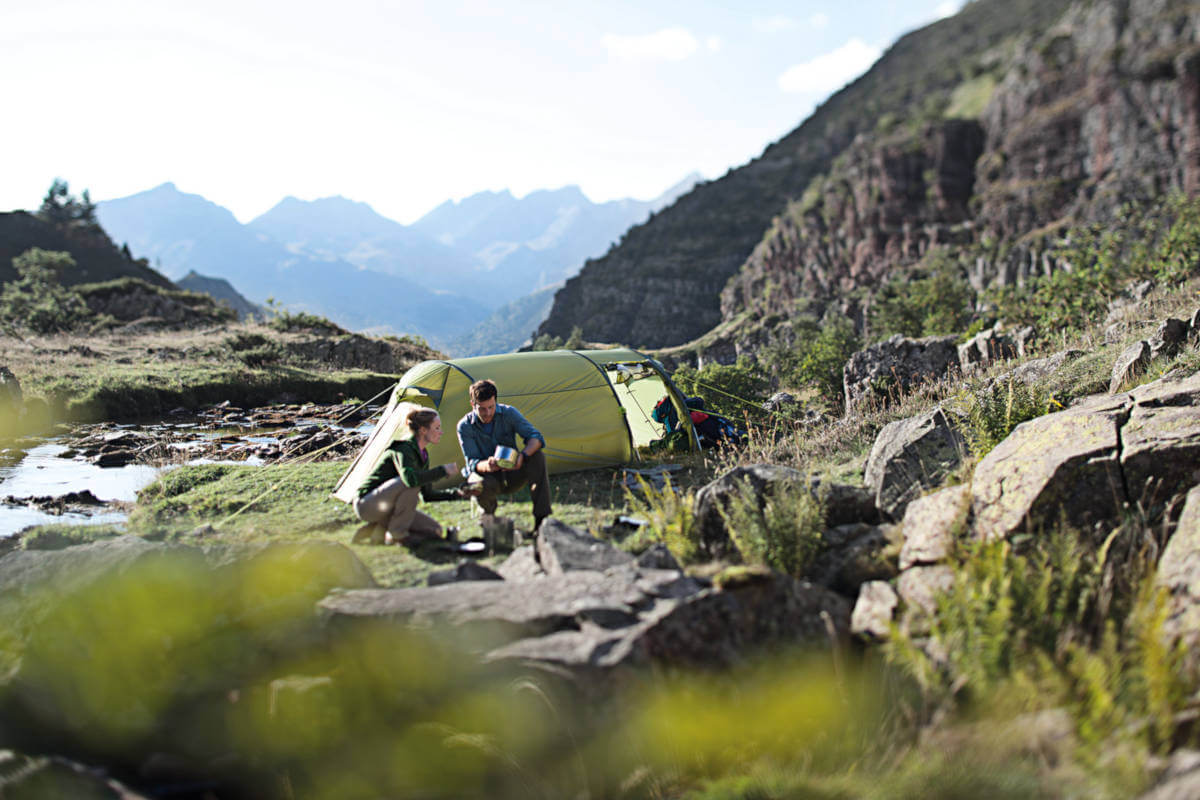
Credit: blog.tatonka.com
Protecting Tent Components
Protecting your backpacking tent’s components is key to extending its life. Each part plays a role in keeping you safe and dry outdoors. Careful attention to poles, stakes, zippers, and fabric prevents damage. Small fixes now avoid big problems later.
Caring For Poles And Stakes
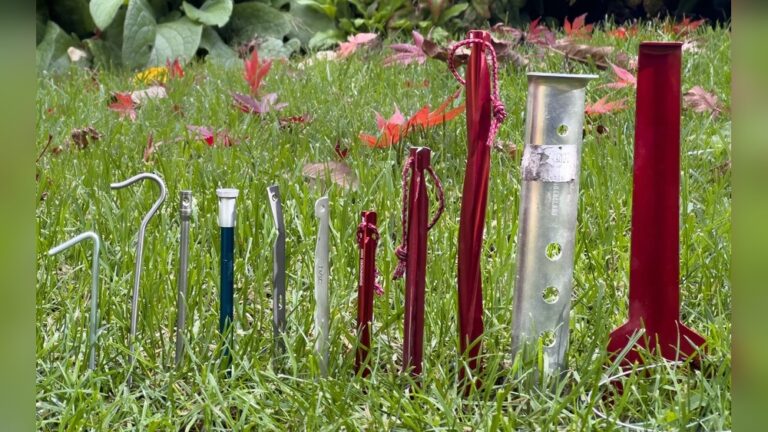
Always clean poles and stakes after trips. Dirt and grit can wear down metal and cause rust. Use a soft cloth to wipe them dry. Check for bends or cracks before packing. Replace damaged parts to avoid failure while camping. Store poles loosely to keep their shape.
Maintaining Zippers
Keep zippers clean and free of dirt. Dirt can jam zippers or make them hard to slide. Brush off debris gently after every use. Lubricate zippers with a silicone-based product for smooth action. Avoid forcing stuck zippers to prevent tears. Open and close zippers carefully to maintain their function.
Preventing Fabric Tears
Handle your tent fabric with care during setup and takedown. Avoid dragging the tent on rough ground. Use a groundsheet to protect the tent floor from rocks and sticks. Patch small holes or tears immediately using repair tape or patches. Store your tent dry and folded loosely to keep fabric strong.
Routine Maintenance
Routine maintenance is essential to keep your backpacking tent in top shape. It helps extend the tent’s life and ensures it performs well on every trip. Simple, regular care can prevent big problems later.
Regular Inspections
Check your tent carefully after each use. Look for tears, holes, or broken zippers. Inspect the seams for any signs of wear. Don’t forget to check the poles and stakes for damage. Early detection stops small issues from getting worse.
Repairing Small Damages
Fix minor tears or holes quickly to avoid leaks. Use tent repair tape or patches made for outdoor gear. Replace broken zippers with repair kits or seek professional help. Repairing small damages saves money and effort in the long run.
Keeping Tent Fresh Between Trips
Store your tent dry and clean to prevent mold and odor. Air it out completely before packing away. Use a breathable storage bag instead of a tight stuff sack. Keep your tent away from direct sunlight and damp places.

Credit: www.jellystonemillrun.com
Camping Practices To Extend Tent Life
Proper camping practices play a vital role in extending the life of your backpacking tent. Taking care of the tent during your outdoor adventures prevents damage and wear. Simple habits can keep your tent strong and reliable for many trips. Follow these practical tips to protect your investment and enjoy many nights under the stars.
Choosing Safe Campsites
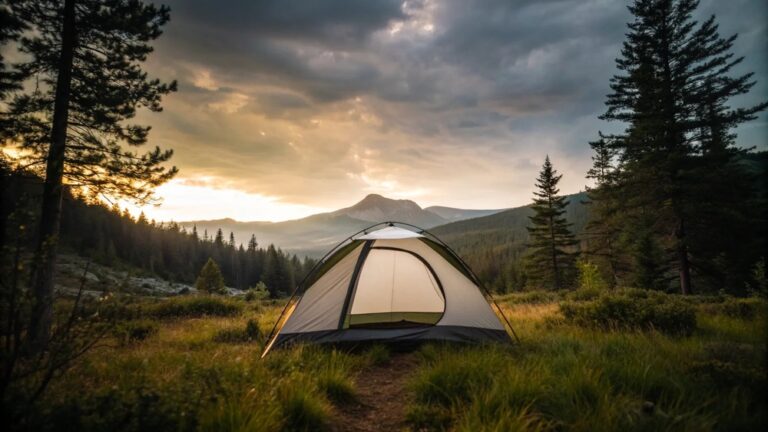
Select flat and clear areas to set your tent. Avoid sharp rocks, sticks, and thorny plants. These can tear or puncture the tent floor. Look for natural windbreaks like bushes or trees to shield your tent from strong gusts. Avoid low spots where water can collect during rain. This protects your tent from flooding and moisture damage. Clear the ground of debris before pitching your tent to keep it clean and intact.
Avoiding Food Storage Inside
Never store food inside your tent. Food smells attract animals and insects that can damage your tent. Bugs can crawl inside and cause discomfort or harm. Animals may try to get to the food and tear the tent fabric or zippers. Use bear-proof containers or hang food from a tree away from your sleeping area. Keep your tent a safe, clean space free from food scents and crumbs.
Handling Tent Setup And Pack-up
Set up your tent gently to avoid stressing poles and fabric. Follow instructions carefully to prevent mistakes that cause damage. Use a groundsheet or footprint to protect the tent floor from dirt and sharp objects. When packing up, make sure the tent is dry to prevent mold and mildew. Fold the tent loosely rather than stuffing it into its bag. This prevents creases and fabric wear over time. Store your tent in a cool, dry place between trips.
Frequently Asked Questions
How Long Do Backpacking Tents Last?
Backpacking tents typically last 3 to 10 years, depending on usage and care. Proper cleaning, drying, and storage extend their lifespan. Avoid harsh conditions and repair damage promptly to maintain durability and performance.
How To Clean A Tent After Backpacking?
Set up your tent and hose off dirt. Gently scrub stubborn spots with mild soap and a soft brush. Rinse well and air dry completely before storing.
Do Tents Go Bad If Not Used?
Tents can degrade if stored improperly. Fabric may weaken, and elastics lose stretch over time. Store tents dry, cool, and away from sunlight to prevent damage and mildew. Regular cleaning and airing extend tent life, even when unused.
How Often Should You Seal Your Tent?
Seal your tent once a year or after heavy use to maintain waterproofing. Check seams regularly for wear and reseal as needed.
Conclusion
Proper care extends your backpacking tent’s life and performance. Clean it gently after each trip. Dry it completely before storage to avoid mold. Store in a cool, dry place away from sunlight. Check for tears or damage regularly and repair quickly.
Treat seams with waterproofing to keep you dry. Handle zippers and poles with care to prevent breaks. These simple steps keep your tent ready for every adventure. Take good care, and your tent will serve you well.