Maintenance Tips for Camping Hammock: Essential Care Hacks
You’ve invested in a camping hammock to relax comfortably outdoors, but do you know how to keep it in great shape? Proper maintenance not only extends your hammock’s life but also ensures it stays safe and cozy every time you use it.
Whether you’re a weekend camper or a daily hammock lover, these simple yet effective tips will help you protect your gear from wear, dirt, and damage. Keep reading to discover easy ways to clean, store, and care for your camping hammock so it always feels fresh and ready for your next adventure.
Your perfect outdoor hangout spot deserves nothing less!
Choosing The Right Spot
Choosing the right spot for your camping hammock helps protect it and extends its life. The location affects how the fabric holds up and keeps you comfortable. Pick a spot that avoids harsh conditions and pests. This keeps your hammock clean and safe for many uses.
Avoiding Direct Sunlight
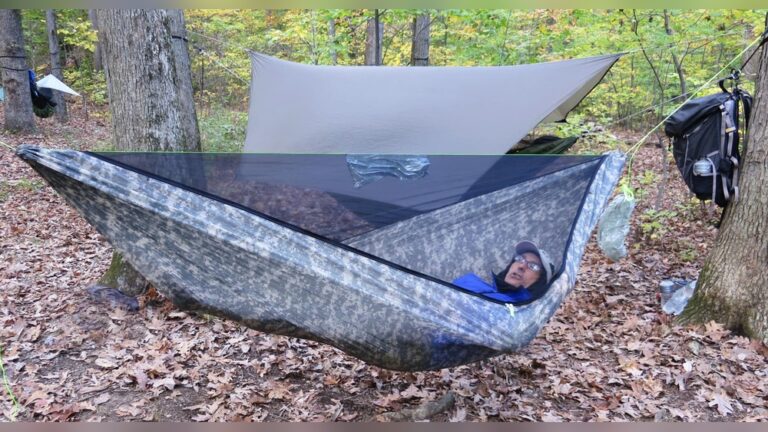
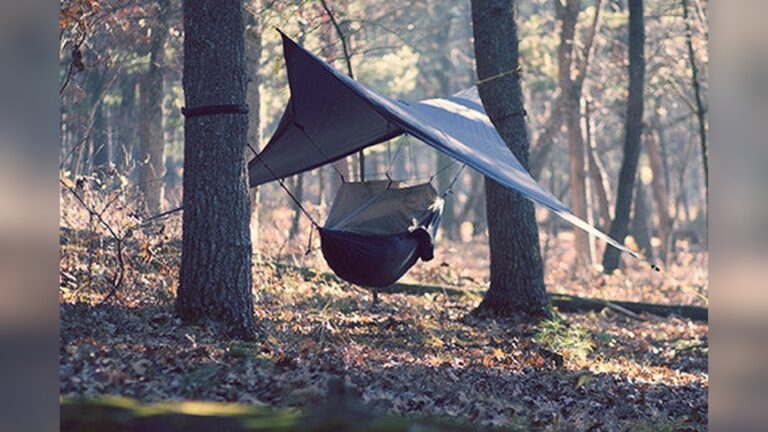
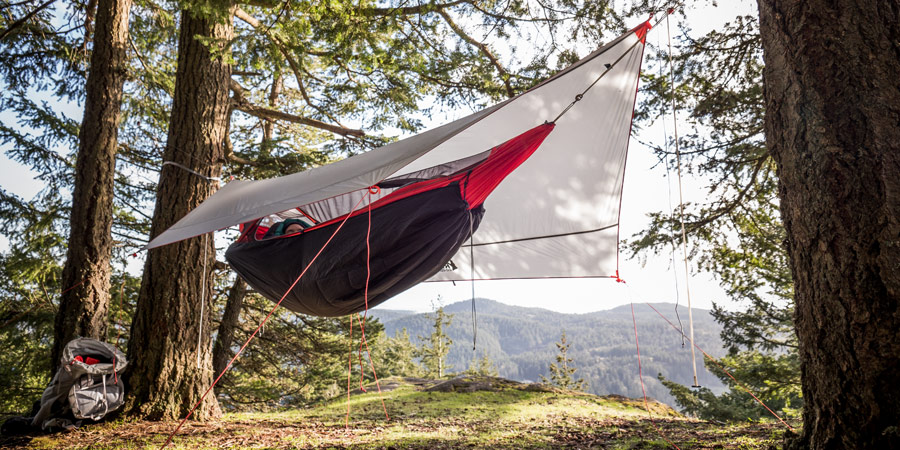
Sunlight can weaken hammock fabric over time. UV rays break down fibers, causing them to fade and tear. Find a shady place under trees or use a tarp for cover. This protects your hammock from damage and keeps it cooler to the touch.
Keeping Away From Pests
Insects and animals can chew or dirty your hammock. Avoid spots near ant hills, wasp nests, or areas with heavy bugs. Choose a place with good airflow and fewer bugs. This helps keep your hammock clean and free from holes.
Selecting A Dry Location
Moisture leads to mold and mildew on hammock fabric. Avoid low spots where water collects after rain. Pick a dry, elevated area with good drainage. This keeps your hammock fresh and ready for your next adventure.
Regular Hardware Checks
Regular hardware checks are essential for maintaining your camping hammock. These checks keep your hammock safe and stable during use. Hardware like hooks and carabiners face daily stress and weather exposure. Over time, they may wear out or rust, risking failure. Regular inspections help you spot problems early. This simple routine extends the life of your hammock and ensures your safety outdoors.
Inspecting Hooks And Carabiners
Look closely at all hooks and carabiners before each trip. Check for cracks, bends, or any signs of damage. Make sure the gates open and close smoothly without sticking. Test their strength by applying light pressure. Loose or damaged parts can fail under weight. Replace any hardware that shows weakness or unusual wear. Clean the metal parts to remove dirt and debris, which can affect performance.
Replacing Rusty Parts
Rust weakens metal hooks and carabiners quickly. Even small rust spots can grow and cause breaks. Replace rusty parts immediately for safety. Use stainless steel or rust-resistant hardware for longer life. Keep spare parts in your camping kit to swap out when needed. Avoid using corroded equipment as it risks accidents. Regularly drying your hardware after use helps prevent rust buildup.
Ensuring Safety And Stability
Safe hardware keeps your hammock steady and secure. Check the connection points to the tree or stand every time you set up. Ensure all hooks and carabiners lock properly and hold tight. Test the entire setup by gently applying weight before fully lying down. Stability prevents falls and injuries during use. Maintaining hardware safety gives peace of mind and lets you relax fully in your hammock.
Cleaning Your Hammock
Cleaning your camping hammock keeps it fresh and extends its life. Dirt, leaves, and sweat can build up on the fabric. Regular cleaning prevents stains and odors. Proper care also keeps the material strong and comfortable for your next trip. Follow these simple steps to clean your hammock safely.
Shaking Out Debris
Start by hanging your hammock and giving it a good shake. This removes loose dirt, leaves, and small bugs. Shake both sides to clear any trapped debris. Use your hands or a soft brush to gently remove stubborn particles. This step helps avoid clogging your washing method later.
Hand Washing Tips
Fill a tub or bucket with cold water and mild detergent. Avoid hot water as it can weaken the fabric. Submerge the hammock and gently rub the fabric with your hands. Use a soft brush for tough spots. Rinse thoroughly to remove all soap. Hang the hammock to air dry in a shaded area.
Machine Washing Guidelines
Check if your hammock is machine washable. Use a front-loading washer only. Place the hammock loosely inside or use a mesh laundry bag. Select a gentle or delicate cycle with cold water. Add mild detergent without bleach or softeners. Remove promptly after washing to prevent wrinkles. Always air dry in shade; avoid dryers.
Avoiding Bleach And Softeners
Never use bleach or fabric softeners on your hammock. These chemicals damage the fabric fibers. Bleach causes colors to fade and weakens material strength. Softeners can leave residue that attracts dirt. Stick to mild detergents made for delicate fabrics. This keeps your hammock clean and durable for many adventures.
Credit: www.rei.com
Drying Techniques
Proper drying techniques keep your camping hammock in great condition. Drying removes moisture that can cause mold and mildew. It also preserves the fabric’s strength and color. Following the right steps ensures your hammock lasts for many camping trips.
Air Drying Best Practices
Air drying is the safest way to dry your hammock. Hang it in a shaded, well-ventilated area. Avoid direct sunlight to prevent fading and fabric damage. Spread the hammock flat or hang it loosely to allow air flow. Flip or reposition it occasionally for even drying. Make sure it is completely dry before storing to avoid mildew.
Avoiding Machine Dryers
Do not use a machine dryer for your camping hammock. Heat from dryers can weaken or shrink the fabric. The tumbling action may cause tears or damage to seams. Air drying protects the hammock’s fibers and maintains its shape. Patience is key—air drying takes longer but keeps your hammock safe.
Preventing Fabric Shrinkage
Fabric shrinkage can ruin your hammock’s fit and comfort. Avoid hot water washing and machine drying. Use cold water and gentle cleaning methods instead. Air dry at room temperature, never in direct heat. If you follow these steps, your hammock will keep its size and softness over time.
Storage Solutions
Proper storage of your camping hammock extends its life and keeps it ready for your next adventure. Choosing the right storage method protects the fabric and hardware from damage. Good storage also prevents common issues like mold, mildew, and pests. Store your hammock carefully after every trip to keep it in top shape.
Indoor Storage Ideas
Store your hammock inside a dry, cool place. Closets, basements, or storage rooms work well. Avoid areas with high humidity or direct sunlight. Fold the hammock neatly to prevent wrinkles and tangles. Keep it away from sharp objects that might tear the fabric. Indoor storage reduces exposure to weather and pests, preserving the material.
Preventing Mold And Mildew
Make sure your hammock is completely dry before storing it. Damp fabric invites mold and mildew growth. Air dry the hammock in the shade after washing or use. Avoid packing it away while still wet or damp. Use moisture absorbers or silica gel packs in the storage area. Check the hammock regularly for any signs of mold or mildew and clean immediately if found.
Using Protective Bags Or Covers
Protective bags keep your hammock clean and safe from dust. Choose bags made from breathable materials to avoid trapping moisture. Avoid plastic bags, which can cause mildew. Many hammocks come with their own storage bags. Use these or invest in a durable cover for long-term storage. Proper covers help maintain fabric quality and make carrying your hammock easier.

Credit: www.tentsile.com
Preventing Damage
Preventing damage is key to keeping your camping hammock in good shape. Small actions protect the fabric and hardware from wear and tear. Proper care extends the life of your hammock and keeps it safe to use. Avoiding common hazards helps maintain its comfort and strength for many trips.
Avoiding Snags From Jewelry
Jewelry can catch on the hammock fabric and cause tears. Remove rings, bracelets, and necklaces before you lie down. Even small chains or pins can pull threads and weaken the material. Being careful keeps your hammock smooth and snag-free.
Securing Loose Ends
Loose ends on ropes or cords can tangle or fray easily. Tie knots or use small clips to keep them neat. This prevents the hammock from snagging on branches or gear. Well-secured ends reduce the risk of damage and improve safety.
Using Pest Deterrents
Insects and small animals may chew on your hammock. Use non-toxic pest sprays or natural deterrents nearby. Avoid harsh chemicals that could harm the fabric or your skin. Keeping pests away protects the hammock’s fibers and keeps it clean.
Washing Frequency
Washing frequency is key to keeping your camping hammock clean and durable. Regular washing removes dirt, sweat, and outdoor debris. It prevents mold, mildew, and unpleasant odors. Proper washing also maintains the fabric’s strength and color. Different washing schedules suit various usage levels. Follow these simple guidelines to keep your hammock fresh and ready.
After Each Use
Shake your hammock to remove leaves, dirt, and bugs. Spot clean small stains with a damp cloth and mild soap. Let it dry completely before packing away. This quick step stops dirt buildup and bad smells. Avoid machine washing every time to protect the fabric.
Monthly Cleaning For Frequent Use
Wash your hammock monthly if you use it often. Hand wash with cold water and gentle detergent. Use a soft brush for tough spots. Rinse well to remove all soap. Air dry in the shade to avoid fading and shrinking. This routine keeps your hammock hygienic and fresh.
Seasonal Deep Cleaning
Deep clean your hammock at the end of each camping season. Remove all hardware before washing. Use a washing machine on a delicate cycle with mild detergent if the fabric allows. Avoid bleach and fabric softeners. Hang it flat or drape it in shade to dry thoroughly. This deep clean removes stubborn dirt and extends hammock life.

Credit: www.hammockuniverse.com
Frequently Asked Questions
How To Maintain A Hammock?
Hang your hammock in shade to avoid UV damage. Clean with mild detergent in cold water. Air dry away from direct sun. Store in a dry, cool place. Regularly inspect hardware for rust or wear and replace if needed.
How Often Should You Wash Your Hammock?
Wash your hammock every few months or after heavy use. Regular cleaning prevents dirt buildup and extends its life. Hand wash with mild detergent and air dry in shade. Avoid bleach and machine dryers to protect fabric and fibers.
What Are The Disadvantages Of Hammock Camping?
Hammock camping limits space and gear storage. It requires suitable trees and can be uncomfortable in cold or windy weather. Setup may be tricky for beginners.
Why Do Mexicans Sleep In Hammocks?
Mexicans sleep in hammocks for comfort, ventilation, and to stay cool in hot climates. Hammocks reduce pressure points and prevent insect bites.
Conclusion
Proper care keeps your camping hammock strong and comfy. Clean it gently with mild soap and cold water. Always air dry in shade to avoid damage. Store your hammock in a dry, cool place away from sun and pests. Check hardware often for rust or wear to stay safe.
Follow these simple steps to enjoy your hammock longer. A well-maintained hammock makes every camping trip better. Simple habits protect your gear and save money over time. Take care today for relaxing adventures tomorrow.