Maintenance Tips for Hammock Straps: Essential Care for Longevity
You love relaxing in your hammock after a long day, but have you thought about how well you’re taking care of your hammock straps? These straps are the lifeline that keeps you safe and comfortable, so maintaining them properly is key to enjoying your hammock for years to come.
If you want to avoid unexpected wear, nasty stains, or even accidents, you need to know the simple steps to clean, inspect, and store your hammock straps the right way. Keep reading, and you’ll discover easy, practical tips that protect your gear and keep your hammock moments worry-free.
Your straps deserve the best care, and you deserve peace of mind every time you unwind.

Credit: www.hammockuniverse.com
Choosing Durable Straps
Choosing durable straps is key to a safe and long-lasting hammock setup. Durable straps hold the hammock firmly and protect trees from damage. Selecting the right straps can prevent accidents and extend the life of your hammock. Consider the material, size, and special features when picking straps.
Material Types
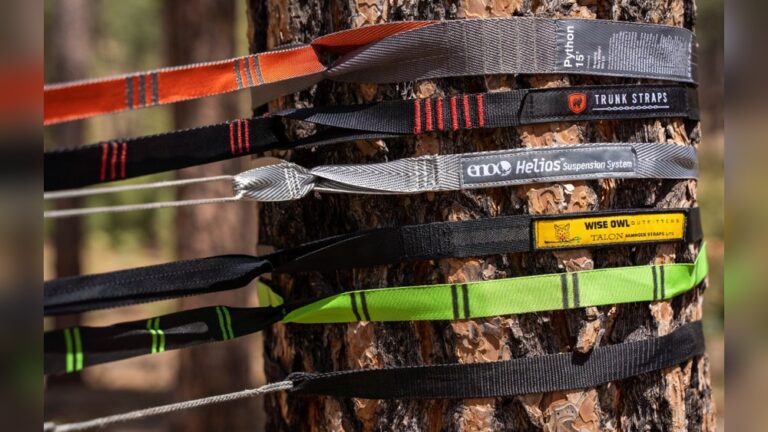
Straps come in materials like polyester, nylon, and polypropylene. Polyester is strong and resists stretching in sun and rain. Nylon offers great strength but stretches more when wet. Polypropylene is lightweight but less durable over time. Pick a material that fits your climate and usage needs.
Width And Length Considerations
Wider straps spread weight better and reduce pressure on trees. Straps 1 to 2 inches wide are common and effective. Longer straps give more hanging options and ease of use. Choose length based on the distance between trees and desired hammock height. Proper width and length improve safety and comfort.
Tree-saver Nylon Benefits
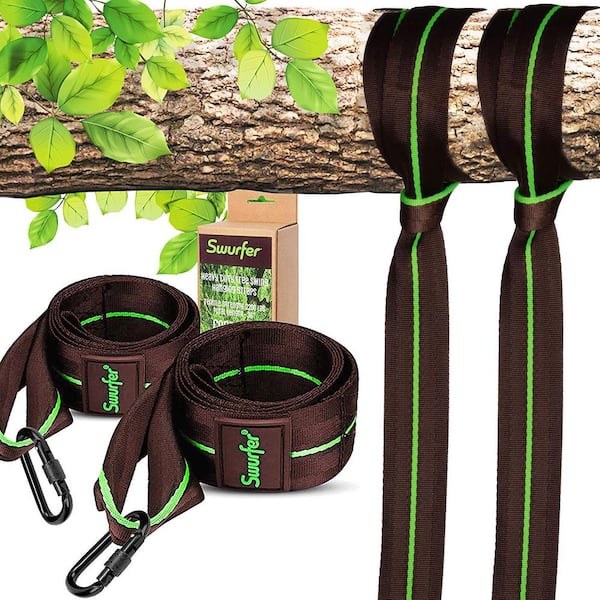
Tree-saver nylon straps protect bark and tree health. They are wide and strong, designed to avoid cutting into trees. These straps reduce damage and help preserve the environment. Their durability withstands rough weather and frequent use. Tree-saver straps are a smart choice for eco-friendly hammock users.
Credit: www.homedepot.com
Cleaning Techniques
Cleaning hammock straps regularly keeps them strong and safe. Dirt, sap, and stains can weaken the fabric over time. Using the right cleaning methods helps your straps last longer and stay comfortable. Follow these simple steps to keep your hammock straps clean and ready for use.
Removing Dirt And Debris
Start by shaking the straps to remove loose dirt and leaves. Use a soft brush to gently sweep off stuck debris. Avoid harsh scrubbing, which can damage the fibers. Cleaning off dirt early prevents buildup and keeps the straps looking fresh.
Hand Washing Steps
Fill a bucket with cold water and add mild detergent. Soak the straps for a few minutes to loosen dirt. Use your hands or a soft brush to scrub gently. Rinse thoroughly with clean water to remove all soap. Hang the straps in shade to air dry completely before storing.
Machine Washing Tips
Place straps in a mesh laundry bag to avoid tangling. Use a front-loading washer on a gentle cycle with cold water. Select a mild detergent without bleach or fabric softeners. Remove straps promptly after washing. Always air dry straps flat or hang in a shaded area. Do not use a dryer, as heat can damage fibers.
Dealing With Sap And Stains
Remove sap by gently scraping with a plastic card or spoon. Apply a small amount of rubbing alcohol or stain remover to the spot. Let it sit for a few minutes, then blot with a clean cloth. Wash the straps using hand washing or machine washing methods. Repeat if stains remain, but avoid harsh chemicals that weaken fabric.
Drying And Storage
Proper drying and storage extend the life of hammock straps. Wet straps can weaken and develop mold if not dried correctly. Storing straps properly keeps them safe from damage and dirt. Follow these simple steps to keep your hammock straps in top shape.
Air Drying Best Practices
Always air dry hammock straps after use. Lay them flat or hang them in a shady, well-ventilated area. Avoid direct sunlight to prevent fabric fading. Make sure straps are completely dry before storing. This stops mildew and odor build-up. Patience pays off for long-lasting straps.
Avoiding Heat Damage
Do not use a dryer or direct heat sources. Heat can shrink or weaken strap fibers. Avoid placing straps near heaters or fireplaces. High temperatures reduce strap strength and safety. Gentle drying preserves the material and extends usage.
Seasonal Storage Tips
Store hammock straps in a cool, dry place during off-seasons. Use a breathable bag or container to keep dust away. Keep them away from damp basements or garages. Folding straps neatly prevents tangling and creases. Check straps regularly for wear or damage before next use.
Protecting From Mold And Mildew
Mold grows on damp or dirty straps. Clean straps before storage to remove dirt and sweat. Ensure straps are fully dry to stop mold growth. Use moisture absorbers or silica packets in storage bags. Inspect straps often and air them out to keep fresh.
Regular Inspection
Regular inspection is essential to keep hammock straps safe and durable. It helps find small problems before they become big issues. Checking straps often ensures a secure and comfortable hang every time.
Checking For Wear And Tear
Look closely at the fabric of your hammock straps. Check for fraying, cuts, or thinning areas. These signs show the strap is weakening. Pay attention to places where the strap bends or rubs against trees or hardware. Spotting wear early helps prevent accidents.
Inspecting Hardware
Examine metal parts like carabiners, hooks, and rings. Look for rust, cracks, or bends. Rust can weaken metal and cause failure. Make sure all hardware moves smoothly and locks securely. Faulty hardware puts your safety at risk.
Replacing Damaged Parts
Replace any strap or hardware that shows damage. Do not use worn or broken parts. Using strong, undamaged components keeps your hammock secure. Keep extra hardware and straps on hand for quick replacement. Regular updates extend your hammock’s life.
Preventing Damage
Preventing damage to hammock straps extends their life and keeps them safe. Small habits protect straps from wear and tear. Avoiding harsh conditions helps straps stay strong and reliable. Use simple steps to guard against common threats.
Avoiding Direct Sunlight
Sunlight breaks down strap fibers over time. UV rays weaken materials, causing them to fray or snap. Hang your hammock in shaded areas whenever possible. Store straps indoors when not in use. This prevents fading and fiber damage. Avoid long exposure to direct sunlight.
Protecting Trees And Straps
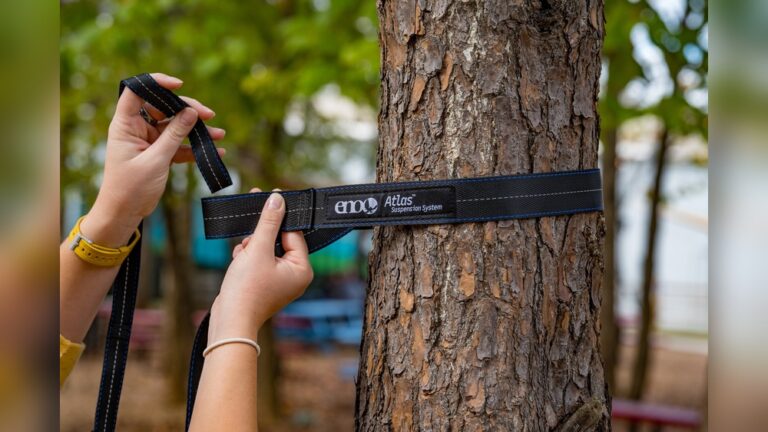
Wrap straps around trees carefully to avoid damage. Use tree-friendly straps or add padding between tree and strap. This prevents bark injury and strap wear. Pull straps tight but avoid over-tightening. Check straps for signs of rubbing or fraying. Replace or adjust straps if needed to protect both tree and gear.
Using Pest Deterrents
Insects and small animals can chew hammock straps. Apply non-toxic pest deterrents on and around the straps. Natural sprays like bitter apple keep pests away safely. Regularly inspect straps for bite marks or holes. Clean straps to remove food smells that attract pests. Protect your hammock gear from critters to ensure lasting use.

Credit: www.tentsile.com
Safe Installation
Safe installation of hammock straps is essential for your comfort and security. Proper setup prevents accidents and extends strap life. Follow simple steps to ensure a strong, reliable hold.
Proper Strap Placement
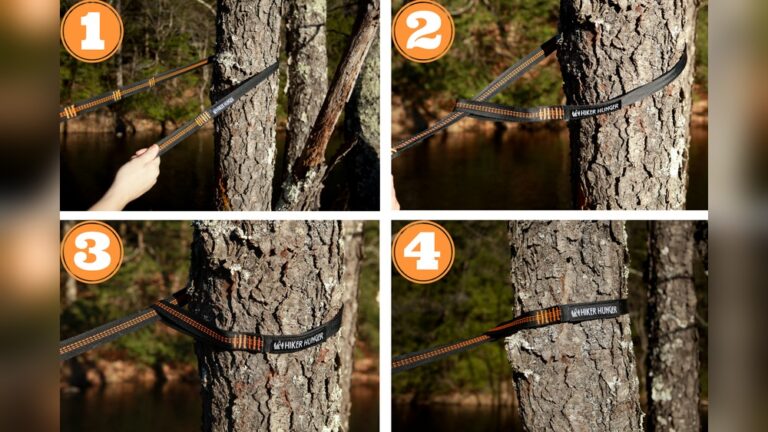
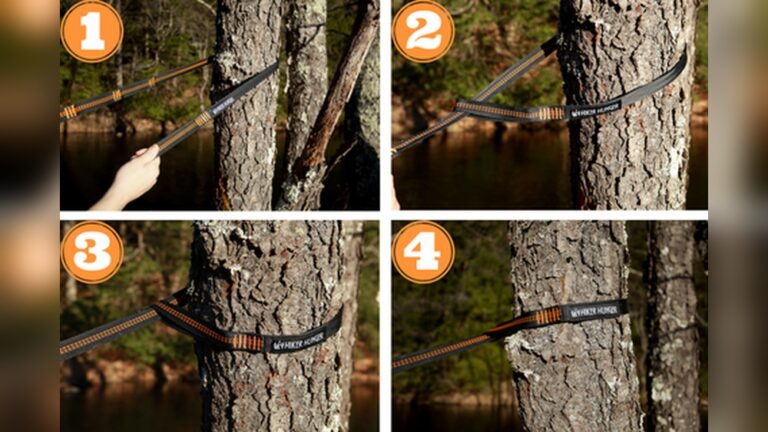
Choose sturdy anchor points like thick trees or strong posts. Place straps at about eye level for easy access. Wrap straps around the anchor, making sure fabric lies flat. Avoid twisting or overlapping the strap for even weight distribution. Keep straps away from sharp edges to prevent damage.
Securing Knots And Fasteners
Tighten knots firmly to avoid slipping during use. Double-check knots after installation and before each use. Use simple knots like the bowline or figure-eight for security. Inspect fasteners regularly for wear or loosening. Replace any worn or damaged parts immediately to stay safe.
Using Carabiners And Hooks
Choose strong, load-rated carabiners or hooks made for hammocks. Attach carabiners to the strap loops securely and close the gates fully. Avoid using carabiners with cracks or rust. Position hooks so they do not rub against rough surfaces. This practice helps maintain strap integrity and user safety.
Extra Care Tips
Extra care for hammock straps extends their life and keeps them safe. Small actions prevent damage and maintain strength. Follow simple tips to avoid common problems.
Avoiding Snags And Tears
Check straps before use for sharp objects nearby. Remove sticks, thorns, or rocks that can catch fabric. Avoid dragging straps on rough surfaces. Store straps neatly to stop tangling and ripping. Keep pets away to prevent accidental tears.
Following Manufacturer Guidelines
Read the instructions that come with your straps. Use only recommended cleaning methods and products. Avoid bleach or harsh chemicals that weaken fibers. Stick to weight limits set by the maker. Replace straps if signs of wear appear.
Handling During Transport
Fold straps carefully to prevent twists and knots. Use a storage bag or container for carrying. Avoid placing heavy items on top of straps. Keep straps dry during transport to stop mold. Check straps after travel for any damage.
Frequently Asked Questions
How To Clean Hammock Straps?
Remove hardware and shake off debris. Hand wash straps with mild detergent in cold water. Rinse thoroughly and air dry in shade. Avoid bleach and machine dryers to prevent damage. Store straps in a dry, shady place when not in use.
How To Maintain A Hammock?
Store your hammock in a dry, shaded area to prevent sun damage and pests. Clean by shaking out debris, then hand wash with mild detergent in cold water. Air dry flat in the shade. Regularly check hardware for rust or wear and replace if needed to ensure safety and longevity.
How To Protect Trees From Hammock Straps?
Use wide, tree-friendly straps at least 1. 5 inches wide to avoid bark damage. Add tree protection pads or wrap straps with cloth. Avoid thin ropes that cut into trees. Hang hammocks on healthy, sturdy trees. Regularly check and adjust straps to prevent cutting or girdling.
How To Properly Use Hammock Straps?
Wrap hammock straps around sturdy trees at shoulder height. Secure with tight, non-damaging knots or loops. Ensure even tension on both sides. Avoid sharp edges to prevent wear. Regularly inspect straps for damage before use.
Conclusion
Regular care keeps hammock straps strong and safe for use. Clean straps gently with mild detergent and cold water. Always air dry straps away from direct sunlight to avoid damage. Check hardware often for rust or wear, replacing parts as needed.
Store straps indoors in a dry, cool place during off-seasons. Protect straps from pests with safe deterrents to prevent chewing. Following these simple steps extends your hammock’s life and ensures a comfortable, secure hang every time. Small efforts lead to lasting hammock enjoyment and safety.