Maintenance Tips for Sleeping Pad: Essential Care for Longevity
Your sleeping pad is more than just gear—it’s your ticket to a good night’s rest after a long day outdoors. But if you don’t take care of it properly, you might wake up to a flat, uncomfortable pad or even damage that cuts your adventures short.
That’s why knowing the right maintenance tips is crucial for keeping your sleeping pad in top shape. You’ll discover simple, practical steps to clean, store, and protect your sleeping pad so it lasts longer and performs better every time you use it.
Ready to learn how to get the most out of your sleeping pad? Let’s dive in!
Credit: www.rei.com
Daily Use Tips
Proper care during daily use keeps your sleeping pad in top shape. Small habits prevent damage and extend the pad’s life. Follow these simple tips to maintain comfort and function every night.
Avoid Sharp Objects
Keep the sleeping pad away from rocks, sticks, and sharp tools. Use a groundsheet under the pad to add protection. Inspect your campsite before setting up to clear any sharp debris. This reduces the risk of punctures and leaks.
Keep Valves Open
Leave the valves open when not in use to release air pressure. This helps maintain the pad’s shape and prevents damage to the valve mechanism. Check valves regularly to ensure they close tightly when inflated.
Protect From Pets
Pets can accidentally tear your sleeping pad with claws or teeth. Keep pets away from the pad or use a protective cover. Store the pad out of reach when not in use to avoid accidental damage.
Cleaning Methods
Keeping your sleeping pad clean helps it last longer and stay comfortable. Dirt, sweat, and oils can damage the pad’s material over time. Using the right cleaning methods removes grime without harming the pad. This guide covers safe ways to wash and dry your sleeping pad.
Hand Washing
Hand washing is gentle and effective for most sleeping pads. Use lukewarm water and mild soap or detergent. Avoid harsh chemicals or bleach that can damage the fabric. Soak the pad briefly and scrub softly with a sponge or cloth. Rinse thoroughly to remove all soap residue. This method prevents damage and preserves the pad’s surface.
Machine Washing
Machine washing is possible for some sleeping pads but check the manufacturer’s instructions first. Use a front-loading washer with a gentle cycle and cold water. Add a small amount of mild detergent only. Avoid using fabric softeners or bleach. Place the pad inside a large pillowcase or laundry bag to protect it during the wash. Remove immediately after the cycle finishes.
Drying Techniques
Dry your sleeping pad completely before storage to avoid mold and odors. Air drying is best. Lay the pad flat or hang it in a shaded, well-ventilated area. Avoid direct sunlight as UV rays can weaken the material. Never use a dryer or heat source to speed drying. Ensure both sides dry fully by flipping the pad occasionally. Proper drying keeps your pad fresh and ready for use.
Repairing Small Damages
Small damages on your sleeping pad can reduce comfort and cause leaks. Fixing these issues early keeps your pad usable and extends its life. Repairing tears and holes is simple with the right tools and care. This section covers key tips for patching holes, preventing leaks, and using repair kits effectively.
Patching Holes
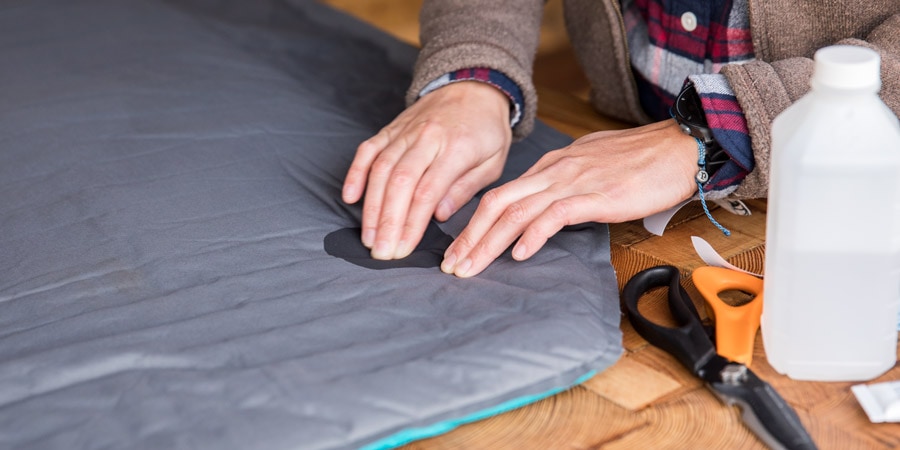
Find the hole by inflating the pad and listening for air escaping. Use soapy water to spot small bubbles. Mark the damaged area with a pen. Clean the surface around the hole with rubbing alcohol. Cut a patch slightly larger than the hole. Apply adhesive to both the patch and pad. Press the patch firmly over the hole. Let it dry flat for at least 24 hours before use.
Preventing Leaks
Store your sleeping pad away from sharp objects and heat. Avoid placing it on rough or rocky ground. Always keep the valve closed when the pad is not in use. Inflate the pad gently to avoid overstretching seams. Check for weak spots regularly and patch them early. Dry the pad thoroughly before storing to prevent mold and damage.
Using Repair Kits
Repair kits often include patches, glue, and instructions. Choose a kit made for your pad’s material. Follow the steps carefully for best results. Test the patch by inflating the pad after repair. Carry a repair kit on trips for quick fixes. Replace worn-out kits to ensure you have fresh materials available.

Credit: www.bach-equipment.com
Storage Practices
Proper storage is key to keeping your sleeping pad in great shape. Good habits extend its life and keep it comfortable for every trip. Follow simple storage practices to protect the materials and maintain its performance.
Avoid Long-term Compression
Do not store your sleeping pad tightly compressed for long periods. Compression damages the foam and insulation inside. Keep the pad loose to let it keep its shape and bounce back easily. Leave valves open to allow air flow during storage.
Loosely Rolling Or Hanging
Roll your sleeping pad gently and loosely. Avoid tight rolls that strain the material. Hanging the pad is another great option. Use a hanger or hook to keep it flat and uncompressed. Both methods prevent damage and keep the pad ready for use.
Keep Away From Sunlight
Store your sleeping pad in a cool, shaded area. Direct sunlight breaks down the fabric and causes fading. UV rays weaken the material and shorten its lifespan. Protect your pad by keeping it out of the sun during storage.
Preventing Mold And Mildew
Mold and mildew can damage your sleeping pad and cause bad smells. Keeping your pad dry and clean stops these problems. Simple steps help protect your pad from moisture and fungus. Follow these tips for a healthy, long-lasting sleeping pad.
Proper Drying
Always dry your sleeping pad after use. Inflate it fully to let air reach all inside areas. Wipe off any dirt or moisture on the surface. Leave it in a shaded, airy spot to dry completely. Avoid direct sunlight to protect the material. Do not store the pad until it is fully dry.
Ventilation Tips
Store your sleeping pad in a place with good airflow. Keep valves open during storage to allow air circulation. Avoid tight compression or sealed bags for long periods. Hanging the pad or laying it flat works best. Proper ventilation keeps moisture from building up inside.
Regular Inspection
Check your sleeping pad often for signs of mold or mildew. Look inside and outside for spots or smells. Clean any dirty areas with mild soap and water. Dry the pad well after cleaning. Early detection stops mold from spreading and keeps your pad safe.
Extending Pad Lifespan
Extending the lifespan of your sleeping pad ensures it stays comfortable and reliable. Proper care helps avoid damage and keeps the pad working well for many trips. Small habits can prevent wear and tear over time. Follow simple steps to protect your investment and enjoy better sleep outdoors.
Rotate Usage
Use different sleeping pads for each trip if possible. Rotating usage helps avoid wearing out one pad too fast. It gives each pad time to recover between uses. This reduces pressure on seams and materials. Rotating also prevents uneven wear and keeps pads in better shape longer.
Use Protective Covers
Always place a protective cover or groundsheet under your sleeping pad. This shields it from sharp rocks, sticks, and dirt. Covers reduce punctures and abrasions on the pad surface. They also keep the pad cleaner and easier to maintain. Using covers adds an extra layer of defense outdoors.
Regular Maintenance Checks
Inspect your sleeping pad often for leaks or damage. Inflate it fully and listen or feel for air escaping. Check seams, valves, and fabric for signs of wear. Repair small holes quickly with patches or sealant. Regular checks prevent small issues from becoming bigger problems. This keeps your pad safe and functional longer.
Credit: www.bach-equipment.com
Frequently Asked Questions
How To Care For A Sleeping Pad?
Keep your sleeping pad away from sharp objects and pets during use. Dry it thoroughly inside and out. Store it loosely rolled or flat in a cool, dry place without direct sunlight. Always leave valves open when storing to maintain insulation and prevent damage.
Clean with mild soap and water.
How Should You Store Your Sleeping Pad?
Store your sleeping pad dry, flat or loosely rolled, with valves open. Keep it in a cool, shaded, dry place away from sunlight. Avoid compressing foam pads long-term to prevent damage.
How To Keep Your Sleeping Pad Dry?
Inflate your sleeping pad and air dry it thoroughly inside and out. Store it in a cool, dry place away from direct sunlight. Keep valves closed to prevent moisture entry. Avoid placing the pad on wet or sharp surfaces. Regularly wipe with mild soap and water to maintain dryness.
How To Clean A Perfect Sleep Pad?
Remove the Perfect Sleep Pad from the mattress. Wash by hand with mild soap and water or use a front-load washer. Tie tubes securely in top-load washers. Hang dry or tumble dry on low heat. Avoid direct sunlight during drying and storage.
Conclusion
Proper care extends your sleeping pad’s life and comfort. Always clean it gently and dry thoroughly. Store it loosely rolled or flat in a cool place. Avoid sharp objects and direct sunlight to prevent damage. Regular checks help spot leaks early.
Follow these simple steps for better sleep outdoors. Your pad will stay reliable for many trips ahead. Enjoy every adventure with a well-maintained sleeping pad.