Maintenance Tips for Ultralight Tent: Ultimate Care Guide
You’ve invested in an ultralight tent to make your outdoor adventures easier and more enjoyable. But to keep it performing at its best, you need to take good care of it.
Without proper maintenance, your tent’s fabric, zippers, and waterproof coating can wear out quickly, leaving you vulnerable to weather and discomfort. You’ll discover simple, effective tips to clean, dry, store, and protect your ultralight tent. Follow these steps, and you’ll extend your tent’s life, save money, and enjoy every trip with confidence.
Ready to make your tent last season after season? Let’s dive in.
Daily Care
Daily care keeps your ultralight tent in top condition. A little effort each day extends its life and performance. Small tasks prevent damage and maintain fabric strength.
Follow these easy steps after each use. They help keep your tent clean, dry, and ready for your next adventure.
Remove Dirt And Debris
Clear dirt, leaves, and small twigs from your tent’s surface. Use a soft brush or cloth to sweep away particles gently. Avoid harsh scrubbing that can damage the fabric. Remove debris inside the tent too. This stops wear and keeps the tent fresh.
Dry Thoroughly
Always dry your tent fully before packing it away. Set it up in a sunny spot or hang it in a well-ventilated area. Moisture left inside can cause mold and weaken fabric coatings. Check corners and seams carefully for hidden damp spots. Drying well keeps your tent light and strong.
Spot Cleaning Techniques
Use mild soap and water for small stains or dirt patches. Apply gently with a sponge or soft cloth. Do not soak or use strong detergents. Rinse the cleaned areas with clean water to remove soap residue. Spot cleaning saves time and protects the tent’s waterproof layers.
Deep Cleaning
Deep cleaning is vital for keeping your ultralight tent in top shape. Dirt, sweat, and grime build up after many trips. Removing them protects the fabric and extends the tent’s life. Clean tents stay waterproof and strong.
Proper cleaning also prevents mold and bad smells. Taking time to deep clean ensures your tent is ready for the next adventure. Gentle care keeps materials working well without damage.
Using Mild Soap And Water
Always use mild soap and lukewarm water for cleaning. Harsh detergents can harm the tent’s fabric and coatings. Mix a small amount of gentle soap with water. Use a soft sponge or cloth to wipe dirt away. Focus on stained or heavily soiled areas. Rinse thoroughly with clean water to remove soap residue. Let the tent dry fully before packing it away.
Avoiding Washing Machines
Never put your ultralight tent in a washing machine. Machines use strong agitation that can tear fabric and damage seams. The heat from dryers can ruin waterproof coatings. Hand washing protects delicate materials and zippers. It also prevents shrinking and color fading. Hand wash gently for the best results.
Zipper Maintenance
Keep zippers clean and working smoothly. Dirt and grit can jam or wear them out. Brush off debris with a soft brush or cloth. Use a zipper lubricant or wax to ease movement. Avoid forcing stuck zippers as this causes damage. Regular care helps zippers last longer and perform well.
Pole Handling Tips
Handle tent poles carefully during cleaning and packing. Wipe them down with a damp cloth to remove dirt. Avoid bending or twisting poles harshly. Store poles in their sleeves to prevent scratches and breaks. Proper pole care supports the tent’s structure and stability.
Waterproofing
Waterproofing is vital for ultralight tents. It keeps rain and moisture out, ensuring a dry shelter during outdoor adventures. Over time, the tent’s waterproof coating wears off due to exposure to sun, rain, and dirt. Regular maintenance can restore its water resistance and extend the tent’s life.
Reapplying Silicone Sprays
Silicone sprays are effective for renewing waterproof layers. Apply the spray evenly on the tent’s outer surface. Let it dry fully before packing the tent away. Reapplication can restore water repellency and prevent leaks. Use sprays designed for lightweight fabrics to avoid adding extra weight.
Signs Waterproofing Needs Refreshing
Water droplets soak into the fabric instead of beading up. The tent feels wet inside after light rain. Fabric looks dull or worn in spots. These signs show the waterproof coating is fading. Check your tent regularly, especially after several trips or heavy use.
Avoiding Pore-blocking Products
Some waterproofing products clog the fabric pores, reducing breathability. This can cause condensation and discomfort inside the tent. Choose treatments that protect without blocking air flow. Avoid heavy waxes or thick coatings that add weight and harm fabric performance.
Credit: www.rei.com
Storage Tips
Proper storage plays a key role in keeping your ultralight tent in good condition. Storing it correctly helps avoid damage and extends the tent’s lifespan. The right storage methods prevent fabric wear, mildew, and loss of waterproofing. Follow simple steps to store your tent safely and keep it ready for your next adventure.
Loose Packing Methods
Avoid stuffing your tent into a tight stuff sack for long periods. Tight packing stresses the fabric and seams. Instead, store your tent loosely in a large cotton or mesh bag. This allows the fabric to breathe and reduces creases. Loose packing preserves the tent’s waterproof coating and prevents damage.
Choosing The Right Location
Pick a cool, dry place to store your tent. Avoid damp basements or direct sunlight. Moisture can cause mold and mildew, while sunlight breaks down fabric fibers. A closet or shelf away from heat sources works well. Keep the tent away from sharp objects that might tear the fabric.
Periodic Airing Out
Take your tent out of storage every few months. Unfold it fully in a shaded area to air out. This prevents stale odors and moisture buildup. Airing also helps spot any small repairs needed before your next trip. Regular airing keeps your tent fresh and ready for use.
Setup Best Practices
Setting up an ultralight tent correctly preserves its condition and boosts its lifespan. Careful setup reduces wear and tear. It also improves comfort during camping. Follow these best practices to keep your tent safe and functional.
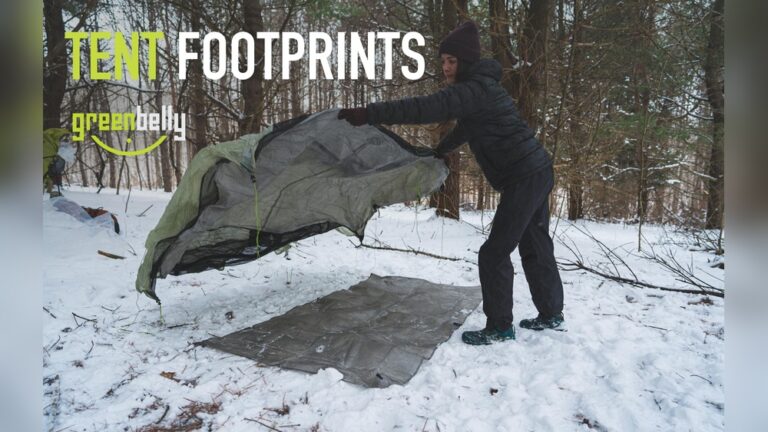
Using Footprints For Protection
Place a footprint under your tent. It shields the floor from sharp rocks and dirt. This layer prevents tears and abrasion. Footprints also keep moisture from soaking through the tent floor. Choose a footprint that matches your tent’s size to avoid water pooling.
Selecting Safe Campsites
Pick flat, stable ground free of sharp objects. Avoid areas with heavy vegetation that can trap moisture. Look for natural windbreaks like bushes or trees. Stay away from low spots where water can collect. A safe campsite protects your tent from damage and keeps you dry.
Maximizing Ventilation
Open vents and doors to reduce inside moisture. Proper airflow stops condensation buildup on fabric. It helps prevent mildew and mold growth. Position your tent to catch gentle breezes. Use mesh panels to keep insects out while allowing fresh air in.
Minimizing Uv Exposure
UV rays weaken tent fabric over time. Set up in shaded areas when possible. Avoid direct sunlight during long periods. Use a tarp or cover to shield the tent from harsh sun. Store your tent away from light when not in use to keep fabric strong.

Credit: www.garagegrowngear.com
Handling Repairs
Handling repairs on your ultralight tent keeps it strong and ready for adventure. Small problems can turn into big ones without quick fixes. Regular checks help spot damage early. Simple repairs save money and extend your tent’s life. Here are some easy repair tips you can do yourself.
Fixing Small Tears
Small tears can grow if not fixed fast. Clean the area around the tear with a damp cloth. Use a patch kit made for ultralight fabrics. Cut the patch slightly bigger than the tear. Apply adhesive or iron-on patch carefully. Press firmly to avoid air bubbles. Let it dry fully before packing the tent.
For tiny holes, clear tape or fabric glue works well. Avoid using heavy materials that add weight. Keep repair kits in your backpack for quick fixes on the trail.
Replacing Shock Cords
Shock cords help keep poles tight and tents stable. Over time, they lose stretch or snap. Remove the damaged cord carefully from the pole sections. Measure the new cord to the same length. Use a strong but lightweight cord, such as elastic or bungee cord. Thread it through the poles using a small wire or a bent coat hanger.
Tie knots at each end to secure the cord. Check tension to make sure poles fit snugly. Replace cords promptly to avoid pole damage or tent collapse.
Maintaining Poles And Stakes
Poles and stakes face rough use and need care. Inspect poles for cracks or bends before each trip. Clean dirt and debris from joints and connectors. Use silicone spray to lubricate pole sections for easy assembly. Replace any broken or bent poles with the same size and type.
Stakes should be straight and strong to hold the tent well. Remove dirt and check for bends. Carry spare stakes to replace lost or damaged ones. Proper pole and stake care ensures your tent stays stable in wind and rain.

Credit: www.garagegrowngear.com
Frequently Asked Questions
Do Tents Go Bad If Not Used?
Tents can degrade over time if stored improperly. Fabrics may weaken, and elastics lose elasticity. Always clean, dry, and store tents loosely in a cool, dry place to prevent damage and mildew. Proper storage extends tent life, even when unused.
Does Putting A Tarp Over A Tent Make It Warmer?
Placing a tarp over a tent adds insulation and blocks wind, helping retain heat inside. It makes the tent warmer at night.
How To Properly Care For A Tent?
Clean your tent with mild soap and water, dry it completely, and store loosely in a cool, dry place. Avoid UV exposure and never pack damp. Lubricate zippers and reapply waterproof spray as needed. Use a footprint to protect the floor and air out the tent periodically.
How Often Should You Reproof A Tent?
Reproof your tent annually or whenever water stops beading on the fabric. Apply a silicone-based waterproof spray for best results.
Conclusion
Caring for your ultralight tent extends its life and performance. Clean it gently after every trip. Always dry your tent fully before storing it away. Store in a cool, dry place to avoid mildew. Check zippers and poles regularly for smooth use.
Reapply waterproof spray when needed to keep water out. Small steps make your tent ready for many adventures. Keep it simple, and your tent will serve well. Enjoy your outdoor trips with a well-maintained tent!