Outdoor Gear Maintenance Tips: Essential Tricks for Longevity
You’ve invested in quality outdoor gear to make your adventures safe and enjoyable. But are you taking the right steps to keep that gear in top shape?
Without proper care, your tents, backpacks, and hiking boots can wear out faster than you expect—leaving you stranded or uncomfortable on your next trip. This guide is packed with simple, effective outdoor gear maintenance tips that anyone can follow. By learning how to clean, store, and repair your equipment properly, you’ll save money, extend the life of your gear, and be ready for every adventure.
Keep reading to discover how a little attention now can lead to big rewards on the trail.

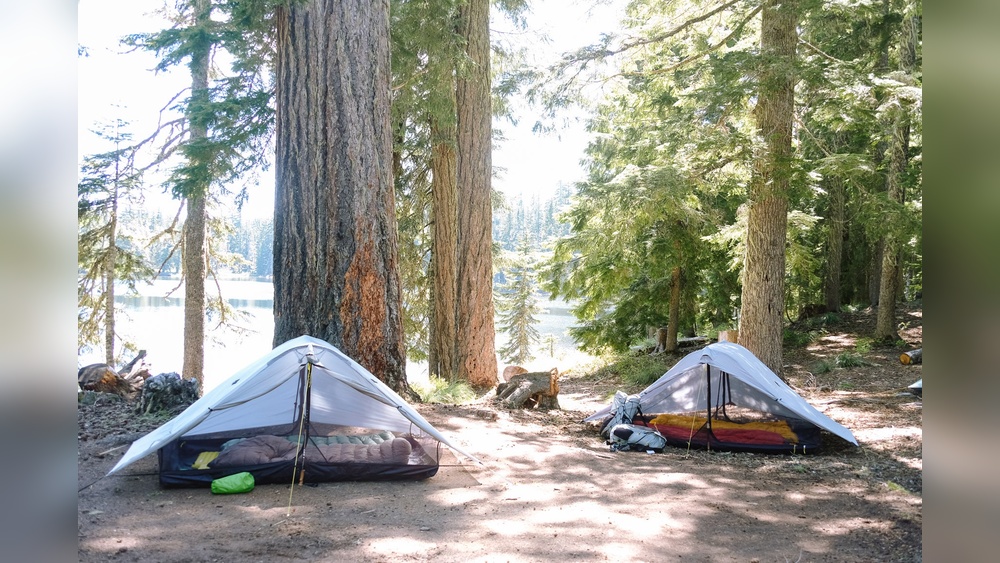
Credit: www.garagegrowngear.com
Cleaning Techniques
Proper cleaning techniques keep your outdoor gear in top shape. Dirt, sweat, and natural oils can damage fabrics and zippers. Gentle cleaning helps maintain the gear’s durability and performance. Simple methods often work best and protect important coatings like waterproof layers. Below are easy, effective ways to clean your gear.
Spot Cleaning Without Detergents
Use plain water and a soft cloth to clean small stains. Avoid detergents because they may harm waterproof coatings. Gently rub the dirty area until the spot fades. For stubborn marks, try a soft brush or a damp sponge. This method saves time and protects your gear’s fabric.
Using Specialized Gear Cleaners
Special cleaners are made for outdoor equipment fabrics. They remove dirt without damaging coatings or materials. Choose a cleaner designed for tents, sleeping bags, or backpacks. Follow the instructions and use only the recommended amount. These cleaners keep your gear fresh and functional longer.
Drying Methods For Longevity
Air dry your gear in a shaded, well-ventilated area. Avoid direct sunlight to prevent fading and material damage. Do not use dryers or heaters as heat can ruin fabrics. Hang items fully open to let air circulate inside and out. Proper drying stops mold and keeps your gear ready for your next adventure.
Storage Solutions
Proper storage is key to keeping outdoor gear in top shape. Storing gear correctly prevents damage and extends its life. Simple steps can protect your investment and ready your gear for the next adventure.
Choosing The Right Environment
Select a cool, dry place for storage. Avoid areas with high heat or direct sunlight. These conditions can weaken fabrics and cause fading. A well-ventilated spot stops odors and keeps gear fresh. Basements or attics might be damp, so test for moisture before storing there.
Organizing Gear Efficiently
Keep gear sorted by type and use. Use shelves, bins, or hooks to save space. Label containers for easy access. Group similar items to avoid searching later. This method reduces clutter and helps spot missing gear quickly. Organized storage also prevents damage from piling heavy items.
Avoiding Moisture And Mold
Moisture is the enemy of outdoor gear. Always dry items completely before storing. Use moisture absorbers like silica packs inside storage bins. Check gear regularly for signs of mold or mildew. Clean mold spots immediately with mild soap and water. Proper airflow around stored gear also prevents mold growth.
Repair And Maintenance
Proper repair and maintenance help extend the life of outdoor gear. Small problems can turn into big damage without care. Taking time to fix and maintain gear keeps it ready for every adventure. Regular attention also saves money by avoiding costly replacements.
Fixing Tears And Holes
Tears and holes weaken your gear’s protection. Use patch kits designed for your gear’s material. Clean the area before applying patches for strong adhesion. For tents and backpacks, use fabric glue or tape for quick repairs. Sewing small tears with heavy-duty thread also works well. Repair damage as soon as you notice it to prevent worsening.
Maintaining Waterproof Coatings
Waterproof coatings keep gear dry and comfortable. Over time, coatings wear off and need renewal. Clean gear with mild soap and water, avoiding harsh detergents. Apply a waterproof spray or wash-in treatment following product instructions. Dry gear fully before storing to protect coatings. Proper care keeps gear water-resistant and functional.
Regular Inspections And Tune-ups
Inspect gear before and after every trip. Check zippers, seams, and straps for wear or damage. Tighten loose screws and replace missing parts. Lubricate zippers to keep them moving smoothly. Look inside sleeping bags and tents for dirt or mildew. Regular tune-ups prevent failures and keep gear safe and reliable.
Credit: www.campcoshop.com
Footwear Care
Proper footwear care extends the life of your outdoor boots. It keeps them comfortable and ready for any adventure. Dirt, moisture, and wear can damage boots if left unchecked. Simple steps can protect your investment and improve performance.
Cleaning And Drying Boots
Remove dirt and mud with a soft brush after each use. Avoid harsh soaps that can break down materials. Use clean water and a damp cloth for spot cleaning. Dry boots naturally at room temperature. Avoid direct heat sources that can crack or shrink leather. Stuff boots with newspaper to absorb moisture and keep shape.
Leather Treatment Tips
Apply leather conditioner to keep boots supple. Use a product made for outdoor footwear to protect against water damage. Test conditioner on a small area first. Rub evenly with a soft cloth and allow to absorb. Avoid over-treating, which can weaken leather. Regular treatment prevents drying and cracking.
Replacing Insoles And Laces
Check insoles for wear and odor. Replace them if they lose cushioning or support. Fresh insoles improve comfort and hygiene. Inspect laces for frays or breaks. Replace laces that are worn out to ensure boots stay secure. Keep spare laces and insoles in your gear kit for quick fixes.
Fishing Gear Tips
Fishing gear needs care to last long and work well. Proper maintenance keeps rods, reels, and lines in top shape. Simple habits after each use prevent damage and extend gear life. Here are some essential tips for maintaining your fishing gear.
Rinsing After Use
Rinse your fishing gear gently with fresh water after every trip. Avoid using high-pressure water that can damage parts. Focus on removing salt, dirt, and debris from rods and reels. Never soak your equipment completely. For spincast reels, remove the cap and rinse inside carefully. This step stops corrosion and buildup.
Drying And Storage
Let your gear air dry before storing it. Wipe rods and reels with a soft cloth to remove moisture. Store fishing rods upright in a cool, dry place to avoid warping. Keep reels in a protective case or bag. Avoid storing gear in damp or hot areas to prevent mold and rust.
Reel And Rod Maintenance
Regularly check reels and rods for damage or wear. Clean the reel’s moving parts with a soft brush or cloth. Lubricate reel bearings and gears as recommended by the manufacturer. Inspect rod guides for cracks or rough spots that can cut your line. Replace damaged parts promptly to keep gear functioning smoothly.
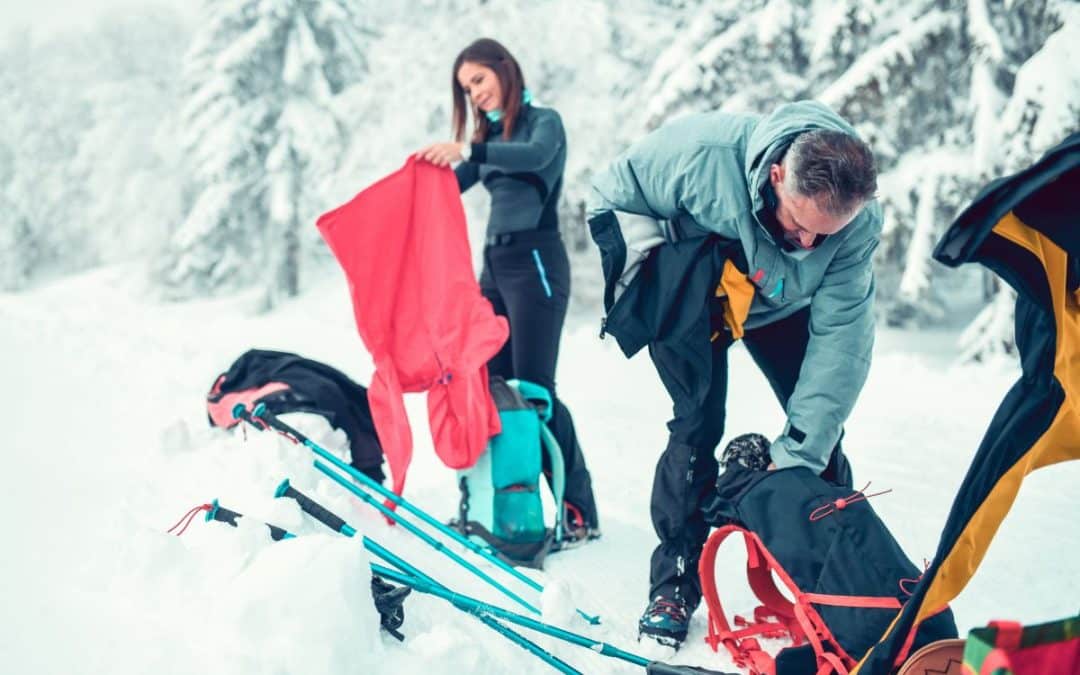
Credit: www.merecyclers.com
Seasonal Maintenance
Seasonal maintenance keeps your outdoor gear ready for any adventure. Cleaning, inspecting, and storing gear properly protect it from damage. This care extends the life of your equipment and ensures safety on trips. Each season brings different conditions, so adjust your maintenance accordingly.
Yearly Deep Cleaning
Deep clean your gear once a year. Remove dirt, mud, and grime carefully. Use mild soap and warm water for most items. Avoid harsh detergents that damage fabrics or coatings. Dry gear completely before storing to prevent mold. Clean zippers and seams to keep them functional. This step restores gear performance and appearance.
Preparing Gear For Off-season
Prepare gear before storing it for months. Check for repairs like tears or broken parts. Remove batteries from electronic devices. Store sleeping bags and tents in dry, cool places. Use breathable bags to avoid moisture buildup. Keep gear away from direct sunlight and pests. Proper storage prevents damage and keeps gear fresh.
Inspecting Before Trips
Inspect gear before every trip. Look for wear, holes, or weak spots. Test zippers, straps, and buckles for smooth operation. Check waterproof coatings for signs of wear. Replace or repair damaged items immediately. Pack only clean and dry gear to avoid issues outdoors. This step ensures safety and comfort during your adventure.
Frequently Asked Questions
How To Clean Outdoor Gear?
Clean outdoor gear by brushing off dirt and spot-cleaning with water only. Avoid detergents to protect waterproof coatings. Use specialized cleaners for tough stains. Air dry gear completely before storage to prevent mold and damage. Regular cleaning extends gear life and performance.
How To Organize Your Outdoor Gear?
Sort gear by type and use. Clean and dry items before storing. Use labeled containers and vertical space. Store in a cool, dry area. Regularly declutter and maintain your gear.
How Do You Maintain Fishing Gears?
Rinse fishing gear gently with fresh water after use, avoiding high pressure. Air dry rods and reels thoroughly. Remove spincast reel caps to clean inside. Wipe with a soft cloth to prevent corrosion and store in a dry place.
Is It Okay To Store Camping Gear In The Garage?
Storing camping gear in a dry, cool garage is fine. Avoid humid or hot conditions to prevent mold and damage. Keep waterproof items indoors to maintain their quality. Regularly clean and dry gear before storage to extend its lifespan.
Conclusion
Taking care of your outdoor gear saves money and extends its life. Clean and dry items after every use to prevent damage. Store gear in a cool, dry place away from direct sunlight. Check for wear and tear regularly to fix small issues early.
Simple habits keep your gear ready for your next adventure. Keep maintenance part of your routine for the best outdoor experience.