Outdoor Safety Basics: Essential Tips for Staying Safe Outdoors
When you step outside, whether for a quick walk, a family outing, or an adventurous hike, your safety should always come first. Outdoor safety basics aren’t just rules—they’re simple habits that protect you and those you care about from common risks.
Imagine feeling confident and prepared every time you enjoy nature, knowing you’ve taken the right steps to avoid danger. This article will guide you through easy-to-follow tips that keep your outdoor experiences safe and fun. Ready to discover how small actions can make a big difference in your safety?
Keep reading to learn essential outdoor safety basics that you can start using today.
Prepare For Weather
Preparing for weather is a key step in staying safe outdoors. Weather changes can happen fast. Being ready helps avoid discomfort and dangers. Knowing what to expect allows you to pack and dress properly. This preparation keeps you comfortable and protected during your adventure.
Check Forecasts
Always check the weather forecast before going outside. Look for temperature, rain, wind, and other alerts. Plan your trip around the expected conditions. Update yourself regularly, as forecasts can change quickly. This helps you stay ready for sudden weather shifts.
Dress For Conditions
Wear clothes that fit the weather you will face. Choose layers for cold or variable temperatures. Light, breathable fabrics work well in heat. Waterproof jackets protect against rain and wind. Proper footwear prevents slips and keeps feet dry.
Use Sunscreen And Hats
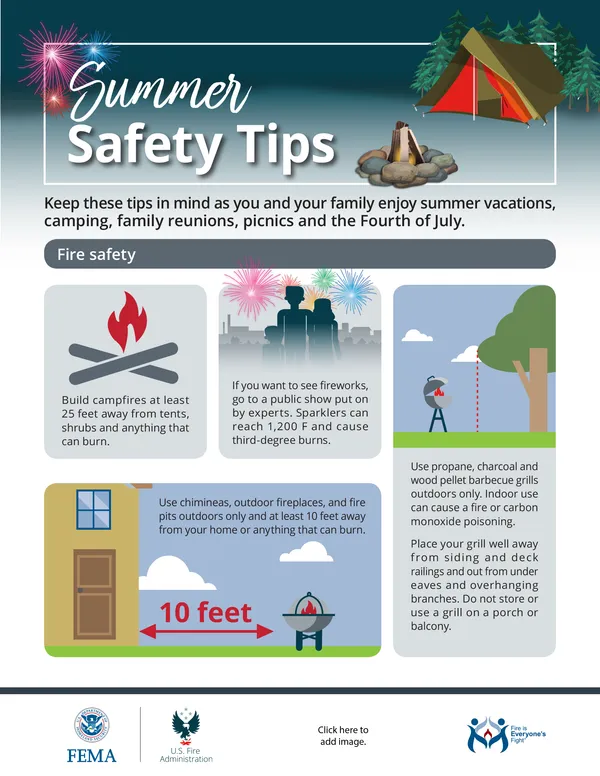
Sun exposure can cause burns and skin damage. Apply sunscreen with at least SPF 30 before going out. Reapply every two hours or after sweating or swimming. Wear wide-brimmed hats to shield your face and neck. Sunglasses protect your eyes from harmful rays.
Credit: www.usfa.fema.gov
Stay Hydrated
Staying hydrated is a key part of outdoor safety. Water keeps your body cool and helps it work well. Without enough water, you risk serious health problems. Always make hydration a top priority during outdoor activities.
Carry Enough Water
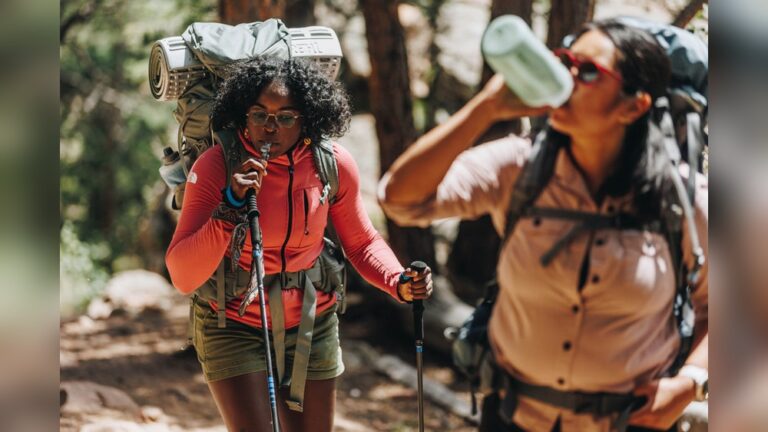
Bring more water than you think you need. Plan for at least one liter per hour of activity. Use a sturdy water bottle or hydration pack for easy access. Check water sources on your route and carry a filter if needed.
Recognize Dehydration Signs
Know the signs of dehydration to act fast. Watch for dry mouth, dizziness, and headache. Feeling tired or weak is also a warning. If you notice these, stop and drink water immediately. Early action prevents serious issues.
Use Cooling Accessories
Cooling accessories help reduce heat and keep you comfortable. Use wet neck towels or cooling scarves to lower body temperature. Cooling vests can also help during intense heat. These tools support hydration and improve safety outdoors.
Manage Wildlife Risks
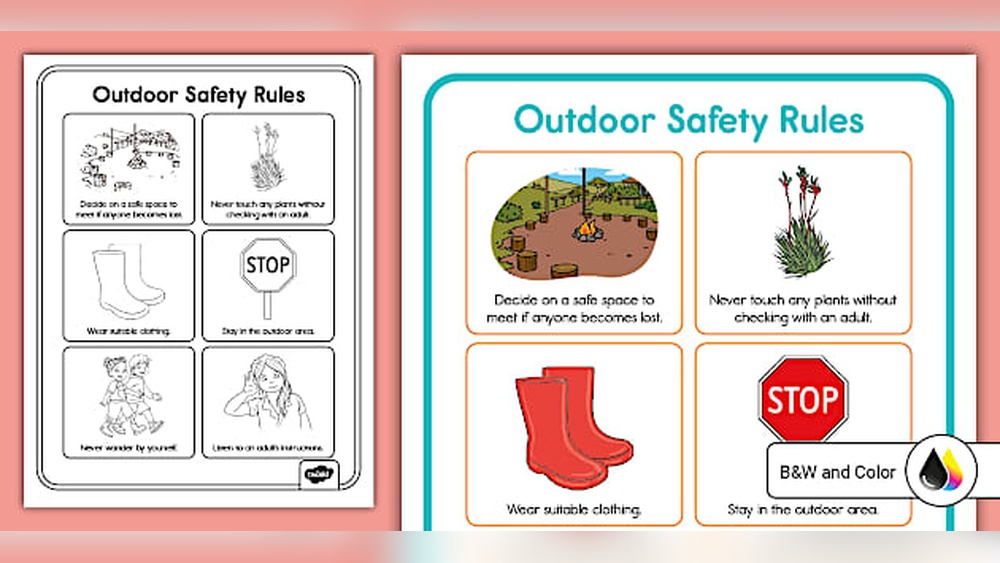
Managing wildlife risks is essential for a safe outdoor experience. Wild animals and insects can cause harm if not treated with care. Knowing how to avoid bites, respect animals, and store food properly helps reduce dangers. These steps protect you and local wildlife.
Avoid Insect Bites
Insects can carry diseases and cause painful bites. Wear long sleeves and pants to cover your skin. Use insect repellent on exposed areas. Avoid standing water where mosquitoes breed. Check your body for ticks after outdoor activities. Remove ticks carefully to prevent infections.
Respect Wild Animals
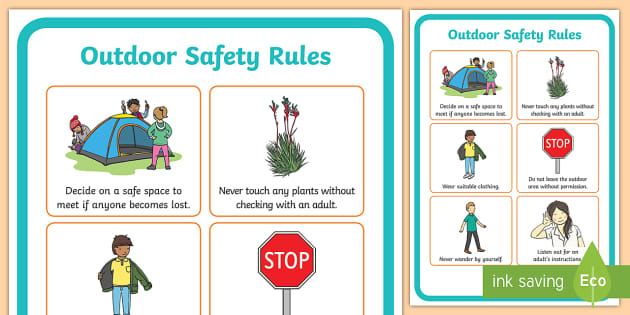
Wild animals can be unpredictable and dangerous. Keep a safe distance and never try to feed them. Avoid loud noises that may startle animals. Observe animals quietly and calmly. Stay on marked trails to reduce encounters. Remember, wild animals are not pets.
Store Food Safely
Proper food storage prevents attracting wildlife to your campsite. Use sealed containers or bear-proof lockers if available. Do not leave food scraps or trash outside. Clean cooking areas thoroughly after use. Store food away from sleeping areas. This keeps animals away and protects you.
Credit: www.twinkl.com
Use Proper Gear
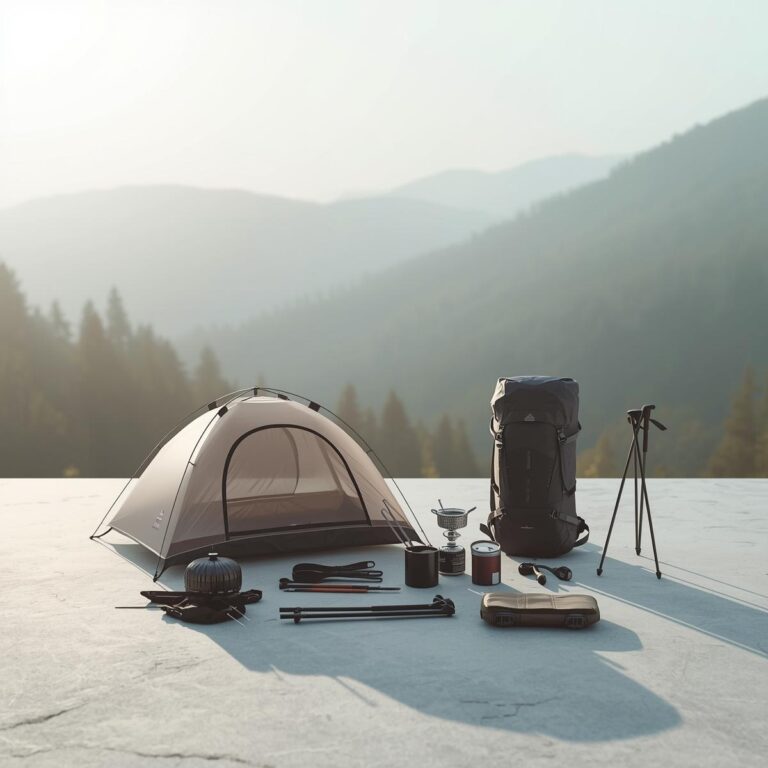
Using proper gear is essential for outdoor safety. It protects you from weather changes and rough terrain. Proper gear helps prevent injuries and keeps you comfortable. Choosing the right items makes your adventure safer and more enjoyable.
Wear Appropriate Clothing
Wear clothes that fit the weather and activity. Use layers for cold weather to stay warm and dry. Choose light, breathable fabrics for hot days to avoid overheating. Bright colors increase visibility in nature. Avoid cotton in wet conditions as it holds moisture.
Bring Safety Equipment
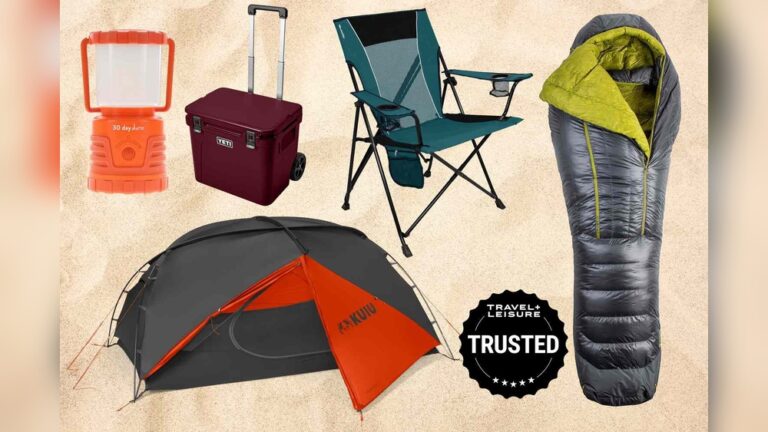
Carry a first aid kit for minor injuries. A whistle helps signal for help in emergencies. Pack a map and compass to avoid getting lost. Use sunscreen and insect repellent to protect your skin. Always bring enough water and snacks to stay energized.
Maintain Footwear
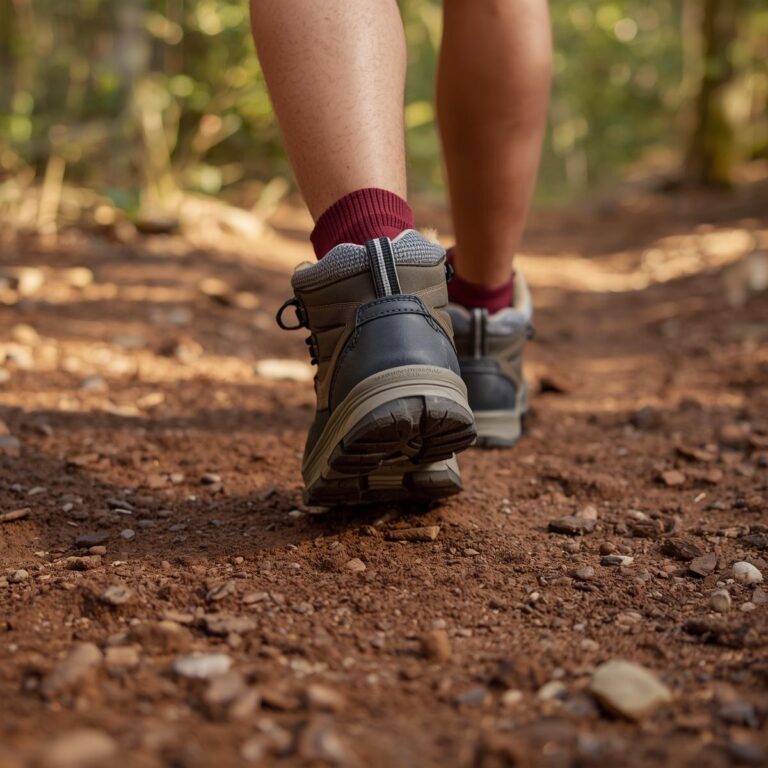
Wear sturdy shoes with good grip to prevent slips. Check your boots for wear before trips. Replace worn soles to keep traction strong. Break in new shoes before long hikes to avoid blisters. Keep shoes clean and dry to extend their life.
First Aid Essentials
First aid knowledge is vital for outdoor safety. It helps you manage injuries and illnesses promptly. Having the right tools and skills can prevent minor issues from becoming serious.
Being prepared means carrying a first aid kit and knowing simple treatments. Staying calm and acting correctly during emergencies improves safety for everyone involved.
Pack A First Aid Kit
Always carry a basic first aid kit on outdoor trips. Include bandages, antiseptic wipes, adhesive tape, and pain relievers. Add tweezers, scissors, and gloves for more care options. Keep the kit lightweight but well-stocked. Check supplies before every adventure and replace used or expired items.
Know Basic Treatments
Learn how to treat common outdoor injuries. Clean cuts and scrapes immediately to stop infection. Use cold packs to reduce swelling from sprains or bruises. Know how to handle insect bites and stings safely. Practice simple CPR and wound care skills regularly. This knowledge helps you act fast and correctly.
Handle Emergencies
Stay calm during emergencies and assess the situation quickly. Call for help if injuries seem serious or life-threatening. Provide first aid within your skill level and avoid moving injured persons unnecessarily. Use your first aid kit supplies wisely. Keep communicating with emergency responders and follow their instructions carefully.
Plan Your Activities
Planning your outdoor activities carefully helps keep you safe and enjoy your time outside. It reduces risks and prepares you for unexpected situations. A good plan includes sharing your plans, understanding your path, and knowing when to stop.
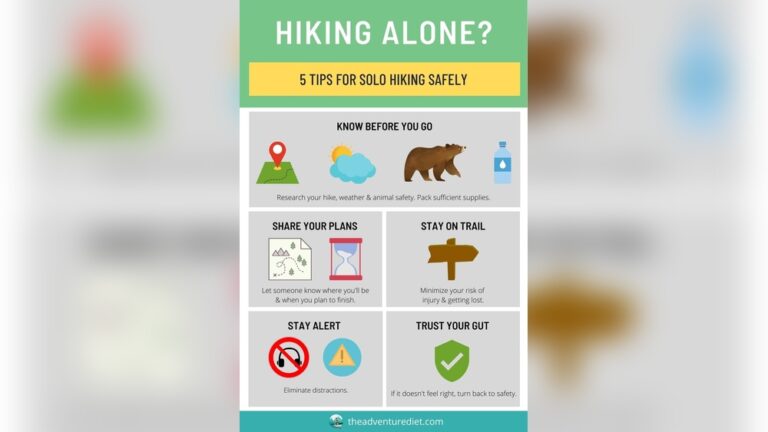
Inform Someone Of Plans
Tell a friend or family member where you will go. Share your expected return time and route. This way, someone knows where to find you if needed. It adds a safety layer and peace of mind.
Know Your Route
Study your path before heading out. Use maps or GPS devices to avoid getting lost. Check for any hazards or difficult areas on the way. Knowing the route helps you stay on track and safe.
Set Time Limits
Decide how long your activity will last. Set a clear start and end time for your trip. This helps avoid being out after dark or in bad weather. Stick to your limits to keep your adventure safe and fun.
Avoid Environmental Hazards
Outdoor adventures bring excitement and fresh air, but they also come with risks. Avoiding environmental hazards is key to staying safe. Knowing what dangers to watch for helps you enjoy nature without trouble.
Watch For Poisonous Plants
Poisonous plants can cause rashes, itching, or worse. Learn to spot poison ivy, poison oak, and poison sumac. These plants have leaves in groups of three. Avoid touching them with bare skin. Carry a guidebook or use a plant ID app. Wash skin immediately if contact happens. This prevents irritation and infections.
Stay Clear Of Tall Grass
Tall grass hides ticks and snakes. Ticks carry diseases like Lyme disease. Snakes may bite if startled. Wear long pants and boots when walking through grass. Use insect repellent on skin and clothes. Check your body and clothes for ticks after outdoor time. Remove ticks quickly and carefully to reduce risks.
Be Aware Of Terrain
Uneven ground and slippery rocks cause falls. Watch your step on trails and near water. Avoid loose stones or wet surfaces. Use a walking stick for balance on rough paths. Pay attention to steep slopes and cliffs. Take your time and choose safe routes. Staying alert helps prevent injuries in nature.
Practice Water Safety
Water activities bring fun and relaxation during outdoor adventures. Staying safe in and around water is crucial for everyone. Practicing water safety helps prevent accidents and saves lives. Simple habits make a big difference near lakes, rivers, or pools.
Swim In Designated Areas
Always swim in areas marked safe by lifeguards or signs. These places are checked for hazards like strong currents or underwater obstacles. Swimming in safe zones reduces risks of drowning and injuries. Avoid swimming in unknown or restricted water.
Use Life Jackets
Wear life jackets whenever near deep water, especially for kids or weak swimmers. Life jackets keep you afloat and help in emergencies. Choose a properly fitted jacket approved by safety standards. Life jackets increase safety on boats, docks, or during water sports.
Avoid Slippery Surfaces
Wet rocks, docks, and pool edges become slippery and dangerous. Walk carefully and wear shoes with good grip near water. Avoid running or jumping on slick surfaces to prevent falls. Staying alert helps keep you safe and injury-free around water.
Prevent Heat-related Illness
Preventing heat-related illness is crucial for anyone spending time outdoors. High temperatures can quickly lead to dehydration, heat exhaustion, or heat stroke. These conditions affect your health and ruin your outdoor experience. Taking simple steps can keep you safe and comfortable under the sun.
Take Shade Breaks
Rest in shaded areas often to cool your body. Avoid direct sunlight during the hottest parts of the day. Find trees, shelters, or use a portable shade tent. Frequent breaks reduce your risk of overheating and dehydration.
Wear Cooling Gear
Choose light-colored, loose clothing to reflect sunlight. Use hats with wide brims to protect your face and neck. Cooling towels or neck scarves soaked in water help lower body temperature. These items keep you cooler for longer periods outdoors.
Monitor Physical Condition
Watch for signs of heat illness like dizziness, headache, or nausea. Check your skin for unusual redness or sweating patterns. Stop activities and seek shade immediately if symptoms appear. Drink water regularly to stay hydrated and alert.

Credit: uabstvincents.org
Electrical Safety Outdoors
Electrical safety outdoors is crucial for preventing accidents and injuries. Electricity and moisture do not mix well. Taking simple precautions keeps you safe while using electrical devices outside. Always respect electrical power and stay alert around outlets and cords.
Keep Equipment Dry
Water and electricity cause dangerous shocks. Keep all electrical tools and devices dry. Store equipment in covered areas away from rain or sprinklers. Dry your hands before touching plugs or switches. Use a dry cloth to wipe wet surfaces before use.
Avoid Wet Electrical Sources
Never touch electrical outlets or cords with wet hands. Avoid standing in puddles when handling electricity. Keep cords and plugs away from pools, fountains, and wet grass. Turn off power before fixing or moving outdoor electrical devices. Wet conditions increase the risk of electric shock.
Use Outdoor-rated Devices
Outdoor-rated devices have extra protection against weather. Choose plugs, cords, and tools labeled for outdoor use. These devices resist moisture, dirt, and temperature changes. Using indoor devices outside can cause short circuits or fires. Check for damage regularly and replace worn equipment immediately.
Frequently Asked Questions
What Are The Essential Outdoor Safety Basics?
Essential outdoor safety basics include staying hydrated, wearing sunscreen, and appropriate clothing. Always carry a first aid kit. Be aware of your surroundings and weather conditions. Inform someone about your plans before heading outdoors.
How Can I Prevent Dehydration Outdoors?
To prevent dehydration, drink water regularly before feeling thirsty. Avoid excessive caffeine and alcohol. Take breaks in shaded areas to cool down. Eat water-rich fruits and monitor your urine color for hydration levels.
What Clothing Is Best For Outdoor Safety?
Wear lightweight, breathable, and light-colored clothing to reflect sunlight. Use a wide-brimmed hat for sun protection. Choose sturdy shoes suitable for the terrain. Layer clothing to adjust to changing weather conditions.
Why Is Sunscreen Important For Outdoor Activities?
Sunscreen protects your skin from harmful UV rays that cause sunburn and skin damage. Apply broad-spectrum sunscreen with SPF 30 or higher. Reapply every two hours or after sweating or swimming.
Conclusion
Staying safe outdoors starts with simple, smart choices. Always carry water and dress for the weather. Check your surroundings and avoid risky areas. Protect your skin with sunscreen and wear a hat. Know basic first aid and keep emergency contacts handy.
Remember, small steps make your outdoor fun safer. Enjoy nature while staying alert and prepared. Safety is your best companion on every adventure.