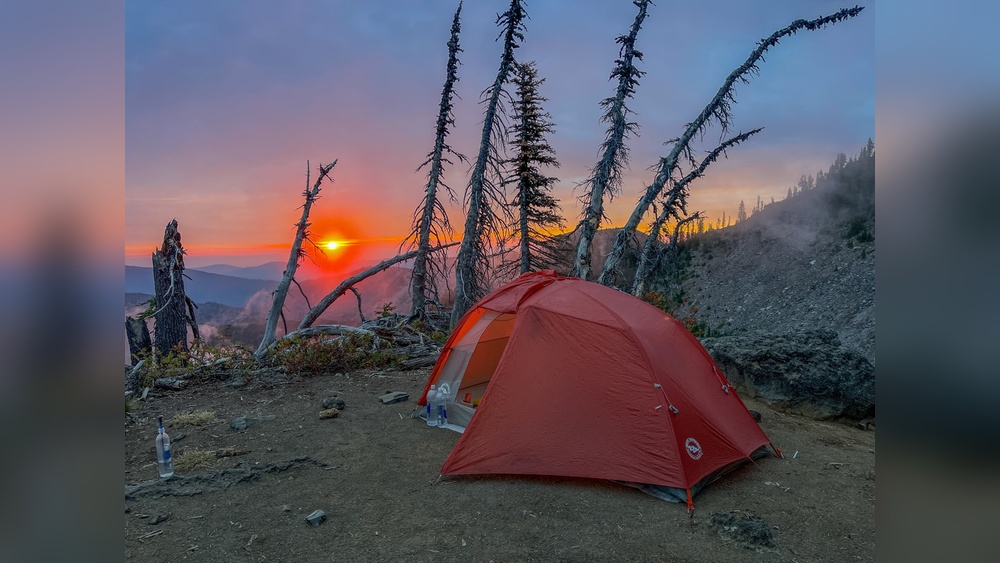
Safety Tips for Backpacking Tent, Essential Guide for Safe Camping
When you’re out in the wilderness with your backpacking tent, safety should be your top priority. Imagine waking up to a peaceful morning, knowing your shelter is secure and you’re protected from unexpected dangers.
But how do you make sure your tent setup keeps you safe from weather, wildlife, and other risks? You’ll discover simple yet powerful safety tips that can make a huge difference on your trip. Whether you’re new to backpacking or a seasoned adventurer, these easy-to-follow guidelines will help you enjoy your outdoor experience with confidence and peace of mind.
Keep reading to learn how to protect yourself and your gear every step of the way.

Credit: www.myoutdoorjoy.com
Choosing A Safe Campsite
Choosing a safe campsite is crucial for a secure backpacking experience. A well-chosen spot protects you from natural dangers. It also helps you enjoy your trip without worry. Safety starts with the right location. Look for flat ground away from risks. Pay attention to your surroundings before setting up your tent.
Avoiding Hazardous Areas
Stay clear of steep cliffs and unstable slopes. Avoid dry riverbeds that can flood suddenly. Check for loose rocks or falling branches above your site. Do not camp near dead trees or dense bushes. These areas pose risks during wind or storms. Pick a spot with good drainage to avoid water pooling.
Checking Weather Conditions
Always review the weather forecast before camping. Strong winds and heavy rain can damage tents. Avoid low areas prone to flooding during rain. High temperatures call for shade and ventilation. Cold weather needs protection from wind chill. Adjust your campsite choice based on expected weather changes.
Keeping Distance From Wildlife
Set up your tent far from animal trails and feeding spots. Avoid camping near water sources used by wildlife. Store food securely away from your sleeping area. This reduces chances of attracting animals to your tent. Respect wildlife space to keep safe and undisturbed.

Credit: koa.com
Setting Up Your Tent Safely
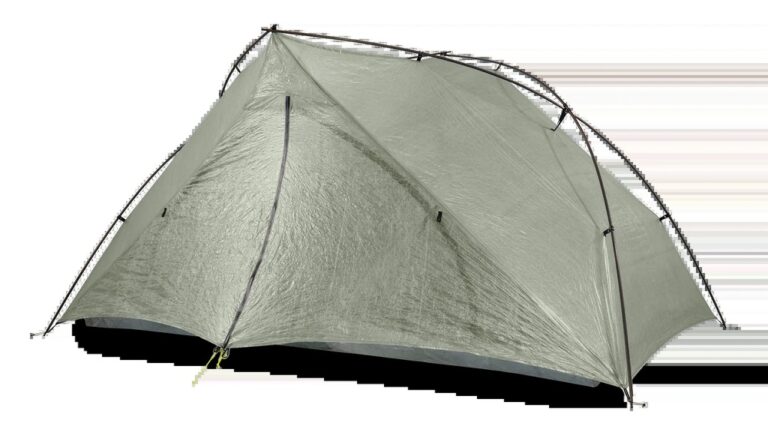
Setting up your tent safely is crucial for a comfortable and secure backpacking trip. Proper placement and anchoring reduce risks from weather and terrain. Follow simple steps to ensure your tent stays stable and safe throughout your adventure.
Selecting Flat And Dry Ground
Choose a flat spot to pitch your tent. Uneven ground can cause discomfort and make your tent unstable. Avoid low areas that collect water during rain. Dry ground helps keep you warm and prevents damage to your tent floor.
Avoiding Overhead Power Lines
Never set up your tent under power lines. These lines can be dangerous during storms or strong winds. Avoid any tall structures with electrical wires nearby. Find a clear area that keeps you away from potential hazards.
Proper Tent Anchoring
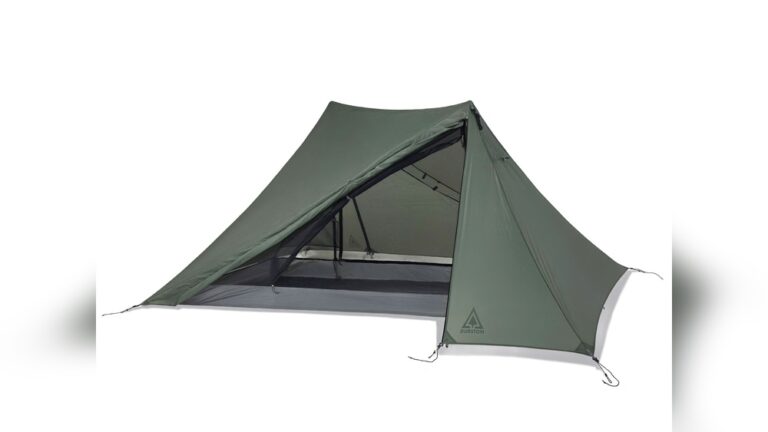
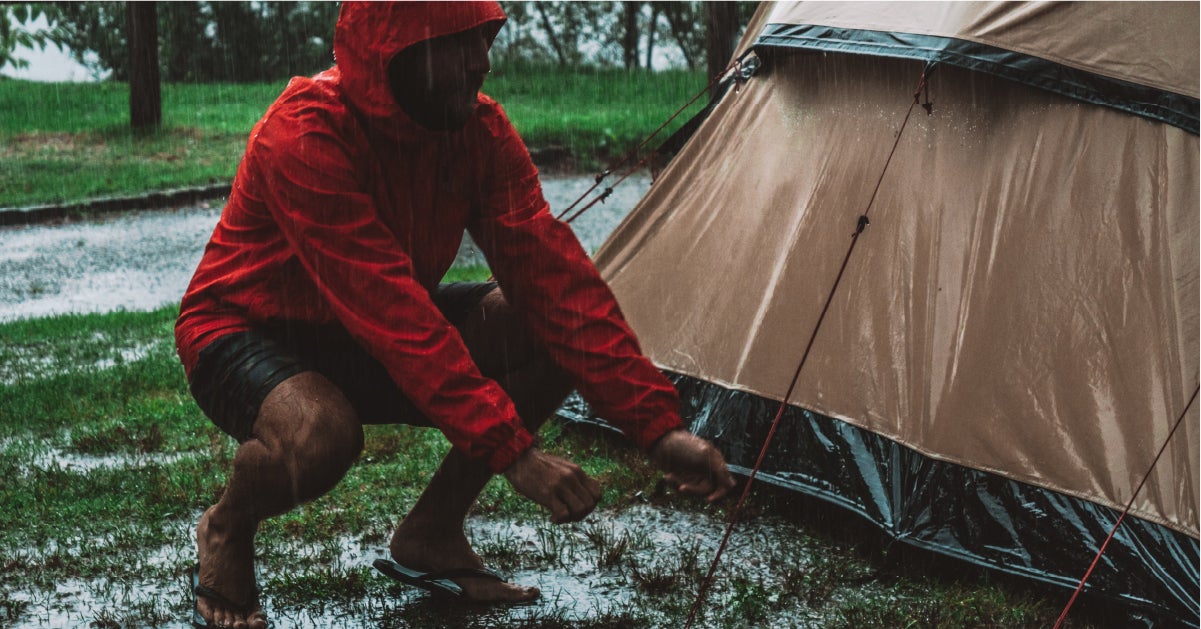
Secure your tent with stakes and guylines. Firm anchoring prevents your tent from blowing away in wind. Push stakes fully into the ground at an angle. Tighten guylines to add extra stability and support.
Fire And Cooking Safety
Fire and cooking safety are crucial when backpacking with a tent. Fires can cause serious accidents and harm the environment. Careful handling of cooking gear protects you and nearby campers. Follow simple rules to keep your campsite safe and enjoyable.
Using Designated Fire Rings
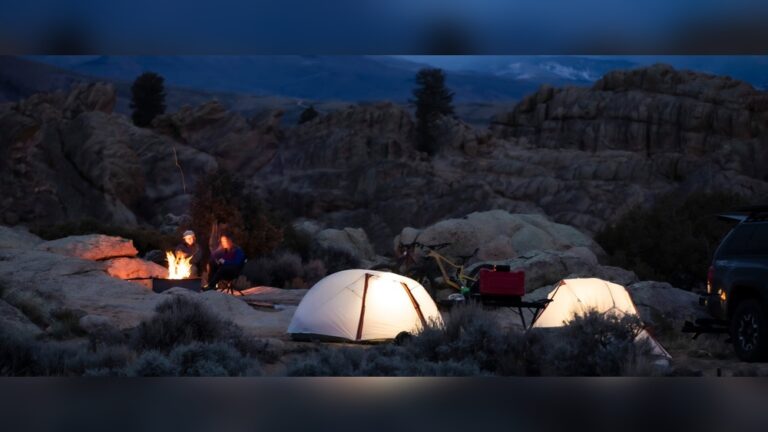
Always build your campfire inside marked fire rings. These rings help contain flames and prevent wildfires. Clear the area around the ring of leaves and twigs. Avoid making fires during dry, windy days. Extinguish fires fully before sleeping or leaving.
Safe Placement Of Stoves And Lanterns
Set stoves and lanterns on flat, stable surfaces away from tents. Keep flammable materials like sleeping bags and backpacks far from heat sources. Use only fuel recommended by the stove manufacturer. Never leave stoves or lanterns unattended while lit. Turn off all equipment before entering your tent.
Managing Food To Avoid Wildlife
Store food in sealed containers to block smells that attract animals. Keep food away from your tent, ideally in a bear-proof locker or hung high in a tree. Clean all cooking utensils and pack out scraps. Avoid eating inside your tent to prevent unwanted visitors. Respect wildlife by managing food carefully.
Protecting Against Weather
Weather can change quickly during backpacking trips. Protecting your tent and yourself against harsh weather is vital. Proper precautions improve safety and comfort. Prepare your tent and gear to handle storms, rain, wind, and cold nights. Stay alert to weather signs and know how to react. Here are essential safety tips for protecting against weather while backpacking.
Lightning Safety Measures
Avoid camping under tall trees or near metal objects. Lightning often strikes the highest point in an area. Use a tent with no metal poles or store poles away from your body. Stay inside the tent during a thunderstorm and avoid touching metal gear. If caught outside, find low ground but avoid valleys and open fields. Keep a safe distance from water and metal fences.
Rain And Wind Protection
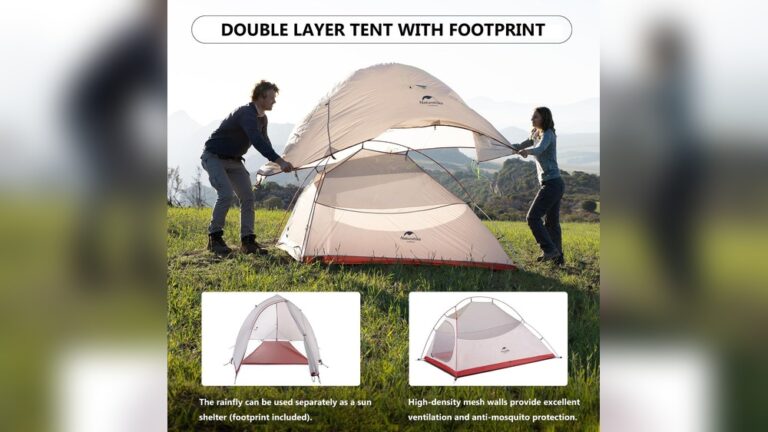
Choose a tent with a strong rainfly and sealed seams. Pitch your tent on high, flat ground away from water pools. Use guy lines and stakes to secure your tent tightly. Point the narrow end of your tent into the wind. Clear loose branches or debris above your site that could fall. Pack extra tarps to add shelter or ground cover for extra dryness.
Keeping Warm At Night
Wear layers of clothing to trap body heat. Use a sleeping bag rated for low temperatures. Add an insulated sleeping pad under your bag to block cold from the ground. Close tent vents and zippers to keep warm air inside. Drink warm fluids and eat a high-energy snack before bed. Avoid damp clothes and shoes inside your tent to reduce chill.
Gear And Equipment Safety
Keeping your gear and equipment safe during backpacking trips is crucial. Proper care helps prevent accidents and gear failure. You stay prepared and protected by following simple safety steps. This section covers key tips on lighting, charging electronics, and first aid supplies.
Proper Use Of Lighting Devices
Use headlamps and flashlights with fresh batteries. Avoid shining lights directly into others’ eyes. Turn off lights when not needed to save power. Keep extra bulbs and batteries in a dry place. Use lanterns safely by placing them on flat surfaces. Do not leave open flames unattended inside or near your tent.
Safe Charging Of Electronics
Charge devices during the day to avoid using power at night. Use waterproof and durable cables to prevent damage. Keep chargers away from water and damp areas. Avoid charging inside the tent to reduce fire risk. Use power banks with overcharge protection for safety. Disconnect electronics before going to sleep or leaving camp.
First Aid Kit Essentials
Carry a compact first aid kit with basic supplies. Include bandages, antiseptic wipes, and pain relievers. Pack tweezers and scissors for small injuries. Add blister treatment and allergy medication if needed. Store the kit in an easy-to-reach spot in your backpack. Check and restock items before every trip for readiness.
Credit: tristate.coop
Wildlife Precautions
Wildlife encounters can be exciting but also risky during backpacking trips. Proper wildlife precautions keep you safe and protect animals. Respecting nature and following safety rules help avoid dangerous situations. Staying alert and prepared reduces risks around your tent and campsite.
Storing Food Securely
Store food away from your tent to avoid attracting animals. Use bear-proof containers or hang food high in a tree. Keep all food smells sealed tightly in bags or containers. Never keep food inside your tent. This simple step reduces the chance of wildlife visits.
Avoiding Attractants In Tent
Keep your tent free from anything with strong smells. Avoid bringing snacks, toothpaste, or scented lotions inside. Clean up all food scraps and trash immediately. Use odor-proof bags for toiletries and trash. A clean tent discourages curious animals from coming close.
Dealing With Bear Encounters
Stay calm if you see a bear near your tent. Do not run or make sudden movements. Speak softly and slowly back away while facing the bear. Carry bear spray and know how to use it. Make yourself look bigger by raising your arms. Avoid eye contact but stay alert until the bear leaves.
Navigation And Communication
Navigation and communication are essential for safe backpacking. They help you stay on track and reach your destination. Good navigation tools prevent you from getting lost. Reliable communication allows you to call for help if needed. Always prepare these before your trip.
Using Maps And Gps
Carry a detailed map of the area you will explore. Learn how to read it clearly. GPS devices give accurate location information quickly. Use GPS as a backup to your map and compass. Check batteries and bring spares for your GPS device. Practice using both tools before your trip.
Emergency Communication Devices
Bring a whistle and a signal mirror for close-range alerts. A satellite messenger or personal locator beacon is vital for remote areas. These devices send your location to rescue teams. Make sure your device is charged and easy to access. Test it before hiking to avoid surprises.
Informing Others Of Your Plans
Tell a trusted person your route and expected return time. Update them if your plans change. Share details about your emergency contacts and devices. This helps rescue teams find you faster if needed. Never skip this step, even for short trips.
Personal Safety Tips
Backpacking with a tent is thrilling but requires careful personal safety measures. Staying safe means preparing your body and mind for outdoor challenges. Simple actions can protect you from harm and ensure a pleasant trip.
Wearing Appropriate Clothing
Choose clothes that suit the weather and terrain. Dress in layers for warmth and flexibility. Wear moisture-wicking fabrics to stay dry and comfortable. Avoid cotton as it holds sweat and chills the body. Use sturdy boots to protect your feet from rough paths and insects. Bright colors help others spot you in the wild.
Staying Visible At Night
Nighttime visibility is crucial for safety. Use reflective tape on your backpack and tent. Carry a headlamp or flashlight with extra batteries. Avoid walking near roads without light. Set up your tent in open spaces where light can reach. Staying visible reduces the risk of accidents and helps rescuers find you if needed.
Solo Camping Precautions
Solo camping needs extra caution and planning. Share your trip plan with a trusted person. Carry a fully charged phone and a power bank. Pack a whistle to signal for help if necessary. Choose safe, well-known campsites and avoid risky areas. Trust your instincts and stay alert at all times.
Frequently Asked Questions
What Are The 7 C’s Of Camping?
The 7 C’s of camping are: Cutting tool, Combustion device, Cover, Container, Cordage, Candle, and Cotton cloth. These essentials ensure safety and preparedness outdoors.
What Are The Safety Tips For Tent Camping?
Choose a safe, flat site away from water and power lines. Keep food outside to avoid wildlife. Use proper gear and first aid supplies. Never charge electronics inside the tent. Store generators and stoves away from sleeping areas. Always follow fire safety rules.
What Are The 10 Essentials For Backpacking?
The 10 backpacking essentials are: navigation tools, sun protection, insulation, illumination, first-aid kit, fire starter, repair kit, hydration system, food, and shelter. Carry these for safety, comfort, and survival on your trip.
Do Bears Rip Open Tents?
Bears can rip open tents searching for food or scented items. Never store food inside your tent to avoid attracting them. Use bear-proof containers and keep your campsite clean.
Conclusion
Keeping safety in mind makes backpacking more enjoyable and stress-free. Choose your tent spot carefully to avoid hazards. Always store food away from your sleeping area. Carry basic safety gear like a first-aid kit and flashlight. Check weather conditions before setting up camp.
Follow these simple tips to protect yourself and your gear. Stay alert and respect nature’s power during your trip. Safe backpacking means more fun and less worry on your adventure.