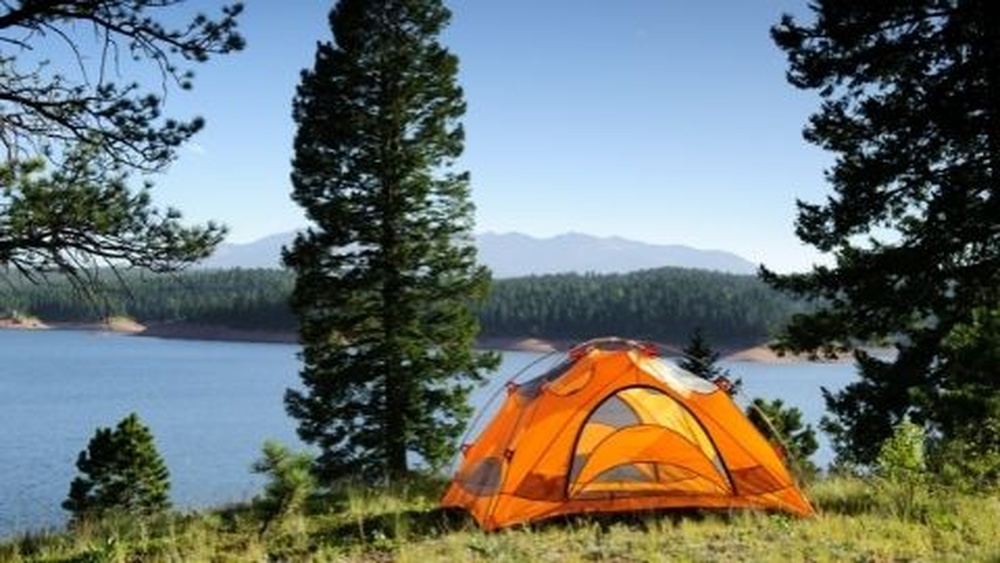
Safety Tips for Camp Tent: Essential Hacks for a Secure Stay
When you head out to set up your camp tent, your safety should be your top priority. Imagine enjoying the great outdoors, knowing you’ve taken simple steps to protect yourself and your gear.
Whether you’re a seasoned camper or trying tent camping for the first time, the right safety tips can make all the difference. You’ll discover easy-to-follow advice that keeps your tent secure, your belongings safe, and your camping experience worry-free. Ready to learn how to camp smart and safe?
Let’s dive in!
Tent Setup Safety
Setting up a tent safely is crucial for a secure camping experience. Proper tent setup prevents accidents and ensures comfort. It starts with careful planning and attention to your surroundings. Follow these key safety tips for tent setup to enjoy your outdoor adventure without worry.
Choose Safe Location
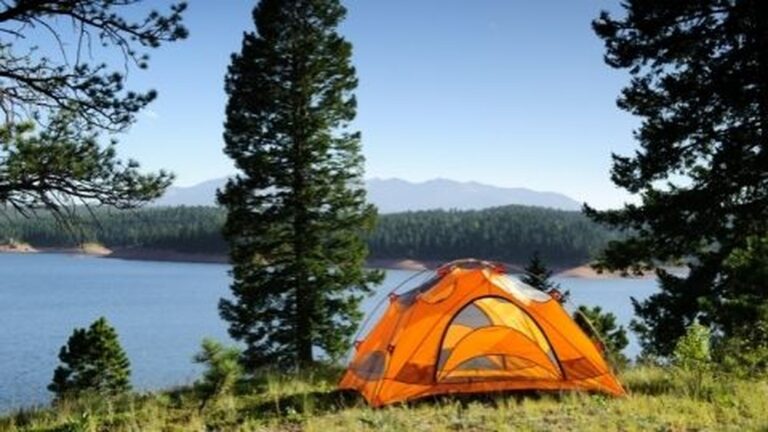
Select a flat, dry area for your tent. Avoid low spots that collect water during rain. Check the ground for sharp rocks or sticks that could damage your tent floor. Look for natural wind barriers like trees or hills. These reduce wind impact and keep your tent stable.
Avoid Hazardous Areas
Stay away from areas near cliffs or steep slopes. Do not pitch your tent under dead branches or loose rocks. Avoid camping near rivers or lakes prone to flooding. Keep clear of animal trails and insect nests. These places increase risk and disrupt wildlife.
Secure Tent Properly
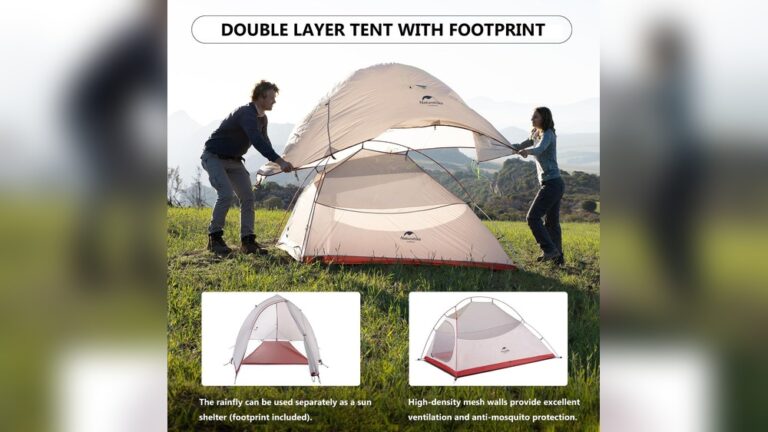
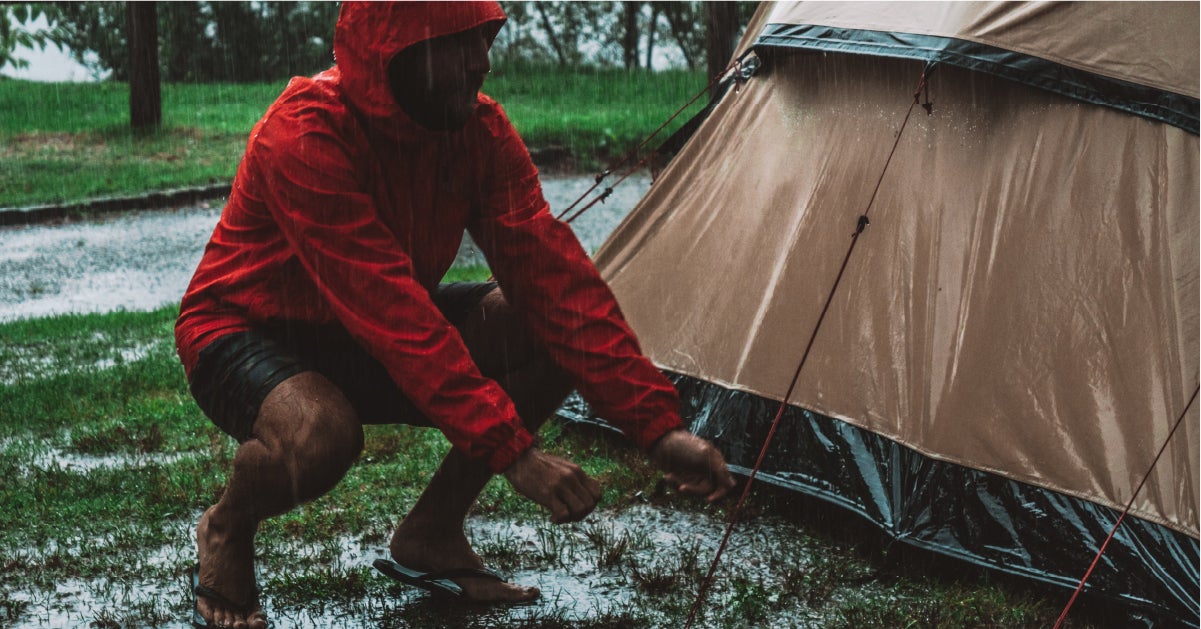
Use all tent stakes to anchor your tent firmly. Drive stakes deep into the ground at an angle for better hold. Tighten all ropes and guy lines to prevent flapping in the wind. Check your tent regularly and adjust if needed. Proper securing keeps your tent safe in changing weather.
Fire And Lighting
Fire and lighting are essential for a safe and comfortable camping experience. Proper handling reduces risks and protects everyone around your tent. Following clear safety steps helps prevent accidents and damage.
Safe Campfire Practices
Choose a safe spot away from tents and dry brush. Clear the area of leaves and twigs. Build a ring of stones to contain the fire. Keep water or sand nearby to put out flames fast. Never leave the fire unattended. Fully extinguish the fire before sleeping or leaving the site. Avoid using flammable liquids to start or speed up the fire.
Use Of Lanterns And Stoves
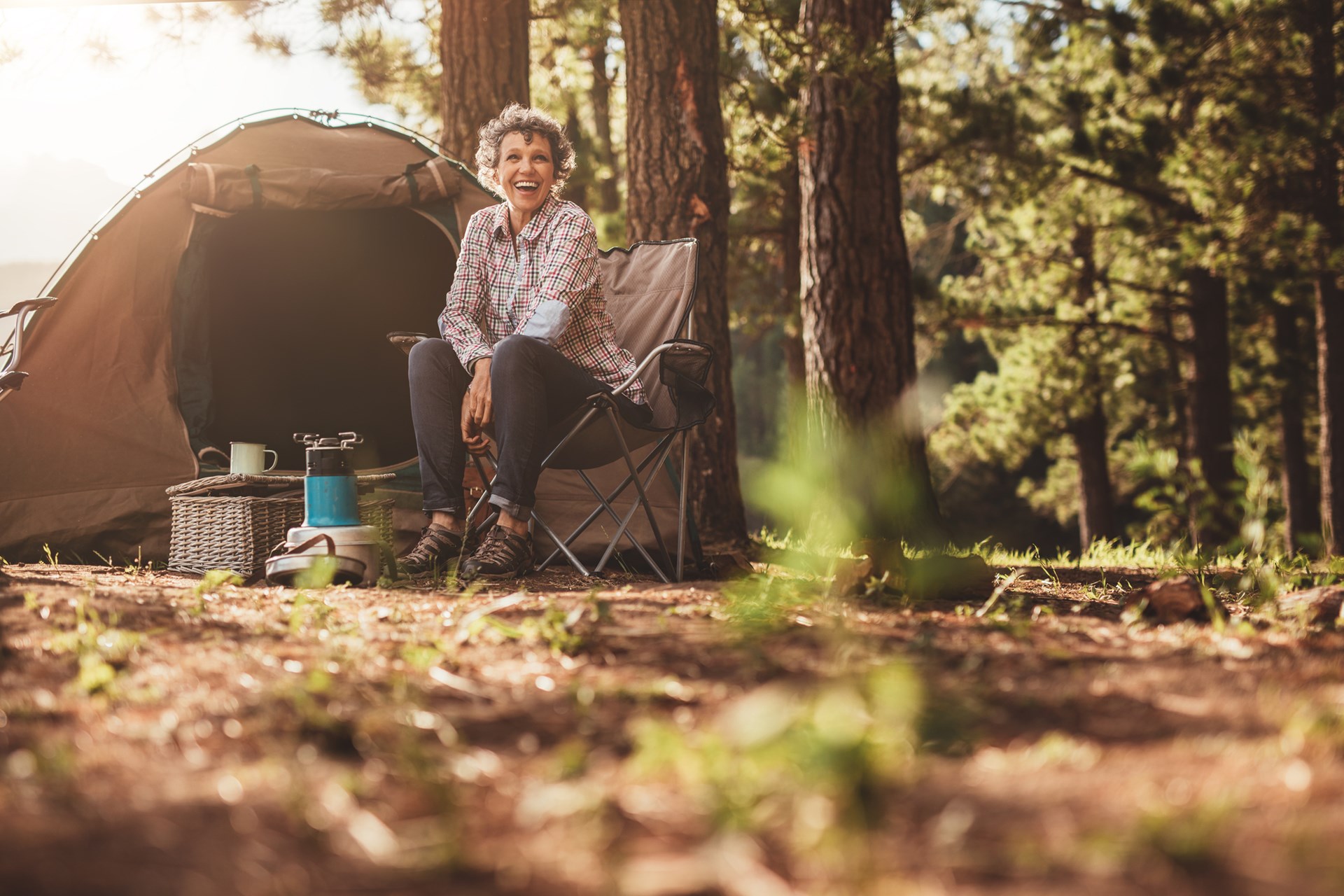
Use lanterns and stoves outside the tent to avoid fire hazards. Place them on flat, stable surfaces. Check for leaks or damage before lighting. Keep them away from flammable materials and tent walls. Turn off stoves and lanterns before going to bed. Use battery-powered lights inside the tent for safer illumination.
Lightning Protection Tips
Avoid camping under tall trees or open fields during storms. Seek low ground and avoid metal objects like poles or bikes. Stay inside your tent but keep away from walls touching the ground. Disconnect electronic devices to reduce shock risk. Wait 30 minutes after the last thunder before leaving shelter. Always check weather forecasts before camping.
Wildlife Precautions
Camping near wildlife requires special care to stay safe and protect animals. Animals are curious and can be attracted to smells from your tent. Taking precautions reduces risks and keeps your campsite secure. Follow simple steps to avoid unwanted animal encounters.
Store Food Securely
Keep all food in sealed containers or bear-proof canisters. Store food away from your tent, at least 100 feet if possible. Avoid leaving scraps or wrappers near your sleeping area. Dispose of trash in animal-proof bins or pack it out. This stops wildlife from coming close to your site.
Bear And Animal Deterrents
Carry bear spray or animal deterrent spray when camping in wildlife areas. Learn how to use it before your trip. Hang food and scented items high in trees to keep animals out of reach. Use metal lockers or bear boxes if available at the campsite. These tools help keep dangerous animals at a safe distance.
Noise Makers And Alerts
Make noise while hiking or moving around camp to warn animals of your presence. Use bells, whistles, or talk loudly to avoid surprising wildlife. At night, consider setting up noise makers near your tent. These alerts discourage animals from approaching silently. Staying audible helps prevent sudden encounters.
Credit: www.etsy.com
Personal Security
Personal security is a key part of camping safely. Protecting yourself and your belongings helps you enjoy your trip without worry. Simple steps can keep your tent and gear safe from theft or harm. Staying alert and prepared improves your camping experience. Here are some easy tips for personal security in your camp tent.
Keep Valuables Hidden
Always store your valuables out of sight. Use bags or containers that blend with your tent’s interior. Avoid leaving electronics, money, or important documents where others can see them. Keep items zipped in backpacks or locked boxes. Hidden valuables reduce the chance of theft while you sleep or are away.
Use Tent Zipper Hacks
Secure your tent zippers to prevent easy opening. Tie the zipper pulls together with a small lock or a sturdy clip. This simple trick stops strangers from slipping into your tent unnoticed. It also shows you care about your safety. Check your zippers often and fix any damage to keep them working well.
Safety In Numbers
Camp with friends or family whenever possible. A group is safer than being alone. People can watch out for each other and share the load. Noise and activity from a group also discourage wildlife and strangers from approaching. Plan group activities and keep close at night to boost your personal security.
Emergency Preparedness
Emergency preparedness is key for a safe camping experience. It helps you handle unexpected situations calmly. Being ready can prevent small issues from becoming big problems. Prepare your camp tent area with safety in mind. Think ahead about possible emergencies and how to respond.
First Aid Kit Essentials
Always carry a well-stocked first aid kit. Include bandages, antiseptic wipes, and pain relievers. Pack tweezers, scissors, and allergy medication. Add items for blisters, insect bites, and minor cuts. Check your kit before each trip to replace used or expired supplies. Keep it accessible and know how to use each item.
Communication Plans
Set a clear communication plan with your group. Agree on meeting points and check-in times. Carry a fully charged mobile phone or a satellite device. Know the nearest emergency contact numbers. Share your camping location with someone not on the trip. This ensures help can reach you quickly if needed.
Trust Your Instincts
Your instincts can alert you to danger before it happens. Stay aware of your surroundings at all times. If something feels wrong, move to a safer place. Avoid risky areas or situations that make you uncomfortable. Trusting your gut helps you avoid many camping hazards. Always prioritize your safety over convenience.
Environmental Care
Taking care of the environment is vital when camping with a tent. Protecting nature helps keep camping spots clean and safe for everyone. Small actions can make a big difference. Respecting the surroundings shows care for plants, animals, and fellow campers. Here are some key ways to practice environmental care during your camping trip.
Leave No Trace Principles
Follow the Leave No Trace principles to reduce your impact on nature. Pack out everything you bring in, including trash and leftover food. Stay on marked trails and avoid trampling plants. Camp on durable surfaces like rock or gravel to protect soil and vegetation. Leave natural objects and cultural items as you find them. These steps keep the environment healthy and beautiful for future visitors.
Waste Disposal Methods
Dispose of waste properly to prevent pollution and harm to wildlife. Use designated trash bins if available. Carry a small bag to collect your garbage if bins are not nearby. For human waste, use restroom facilities or dig a small hole at least 200 feet from water sources. Pack out used toilet paper and hygiene products. Never burn plastic or other harmful materials. Good waste habits protect the land and water quality.
Respect For Nature And Others
Respect wildlife by observing from a distance. Do not feed animals or disturb their habitats. Keep noise levels low to avoid stressing animals and other campers. Control pets to prevent them from chasing wildlife or bothering others. Give space to other campers and avoid overcrowding. Showing respect ensures a peaceful and enjoyable experience for all.
Gear And Equipment
Having the right gear and equipment is key to a safe camping trip. Quality tools and proper use keep you prepared and protected. Always check your gear before heading out. Well-maintained equipment reduces risks and makes your experience smoother.
Essential Survival Tools
Carry basic survival tools in your tent. A reliable knife helps with many tasks. Fire starters like waterproof matches or lighters are vital. A flashlight or headlamp provides light at night. Pack a whistle to signal for help if needed. A first aid kit is a must-have for injuries.
Proper Use Of Camping Gear
Set up your tent on flat, dry ground. Avoid sharp objects that can damage the tent floor. Use tent stakes firmly to secure your shelter. Follow instructions for your stove and lantern carefully. Never cook inside the tent to avoid fire risks. Store food away from your sleeping area to keep animals away.
Charging And Power Safety
Charge devices before your trip to save power. Use power banks instead of open plugs near the tent. Avoid charging gear during bad weather, especially storms. Keep charging devices off the ground and dry. Turn off power sources when not in use. Use only camping-approved batteries and chargers.
Credit: tristate.coop
Credit: koa.com
Frequently Asked Questions
What Are The Safety Tips For Tent Camping?
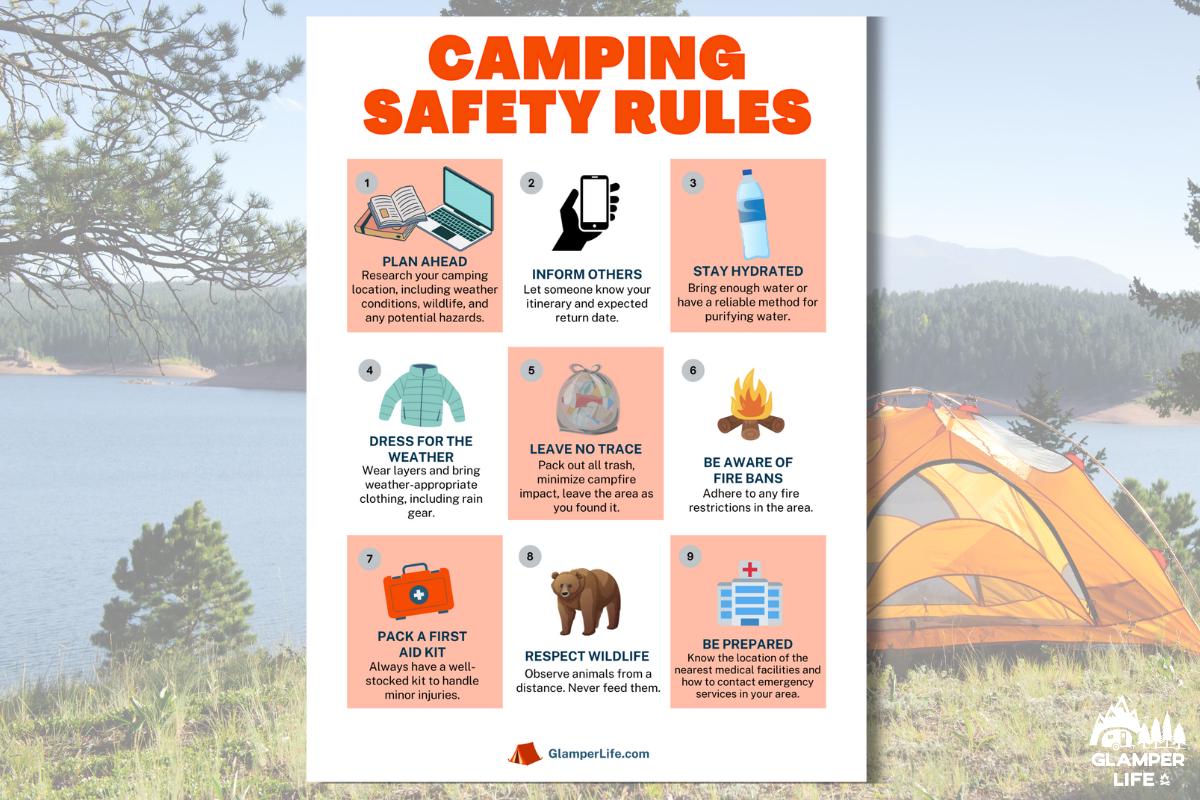
Choose a safe, flat campsite away from water and power lines. Store food securely to avoid wildlife. Keep a first aid kit handy. Maintain cleanliness and control fire safely. Inform someone of your location and camp with companions for added safety.
What Are The 7 C’s Of Camping?
The 7 C’s of camping are Care, Caution, Courtesy, Cleanliness, Cooperation, Conservation, and Common Sense. These guide safety, respect, and environmental protection during camping.
What Is The Rule 1 Of Camping?
The number one rule of camping is to leave no trace. Always protect nature by cleaning up and respecting the environment.
How To Secure Your Tent When Camping?
Secure your tent by staking it firmly into the ground. Use guy lines to stabilize against wind. Keep valuables hidden inside. Choose a flat, durable surface away from hazards. Check all zippers and closures to prevent unwanted entry.
Conclusion
Camping safely in your tent ensures a fun and worry-free trip. Always keep your site clean and secure your valuables. Use caution with fire and sharp tools. Stay aware of weather changes and avoid risky areas. Traveling with others adds extra safety and comfort.
Respect nature and other campers around you. Simple actions create a safer camping experience for everyone. Enjoy the outdoors with care and common sense. Safety helps make memories that last a lifetime.