Safety Tips for Camping Cot: Essential Guide for Secure Outdoor Sleep
When it comes to camping, your camping cot can be your best friend for a comfortable night’s sleep. But have you ever thought about how to use it safely?
A camping cot that isn’t set up or used correctly can lead to injuries or spoil your outdoor adventure. You want to relax and enjoy nature, not worry about falling off or dealing with a collapsed cot. You’ll discover simple yet essential safety tips that help you make the most of your camping cot.
Follow these easy guidelines to protect yourself, keep your gear in top shape, and sleep soundly under the stars. Keep reading—your next camping trip deserves it!
Choosing A Safe Camping Cot
Choosing a safe camping cot is important for a comfortable and secure outdoor experience. The right cot supports your body well and prevents injuries. It also fits your camping style and gear needs. Consider key features like material, weight capacity, and size before buying. These factors ensure your cot is reliable and easy to use in any camping spot.
Material And Durability
Strong materials increase the cot’s safety and lifespan. Look for frames made of aluminum or steel. These metals resist bending and breaking. The fabric should be tough, tear-resistant, and weatherproof. Polyester or nylon fabrics work well. Check the stitching and joints for solid construction. Durable materials keep you stable and safe on uneven ground.
Weight Capacity
Every camping cot has a weight limit. Choose one that supports your body weight comfortably. Exceeding this limit risks collapsing or damage. Consider extra weight if you carry gear on the cot. A higher weight capacity means better safety and durability. Always check the manufacturer’s guidelines before use.
Size And Portability
Size affects comfort and ease of transport. Pick a cot that fits your height and sleeping style. Compact cots save space in your tent or vehicle. Lightweight cots are easier to carry on hikes. Foldable designs offer quick setup and storage. Balance size and portability for safe and comfortable camping.

Credit: manuals.plus
Setting Up Your Cot Securely
Setting up your camping cot securely is vital for a safe and comfortable outdoor experience. A well-set cot keeps you off the ground, away from insects and dampness. Proper setup also prevents accidents and equipment damage. Follow these key steps to ensure your cot is stable and safe.
Selecting A Flat Surface
Choose a level area to place your cot. Avoid slopes or uneven ground that can cause instability. A flat surface helps maintain balance and comfort while you rest. Clear the ground of rocks, sticks, and debris before setting up.
Avoiding Hazards
Check the surrounding area for potential dangers. Avoid spots near sharp objects, thorny plants, or insect nests. Keep your cot away from fire pits or cooking zones. Look for overhead hazards like dead branches that might fall.
Proper Assembly Techniques
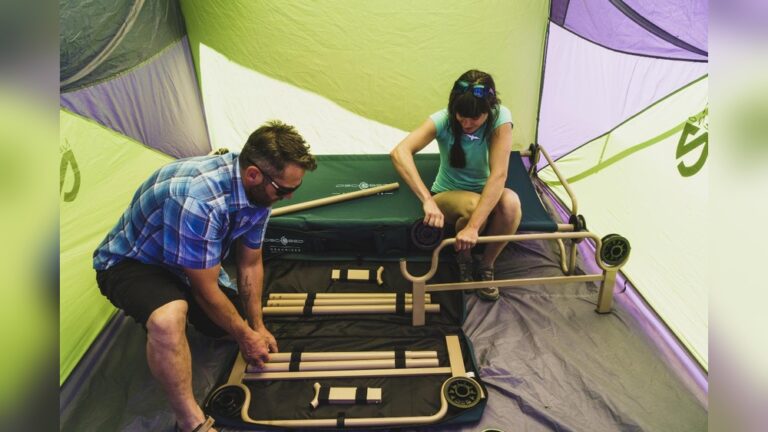
Follow the manufacturer’s instructions carefully. Unfold the cot frame fully and lock all joints securely. Tighten any straps or fasteners firmly but avoid overtightening. Test the cot by pressing down gently before use to ensure stability.
Fire Safety Around Your Cot
Fire safety around your camping cot is crucial for a safe outdoor experience. Open flames and sparks can cause serious accidents. Keeping your cot safe from fire hazards protects you and your gear. Follow simple steps to prevent fire risks near your sleeping area.
Safe Distance From Fire
Place your camping cot far from any campfire or stove. A distance of at least 10 feet reduces fire risk. Flames and sparks can travel and ignite your cot if too close. Keep children and pets away from fire sources near your cot.
Clear Area For Fire
Clear dry leaves, grass, and twigs around the fire spot. Remove anything flammable within a 10-foot radius. Use a fire ring or pit if available. This stops fire from spreading to your cot or nearby tents. Always check the ground before lighting a fire.
Extinguishing Fires Completely
Put out fires fully before sleeping or leaving your camp. Pour water over the fire until all embers are wet. Stir ashes to expose hot spots, then add more water. Feel the area with your hand to ensure no heat remains. Never leave a fire smoldering near your cot.
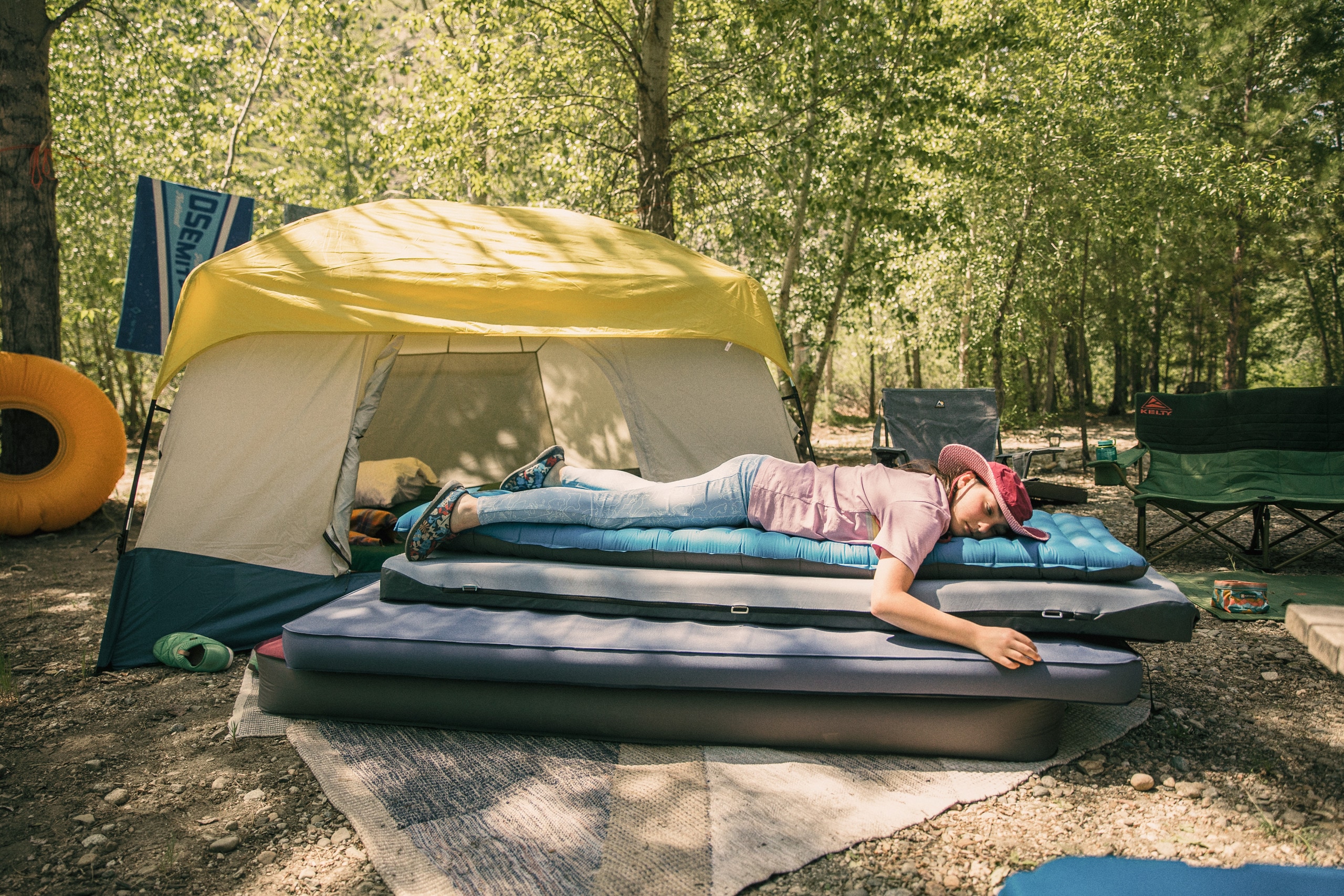
Credit: www.rei.com
Protecting Against Wildlife
Camping near wildlife can be exciting but also risky. Animals may be curious about your campsite and your camping cot. Protecting yourself and your gear helps ensure a safe and peaceful night outdoors. Awareness and preparation reduce chances of unwanted wildlife visits.
Storing Food Securely
Store all food in airtight containers to block smells. Place containers in your car or a designated bear box if nearby. Keep food away from your tent and camping cot. Avoid leaving crumbs or scraps around. This limits wildlife attraction to your sleeping area.
Keeping Wildlife Away
Keep a clean campsite by removing trash and leftover food. Dispose of waste properly in wildlife-proof bins. Avoid strong perfumes or scented lotions that attract animals. Stay alert and make noise while moving around. This warns animals and helps keep them at a distance.
Using Repellents And Barriers
Use animal-safe repellents around your campsite to discourage visits. Place natural barriers like rocks or branches near your cot for extra protection. Consider a portable wildlife fence if camping in high-risk areas. These simple steps create a safer environment while you rest.
Health And Hygiene Tips
Maintaining health and hygiene during camping is key for a safe and enjoyable trip. Proper care prevents illness and discomfort. It helps you stay energized and focused while outdoors.
Simple habits like hand washing and clean gear reduce risks. Carrying the right supplies prepares you for minor injuries and emergencies. Protecting yourself from insects and sun keeps your skin safe.
First-aid Kit Essentials
Pack a first-aid kit with basics like bandages, antiseptic wipes, and pain relievers. Include tweezers for splinters and allergy medicine if needed. Check your kit before every trip to replace used or expired items. Knowing how to use each item is important. Keep the kit accessible, close to your camping cot or tent.
Staying Hydrated
Drink plenty of water throughout the day to avoid dehydration. Carry enough water bottles or a refillable container. Use water purification tablets or filters if using natural water sources. Avoid drinking untreated water to prevent stomach problems. Drink small amounts regularly instead of large amounts at once.
Insect And Sun Protection
Wear long sleeves and pants to minimize insect bites. Apply insect repellent on exposed skin and clothing. Choose EPA-approved repellents for safety. Use sunscreen with at least SPF 30 before going outside. Reapply sunscreen every two hours and after swimming or sweating. Wear a wide-brimmed hat and sunglasses for extra sun protection.
Navigating And Location Safety
Camping safely means knowing your location and navigating well. Being aware of where you set your camping cot keeps you safe. Good navigation prevents getting lost. It also helps avoid dangers like wild animals or rough weather. Planning your campsite and using the right tools ensures a secure outdoor stay.
Choosing Campsite Location
Pick flat ground for your camping cot to stay steady. Avoid low spots that can flood during rain. Stay away from animal trails or dense bushes. Look for areas with natural windbreaks like trees or rocks. Make sure the spot is safe from falling branches or loose rocks.
Using Maps And Gps
Carry a detailed map of the area before you leave. Learn to read it and understand key landmarks. Use a GPS device or a phone with GPS to track your position. Keep devices fully charged and carry backup batteries. Always have a compass as a backup navigation tool.
Staying On Trails
Stick to marked trails to avoid getting lost. Trails are safer and often checked for hazards. Avoid shortcuts that can lead to dangerous areas. Follow trail signs and markers carefully. Staying on trails helps protect nature and prevents accidents.
Preparing For Weather Changes
Camping cots offer comfort but require careful preparation for weather changes. Weather can shift quickly outdoors. Being ready helps you stay safe and comfortable. Always plan ahead to handle rain, wind, cold, or heat. Proper preparation keeps your camping experience enjoyable and secure.
Monitoring Weather Forecasts
Check the weather forecast before your trip. Use reliable apps or websites for updates. Watch for sudden changes during your camping days. Early warnings help you adjust plans or gear. Keep a portable weather radio for remote areas. Stay alert to any severe weather alerts nearby.
Packing Appropriate Gear
Bring clothing for all weather types. Include waterproof jackets and warm layers. Pack extra blankets or sleeping bags for cold nights. Use a rain cover for your camping cot. Carry a sturdy tarp to shield against rain and wind. Have sun protection like hats and sunscreen ready too.
Responding To Lightning And Floods
Lightning is dangerous; avoid open areas and tall objects. Move off your camping cot and seek shelter in a vehicle or building. Stay away from water and metal items during storms. For floods, set up your cot on higher ground. Have an evacuation route planned in case water rises fast.
Maintaining Camping Cot Safety
Maintaining safety while using a camping cot is crucial for a comfortable outdoor experience. Regular care and attention help prevent accidents and extend the cot’s life. Simple habits ensure your sleeping setup remains secure and reliable throughout your trip.
Proper maintenance also keeps the cot stable on uneven ground. It reduces the risk of sudden collapses or damage. Staying proactive about safety protects you from injuries and keeps your camping restful.
Regular Equipment Checks
Inspect your camping cot before each use. Look for loose screws, broken parts, or tears in the fabric. Tighten any bolts and replace damaged components immediately. Check the frame for rust or bending that could weaken support.
Ensure the legs lock firmly in place. Test the cot by pressing down gently before sleeping. This prevents unexpected folding or tipping while you rest. Regular checks build confidence in your gear’s safety.
Safe Storage And Transport
Store your camping cot in a dry, cool place when not in use. Avoid damp areas that may cause mold or rust. Use a protective bag or cover to shield it from dust and dirt.
Carry the cot carefully during transport. Secure it tightly to avoid shifting or damage. Avoid placing heavy items on top of it. Proper handling preserves the frame and fabric’s integrity.
Cleaning And Maintenance
Clean your camping cot after every trip. Use mild soap and water to remove dirt and grime. Avoid harsh chemicals that can weaken the fabric or metal.
Let the cot dry fully before storing. This prevents mildew and corrosion. Lubricate moving parts occasionally to keep them smooth. Regular cleaning improves comfort and extends your cot’s usability.

Credit: www.youtube.com
Frequently Asked Questions
What Are Some Safety Tips For Camping?
Build fires in clear areas with water nearby; extinguish completely before sleeping. Store food in airtight containers away from tents. Drink plenty of water and carry a first-aid kit. Use insect repellent and sunscreen. Stay on marked trails with a map, compass, and charged phone.
Check weather forecasts and dress accordingly.
What Are The Disadvantages Of Using A Tent Cot?
Tent cots can be bulky and heavy, making transport difficult. They offer limited protection in extreme weather. Setup may be tricky for beginners. Some models have less ventilation, causing discomfort. They also tend to be pricier than regular tents or cots.
What To Put Under A Cot In A Tent?
Place a groundsheet or tarp under the cot to protect from moisture and dirt. Use insulation pads for warmth. Avoid direct contact with the tent floor to prevent damage and improve comfort.
How Long Can A Baby Sleep In A Camp Cot?
A baby can sleep in a camp cot for short naps or overnight, depending on comfort and supervision. Limit use as they grow.
Conclusion
Camping safely on a cot makes your trip more enjoyable. Choose a sturdy cot and set it up on flat ground. Keep clear of fire and wildlife while resting. Always check your gear before bedtime. Store food securely and stay hydrated throughout the day.
Use insect repellent and protect your skin from sunburn. Carry a first-aid kit for any minor injuries. Plan your route and tell someone your location. Follow these simple tips to stay safe and comfortable outdoors. Your camping experience will be safer and more relaxing.