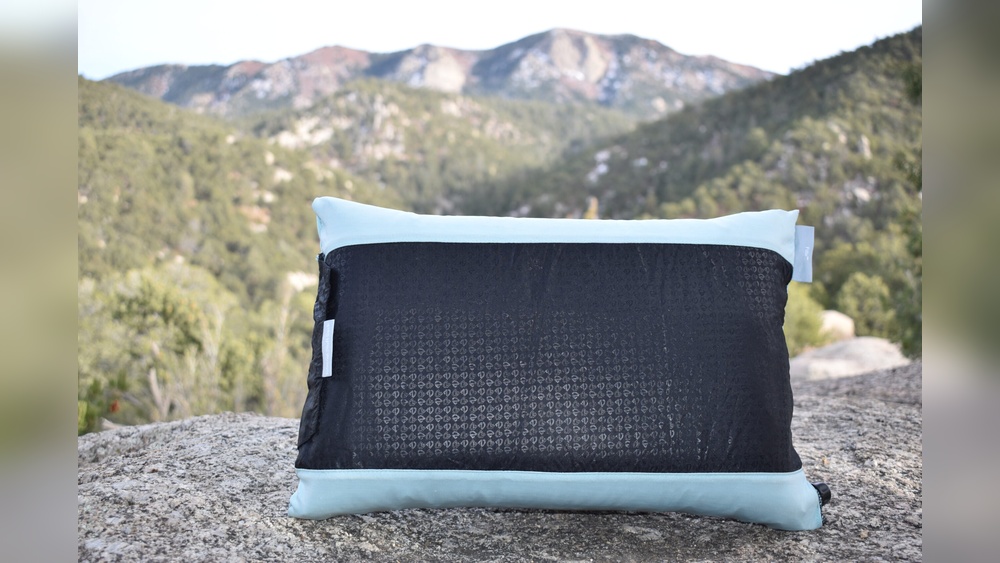
Safety Tips for Camping Pillow: Stay Secure and Sleep Soundly
When it comes to camping, a good night’s sleep can make all the difference in your adventure. Your camping pillow might seem like a small detail, but it plays a big role in your comfort and safety outdoors.
You want to avoid waking up with neck pain, dirt, or even unexpected critters crawling on you. That’s why knowing the right safety tips for your camping pillow is essential. You’ll discover simple yet effective ways to prepare, use, and care for your pillow so it stays clean, comfortable, and safe throughout your trip.
Keep reading to learn how a few smart steps can help you sleep soundly under the stars and enjoy every moment of your camping experience.
Pillow Preparation
Preparing your camping pillow before your trip improves comfort and hygiene. Proper pillow preparation helps you avoid dirt, bugs, and discomfort. Follow simple steps to keep your pillow clean, safe, and ready for a good night’s sleep outdoors.
Clean And Store Properly
Clean your camping pillow after every use. Wash removable covers with mild detergent and cold water. Let them dry completely to avoid mold and mildew. Store pillows in a dry, airtight bag to protect from dust and insects. Avoid stuffing pillows in tight spaces where they can lose shape.
Choose The Right Material
Pick a pillow made from quick-dry, breathable materials. Memory foam pillows are comfortable but may retain moisture. Synthetic fills dry faster and resist mold. Avoid cotton pillows, as they absorb moisture and dirt easily. A lightweight, compact pillow is easier to carry and maintain.
Use Pillowcase Hacks
Use a pillowcase to protect your pillow from dirt and bugs. You can fill a clean pillowcase with soft clothes for extra support. This hack saves space and keeps your pillow clean. Change the pillowcase regularly, especially after long trips or rough weather.

Credit: teraglide.com
Fire Safety Near Pillow
Camping pillows add comfort to your outdoor sleep. Yet, fire safety near your pillow is vital. A small spark can cause big trouble. Keep your pillow safe by following fire precautions. These steps protect you and your gear from fire hazards.
Select Safe Campfire Location
Choose a spot far from your pillow and tent. Avoid dry grass, leaves, and low branches nearby. Use designated fire rings or pits if available. Clear an area at least 10 feet wide around the fire. This space stops flames from reaching your pillow.
Keep Water And Tools Ready
Have a bucket of water or sand close to your fire. Keep a shovel or fire extinguisher nearby. These tools help control flames quickly. Being prepared limits fire spread and protects your pillow and campsite.
Extinguish Fires Completely
Never leave a fire burning unattended. Pour water over the fire until all embers stop hissing. Stir ashes with a shovel to cool hidden hot spots. Touch ashes carefully to check for heat. Only leave when the fire is fully out and cold.
Wildlife And Food Protection
Protecting your camping pillow from wildlife and keeping food safe are key to a peaceful outdoor trip. Animals are curious and can be drawn by food smells. This can lead to unwanted visits and damage to your gear, including your pillow. Proper wildlife and food protection helps keep you safe and preserves nature’s balance.
Store Food Securely
Always store food in airtight containers or sealed bags. Use a cooler or a bear-proof box if available. Keep food far from your sleeping area and pillow. This reduces the chance of animals coming near your campsite. Avoid leaving crumbs or food scraps around. Clean up immediately after meals to prevent smells from lingering.
Avoid Feeding Animals
Never feed wildlife intentionally or unintentionally. Feeding animals makes them dependent on humans. It can change their natural behavior and make them aggressive. Wildlife may start associating people with food, increasing dangerous encounters. Respect animals by observing them from a distance without offering food.
Keep Pillow Away From Wildlife
Keep your camping pillow inside your tent or backpack when not in use. Avoid placing it on the ground or near food areas. Animals might mistake it for food or nesting material. A clean, secure pillow stays free from dirt and animal contact. This protects your comfort and reduces wildlife attraction.
Health And Hygiene
Keeping your camping pillow clean and safe supports your health during outdoor trips. Dirt, sweat, and bugs can cause discomfort and health issues. Proper hygiene prevents skin problems and allergies. Follow simple habits to ensure your pillow stays fresh and safe throughout your adventure.
Maintain Pillow Cleanliness
Wash your camping pillow regularly to remove dirt and sweat. Use a mild detergent and let it dry completely before packing. Store it in a clean, dry bag to avoid mold and bacteria growth. Clean pillows reduce the chance of skin irritation and bad odors.
Use Insect Repellent
Apply insect repellent near your sleeping area to keep bugs away. Mosquitoes and other insects may carry diseases or cause itching. Avoid spraying repellent directly on your pillow. Protect your skin and pillow by creating a bug-free zone around your campsite.
Carry First-aid Kit
A first-aid kit is essential for treating minor injuries during camping. Include items like antiseptic wipes, bandages, and allergy medicine. If bugs bite or you develop a rash, prompt care helps prevent infection. Keep your kit easily accessible near your sleeping spot.
Navigation And Location Safety
Navigation and location safety are crucial for a safe camping experience. Knowing your campsite and surroundings helps avoid getting lost. It also ensures you can find your way back easily. Good navigation keeps you away from dangerous spots. Planning your route and location helps you focus on enjoying nature.
Research Campsite
Before camping, study the campsite area well. Check maps and read reviews from other campers. Look for hazards like steep cliffs or flood zones. Know the nearest emergency services and water sources. Familiarize yourself with campsite rules and wildlife warnings. This preparation prevents surprises and keeps you safe.
Stick To Trails
Always follow marked trails during hikes or walks. Trails are designed to keep campers safe and protect nature. Wandering off can lead to dangerous areas or getting lost. Trails also reduce damage to plants and wildlife. Stay on paths to avoid accidents and preserve the environment.
Carry Navigation Tools
Bring reliable navigation tools like maps, compasses, or GPS devices. Smartphones can help but may lose signal in remote areas. Learn how to use each tool before your trip. Carry extra batteries or power banks for electronic devices. Navigation tools guide you back and help in emergencies.
Credit: www.rei.com
Weather Preparedness
Camping means dealing with nature’s changes. Weather can shift fast. Being ready keeps your trip safe and fun. Protect your camping pillow and yourself by planning for all weather conditions.
Check Weather Forecast
Always check the weather forecast before your trip. Know if rain, wind, or cold is coming. This helps you pack right and avoid surprises. Use a trusted weather app or website.
Pack Layers And Rain Gear
Bring clothes you can add or remove. Layers keep you warm or cool as needed. Rain gear is a must to stay dry. Wet clothes can make camping uncomfortable and unsafe. Protect your camping pillow by keeping it in a waterproof bag.
Find Shelter During Storms
Storms can be dangerous outdoors. Find shelter quickly if the weather turns bad. Use tents, natural covers, or nearby shelters. Keep your camping pillow inside to keep it dry and clean. Avoid tall trees and open fields during lightning storms.
Comfort And Security Tips
Comfort and security are key for a good night’s sleep while camping. A camping pillow can boost both. Simple steps help you stay comfortable and safe.
Choosing the right pillow and using it well prevents neck pain and keeps your gear secure. These tips make camping more restful and worry-free.
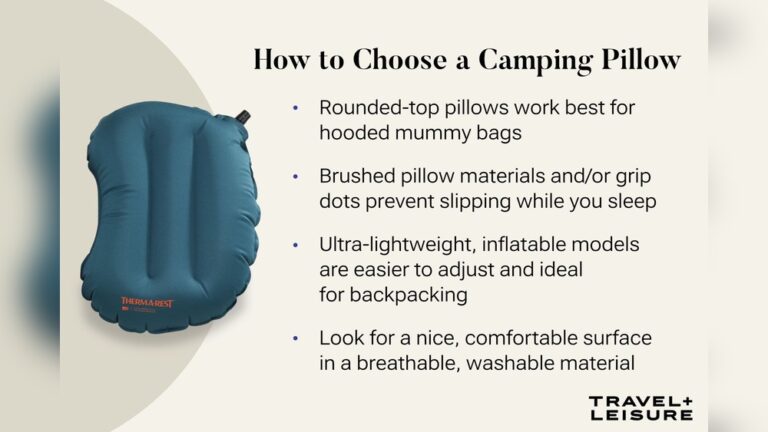
Choose Pillow Size Wisely
Pick a pillow size that fits your sleeping style. Small pillows save space but may lack support. Larger pillows offer more comfort but take room in your bag. Match size with your tent space and sleeping bag. This helps you rest well and keeps your pack light.
Secure Pillow In Tent
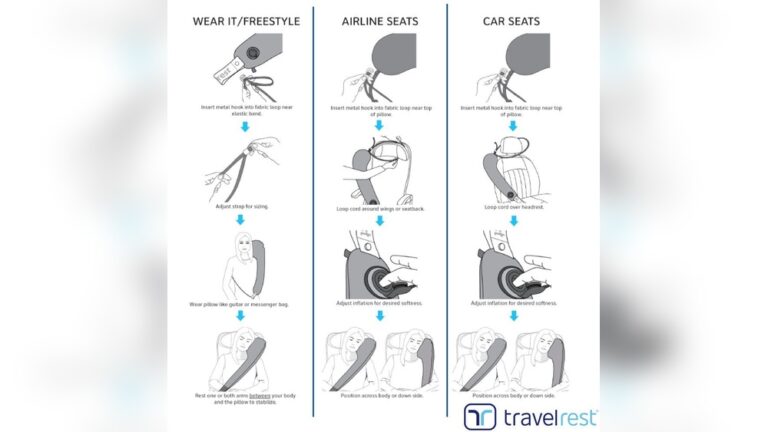
Keep your pillow safe inside the tent. Use pillowcases with zippers or ties to avoid dirt and bugs. Attach your pillow to a sleeping pad or tent wall using straps or clips. This stops it from moving at night. A stable pillow keeps you cozy and reduces nighttime hassle.
Use Pillow For Neck Support
Proper neck support reduces stiffness and pain. Place the pillow under your neck, not just your head. Adjust the height and firmness to match your comfort. Using a pillow this way helps keep your spine aligned. You wake up refreshed and ready for the day.

Credit: www.amazon.com
Frequently Asked Questions
What Is The Pillow Trick For Traveling?
The pillow trick for traveling involves stuffing a pillowcase with soft clothes to create a lightweight, space-saving travel pillow. This hack avoids extra baggage fees and keeps clothes organized while providing comfort on the go. It’s an easy, practical way to travel smart and light.
What Are Some Safety Tips For Camping?
Build fires safely in clear areas with water nearby; fully extinguish before sleeping. Store food securely away from tents to avoid wildlife. Use insect repellent and sunscreen. Carry a first-aid kit, stay hydrated, and keep gear maintained. Plan your route, stay on trails, and carry navigation tools.
How To Pack A Pillow For Camping?
Roll your camping pillow tightly to save space. Use a waterproof bag to protect it from moisture. Pack it on top for easy access. Keep it clean by storing it separately from dirty gear. This method ensures comfort and convenience during your outdoor trip.
What Do You Use For A Pillow When Camping?
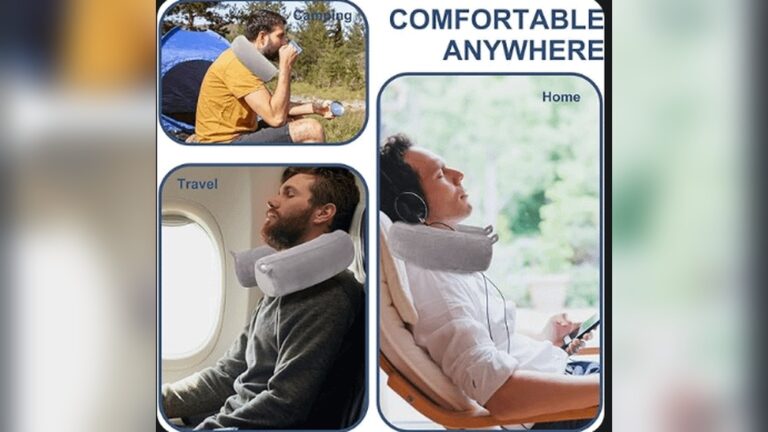
Use inflatable camping pillows, compressible foam pillows, or stuff a pillowcase with clothes for lightweight, comfortable support.
Conclusion
Camping with the right pillow keeps you comfortable and safe. Always clean your pillow before and after trips. Store it dry to avoid mold and bugs. Use a pillowcase to protect it from dirt. Keep your pillow away from open flames and sharp objects.
Check your gear regularly for damage or wear. Following these tips helps you rest well outdoors. Enjoy your camping trip with peace of mind and comfort. Safety and preparation make every adventure better.