Safety Tips for Hiking Alone: Essential Guide to Stay Safe
Hiking alone can be an amazing way to connect with nature and find peace, but it also comes with its own set of risks. If you’re planning to hit the trails solo, your safety should be your top priority.
Knowing the right precautions can make all the difference between an enjoyable adventure and a dangerous situation. You’ll discover simple yet essential safety tips that will help you stay prepared, confident, and secure every step of your solo hike. Ready to learn how to protect yourself and enjoy your journey to the fullest?
Keep reading!
Credit: bearfoottheory.com
Trail Research
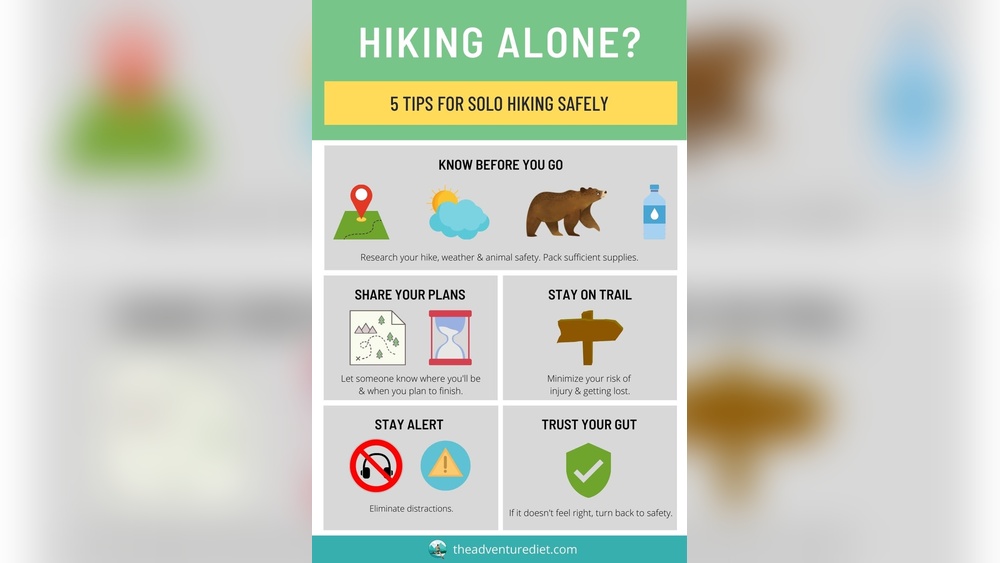
Researching the trail before hiking alone is crucial. It helps you prepare and avoid surprises. Knowing what to expect makes your hike safer and more enjoyable.
Gather details about the trail’s difficulty, length, and terrain. Check if there are any alerts or closures. This information helps you pack the right gear and set a proper pace.
Check Weather And Conditions
Always check the weather forecast for your hiking day. Weather can change quickly, so look for updates. Avoid hiking in storms or extreme heat. Wet trails can be slippery and dangerous. Dress in layers to adjust to temperature changes. Carry rain gear if rain is likely.
Learn About Local Wildlife
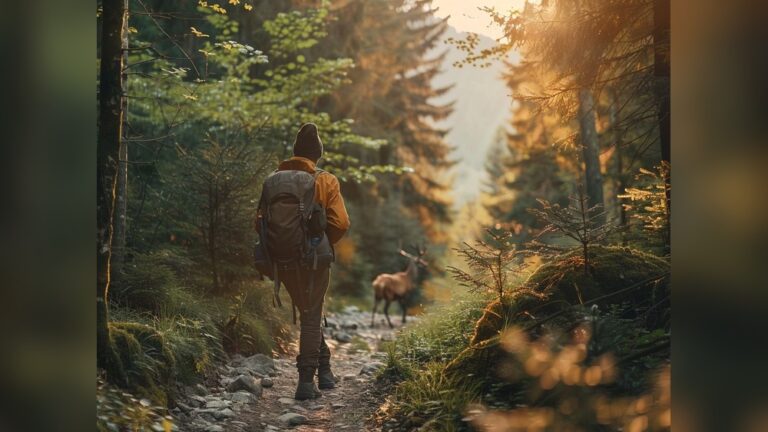
Know what animals live near the trail. Some may be dangerous or protective. Learn how to react if you see wildlife. Keep a safe distance and never feed animals. Carry bear spray if bears are common. Make noise to alert animals of your presence. This helps avoid surprise encounters.
Understand Trail Hazards
Identify hazards like steep cliffs, loose rocks, or fast rivers. Know which areas are risky and plan to avoid them. Watch out for poison ivy or thorny plants. Carry a first aid kit for minor injuries. Stay on marked trails to reduce risks. Being aware prevents accidents and keeps you safe.
Preparation Essentials
Proper preparation is the key to safe solo hiking. Without the right essentials, risks increase. Preparation helps you stay comfortable and secure on the trail.
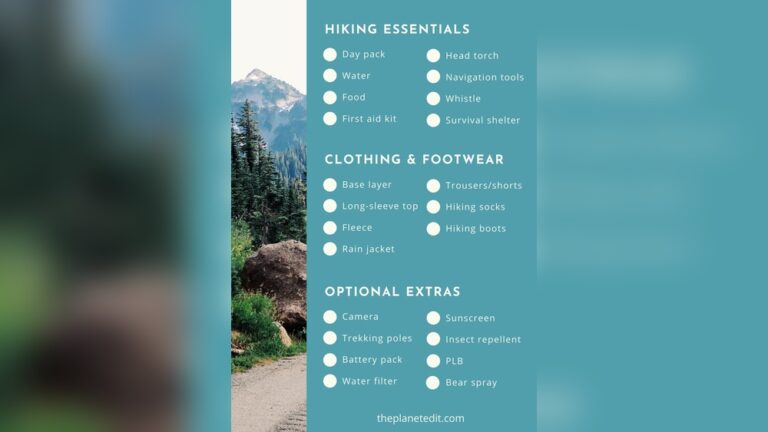
Planning your pack and gear carefully protects you in unexpected situations. It also boosts your confidence during the hike. Focus on three main areas to prepare well.
Pack Food And Water
Bring enough water to stay hydrated throughout the hike. Dehydration can cause dizziness and slow your pace. Pack lightweight, high-energy snacks like nuts and dried fruit. Avoid heavy meals that can weigh you down. Plan for more food and water than you think you need.
Bring Navigation Tools
Carry a physical map of the hiking area and a compass. These tools do not rely on batteries or signals. A GPS device or smartphone app is helpful but should not be your only option. Learn how to use all your navigation tools before the hike. Staying on the trail reduces the risk of getting lost.
Carry Safety Gear
Include a first-aid kit with basics like bandages and antiseptic wipes. A whistle helps you signal for help if needed. Pack a flashlight or headlamp with extra batteries. Bring weather-appropriate clothing and an emergency blanket. Safety gear prepares you for injuries and sudden weather changes.
Communication Plans
Having a solid communication plan is vital for hiking alone. It helps others know your whereabouts and ensures help can reach you if needed. Clear communication reduces risks and gives you peace of mind on the trail.
Inform Someone About Your Route
Tell a trusted person your hiking path before you start. Share details like trail name, starting point, and estimated time of return. This information helps rescuers find you if you get lost or injured.
Set Check-in Times
Agree on regular check-ins with someone reliable. Use phone calls or messages to update your status. If you miss a check-in, they will know to act and send help.
Use Emergency Contacts
Save emergency numbers on your phone and carry a physical list. Include local search and rescue, park authorities, and a close family member. These contacts are crucial if you face trouble on the trail.
Credit: tifosioptics.com
Stay Alert
Staying alert is crucial when hiking alone. It keeps you safe and helps you enjoy the hike. Paying close attention to your environment reduces risks. It also prepares you to react quickly to changes. Being alert means more than just watching the trail. It means fully engaging your senses and mind throughout your hike.
Be Aware Of Surroundings
Always scan the area around you. Notice changes in weather or trail conditions. Watch for uneven ground or obstacles. Stay on marked paths to avoid getting lost. Keep an eye on other hikers or people nearby. Being aware helps you spot dangers early. This habit keeps you safe and confident.
Avoid Distractions
Limit the use of phones or music players. These devices can block sounds and sights. Hearing footsteps or animal calls is important. Use your devices only when stopped safely. Avoid daydreaming or deep thoughts that take focus. Staying mentally present keeps you ready for surprises.
Watch For Wildlife
Look out for animals on or near the trail. Learn about local wildlife before your hike. Know which animals are common and which are dangerous. Give animals plenty of space if you see them. Do not feed or approach wildlife. Being cautious protects both you and the animals.
Personal Safety
Personal safety stands as the top priority when hiking alone. Solo hikers face unique risks, requiring strong awareness and preparedness. Staying calm and confident helps manage unexpected situations. Carrying the right tools and knowing how to act can protect you from harm. These simple but effective steps keep your adventure safe and enjoyable.
Handle Encounters Confidently
Maintain eye contact and speak firmly during encounters. Show confidence by standing tall and calm. Avoid sudden movements that may alarm others. Use a steady voice to set boundaries clearly. Most people respect assertiveness and will back away.
Know When To Stand Your Ground
Do not run unless you are sure you can escape safely. Running may trigger a chase and increase danger. Stand your ground and make yourself look bigger. Use your voice loudly to attract attention. This signals strength and may stop threats from advancing.
Use Protective Tools
Carry items like a whistle, pepper spray, or a personal alarm. These tools help you call for help quickly. Keep them easily accessible at all times. Practice using them before your hike. Proper use can give you extra security on the trail.
Trail Etiquette
Trail etiquette plays a key role in keeping solo hikes safe and enjoyable. Following simple rules helps protect nature and respects others on the path. Good manners on trails create a friendly and safe environment for everyone. Solo hikers especially benefit from clear and respectful behavior around others and the natural surroundings.
Stick To Marked Paths
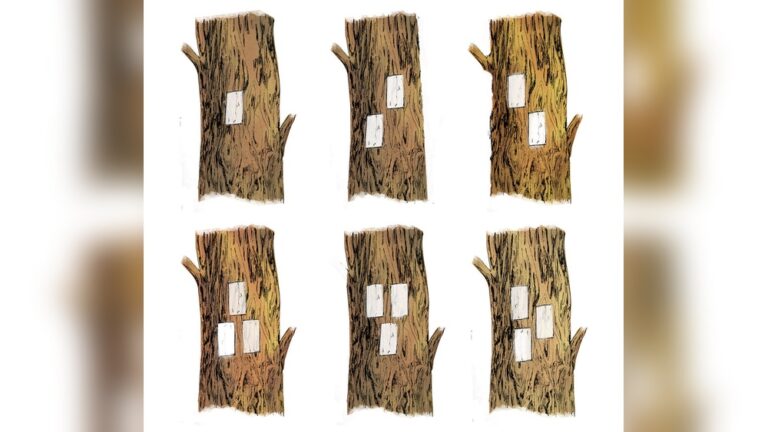
Always stay on marked trails to avoid getting lost. Trails are designed to protect plants and animals from damage. Wandering off can harm fragile environments and increase your risk of injury. Marked paths also make it easier for rescuers to find you if needed. Respect trail signs and avoid shortcuts.
Respect Other Hikers
Give space to others on the trail and keep noise low. Yield the trail to uphill hikers and step aside to let faster hikers pass. Greet others politely but do not block the path. Avoid loud music or shouting. Respecting others creates a calm and pleasant hike for everyone.
Manage Waste Properly
Carry out all your trash, including food wrappers and tissues. Use restroom facilities when available or follow Leave No Trace rules for waste disposal. Never leave trash or food scraps behind. Proper waste management protects wildlife and keeps trails clean. Bring a small bag for trash and pack it out with you.
Emergency Preparedness
Emergency preparedness is vital for solo hikers. Being ready helps you handle surprises and stay safe. It reduces risks and boosts confidence on the trail. Simple steps can prepare you for most emergencies.
Carry First Aid Kit
Always bring a small first aid kit. Include bandages, antiseptic wipes, and pain relievers. Add tweezers for splinters and any personal medication. Check your kit before each hike to ensure supplies are fresh.
Know Basic Survival Skills
Learn how to build a shelter and start a fire. Practice finding clean water and signaling for help. Know how to stay calm and think clearly in tough situations. These skills increase your chances of staying safe.
Have A Plan For Unexpected Situations
Tell someone your hiking route and expected return time. Carry a map and compass, even if you use a GPS. Prepare for weather changes by packing extra clothes. Always have a way to call for help if needed.
Time Management
Time management is a key part of staying safe while hiking alone. Managing your time well helps avoid rushing or hiking in the dark. It allows you to enjoy the trail without stress. Proper planning ensures you have enough daylight and energy to complete your hike safely.
Start Early
Begin your hike early in the morning. Early starts give you more daylight hours to finish your route. It also helps you avoid the hottest parts of the day. Starting early reduces the risk of getting lost or tired as daylight fades.
Monitor Sunset Times
Check the sunset time before your hike. Plan to finish your hike well before dark. Hiking after sunset can be dangerous and hard to navigate. Knowing sunset times helps you set a clear turnaround point on the trail.
Plan Breaks Wisely
Schedule breaks to rest and eat at safe spots. Avoid long stops late in the day. Short, frequent breaks keep your energy up and your mind alert. Proper breaks prevent exhaustion and help you stay on schedule.
Gear Tips
Choosing the right gear is crucial for safe solo hiking. Proper equipment helps you stay comfortable and prepared for unexpected situations. Focus on clothing, footwear, and lighting to enhance safety and ease on the trail.
Wear Appropriate Clothing
Dress in layers to adapt to changing weather. Use moisture-wicking fabrics to keep sweat away from your skin. Avoid cotton as it holds moisture and causes chills. Choose bright colors to increase visibility. A hat and gloves protect against sun and cold. Always carry a waterproof jacket for rain or wind.
Use Reliable Footwear
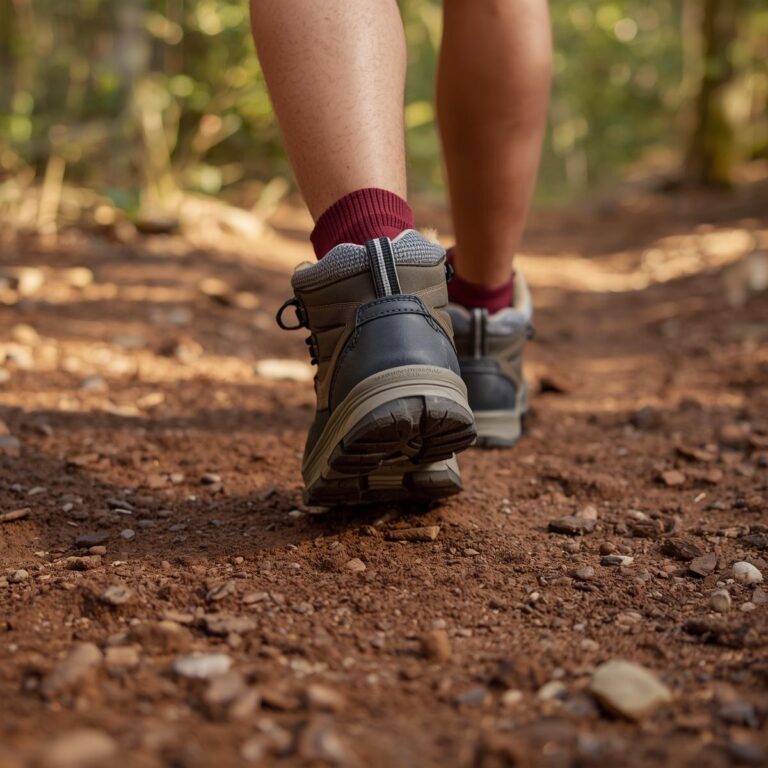
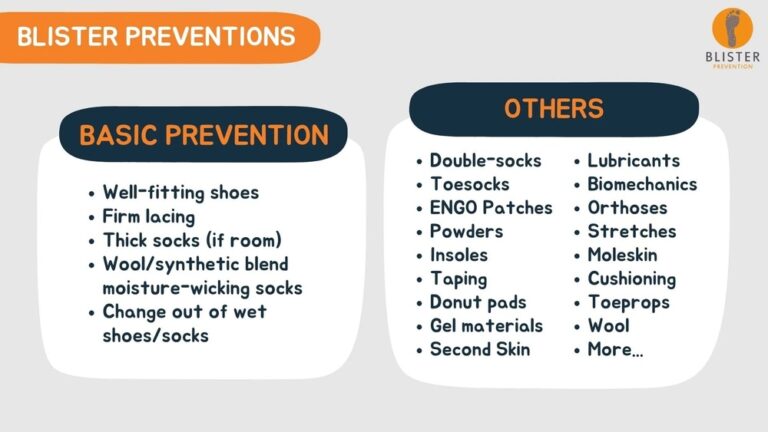
Select hiking boots that fit well and support your ankles. Check for good traction to avoid slipping on rough or wet surfaces. Break in new boots before your hike to prevent blisters. Consider waterproof boots if the trail is muddy or wet. Carry extra socks to keep feet dry and comfortable.
Bring Lighting Equipment
Carry a headlamp or flashlight with fresh batteries. This gear is essential if you hike late or get delayed. A headlamp frees your hands for climbing or reading maps. Pack extra batteries or a backup light source. Bright, reliable lighting helps you spot hazards and signals for help if needed.
Mental Readiness
Mental readiness is key for solo hiking safety. It prepares your mind for challenges and unexpected situations. Hiking alone means relying on your instincts and decisions. Mental strength helps you stay alert and focused. It reduces fear and boosts your confidence. Getting ready mentally makes your hike more enjoyable and safe.
Build Confidence Gradually
Start with short hikes close to home. Choose easy trails to learn your limits. Practice skills like reading maps and using a compass. Each successful hike builds your confidence. Slowly increase the difficulty and distance. Confidence grows with experience and preparation.
Stay Calm Under Pressure
Unexpected problems can happen on the trail. Staying calm helps you think clearly and act wisely. Practice deep breathing to reduce stress. Focus on solving one problem at a time. Calmness prevents panic and poor choices. It keeps you safe in difficult moments.
Enjoy Solitude Safely
Hiking alone offers peace and quiet. Enjoy nature and your own company. Stay aware of your surroundings at all times. Avoid risky areas or unknown paths. Carry a whistle or signal device for emergencies. Solitude feels good when you stay alert and prepared.
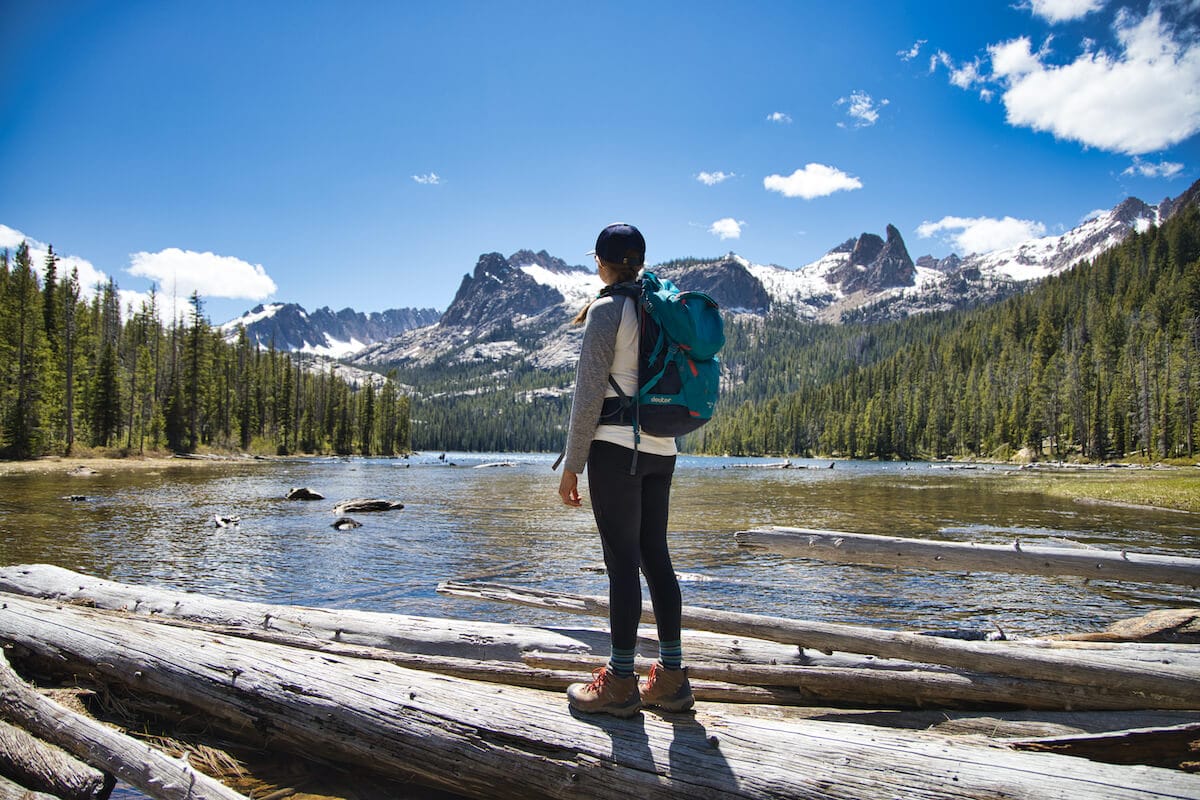
Credit: bearfoottheory.com
Frequently Asked Questions
How Safe Is It To Go Hiking Alone?
Hiking alone can be safe with proper planning. Inform someone of your route, carry essentials, and stay aware of surroundings. Choose popular trails and check weather conditions. Always have a map, water, and a charged phone. Avoid risky areas and trust your instincts to ensure safety.
What To Do On A Hike By Yourself?
Research the trail and weather before hiking alone. Carry water, food, a map, and a fully charged phone. Inform someone about your plan. Stay on marked trails and be aware of your surroundings. Carry a flashlight and extra layers for safety.
Why Do Hikers Eat Gummy Bears?
Hikers eat gummy bears for quick energy and easy-to-carry carbs. They provide fast fuel and boost morale during long hikes.
What Is The 1 Etiquette Rule While Hiking?
The 1 etiquette rule while hiking is to stay on marked trails to protect nature and avoid disturbing wildlife.
Conclusion
Hiking alone can be a rewarding experience when done safely. Always plan your route and share your plans with someone you trust. Carry enough water, food, and essential gear for emergencies. Stay aware of your surroundings and respect local wildlife rules.
Trust your instincts and avoid risky areas. With careful preparation, solo hiking becomes enjoyable and secure. Stay safe and enjoy the adventure!