Safety Tips for Tent Footprint: Essential Guide for Secure Camping
When you set up your tent, the footprint is your tent’s first line of defense against rough ground, moisture, and wear. But did you know that using your tent footprint the wrong way can actually cause problems instead of protecting you?
If you want to keep your tent floor in great shape and stay safe during your outdoor adventures, you need to know the right safety tips for your tent footprint. In this guide, you’ll discover easy and effective ways to use your footprint that protect both you and your gear.
Read on to learn how to avoid common mistakes, extend the life of your tent, and enjoy a worry-free camping experience. Your next trip will thank you!
Credit: brandongaille.com
Purpose Of Tent Footprints
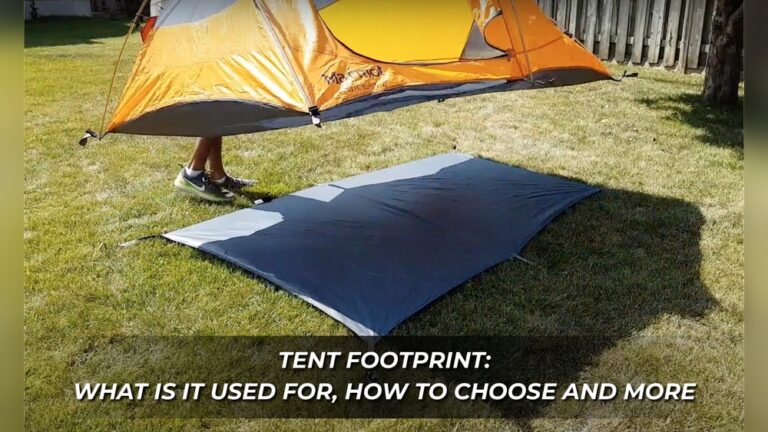
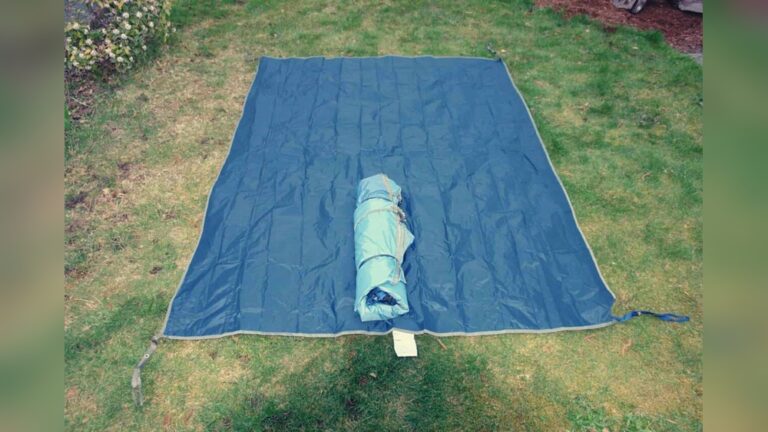
A tent footprint is a thin sheet that lies beneath your tent. It acts as a protective barrier between the ground and your tent floor. This small accessory plays a big role in camping comfort and tent care. Understanding its purpose helps campers use it effectively and keep their tent in good shape.
Protecting Tent Floor
The footprint shields the tent floor from sharp rocks and sticks. It prevents holes and tears during setup or windy conditions. This layer reduces wear and tear caused by rough surfaces. Using a footprint keeps your tent fabric intact for many trips.
Preventing Moisture Damage
Ground moisture can seep through the tent floor and cause dampness inside. The footprint creates a water-resistant barrier that stops water from rising up. It helps keep the tent dry even on wet or dewy mornings. This protection is essential for a comfortable, dry camping experience.
Extending Tent Lifespan
A footprint absorbs dirt and grit that can wear out tent materials. It lowers direct contact with harmful elements like mud and sun exposure. By preserving the tent’s base, the footprint extends the tent’s overall life. This simple step saves money by reducing the need for repairs or replacements.
Choosing The Right Footprint
Choosing the right footprint enhances your camping safety and tent durability. A footprint protects the tent floor from sharp objects, moisture, and dirt. Selecting the correct one prevents damage and increases comfort during your outdoor stay. Focus on the material, size, and compatibility to pick a footprint that fits your needs perfectly.
Material Options
Footprints come in various materials like nylon, polyester, and polyethylene. Nylon is lightweight and strong but can be pricier. Polyester offers good durability and resists stretching when wet. Polyethylene is heavy but very tough and affordable. Choose a material that balances weight, durability, and protection for your camping style.
Size Considerations
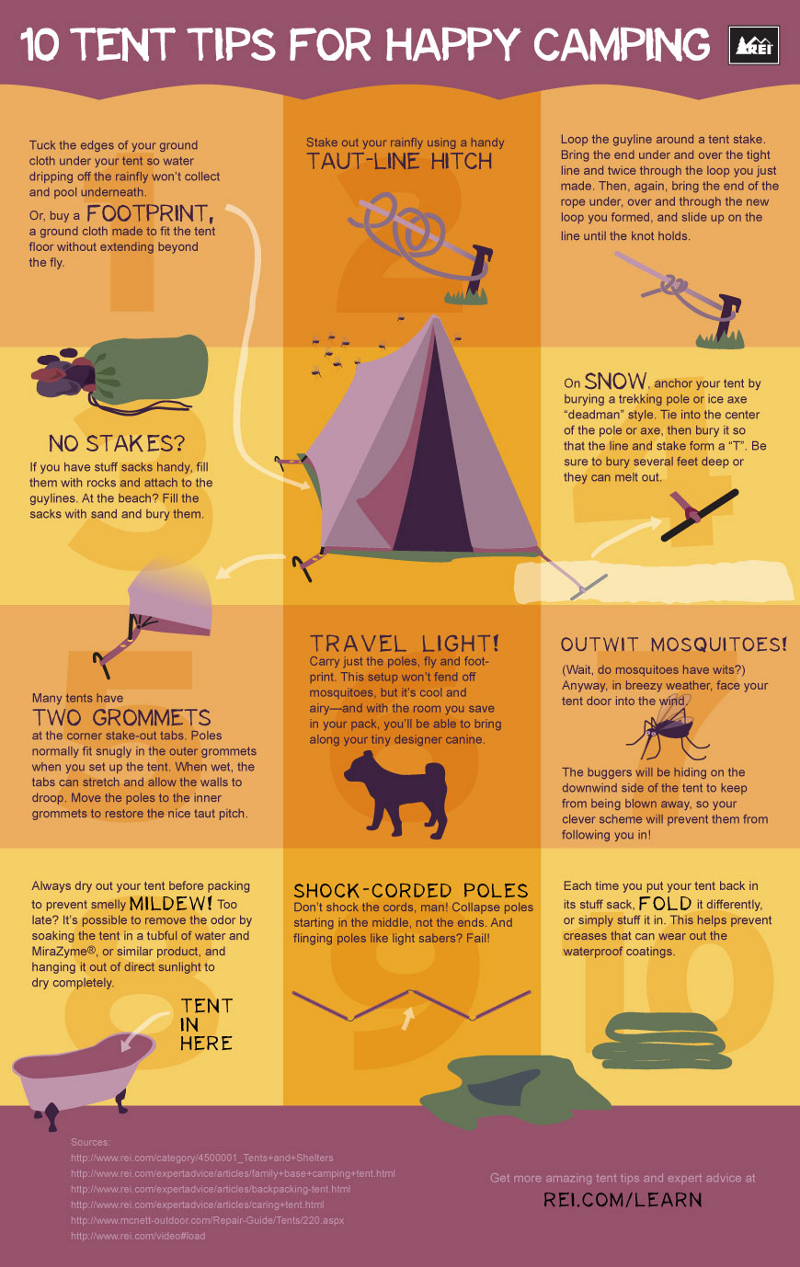
Size matters for proper coverage and safety. A footprint should be slightly smaller than your tent’s floor. This design keeps water from collecting under the tent edges. Avoid too large footprints to prevent tripping hazards and water pooling. Measure your tent floor and check footprint dimensions before buying.
Compatibility With Tent Models
Not all footprints fit every tent. Match the footprint to your specific tent model for the best fit. Many brands offer footprints designed for their tents. Using a non-compatible footprint may cause poor protection or setup issues. Check your tent’s brand and model details to find a perfect match.
Setting Up Your Footprint
Setting up your tent footprint correctly protects your tent floor from damage. It also helps keep the inside dry and clean. Taking time to set it up properly adds comfort and safety to your camping experience.
Clearing The Ground
Remove rocks, sticks, and sharp objects from the site. Choose a flat area free of debris. This prevents punctures and tears in the footprint. A smooth surface also makes your tent more stable and comfortable.
Aligning Footprint With Tent
Lay the footprint on the ground with the waterproof side down. Match its shape and size closely to your tent’s base. Make sure the footprint does not extend beyond the tent walls. This avoids water collecting under the footprint and seeping inside the tent.
Securing With Stakes And Buckles
Attach the footprint to your tent using the buckles if available. Connect the female buckle on the tent fly to the male buckle on the footprint. Then, place stakes through the footprint loops at the corners. This keeps the footprint in place during wind or movement.
Credit: brandongaille.com
Safety Precautions
Safety precautions are vital when using a tent footprint. They protect you and your gear from damage. Following simple rules keeps your camping experience safe and comfortable. Always check the area and conditions before setting up your tent footprint.
Avoiding Water And Wet Ground
Place the tent footprint on dry, flat ground. Wet soil can cause slipping and damage the footprint. Water can soak into the tent floor, making it cold and uncomfortable. Choose a spot that drains well to keep water away. Avoid low areas where rainwater collects.
Keeping Away From Sharp Objects
Clear the ground of sticks, rocks, and other sharp items. These can tear the footprint or tent floor. Use your hands or a small rake to remove hazards. Inspect the area carefully before laying the footprint. Protect your gear by creating a smooth, safe base.
Proper Ventilation To Prevent Hazards
Ensure good airflow inside the tent to avoid harmful gases. Do not use stoves or heaters inside the tent without ventilation. Carbon monoxide can build up in closed spaces and cause poisoning. Open vents or windows to let fresh air circulate. Always prioritize fresh air to stay safe and healthy.
Maintenance Tips
Proper maintenance of your tent footprint extends its life and protects your tent floor. Keeping it clean, dry, and damage-free ensures reliable shelter during your camping trips. Follow these simple steps to maintain your footprint in good condition.
Cleaning And Drying
Remove dirt and debris from the footprint after each use. Use a soft brush or cloth to avoid damaging the material. Wash with mild soap and water for stubborn stains. Avoid harsh chemicals that can weaken the fabric.
Allow the footprint to dry completely before packing it away. Drying prevents mold and mildew growth, which can cause unpleasant odors and damage. Hang it in a shaded, well-ventilated area for best results.
Storage Recommendations
Store your tent footprint in a cool, dry place away from direct sunlight. Heat and UV rays can degrade the fabric over time. Avoid folding it tightly; instead, roll it loosely to prevent creases and cracks.
Keep the footprint separate from sharp objects or heavy gear that might cause tears. Use a storage bag or container to protect it from dust and pests during off-season.
Regular Inspections For Damage
Check your footprint regularly for holes, tears, or worn spots. Small damage can grow quickly if left unchecked. Repair minor issues promptly with patch kits designed for tent fabrics.
Inspect the grommets and attachment points to ensure they are secure. Replace damaged parts to maintain proper function and protect your tent floor effectively.
Common Mistakes To Avoid
Using a tent footprint correctly protects your tent floor and extends its life. Many campers make simple mistakes that reduce this protection. Avoiding these errors helps keep your gear safe and your camping experience comfortable.
Using Oversized Footprints
Choosing a footprint that is too big causes water to collect under your tent. This pooling can soak your tent floor and gear. A footprint should match your tent’s floor size closely. Avoid extra material extending beyond the tent edges.
Ignoring Terrain Conditions
Placing your footprint on sharp rocks or uneven ground can damage it quickly. Clear the area of sticks, stones, and debris before laying the footprint down. Soft, flat ground helps prevent tears and punctures. Always check the terrain carefully.
Improper Attachment Techniques
Failing to secure the footprint to your tent can cause it to shift or bunch up. Attach the footprint using the tent’s grommets or loops properly. Ensure it is flat and tight to avoid tripping hazards. Proper attachment also improves water runoff.
Additional Gear For Secure Camping
Camping safely requires more than just a good tent and footprint. Extra gear helps protect your shelter and keeps you secure. Choosing the right accessories makes a big difference. They improve stability and shield against weather.
Ground Tarps Vs Footprints
Ground tarps cover a large area under the tent. They protect the bottom from moisture and dirt. Footprints fit exactly beneath your tent. They guard against sharp rocks and wear. Tarps are cheaper and more versatile. Footprints offer better protection and fit. Using either reduces damage to your tent floor. Choose based on your camping style and terrain.
Using Guy Lines And Stakes
Guy lines add extra support to your tent. They connect from the tent to stakes in the ground. Stakes anchor the tent firmly, preventing movement. Use strong stakes for hard or rocky soil. Tighten guy lines evenly to keep tension. Proper staking prevents your tent from collapsing in wind. Always check and adjust lines during your trip.
Weather-resistant Accessories
Rain flies shield your tent from heavy rain. Waterproof seam tape stops leaks at joins. A vestibule extends covered space outside the tent. It protects gear from rain and mud. Windbreaks block strong gusts, improving comfort. Using these accessories keeps your tent dry and stable. They help you stay safe in bad weather.

Credit: www.lifeintents.com
Frequently Asked Questions
How To Secure A Tent Footprint?
Secure a tent footprint by aligning it under the tent floor, attaching buckles if available, and staking through footprint loops. Keep it slightly smaller than the tent base to prevent water pooling. Use stakes to anchor corners firmly, ensuring stability and protection from ground abrasion.
What Are The Safety Tips For Tent Camping?
Choose a flat, dry campsite away from hazards. Keep stoves and metal gear outside. Avoid overhead power lines. Ensure proper ventilation to prevent carbon monoxide. Secure tent firmly to withstand wind.
Do Bears Rip Open Tents?
Bears may try to access food inside tents and can rip tent fabric. Secure food properly to prevent bear encounters.
How To Avoid Carbon Monoxide Poisoning In A Tent?
Avoid using stoves, heaters, or grills inside tents. Ensure proper ventilation and never rely solely on carbon monoxide detectors.
Conclusion
Using a tent footprint protects your tent’s floor from damage and moisture. Always secure it tightly to avoid slipping or tripping hazards. Choose a smooth, dry spot free of sharp objects before laying the footprint. Clean and dry the footprint after each trip to prevent mold and tears.
Regular care extends its life and keeps your camping safe. Remember, a well-used footprint makes your outdoor experience more comfortable and secure. Stay mindful and enjoy your adventure with confidence.