Size Guide for Backpacking Tent, Ultimate Tips for Perfect Fit.
Choosing the right backpacking tent size can make or break your outdoor experience. You want a tent that fits you comfortably without weighing you down on the trail.
But how do you know what size is just right for your needs? Whether you’re hiking solo or with a partner, this guide will help you understand the key factors to consider—like space, weight, and comfort—so you can pick the perfect tent that suits your adventure.
Keep reading to discover how to find a backpacking tent that feels like your home away from home.

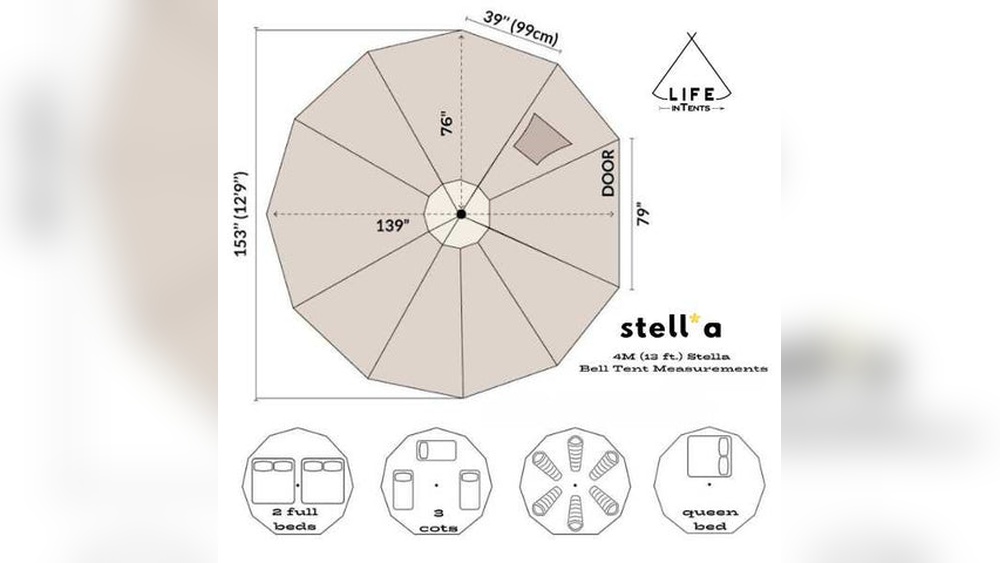
Credit: www.lifeintents.com
Choosing Tent Capacity
Choosing the right tent capacity is key for a good backpacking experience. The size affects comfort, weight, and how much gear you can store inside. A tent that fits well makes camping more enjoyable and less stressful.
One-person Vs Two-person Tents
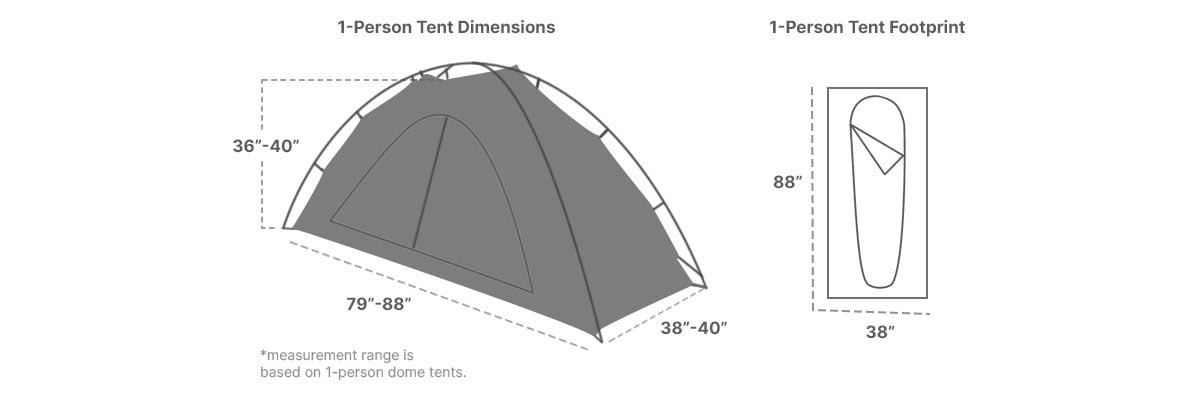
One-person tents are light and compact. They suit solo travelers who want to carry less weight. Two-person tents offer more space for two people or extra room for one. They weigh more but provide better comfort and room to move.
Extra Space For Gear And Comfort
Backpacking tents need space for gear like backpacks and boots. Extra room helps keep your gear dry and organized. It also gives you space to change clothes or rest comfortably inside the tent during bad weather.
Sleeping And Living Area Balance
A good tent balances sleeping space and living area. Sleeping area is for rest, while living area lets you sit and move. Some tents have vestibules or small covered spaces for gear and cooking. This balance improves comfort on long trips.
Tent Dimensions And Layout
Understanding the dimensions and layout of a backpacking tent helps you choose the right fit. Size affects comfort, storage, and how easy the tent is to carry. Knowing what each measurement means can make your camping trip more enjoyable and organized.
Floor Area And Shape
The floor area is the space inside the tent where you sleep and store gear. It is usually measured in square feet or square meters. Rectangular floors provide more usable space for sleeping bags. Some tents have tapered shapes to reduce weight but offer less floor space. Choose a floor shape that matches your needs and gear size.
Peak Height And Headroom
Peak height is the tallest point inside the tent. It affects how easily you can sit or move around. Higher peak height gives more comfort but can add weight and bulk. Some tents have low profiles for better wind resistance but less headroom. Decide if you need extra space to sit up or just enough to lie down comfortably.
Vestibules And Storage Space
Vestibules are covered areas outside the main tent body. They keep your backpack and shoes dry and out of the way. Some tents have large vestibules that offer extra storage for cooking or gear. Small vestibules save weight but limit storage space. Consider how much gear you carry and how important dry storage is for your trip.
Weight And Portability
Weight and portability rank high on the list when choosing a backpacking tent. Carrying a heavy tent can tire you quickly and slow your pace on the trail. Portability means more than just weight—it includes how compact the tent packs and fits into your backpack. Every ounce counts during long hikes. Balancing lightness with durability and usable space ensures a better camping experience.
Lightweight Vs Durable Materials
Lightweight tents use thin fabrics and poles to reduce weight. These materials make carrying easier but may tear more easily. Durable tents use thicker fabrics and stronger poles. They last longer and resist harsh weather better. Choosing the right material depends on your trip length and conditions. Ultralight tents suit fair weather and short hikes. Durable tents work well for rough terrain and longer trips.
Packed Size Considerations
The packed size affects how the tent fits in your backpack. Smaller packed tents save space for other gear. Some tents compress tightly with special stuff sacks. Bulkier tents take more room and can be awkward to carry. Think about your backpack’s size and other essentials. A tent that packs small helps keep your load balanced and comfortable.
Trade-offs Between Weight And Space
Tents with more space often weigh more. Extra room adds fabric and larger poles. A heavier tent may feel bulky during long hikes. Smaller tents save weight but feel cramped inside. Consider how much space you need for sleeping and gear. Balance your comfort with the weight you can handle. A well-chosen tent fits your body size and packing style.
Seasonal And Weather Considerations
Choosing the right backpacking tent size involves thinking about the seasons and weather you will face. Weather conditions affect how comfortable and safe your tent will be. Some tents suit mild weather, while others protect in harsh environments. Understanding these differences helps pick a tent that matches your trip’s needs.
Three-season Vs Four-season Tents
Three-season tents work well for spring, summer, and fall. They offer good ventilation and keep out rain and light snow. These tents are lighter and easier to carry. Four-season tents are built for winter and severe weather. They have stronger poles and thicker fabric. These tents handle heavy snow, strong wind, and cold temperatures better.
Ventilation And Condensation Control
Good ventilation keeps air flowing inside your tent. This reduces moisture buildup and condensation. Condensation can make your gear wet and uncomfortable. Look for tents with mesh panels and adjustable vents. These features help air circulate without letting rain inside. Proper ventilation improves comfort and dryness during your trip.
Durability Against Wind And Rain
A durable tent withstands strong wind and heavy rain. Check the tent’s frame and fabric strength. Strong poles and sturdy materials resist bending and tearing. A full-coverage rainfly protects from water and wind. Sealed seams prevent leaks and keep the interior dry. A tough tent gives you safety and peace of mind outdoors.
Fit For Your Backpacking Style
Choosing the right backpacking tent size depends on your personal style. Your tent should match how you hike and camp. This ensures comfort and convenience on your trips. Consider factors like the number of people, trip length, and environment. These details help pick a tent size that fits well without adding extra weight.
Solo Hiking Vs Group Trips
Solo hikers need smaller tents that are light and easy to carry. One-person tents save space and reduce pack weight. Group trips require larger tents with more room for everyone. Choose a tent that fits all members comfortably. Extra space helps store gear inside the tent too.
Duration And Frequency Of Use
Short trips may only need a compact tent. For longer or frequent trips, choose a tent with more space. Extra room adds comfort for changing clothes and resting. Durable materials are important for tents used often. A slightly bigger tent can improve your camping experience.
Terrain And Climate Impact
Mountain or rough terrain calls for tents with sturdy frames. Harsh weather needs tents with strong wind and rain resistance. Larger tents can be heavier and harder to carry in tough conditions. Select a tent size that balances protection and portability. Consider climate to stay safe and dry.
Credit: www.sportsmans.com
Additional Features To Consider
Choosing the right backpacking tent means looking beyond just size. Several extra features affect comfort and convenience during your trip. These details can make your camping experience easier and more enjoyable. Consider design, setup ease, and ground protection for the best choice.
Freestanding Vs Non-freestanding Designs
Freestanding tents hold their shape without stakes. You can move them easily on different surfaces. They often set up faster and work well on rocky or hard ground.
Non-freestanding tents need stakes and guylines for support. They usually weigh less and pack smaller. These tents save space but require suitable terrain for setup.
Ease Of Setup
Simple setup saves time and effort after long hikes. Look for tents with color-coded poles or clips. Instant or pop-up designs are quick but may weigh more.
Practice setting up your tent before your trip. Familiarity reduces frustration and helps you camp faster.
Footprint And Groundsheet Options
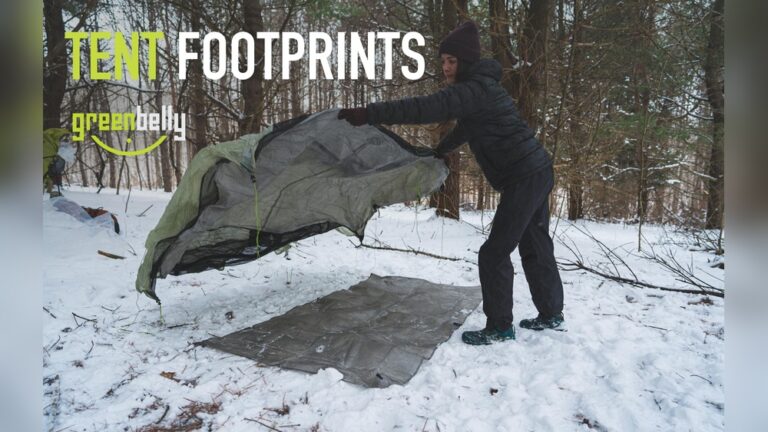
A footprint is a protective layer placed under your tent. It shields the floor from rocks, dirt, and moisture. Using a footprint extends the tent’s life and keeps it clean.
Some tents come with built-in groundsheets, while others require separate purchases. Choose a footprint that fits your tent’s size and shape exactly. Lightweight and durable materials work best for backpacking.
Sizing Tips And Measurement Tricks
Choosing the right size backpacking tent is vital for comfort and convenience. Knowing how to measure your needs and test tent space helps avoid surprises. Use simple tips to check your body size, gear, and tent dimensions. This section shares practical sizing tips and measurement tricks for a better camping experience.
Measuring Your Body And Gear
Start by measuring your height and shoulder width. Add extra space for movement inside the tent. Measure your backpack and other gear you will keep inside. Note these dimensions to compare with tent sizes. This helps ensure you have enough room to sleep and store your items comfortably.
Testing Tent Space Before Purchase
Try to visit a store to see tents in person. Sit or lie down inside the tent to feel the space. Bring your backpack to check if it fits inside the tent. Walk around to see if you have enough room to move. Testing tent space helps avoid buying tents that feel cramped or too large.
Using Size Charts And Guides
Check manufacturer size charts carefully before buying. Look at floor area, peak height, and tent length. Compare these numbers with your body and gear measurements. Size charts give a clear idea of the tent’s real space. Use them as a guide to pick the best size for your needs.

Credit: www.lifeintents.com
Frequently Asked Questions
What Size Backpacking Tent Do I Need?
Choose a tent sized for the number of occupants plus one extra person for gear and comfort. Consider weight and packed size too.
Do I Need A 40l Or 50l Backpack?
Choose a 40L backpack for trips under three days or light packers. Opt for 50L if you need extra gear space or longer trips. Consider your trip length, gear volume, and personal packing style to decide between 40L and 50L backpacks.
Is A 55l Backpack Big Enough For Backpacking?
A 55L backpack suits most multi-day trips, fitting essential gear without excess bulk. Choose based on trip length and gear needs.
Is A 4lb Tent Too Heavy For Backpacking?
A 4lb tent is moderately heavy but still acceptable for many backpackers. Ultralight tents weigh less than 3lbs. Choose based on comfort, durability, and trip length.
Conclusion
Choosing the right backpacking tent size makes your trip more comfortable. Think about how many people will share the tent. Add some extra space for gear and movement. A tent too small feels cramped; too big adds weight. Use this guide to find the best fit for your needs.
Enjoy your outdoor adventure with a tent that suits you well. Simple steps lead to better camping experiences every time.