Size Guide for Camp Tent: Ultimate Tips for Perfect Camping Gear
Choosing the right tent size can make or break your camping experience. Imagine having just enough room to stretch out comfortably, store your gear, and move around without feeling cramped.
But how do you know what size tent fits your needs perfectly? Whether you’re camping solo, with your family, or a group of friends, understanding tent sizes is key to enjoying your time outdoors. In this guide, you’ll learn exactly how to pick the right camp tent size so you can sleep well, stay dry, and focus on the adventure ahead.
Keep reading to find the simple tips and size charts that will help you make the best choice for your next trip.
Credit: darsalud.com.ve
Tent Capacity Basics
Understanding tent capacity basics helps pick the right tent size for camping trips. Size matters for comfort and space. Knowing how many people and gear will fit inside is key.
Choosing a tent that suits your needs avoids cramped or wasted space. It improves the camping experience by giving enough room to sleep and store belongings.
People Vs Gear Space
Tent capacity often lists how many people can fit inside. This number usually means space for sleeping only. Gear, bags, and supplies need extra room.
Plan extra space for your equipment. Otherwise, the tent may feel crowded. Some tents have vestibules or separate gear areas to help.
Sleeping Arrangements
Consider how people will sleep in the tent. Side-by-side or head-to-toe arrangements affect space needs. Larger tents offer more flexibility.
Sleeping pads or air mattresses take up more room than just a sleeping bag. Account for this in your tent size choice. Comfort counts on long trips.
Extra Room Needs
Extra space makes camping more enjoyable. You need room to change clothes, store gear, or relax inside. This is important in bad weather.
Choose a tent with added space if you want comfort. Larger tents allow for sitting up and moving around. Think about your camping style and needs.

Credit: www.lifeintents.com
Common Tent Sizes
Choosing the right tent size is key for a good camping trip. Tents come in various sizes to fit different groups and needs. Understanding common tent sizes helps pick the best one for comfort and space. This guide breaks down small, medium, and large family tents to make your choice easier.
Small Tents
Small tents usually fit one to two people. They are light and easy to carry. Ideal for solo campers or couples. These tents offer just enough space for sleeping bags and small gear. Perfect for backpacking or short trips.
Medium Tents
Medium tents hold three to five people. They provide more room for gear and movement. Good for small families or groups of friends. These tents balance space and weight well. Suitable for car camping or weekend getaways.
Large Family Tents
Large family tents can fit six or more people. They offer separate rooms and large living areas. Great for extended family trips or groups. These tents are heavier but very comfortable. Ideal for longer stays and base camps.
Measuring Tent Dimensions
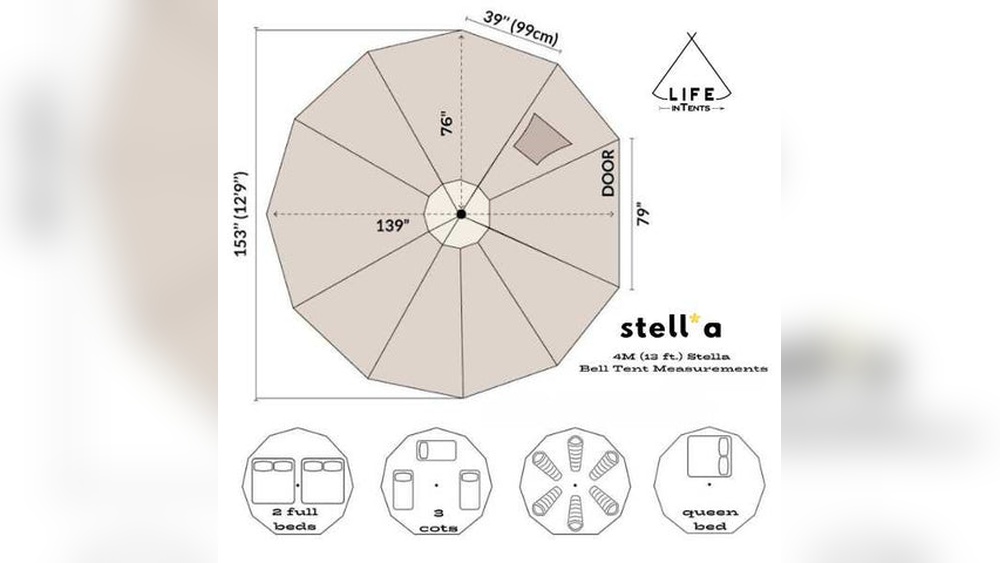
Measuring tent dimensions is key to picking the right camp tent. Accurate measurements help you understand how much space you will have inside. It also ensures the tent fits your needs for comfort and gear storage. Knowing the exact size prevents surprises during your camping trip.
Length And Width
Length and width are the first dimensions to measure. These show how much floor space the tent covers. Measure from one end to the other along the base. The width is the distance across the tent floor. These numbers tell you how many people can fit inside.
Peak Height
Peak height is the tallest point inside the tent. This affects how comfortable the tent feels. Taller tents allow you to stand or move easily. Shorter tents save weight but may feel cramped. Check the peak height to match your camping style.
Floor Area
Floor area is the total space inside the tent. Multiply length by width to get this number. It shows how much room you have for sleeping bags and gear. A larger floor area means more comfort. Consider floor area when camping with family or friends.
Tent Footprints Role
The footprint of a camp tent plays an important role in camping comfort. It is a groundsheet placed under the tent. This layer adds protection and support to the tent floor. It helps campers enjoy a cleaner, safer, and longer-lasting tent experience.
Using a tent footprint properly can make your camping trip smoother. It shields the tent fabric from rough or wet surfaces. It also helps keep dirt and moisture away from inside the tent. Understanding its role helps you choose the right size and type for your needs.
Purpose Of Footprints
Footprints protect the tent floor from damage. Rocks, sticks, and rough ground can cause tears or holes. The footprint acts as a barrier to prevent this. It also blocks moisture from seeping up through the ground. This keeps the inside dry and comfortable during wet weather.
Besides protection, footprints help keep the tent clean. They catch dirt and mud before it reaches the tent fabric. This reduces wear and tear and makes cleaning easier. A footprint also adds a layer of insulation, which can help keep the tent warmer.
Choosing The Right Size
Choosing the correct footprint size is key for proper protection. It should be slightly smaller than your tent’s base. This prevents water from pooling between the footprint and tent floor. A footprint that is too large can collect water, which may leak into the tent.
Measure your tent’s floor dimensions before buying a footprint. Compare length and width to find a close fit. Avoid footprints that extend beyond the tent edges. A tight fit ensures the footprint stays under the tent, even in wind or rain.
Protecting Your Tent
A well-chosen footprint extends the life of your tent. It reduces wear on the tent floor, which is often the first part to show damage. Keeping the tent base clean and dry prevents mold and mildew growth. This helps maintain a healthy camping environment.
Using a footprint also makes setting up your tent easier. It gives a smooth, stable surface to pitch on. This prevents punctures and keeps the tent fabric taut. Overall, the footprint is a simple tool to protect your tent investment.
Weight And Portability
Weight and portability are key factors when choosing a camp tent. A tent that is too heavy can slow you down and make carrying difficult. Portability affects how easily you can move your tent from place to place. Understanding the difference between backpacking and car camping tents helps in making the right choice.
Backpacking Vs Car Camping
Backpacking tents are light and compact. They fit easily in a backpack for long hikes. These tents often weigh under 5 pounds. Car camping tents are heavier and larger. Weight is less of a concern since you drive to the site. These tents offer more space and comfort but are bulkier to carry.
Material Impact On Weight
Tent materials greatly affect the overall weight. Nylon and polyester are common and lightweight options. Canvas tents are heavier but more durable and weather-resistant. The frame material also matters. Aluminum poles are lighter than steel but may cost more. Choosing the right material balances weight and strength.
Packing Tips
Pack your tent carefully to save space and reduce weight. Use a compression sack to make the tent smaller. Keep poles and stakes organized in separate bags. Remove excess packaging before packing. Carry only what you need to avoid extra weight. Proper packing helps you carry your tent more easily.
Credit: altongoods.com
Seasonal Tent Sizing
Choosing the right tent size depends heavily on the season you plan to camp in. Seasonal tent sizing helps match your tent to weather conditions and comfort needs. Different seasons require specific tent designs and sizes for safety and convenience. Understanding these differences can improve your camping experience significantly.
3-season Tent Sizes
3-season tents suit spring, summer, and fall conditions. They offer good ventilation and moderate weather protection. These tents are usually lighter and come in compact sizes. Most 3-season tents fit two to four people comfortably. Size choice depends on how much gear you carry inside. Space for extra clothing and equipment is important too. These tents balance weight and room well for mild weather.
4-season Tent Considerations
4-season tents are built for harsh winter and heavy snow. They have stronger poles and thicker fabric. These tents are generally heavier and larger than 3-season models. More headroom helps when wearing bulky clothes or using winter gear. Size should allow room for sleeping bags and extra insulation layers. Wind resistance is a key factor in tent shape and size. Choose a size that fits your group and gear without crowding.
Ventilation Needs
Proper ventilation prevents condensation inside the tent. 3-season tents usually have mesh panels and vents for airflow. 4-season tents have fewer vents but still require some airflow to reduce moisture. Larger tents often provide better ventilation options. Check for adjustable vents and window covers when choosing size. Good ventilation improves comfort and keeps gear dry during all seasons.
Tips For Group Camping
Camping with a group is fun but needs careful planning. Choosing the right tent size helps everyone stay comfortable. Think about how many people will sleep inside and what gear needs space. Planning your tent setup well makes the trip more enjoyable and stress-free.
Selecting Larger Tents
Pick tents with extra space for comfort. Larger tents allow room for sleeping bags and gear. They help prevent feeling cramped during bad weather. Choose tents that fit all campers and their belongings easily. Check the tent’s capacity to avoid overcrowding.
Multiple Tent Setup
Use several tents if the group is large. This gives more privacy and quiet space. Set tents close to each other for safety and easy communication. Multiple tents also help separate sleeping areas from cooking zones. Plan the layout to keep the campsite organized and neat.
Shared Vs Individual Spaces
Decide if campers want shared or personal tents. Shared tents foster group bonding and save space. Individual tents offer privacy and quiet for better rest. Consider the group’s preferences and sleeping habits. Balance comfort with social time to suit everyone’s needs.
Using Tent Size Charts
Using tent size charts helps you pick the perfect camp tent. These charts show measurements and capacity clearly. They guide you to find a tent that fits your needs without guessing. Understanding how to use these charts saves time and avoids buying the wrong size.
Reading Standard Charts
Standard tent size charts list dimensions like length, width, and height. They also show how many people fit inside comfortably. Each size corresponds to a certain number of sleeping bags or cots. Look for the chart’s legend to understand all symbols and numbers. Check the floor area and peak height for space and headroom.
Custom Tent Sizes
Some tents come in custom sizes for special needs. These tents may offer extra space for gear or activities. Custom sizes help campers who want more comfort or unique layouts. Always compare custom dimensions with standard charts to ensure the tent suits your plans. Ask the seller for detailed measurements before buying.
Online Size Calculators
Online size calculators simplify the tent selection process. Enter the number of people and gear, and the calculator suggests suitable sizes. These tools use standard tent charts but add ease to decision-making. They help avoid overcrowding or wasted space. Use calculators on trusted camping or outdoor gear sites for best results.
Common Sizing Mistakes
Choosing the right size for a camp tent can be tricky. Many campers make common sizing mistakes. These errors can lead to discomfort and frustration during the trip. Understanding these mistakes helps you pick a better tent size. This section covers the most frequent sizing errors and their impact on your camping experience.
Overcrowding Risks
Picking a tent that is too small causes overcrowding. Too many people in a tight space reduce comfort. It limits movement inside the tent and can spoil sleep quality. Overcrowding also raises the risk of damage to the tent fabric. It becomes difficult to store gear without clutter. Avoid tents that only barely fit your group.
Underestimating Gear Space
Many campers forget to add space for gear. Sleeping area is not the only important space. Backpacks, shoes, and cooking supplies need room too. Without extra space, gear stays inside the sleeping area. This reduces comfort and increases mess. Choose a tent with extra room beyond just people capacity.
Ignoring Weather Effects
Weather impacts how much space you need inside a tent. Rain and wind can force you to stay inside longer. Cold weather means adding blankets and extra clothing. Hot weather may require ventilation space to stay cool. Ignoring weather conditions leads to choosing a tent that feels cramped or poorly ventilated.
Frequently Asked Questions
How Do You Figure Out What Size Tent You Need?
Calculate tent size by counting occupants, adding extra space for gear and comfort. Choose a tent that fits these needs comfortably.
How To Measure Camping Tent Size?
Measure tent length, width, and height from the floor to peak. Include space for occupants and gear for comfort.
How Many People Can Fit In A 40×20 Tent?
A 40×20 tent can comfortably fit about 80 to 100 people standing. For seated events, it accommodates around 60 to 80 guests.
Should Your Tent Footprint Be The Same Size As Your Tent?
Your tent footprint should be slightly smaller than your tent to prevent water pooling and protect the tent floor.
Conclusion
Choosing the right tent size makes camping more comfortable and safe. Consider how many people will sleep inside. Think about extra space for gear and movement. A tent too small feels cramped and uneasy. Too large can be heavy and hard to carry.
Use measurements and size charts to help decide. Remember, a good fit improves your camping experience. Take time to pick a tent that matches your needs well. Enjoy your outdoor adventures with the perfect camp tent size.