Size Guide for Inflatable Sleeping Pad: Ultimate Comfort Tips
Choosing the right size inflatable sleeping pad can make all the difference between a restless night and waking up refreshed on your outdoor adventures. You want a pad that fits your body perfectly—long enough so your feet don’t hang off the edge, and wide enough to give you room to move comfortably.
But with so many options out there, how do you find the perfect match? This size guide will help you understand exactly what to look for, so you get the best fit for your height, sleeping style, and camping needs.
Keep reading to discover how the right inflatable sleeping pad can improve your sleep, keep you warm, and make your next trip truly comfortable.

Credit: www.pillowstrap.com
Sleeping Pad Sizes
Choosing the right size for your inflatable sleeping pad is important for a good night’s rest outdoors. The size affects comfort, warmth, and how well the pad fits in your tent. Sizes vary in length, width, and thickness. Understanding these differences helps you pick the best sleeping pad for your needs.
Length Options
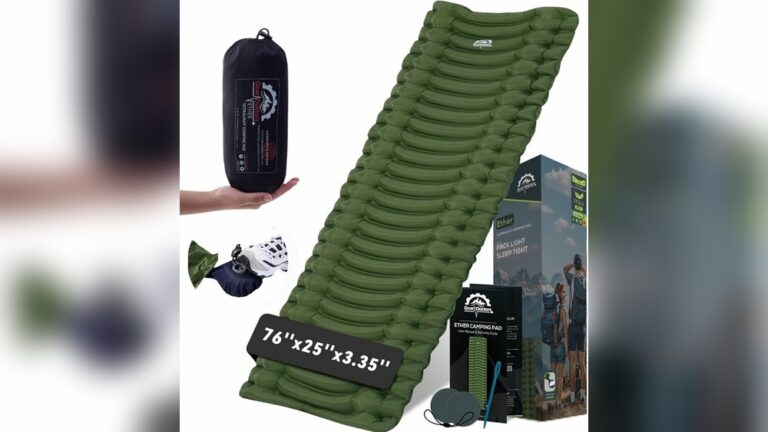
Sleeping pads come in several length options. Most pads are made to fit people from 5 to 6.5 feet tall. Standard lengths range from about 72 to 78 inches. Longer pads provide extra room for taller campers. Shorter pads save weight and pack size but may leave your feet hanging off. Choose a length that lets you lie flat without bending your knees.
Width Variations
Width varies to match different body sizes and sleep styles. Standard widths are around 20 inches, enough for most people. Wide pads, about 25 to 30 inches, offer more space for side sleepers or larger builds. Narrower pads are lighter and easier to carry but feel snug. Some pads taper to save weight while still supporting your shoulders and hips.
Thickness Differences
Thickness affects comfort and insulation from the ground. Thin pads measure around 1 to 2 inches and are lightweight for backpacking. Thicker pads, 3 to 4 inches or more, provide better cushioning and warmth. Choose thicker pads for uneven or cold ground. Remember, thicker pads take more space and weight in your pack.
Matching Size To Body
Choosing the right size inflatable sleeping pad means matching it to your body. The pad should support your full length without your feet hanging off. It also needs to fit your body shape comfortably. Different sleeping positions affect the size and shape needed. A well-sized pad improves sleep and warmth during outdoor trips.
Height Considerations
Select a pad longer than your height by at least 4 to 6 inches. This extra length prevents your feet from touching the cold ground. Taller people need longer pads to avoid discomfort. Shorter pads cause cold spots and poor sleep. Check product dimensions before buying to ensure proper length.
Body Build Impact
Wide or broad shoulders require wider sleeping pads. Slim builds fit standard width pads comfortably. Larger builds need wider or plus-size options to prevent falling off the pad. A snug fit keeps warmth in and avoids shifting during sleep. Consider your body width when choosing pad size.
Sleeping Position Effects
Side sleepers benefit from wider pads for better arm and leg room. Back sleepers can use standard width pads. Stomach sleepers may prefer pads with extra thickness for comfort. Your sleeping style affects how much space you need. Choose a pad that supports your position to avoid pressure points.
Pad Types And Comfort
Choosing the right sleeping pad is key for a good night’s rest outdoors. Different pad types offer varied comfort and support levels. Understanding these types helps you find the best fit for your needs. Size also affects comfort, but the pad material and design play a big role too.
Inflatable Pads
Inflatable pads fill with air to provide cushioning. They are lightweight and pack small. You can adjust firmness by adding or releasing air. These pads offer great comfort and insulation from the cold ground. They work well for backpackers and campers who want softness and compact size. Watch for punctures, as sharp objects can damage them.
Foam Pads
Foam pads use dense foam for support and insulation. They are very durable and never need inflation. These pads are usually thicker and heavier than inflatable ones. They provide firm support and good warmth but take more space in your pack. Foam pads are perfect for rough terrains and budget-friendly camping. They also dry quickly and resist moisture.
Self-inflating Pads
Self-inflating pads combine foam with air chambers. They inflate by themselves when you open a valve. These pads offer a balance of comfort and convenience. They are thicker and softer than foam pads alone. Self-inflating pads weigh more but provide better cushioning. Ideal for car camping or short hikes where ease matters.

Credit: www.g-locbrakes.com
R-value And Temperature
Understanding the R-value and temperature rating of an inflatable sleeping pad is essential for a comfortable night’s sleep outdoors. These factors determine how well the pad insulates you from cold ground. Choosing the right pad can keep you warm without adding unnecessary weight. This section breaks down what R-value means, how to select a pad by climate, and how to balance warmth with weight.
What R-value Means
The R-value measures how well a sleeping pad insulates. Higher R-values block more cold from the ground. A pad with an R-value of 1 or 2 is good for summer use. For colder conditions, look for pads with R-values of 4 or higher. This number helps you pick a pad that matches the temperature you expect.
Choosing By Climate
Warm weather needs less insulation, so a lower R-value works. In mild climates, an R-value between 2 and 3 is enough. Cold weather requires more warmth, so pick a pad with an R-value over 4. For freezing temperatures, use pads with R-values of 5 or more. Match your pad’s R-value to the coldest temperature you expect.
Balancing Warmth And Weight
Higher R-values usually mean heavier pads. Backpackers want lightweight pads to carry easily. Find a balance between warmth and weight that fits your trip. If you camp in mild weather, choose a lighter pad. For cold trips, prioritize warmth even if the pad weighs more. This balance keeps you comfortable without extra burden.
Activity-based Choices
Choosing the right inflatable sleeping pad depends heavily on the activity you plan to use it for. Each outdoor adventure has different needs for comfort, size, and weight. Selecting a pad that fits your activity ensures better sleep and easier packing. Consider the type of trip before picking your sleeping pad size.
Backpacking Needs
Backpackers need lightweight and compact sleeping pads. A smaller, thinner pad saves space in the backpack. It should still provide enough comfort and insulation. Look for pads that pack down small but keep you warm on rough trails. Durability is also key, as backpacking exposes gear to tough conditions.
Car Camping Comfort
Car campers can choose larger and thicker pads for extra comfort. Weight and pack size matter less since you drive to your site. A wider and longer pad gives more room to stretch out. These pads often offer better cushioning and support for a restful night. Comfort becomes a priority over weight in this case.
Weight And Pack Size
Weight and pack size depend on how far you carry your gear. Lightweight pads suit long hikes and backpacking trips. Bulkier pads fit well in car camping or short hikes. Measure your height to pick the right length. A pad a few inches longer than your height keeps feet warm and off the ground.
Special Features
Special features in inflatable sleeping pads improve your camping experience. They add value beyond just size and shape. These features help with comfort, durability, and ease of use. Understanding them helps you pick the best pad for your needs.
Durability Factors
Strong materials resist punctures and tears. Look for pads made with ripstop nylon or polyester. Reinforced seams add extra strength. Some pads have special coatings to resist moisture and wear. Durable pads last longer, saving money and hassle on trips.
Ease Of Setup
Quick inflation saves time and effort. Some pads come with built-in pumps or valves. These help inflate or deflate the pad fast. Lightweight designs make packing easier. Look for pads that fold or roll compactly. Easy setup means more time to relax outdoors.
Extra Comfort Options
Extra padding offers better support for your body. Some pads have raised edges to keep you in place. Textured surfaces reduce slipping while you sleep. Certain models include insulation to keep you warm. These options help you rest well, no matter the conditions.
Testing And Fit Tips
Testing your inflatable sleeping pad before your trip ensures a comfortable and warm night outdoors. Proper fit reduces heat loss and prevents discomfort. Simple checks can help you find the right size and shape. This section offers practical tips on testing and fitting your pad for the best outdoor rest.
Avoiding Heat Loss
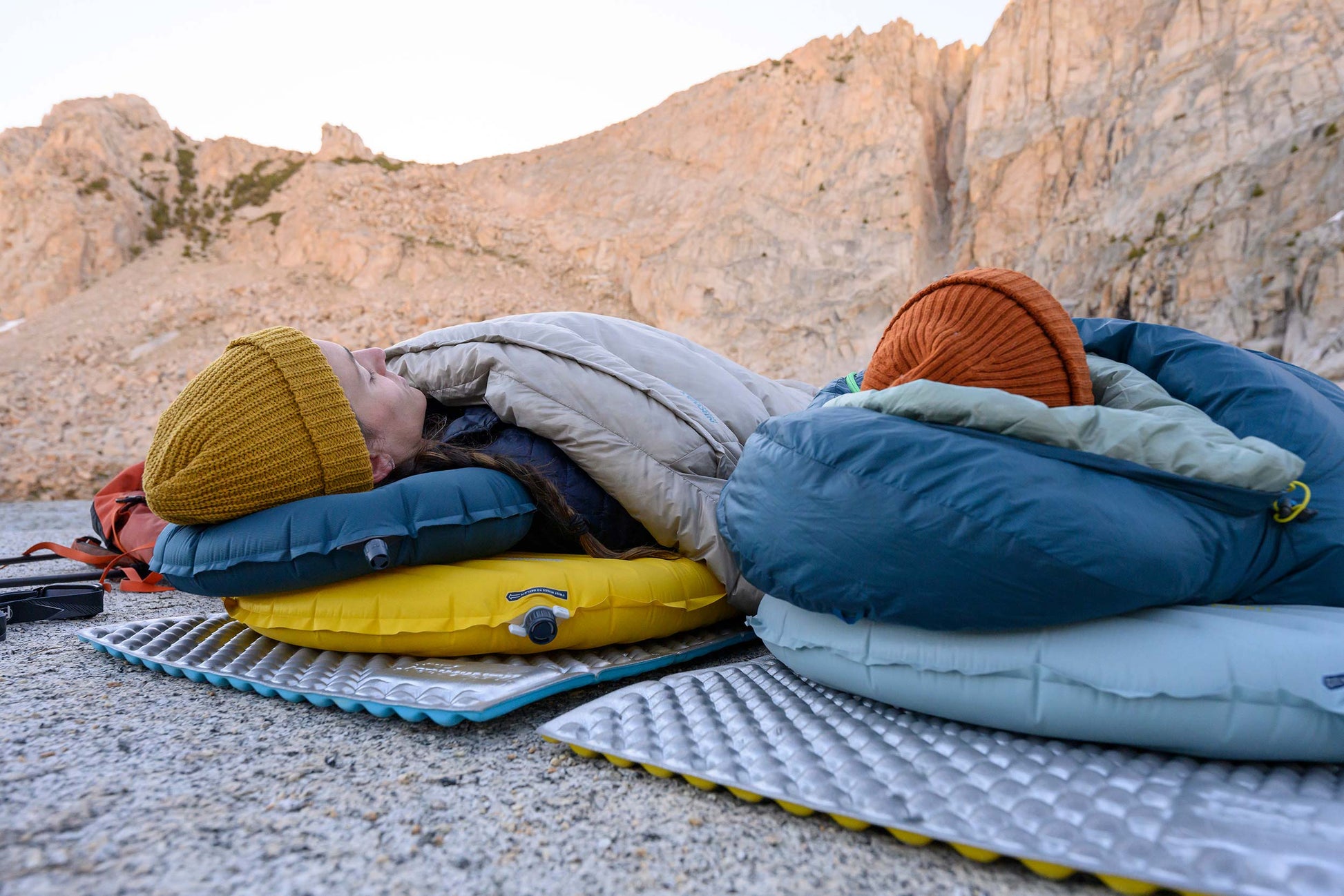
Choose a pad longer than your height by a few inches. This keeps your feet from hanging off and losing heat. Make sure your body fits snugly on the pad to avoid cold spots. A tight fit helps trap your body warmth effectively.
Preventing Insulation Compression
Lay on your pad and check if your weight compresses the insulation. Compression reduces the pad’s ability to keep you warm. Select a pad with enough thickness to support your body without flattening. Use a pad designed for your sleeping style to keep insulation intact all night.
Ensuring Proper Length And Width
Measure your height to pick the correct pad length. A longer pad adds comfort and warmth. Consider your shoulder and hip width for the right pad width. Wider pads suit side sleepers or those who move a lot in sleep. Test different sizes to find what feels best for you.
Credit: cascadedesigns.com
Frequently Asked Questions
How To Size A Sleeping Pad?
Choose a sleeping pad a few inches longer than your height to avoid foot exposure. Match width to your sleeping style for comfort. Consider pad thickness for insulation and support. Select based on activity type, prioritizing weight for backpacking and comfort for car camping.
Is A 20 Inch Sleeping Pad Wide Enough?
A 20-inch sleeping pad suits narrow sleepers or backpackers prioritizing weight. Wider pads offer more comfort for side sleepers or larger builds. Choose based on body size and sleep style to ensure warmth and support.
How Do You Know What Size Sleeping Bag To Get?
Choose a sleeping bag size based on your height and body build. Select length slightly longer than your height to avoid foot compression. Pick width for comfort: standard for snug fit, wide for broader frames or active sleepers. Test fit to balance warmth and space.
How To Choose The Right Sleeping Pad?
Choose a sleeping pad with an R-value matching your climate. Select type based on weight, comfort, and pack size. Pick length slightly longer than your height. Consider your sleeping position for cushion needs. Prioritize durability and ease of use for a restful outdoor sleep.
Conclusion
Choosing the right size inflatable sleeping pad matters for comfort and warmth. Pick a pad slightly longer than your height to protect your feet. Consider your sleeping style and body shape for the best fit. A well-sized pad keeps you cozy and supports a good night’s rest outdoors.
Remember, the right size helps keep body heat and improves your camping experience. Take time to measure and select carefully for your next adventure.