Size Guide for Tent Stakes: Ultimate Tips for Perfect Camping Gear
Choosing the right tent stakes can make all the difference between a safe, secure campsite and a frustrating night battling loose or bent pegs. You might wonder, “What size tent stakes do I really need?” or “How do I pick the best ones for my tent and the terrain I’ll face?” This size guide for tent stakes is designed just for you.
It breaks down everything you need to know—simple, clear, and practical—so you can confidently select stakes that hold your tent firmly, no matter where you camp. Keep reading to discover the perfect fit for your outdoor adventures and avoid common staking mistakes that could ruin your trip.
Your tent’s stability starts here.
Types Of Tent Stakes
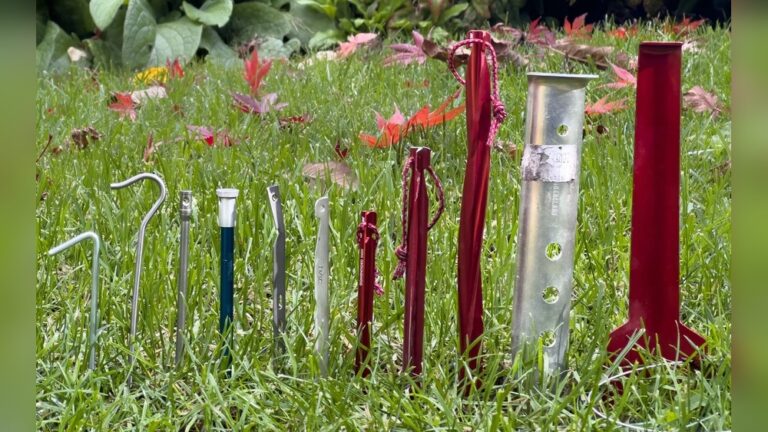
Tent stakes are essential for securing your tent firmly to the ground. Different types suit various terrains and camping styles. Knowing the types helps in choosing the right stakes for stability and safety.
Each type has unique features, strengths, and drawbacks. Understanding these can improve your camping experience. Here are the main types of tent stakes you should know.
Steel Stakes
Steel stakes are strong and durable. They hold well in hard or rocky soil. Their weight adds extra strength in windy conditions. Steel stakes resist bending and breaking easily. They may rust if left wet, so dry them after use.
Aluminum Stakes
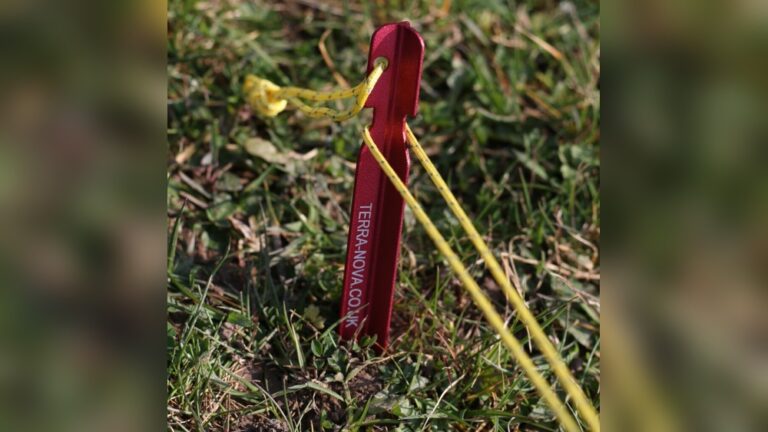
Aluminum stakes are lightweight and resistant to rust. They are good for backpackers who want to carry less weight. Aluminum works well in soft or sandy soil. These stakes bend more easily than steel but can be straightened. They offer a good balance of strength and weight.
Plastic Stakes
Plastic stakes are light and inexpensive. They work best in soft, loose soil like sand. Plastic stakes may break under strong pressure or hard ground. They are easy to spot and handle. Use plastic stakes for short trips or light tents.
Specialty Stakes
Specialty stakes serve specific needs and conditions. Examples include snow stakes for icy ground and screw-in stakes for loose soil. Some stakes have unique shapes for extra grip. Choose specialty stakes for tough or unusual camping spots. They provide better hold where regular stakes fail.

Credit: www.amazon.com
Choosing The Right Size
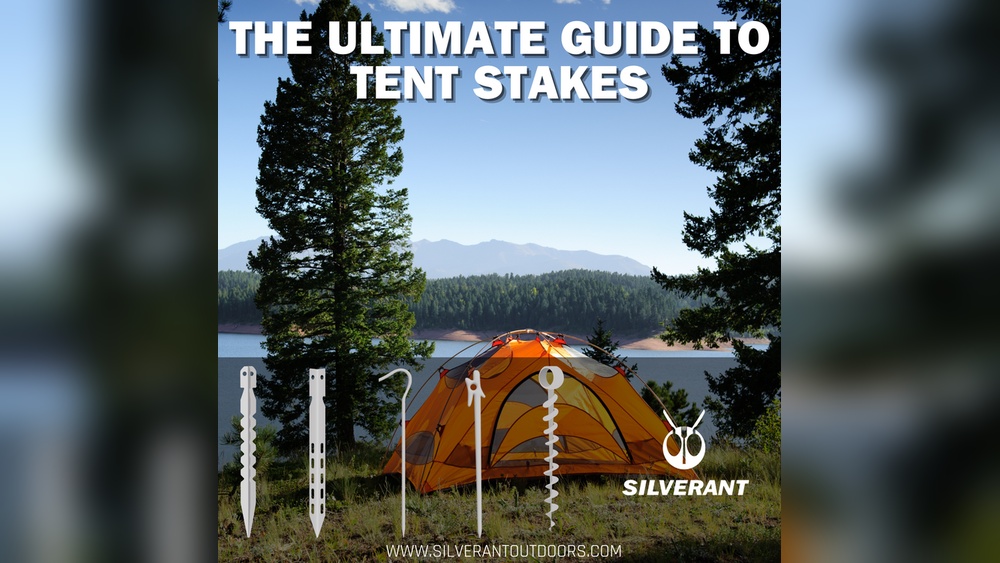
Tent stakes come in various designs and shapes to suit different ground types and camping needs. Each design offers unique benefits for holding your tent firmly in place. Choosing the right shape helps improve stability and ease of use. Understanding these shapes guides you to pick stakes that match your camping conditions and tent size.
V-shaped Stakes
V-shaped stakes have a pointed end and a wide top. They penetrate the ground easily and hold well in soft soil. Their shape resists pulling forces, making them stable in windy conditions. These stakes work best on dirt or grass. They are simple and effective for most camping trips.
Spiral Stakes
Spiral stakes twist into the ground like screws. This design gives them extra grip in loose or sandy soil. They resist being pulled out better than straight stakes. Spiral stakes take more time to install but hold very firm. They are ideal for beaches or loose dirt campsites.
Hooked Stakes
Hooked stakes have a curved top that holds tent loops or ropes securely. Their shape prevents ropes from slipping off. They work well in rocky or hard soil where deep penetration is difficult. Hooked stakes are easy to remove and reposition. They offer good grip for smaller tents.
Y-stakes
Y-stakes have two prongs forming a Y shape at the top. This design increases surface area and grip in the ground. They hold well in packed or sandy soil. Y-stakes are lightweight and easy to carry. Their shape helps resist sideways and upward forces on the tent.
Materials And Durability
Tent pegs appear often in the Bible, carrying deep symbolic meaning. They represent more than just tools for camping. Tent pegs stand for stability, growth, and divine purpose. The Bible uses these simple objects to teach powerful lessons about faith and life.
Understanding the biblical symbolism of tent pegs helps us see their role beyond physical use. Each mention reveals a spiritual truth that can inspire and guide us today.
Stability And Security
Tent pegs hold tents firmly in place. They stop tents from moving or falling during storms. This makes them symbols of stability and security. In the Bible, they represent a strong foundation in God. Just as pegs keep a tent safe, faith keeps believers steady in hard times.
For example, in 2 Samuel 22:35, God is compared to a “peg in a firm place.” This shows how God provides a secure base for life. Tent pegs remind us that trust in God offers lasting safety.
Growth And Expansion
Tent pegs also symbolize growth and expansion. In Isaiah 54:2, God tells His people to “lengthen your cords and strengthen your stakes.” This means to prepare for growth and new blessings. The pegs support the stretched tent, allowing more space inside.
This image encourages believers to expand their faith and reach out. It shows that God’s plan involves growth, both personally and spiritually. Tent pegs teach us to be ready for new opportunities and blessings.
Divine Purpose Examples
The Bible shows tent pegs used in important events with divine purpose. Judges 4:21 tells how Jael used a tent peg to bring justice to an enemy. This act shows God using ordinary objects for His plans.
Another example is in Exodus, where bronze pegs held the tabernacle in place. These pegs helped build God’s holy dwelling. They remind us that God’s work often depends on small, unseen supports.
Tent pegs symbolize how God uses simple things and people to fulfill His purposes. They teach us to trust God’s plan, even in the small details.

Credit: silverantoutdoors.com

Credit: silverantoutdoors.com
Frequently Asked Questions
What Size Tent Stakes Do I Need?
Choose tent stakes 6 to 12 inches long for general use. Use longer stakes for soft or sandy soil and shorter for rocky ground. Steel stakes offer durability. Always carry extra stakes for varied terrains.
How Do You Choose The Right Tent Pegs?
Choose tent pegs based on soil type, tent size, and weather conditions. Use steel pegs for rocky ground and longer ones for soft soil. Always carry extra pegs for varied terrain. Select durable, rust-resistant materials to ensure stability and secure your tent effectively.
How Do I Know What Size Tent Pole I Need?
Measure your tent pole’s full length and diameter using a tape measure. Check each section and the elastic cord. Match ferrules and ends for accuracy.
What Does The Bible Say About Tent Pegs?
The Bible uses tent pegs as symbols of stability, security, and firm foundation in God’s promises. They also represent divine purpose and strength. Notably, Jael used a tent peg for deliverance, showing God’s power through ordinary objects. Tent pegs symbolize growth, expansion, and a secure place in faith.
Conclusion
Choosing the right tent stakes ensures your tent stays secure and stable. Consider the soil type and tent size before selecting stakes. Carry extra stakes for unexpected ground conditions. Properly sized stakes prevent damage and improve camping comfort. Remember, small details make a big difference outdoors.
Use this guide to pick the best stakes for your next trip. Stay safe and enjoy your camping experience with confidence.