Size Guide for Ultralight Tent: Ultimate Tips for Perfect Fit
Choosing the right size ultralight tent can make all the difference on your outdoor adventures. You want something light enough to carry with ease but spacious enough to keep you comfortable through the night.
But how do you find that perfect balance? This size guide for ultralight tents is designed just for you. It will help you understand the key factors to consider, from tent weight to design and occupancy. By the time you finish reading, you’ll feel confident picking a tent that fits your needs perfectly—no more guessing or carrying extra bulk.
Ready to discover how to travel lighter without sacrificing comfort? Let’s dive in.
Weight Ranges
The weight of an ultralight tent plays a key role in your backpacking experience. Carrying less weight makes hiking easier and faster. Knowing typical weight ranges helps you pick the right tent for your needs. Ultralight tents usually weigh less than 3 pounds, but this depends on design and materials. Understanding weight variations guides you in finding the best balance between comfort and lightness.
Typical Weights
Ultralight tents often weigh between 1.5 and 3 pounds. Single-person models usually fall near 1.5 to 2.5 pounds. Two-person tents weigh around 2.5 to 3 pounds. Some special models can weigh less than 1.5 pounds but may trade durability. Heavier tents can still be light but offer more space or sturdiness. Weight varies based on size, design, and features.
Material Choices
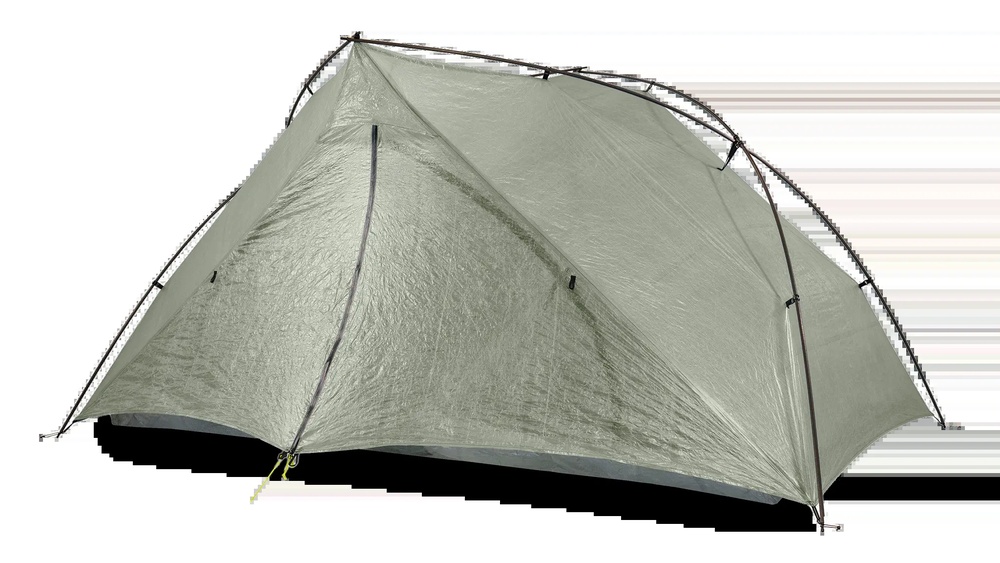
Materials impact the tent’s weight greatly. Silnylon is lightweight and durable, common in many ultralight tents. Silpoly offers better waterproofing but may be slightly heavier. Dyneema Composite Fabrics (DCF) are very light and strong but cost more. Choosing lighter materials reduces pack weight but may affect price and toughness. Each fabric suits different hiking needs and budgets.
Design Impact
Design features affect tent weight significantly. Trekking pole tents use your hiking poles for support, cutting weight from extra poles. Single-wall tents weigh less but risk more condensation inside. Double-wall tents add weight but improve ventilation. Vestibule designs with half-height doors save weight but may let in drafts. More occupants mean bigger tents and higher weight, yet ultralight options exist for pairs.
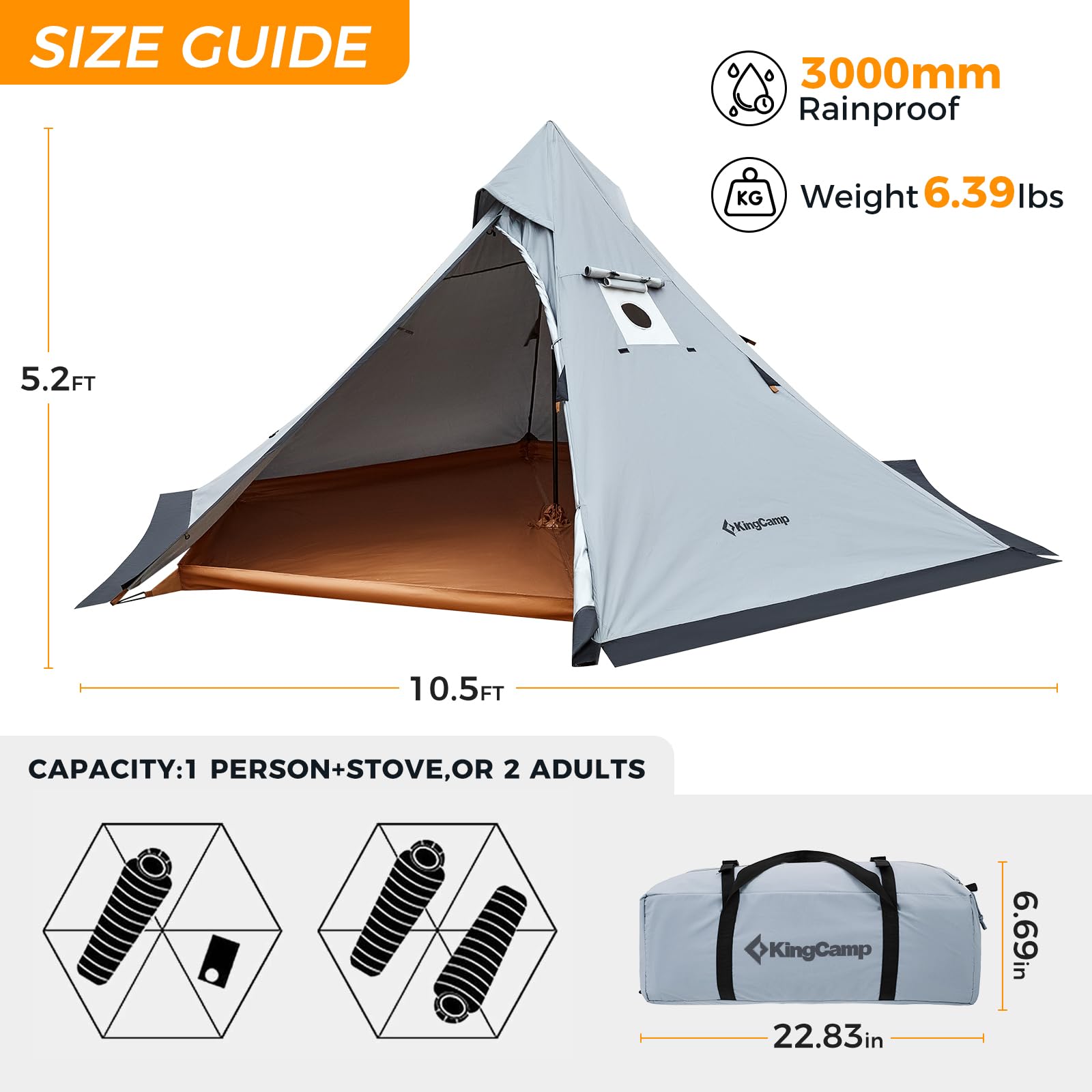
Credit: kingcampoutdoors.co.uk
Ultralight Tent Designs
Ultralight tent designs focus on cutting weight without losing shelter quality. These tents suit hikers who carry all gear on their backs. Every detail in the design helps reduce the load and improve comfort.
Choosing the right design affects how light and durable your tent will be. Small changes in poles, walls, or vestibules can save ounces and add convenience. Understanding these designs helps pick the best tent size and style.
Trekking Pole Tents
Trekking pole tents use your hiking poles as tent supports. This design removes the need for extra poles, saving weight and space. Poles double as tent frames, which cuts down the gear you carry.
These tents usually weigh less than traditional ones. Setup is simple but depends on your poles’ length and strength. Ideal for solo hikers who want minimal weight and fast pitching.
Single Vs Double Wall
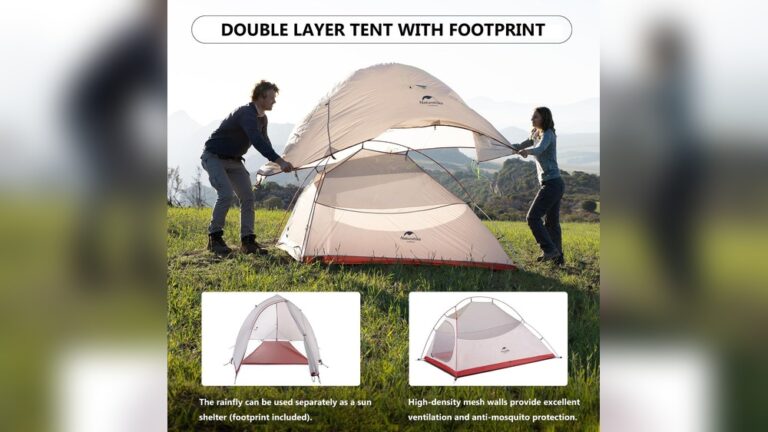
Single-wall tents combine rainfly and inner tent in one layer. They weigh less but can cause more condensation inside. Double-wall tents have two layers for better airflow and less moisture build-up.
Double-wall tents are heavier but more comfortable in wet weather. Single-wall tents suit dry, warm conditions and short trips. Your choice depends on climate and how much weight you can carry.
Vestibule Styles
Vestibules add extra covered space for gear outside the main tent area. Ultralight tents often have half-height vestibule doors to save fabric and weight. These allow airflow but may let in drafts or splash-back from rain.
Some designs use full vestibules for better protection but add more weight. Choosing vestibule style depends on your weather needs and gear size. A good vestibule keeps your pack dry and the tent interior clean.
Sizing For Occupancy
Choosing the right size for your ultralight tent depends largely on how many people will use it. Proper sizing ensures comfort and efficient use of space. It also affects the tent’s weight and packability. Understanding different occupancy needs helps you pick the best option for your trips.
Solo Options
Solo ultralight tents focus on minimizing weight and bulk. These tents are compact and easy to carry. They offer just enough room for one person and their gear. Some models provide extra space for comfort, while others are very snug. Choose based on your need for mobility versus comfort.
Pairs And Groups
Tents for two or more people require more space and support. Ultralight designs for pairs balance size and weight carefully. Group tents are larger and heavier but still aim to stay light. Think about how many people will sleep inside. Make sure everyone has enough room to rest comfortably.
Extra Space Considerations
Extra space inside the tent improves comfort and storage options. It allows room for backpacks, shoes, and other gear. A slightly larger tent can reduce condensation and improve ventilation. Some hikers prefer tents with vestibules for added storage. Consider your gear and weather needs before choosing extra space.

Credit: seekoutside.com
Balancing Weight And Comfort
Choosing the right ultralight tent means finding a balance between weight and comfort. Too heavy, and it slows you down. Too light, and you may sacrifice shelter quality or space. Understanding your needs helps select a tent that fits your trip and style perfectly.
Setting Weight Targets
Start by deciding how much weight you can carry. Many hikers aim for tents under 3 pounds. Some ultralight models weigh less than 2 pounds. Setting a clear weight target guides your search and narrows choices. Remember, every ounce counts on long hikes.
Comfort Preferences
Comfort depends on tent size, ventilation, and space inside. A tiny tent saves weight but may feel cramped. Some prefer more room for gear and movement. Consider how much space you need to sleep and store items. Ventilation affects condensation and warmth, impacting comfort.
Hiking Style Influence
Your hiking style shapes tent needs. Fast packers favor very light tents with minimal features. Casual hikers may choose slightly heavier tents with extra comfort. Solo hikers have different needs than groups. Match your tent choice to your usual trip length and terrain.
Common Drawbacks
Ultralight tents offer great weight savings but come with some common drawbacks. These issues can affect comfort and protection during your outdoor adventures. Knowing these problems helps you choose the right tent size and design. Here are the main concerns to watch out for.
Draftiness Issues
Many ultralight tents have shorter vestibule doors. These doors often do not reach the ground. This design helps airflow but lets cold air enter. The inside of the tent can feel drafty and chilly. A drafty tent reduces comfort in cool weather. It may force you to wear more layers inside. Some users find this issue hard to ignore on windy nights.
Splash-back Concerns
Rain hitting the ground can bounce back inside the tent. This splash-back happens more with half-height doors. When rainwater splashes up, it soaks your gear and floor. This problem is worse if the tent sits low or on uneven ground. Splash-back can dampen your sleeping bag and clothes. Protecting your gear from splash-back is often tricky in lightweight designs.
Condensation Challenges
Ultralight tents usually have single-wall designs. Single-wall tents trap moisture more than double-wall tents. Warm breath and sweat cause water droplets inside the tent. Condensation can drip on your face or gear. This moisture buildup feels uncomfortable and can wet your belongings. Ventilation helps but may increase draftiness. Managing condensation is a constant balance in ultralight tent use.
Measuring Tent Size
Measuring the right size for an ultralight tent ensures comfort and efficiency on your outdoor trip. A tent that fits your needs well saves weight and space. It also helps avoid carrying unnecessary bulk. Understanding how to measure tent size is key to choosing the perfect shelter.
Using Size Charts
Size charts provide standard dimensions for different tent models. They show length, width, and height in feet or meters. Compare these measurements with your body size and gear. Look for charts that include space for sleeping and storing equipment. Size charts simplify the selection process and help you pick a tent that fits well.
Space Calculations
Calculate the space you need inside the tent before buying. Allow room for sleeping, gear storage, and movement. Add extra space if you camp with a partner or pets. Measure your sleeping pad and backpack to find their total area. This step prevents choosing a tent that is too small or bulky.
Tent Layout Tips
Consider the tent layout for better space use. Look for tents with separate vestibules for gear. This keeps the sleeping area clean and spacious. Some tents have adjustable interiors to fit different needs. Think about door placement for easy access. Proper layout planning maximizes comfort during your trip.
Choosing The Right Ultralight Tent
Choosing the right ultralight tent is essential for a comfortable outdoor experience. The perfect tent balances weight, space, and protection. It must suit your trip type and weather conditions.
Understanding key factors helps you pick a tent that meets your needs. Consider the season, material strength, and how easy it is to carry. These points affect your safety and comfort on the trail.
Seasonal Considerations
Seasonal conditions affect tent choice greatly. Summer tents are lighter with more ventilation. Winter tents need strong structures to handle snow and wind.
Three-season tents offer a mix of durability and breathability. Check for weather ratings to ensure the tent fits your adventure timing.
Material Durability
Ultralight tents use materials like silnylon and Dyneema. These fabrics offer strength without much weight. Durable materials resist tears and water well.
Look for tents with reinforced seams and quality zippers. These details increase the tent’s lifespan and performance outdoors.
Packability Factors
Packability is key for ultralight tents. The tent should compress small and fit easily in your backpack. Weight matters but so does size.
Check the packed dimensions and weight before buying. A tent that fits your pack space makes hiking easier and faster.

Credit: altongoods.com
Frequently Asked Questions
What Is A Good Weight For An Ultralight Tent?
A good weight for an ultralight tent typically ranges between 1 to 2 pounds (450 to 900 grams). Lighter tents use materials like silnylon or Dyneema. Weight varies by design, occupancy, and features. Choose based on comfort, hiking style, and durability needs.
How Many People Can Fit In A 40×20 Tent?
A 40×20 tent typically fits 80 people standing or about 40 seated for dining. Capacity varies by setup.
What Are The Drawbacks Of Ultralight Tents?
Ultralight tents often feel cramped and drafty due to half-length vestibule doors. They may allow rain splash-back inside. Their lightweight design can reduce durability and increase condensation risk.
How Do You Figure Out What Size Tent You Need?
Calculate tent size by counting occupants and adding space for gear and comfort. Choose based on sleeping area and tent dimensions.
Conclusion
Choosing the right ultralight tent size matters for comfort and ease. Smaller tents weigh less but offer less space. Larger tents provide room but add extra weight. Consider your needs and hiking style carefully. Balance weight with comfort to enjoy your outdoor trips.
A well-sized tent improves rest and protection in nature. Use this guide to pick the best fit for you. Stay light, stay comfortable, and enjoy every adventure.