Step by Step Guide to Using Camping Hammock: Ultimate Comfort Tips
Are you ready to take your outdoor adventures to the next level? Using a camping hammock can transform your camping experience, offering comfort and relaxation like never before.
But if you’ve never tried one, setting it up might seem tricky. Don’t worry—this step-by-step guide will walk you through everything you need to know. From choosing the right spot to hanging your hammock safely and comfortably, you’ll learn simple, clear instructions that anyone can follow.
Keep reading, and soon you’ll be swinging into your perfect campsite setup with ease!
Choosing Your Hammock
Choosing the right hammock is the first step to a good camping experience. The perfect hammock fits your needs and camping style. Consider where and how often you will use it. Comfort, durability, and ease of use matter most. This guide helps you pick the best camping hammock.
Types Of Camping Hammocks
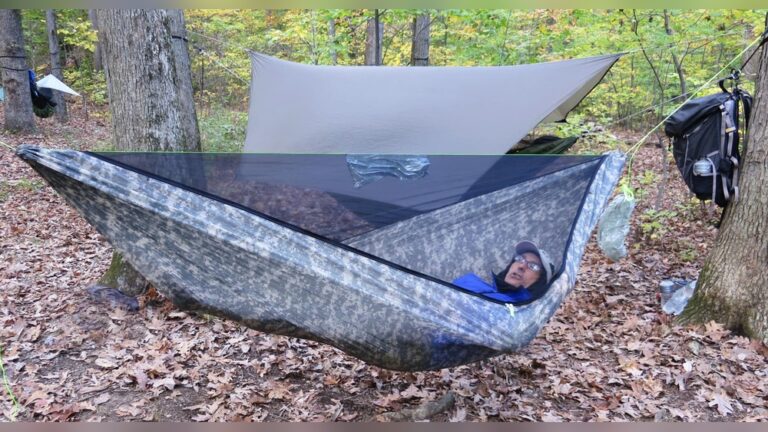
There are several types of camping hammocks to choose from. Single hammocks suit solo campers. Double hammocks offer more space and comfort. Some hammocks come with built-in bug nets. Others include rain tarps for wet weather. Choose a type that matches your camping conditions.
Materials And Durability
Hammocks come in different materials that affect strength and comfort. Nylon is lightweight and dries quickly. Polyester is strong and resists stretching. Look for hammocks with double-stitched seams for extra durability. Ripstop fabric prevents tears. Durable materials last longer and keep you safe.
Weight And Portability
Weight is important for backpackers and hikers. Lightweight hammocks make travel easier. Some weigh under one pound. Compact designs fit small backpacks. Consider the balance between weight and comfort. Portability helps you carry your hammock without extra strain.
Selecting The Campsite
Selecting the right campsite is crucial for a comfortable and safe hammock camping experience. The spot you choose affects your rest and overall enjoyment. It requires attention to anchor points, terrain, and weather risks. Proper preparation ensures a relaxing night outdoors.
Finding Strong Anchor Points
Choose sturdy trees or posts about 12 to 15 feet apart. Trees should be healthy and at least 6 inches thick. Avoid dead or weak trees that can break. Test the anchor points by gently pulling before hanging your hammock.
Assessing Terrain And Safety
Pick flat ground free from rocks, sharp objects, or holes. Avoid areas near cliffs or steep slopes. Check for insect nests or animal trails nearby. Clear debris to prevent damage to your hammock. Safety is key for a peaceful sleep outdoors.
Avoiding Weather Hazards
Avoid low spots where water can collect during rain. Stay away from areas prone to strong winds or lightning strikes. Look for natural windbreaks like bushes or hills. Plan for sun exposure to stay cool during the day. Proper site selection protects you from harsh weather.
Setting Up The Hammock
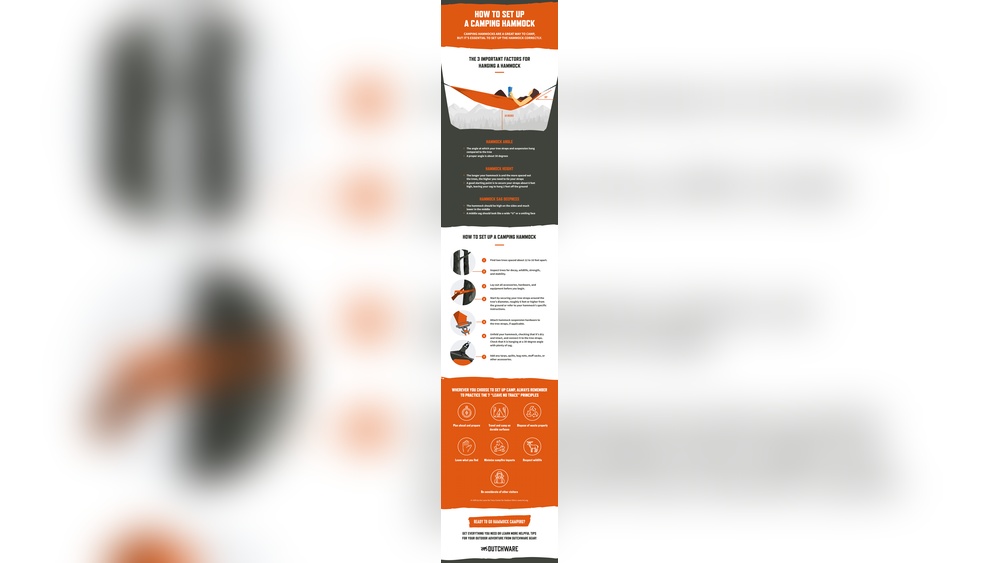
Setting up a camping hammock properly ensures a safe and comfortable rest outdoors. This step involves choosing the right height, angle, and tension. Each factor affects how you relax and sleep in your hammock. Follow these simple instructions to get your hammock ready quickly and easily.
Proper Hanging Height And Angle
Hang your hammock between two sturdy trees or posts. The ideal height is about 4 to 5 feet off the ground. This height keeps you safe and easy to enter or exit. Aim for a 30-degree angle between the hammock and suspension line. This angle offers the best balance of comfort and support.
Adjusting Sag For Comfort
Sag refers to how much your hammock dips when you lie in it. Too tight or too loose can cause discomfort. Adjust the sag by changing the length of your suspension straps. A good sag creates a gentle curve, allowing you to lie flat and relax.
Using Suspension Systems
Use tree-friendly straps or ropes to avoid damaging bark. Wrap the straps around the tree and attach them to your hammock’s carabiners. Suspension systems let you adjust height and sag easily. They also provide a secure hold for safe hanging.
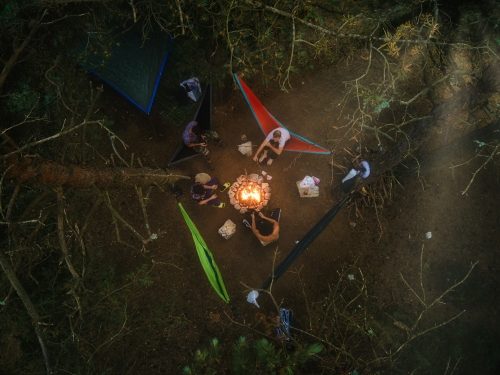
Credit: hammockgear.com
Sleeping Position Tips
Sleeping comfortably in a camping hammock takes some practice. The right position helps you rest well and avoid aches. Small adjustments can make a big difference in how supported and warm you feel. Follow these simple tips to improve your sleeping experience in a hammock.
Sleeping Diagonally For Support
Lie diagonally across the hammock instead of straight. This flattens your body and prevents bending at the hips. It spreads your weight evenly, giving better back support. You will feel more stable and comfortable this way. Try small shifts to find your best angle.
Choosing The Right Sleep Pad
Pick a sleep pad that fits inside your hammock. It adds cushioning and insulation from the cold air below. Look for lightweight pads made for hammocks or camping. A good pad keeps your body warm and soft against the hammock fabric. Check the pad size before your trip.
Preventing Cold Spots
Cold spots happen when air flows under your body. Use an underquilt or an insulated pad to block the chill. Wear warm clothing and use a sleeping bag suited for the weather. Keep your core warm to avoid stiff muscles. Layering helps keep heat trapped inside your hammock.
Adding Rain And Bug Protection
Adding rain and bug protection is essential for a comfortable hammock camping experience. Rain can soak your gear and body, making your night cold and unpleasant. Bugs can disturb your sleep and cause irritation. Protecting yourself from both helps you enjoy nature without discomfort.
Using a rain fly and bug net creates a shield around your hammock. Proper setup ensures maximum coverage and ease of use. Ridgelines help keep your shelter stable and secure in various weather conditions.
Setting Up A Rain Fly
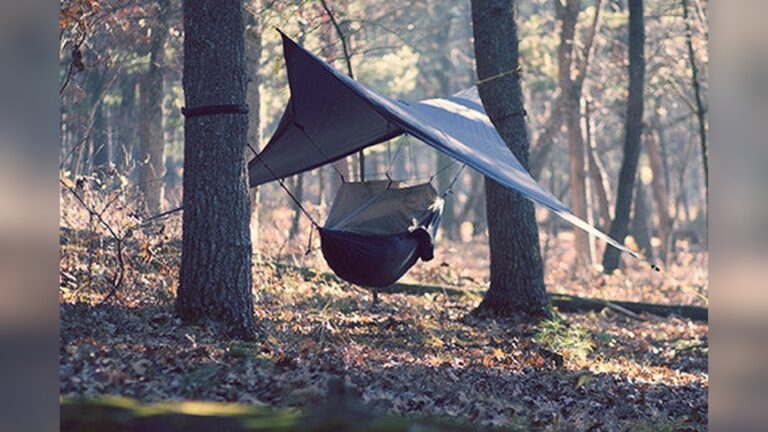
Choose a rain fly that fits your hammock size. Unfold the fly and position it above your hammock. Use strong cords to tie the fly to nearby trees. Angle the fly so rainwater runs off easily. Ensure the fly extends beyond the hammock edges for full coverage.
Tighten the cords to prevent sagging. A taut rain fly stops water from pooling. Adjust the height based on weather and tree positions. Leave enough space for airflow to reduce condensation under the fly.
Installing A Bug Net
Select a bug net designed for your hammock model. Drape the net over the hammock, covering all sides. Attach the net’s edges to the suspension or nearby trees. Close the entry point securely to keep insects out.
Check for holes or gaps before resting. A well-installed bug net blocks mosquitoes and small bugs. Keep the net clean and dry to avoid damage. Remove the net only after you leave the camping area.
Using Ridgelines Effectively
Attach a ridgeline above your hammock between two anchor points. The ridgeline keeps the rain fly and bug net stable. Adjust the ridgeline length to fit your setup.
Use tensioners to tighten the ridgeline. A tight ridgeline prevents sagging and flapping in the wind. Position the ridgeline so it supports both rain fly and bug net evenly. This setup improves shelter durability and comfort.
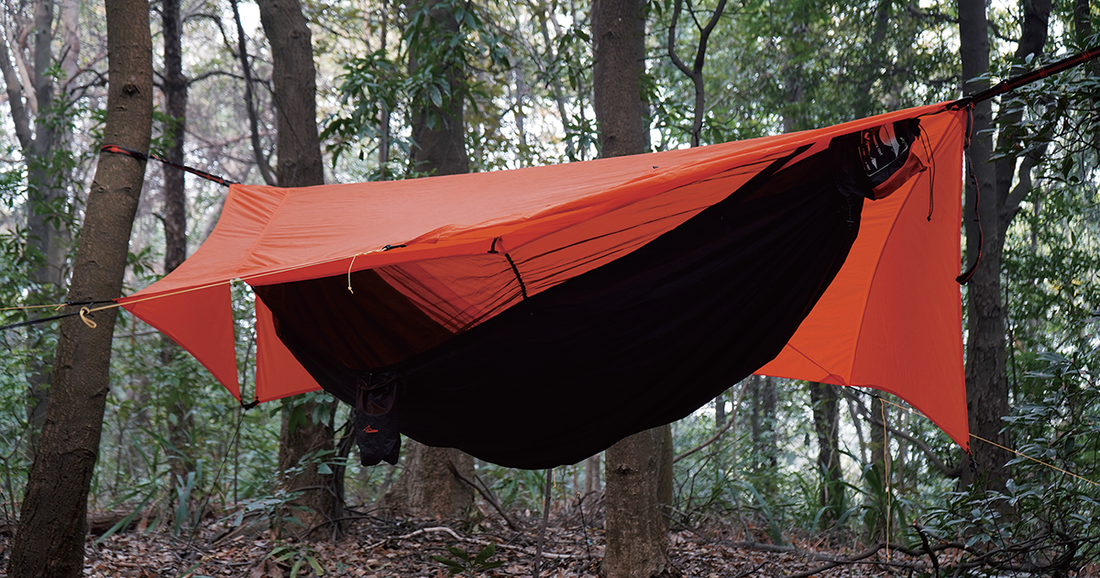
Credit: travelbird.cc
Packing And Maintenance
Packing your camping hammock properly and keeping it well maintained extends its life. Careful storage prevents damage from moisture and dirt. Regular cleaning keeps the fabric fresh and comfortable. Checking for wear and tear ensures safety during use. Follow these simple steps to protect your hammock and enjoy many camping trips.
Proper Hammock Storage
Store your hammock in a dry place. Avoid damp areas that cause mildew. Use a breathable storage bag or container. Do not leave your hammock in direct sunlight for long. Fold it loosely to prevent creases. Keep it away from sharp objects that can tear the fabric.
Cleaning Tips
Clean your hammock after each trip. Shake off dirt and debris first. Hand wash with mild soap and cold water. Avoid bleach or harsh detergents that weaken fibers. Rinse thoroughly to remove all soap. Air dry completely before packing to stop mold growth. Spot clean stains promptly to keep it looking new.
Inspecting For Wear And Tear
Check ropes and straps for fraying or damage. Look over the fabric for holes or thin spots. Inspect stitching for loose threads or breaks. Repair small tears quickly to avoid bigger problems. Replace worn suspension parts before your next trip. Regular inspections help prevent accidents and keep you safe.
Safety And Comfort Hacks
Using a camping hammock can be relaxing and fun. Safety and comfort make it better. Follow these hacks to stay safe and cozy during your trip.
These tips will help keep your hammock steady and protect you from the weather. You will enjoy your outdoor rest without worry.
Using Stiff Wires And Rigid Supports
Stiff wires help keep your hammock stable. Run a stiff wire through the foot and head ends. This stops the hammock from twisting or sagging too much.
Attach the wires to strong, rigid supports like trees or poles. This keeps your hammock firm and secure. It also improves your comfort by holding the hammock’s shape well.
Securing With Carabiners
Carabiners make hanging your hammock easier and safer. Use strong, locking carabiners to attach your hammock to the suspension straps or ropes.
They prevent accidental slips and allow quick setup or removal. Check that carabiners are fully closed and locked before use. This avoids falls and injury.
Managing Wind And Rain
Wind and rain can spoil your camping comfort. Use a tarp or rainfly above your hammock to stay dry. Make sure it is tied tight and covers your whole hammock.
Choose a low ridgeline for your tarp. This helps block wind and rain from the sides. Position your hammock where trees or natural windbreaks reduce strong gusts.

Credit: www.onewindoutdoors.com
Frequently Asked Questions
How Do I Choose The Right Camping Hammock?
Select a hammock based on weight capacity, material, and size. Consider durability and weather resistance for your camping environment. Lightweight and compact hammocks are best for backpacking.
What Is The Best Way To Hang A Camping Hammock?
Choose two sturdy trees about 10-15 feet apart. Attach suspension straps at head and foot ends, keeping the hammock 18 inches off the ground. Ensure a 30-degree angle for comfort and safety.
How Can I Stay Warm While Hammock Camping?
Use an underquilt or sleeping pad inside the hammock to insulate from cold air. Add a top quilt or sleeping bag. Wearing warm clothing and using a tarp for wind protection helps too.
What Gear Is Essential For Hammock Camping?
Bring a hammock, suspension straps, an underquilt or sleeping pad, a tarp for rain, and bug netting if needed. A ridgeline helps maintain shape and hang correctly.
Conclusion
Using a camping hammock can make your outdoor trips more comfortable. Follow each step carefully to set it up safely. Choose strong anchor points and check the height before hanging. Adjust the hammock for a cozy, flat sleeping position. Practice setting it up at home to feel confident outdoors.
Enjoy the peace and rest that hammock camping offers. This simple gear adds fun and ease to your camping adventures. Keep these tips in mind for your next trip. Happy camping and sweet dreams under the stars!