Step by Step Guide to Using Camping Pillow: Ultimate Comfort Tips
Are you ready to transform your camping nights into restful, pain-free sleep? Using a camping pillow correctly can make all the difference between waking up refreshed or struggling with neck pain.
Whether you’re a seasoned camper or just starting out, knowing how to set up and adjust your camping pillow step by step will unlock the comfort you deserve. In this guide, you’ll discover simple, practical tips to use your camping pillow the right way—so you can relax fully, support your neck, and wake up ready for your next adventure.
Keep reading to learn how to get the best rest under the stars!
Choosing The Right Pillow
Picking the right camping pillow can improve your sleep outdoors. Comfort matters most for a restful night. The right pillow supports your neck and head well. It also fits your space and needs. Consider the type, material, and size before buying. This guide helps you find the best pillow for camping.
Types Of Camping Pillows
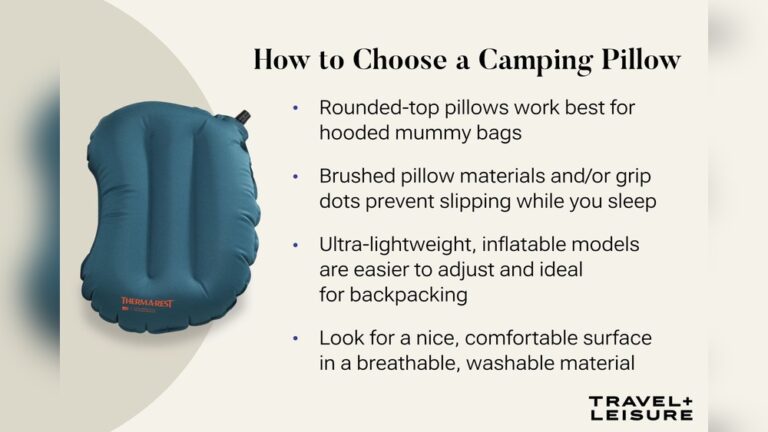
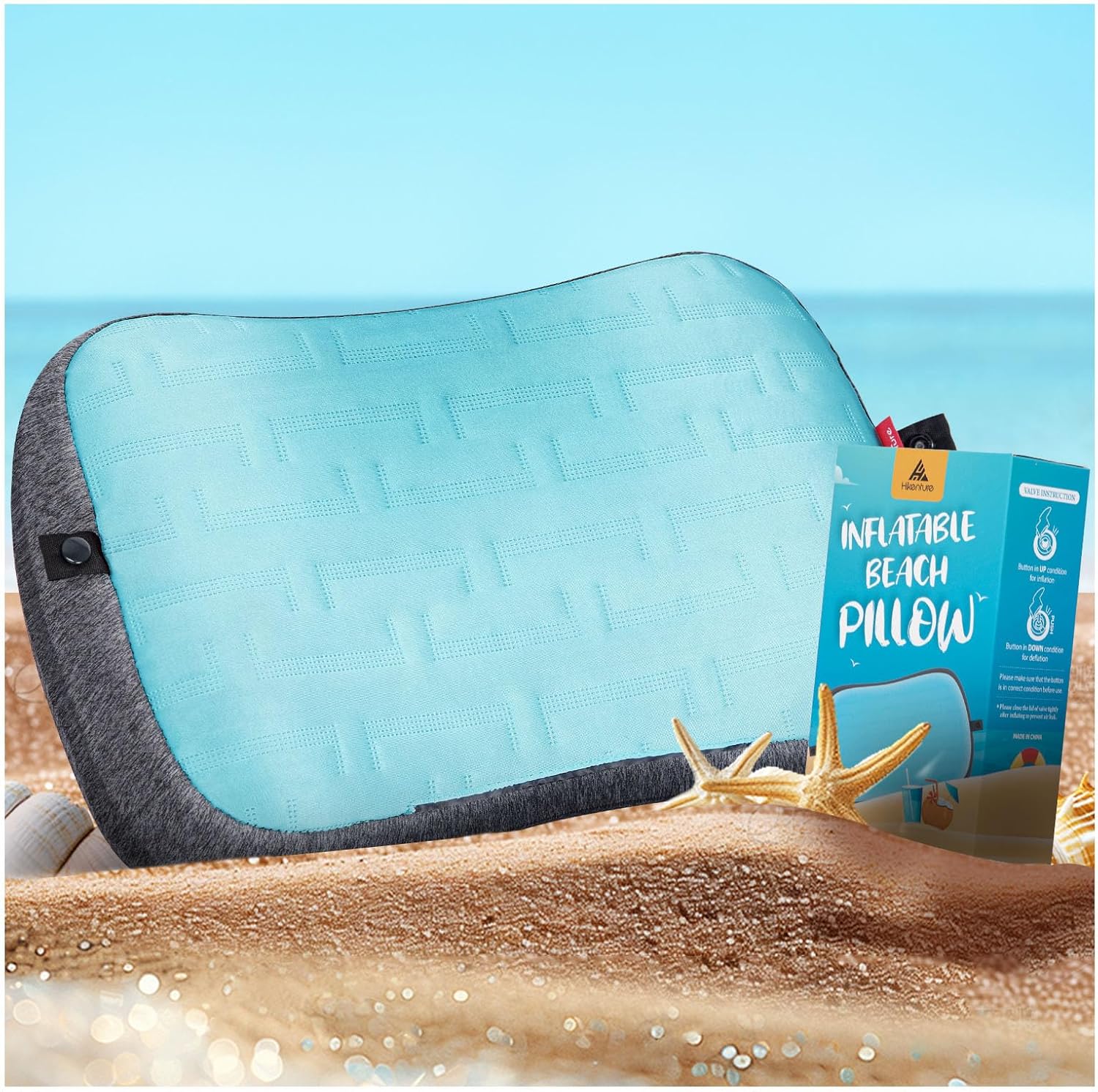
There are several types of camping pillows. Inflatable pillows save space and adjust firmness. Foam pillows offer steady support without inflation. Compressible pillows are soft and easy to pack. Each type suits different sleeping styles and preferences. Choose one that matches your comfort and camping style.
Material And Comfort Factors
Pillow material affects comfort and durability. Memory foam molds to your neck shape for support. Polyester fills are lightweight and dry quickly. Some pillows have covers made from soft, breathable fabric. Consider moisture-wicking materials to stay dry at night. Pick a pillow that feels good and lasts long.
Size And Portability
Size matters for packing and carrying. Small pillows fit easily in backpacks and take less space. Larger pillows offer more comfort but weigh more. Inflatable pillows pack down very small when deflated. Think about your backpack space and weight limits. Choose a pillow that is easy to carry and fits your trip.
Preparing Your Pillow
Preparing your camping pillow properly enhances your comfort during outdoor trips. Before using it, take time to set it up right. This ensures good neck support and a restful sleep under the stars. Follow simple steps to get your pillow ready for use.
Inflating And Adjusting Firmness
Start by inflating your camping pillow slowly. Use the built-in valve or pump to add air. Stop inflating once the pillow feels firm but still soft enough to support your head. Adjust the air level by releasing or adding more air to find your perfect comfort. Avoid overinflating as it can make the pillow too hard and uncomfortable.
Cleaning Before Use
Clean your camping pillow before the first use. Wipe the surface with a damp cloth to remove dust or dirt from storage. For pillows with removable covers, wash them according to the care label. Keeping your pillow clean prevents skin irritation and keeps it fresh for camping nights. Always dry your pillow completely before packing it away.
Proper Pillow Positioning
Proper pillow positioning is key to a comfortable camping experience. Placing your camping pillow correctly supports your neck and head. It helps avoid stiffness and pain after a long day outdoors.
Different positions serve different needs. Whether sitting upright or leaning to the side, your pillow should provide steady support. Avoid common mistakes that reduce comfort and cause strain.
Front Support For Upright Sitting
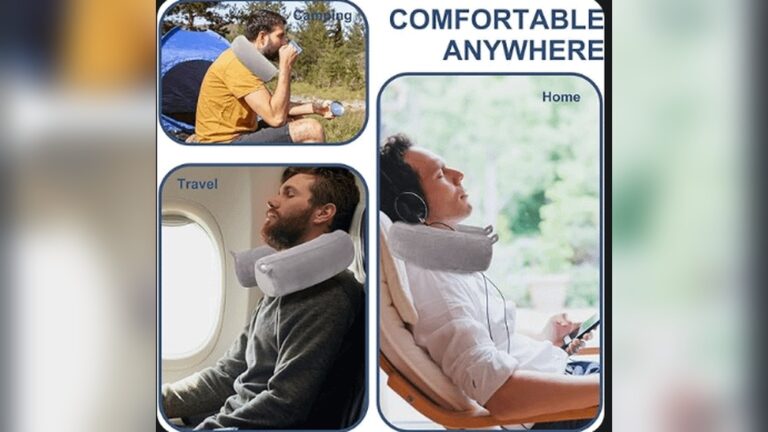
Place the pillow with its opening under your chin. The thicker parts will cradle your neck and jaw. This stops your head from falling forward while sitting upright.
This position is perfect for reading or relaxing in your camping chair. It keeps your head steady and your neck aligned. Your muscles stay relaxed and pain-free.
Side Support For Leaning
Shift the pillow so the thickest part rests against your shoulder. This supports your head as you lean sideways. It prevents your head from tilting too far.
This setup works well when resting against a tree or tent wall. Your neck stays in a natural curve. You avoid strain and enjoy better rest.
Avoiding Back Opening Placement
Do not place the pillow opening at the back of your neck. This often pushes your head forward. It can cause neck pain and discomfort.
Back opening placement makes your head bob while you rest. This leads to poor spinal alignment. Keep the opening in front or to the side for best results.
Credit: www.etsy.com
Securing The Pillow
Securing your camping pillow properly ensures it stays in place throughout the night. A well-secured pillow offers better support and comfort. It prevents unnecessary movement that can disrupt your sleep. Follow these simple steps to keep your pillow steady and cozy on your camping trip.
Using Snaps And Ties
Many camping pillows come with snaps or ties. Use these features to fasten the pillow to your sleeping bag or backpack. Snaps are easy to click into place and hold the pillow firmly. Ties can be wrapped around a strap or loop for extra security. This prevents the pillow from sliding off during the night. Attach them before you settle down to sleep for the best support.
Ensuring Snug Fit Without Tightness
Adjust the pillow so it fits snugly around your neck or head. It should not be too tight, which can cause discomfort. A loose fit makes the pillow shift and lose support. Find a balance by gently tightening straps or adjusting the pillow’s position. Your head should feel supported but free to move slightly. This helps avoid stiffness and promotes better rest.
Optimizing Sleeping Posture
Optimizing your sleeping posture with a camping pillow improves rest quality. A good posture reduces neck and back pain during camping trips. Using your camping pillow correctly supports your spine and keeps your body comfortable. Follow these steps to align your body and adjust your sleeping angle for better sleep outdoors.
Maintaining Spinal Alignment
Keep your head, neck, and spine in a straight line. Place the pillow so it supports the natural curve of your neck. Avoid letting your head tilt forward or sideways too much. A well-aligned spine prevents stiffness and soreness after sleeping. Use the pillow’s thickness to fill the space between your neck and the ground or seat. This support helps your muscles relax and reduces tension.
Adjusting Seat Or Sleeping Angle
Set your seat or sleeping surface at a slight recline. Sitting or lying fully upright can strain your neck and shoulders. Tilt your body enough to relieve pressure but stay comfortable. Adjust the pillow to match the angle of your seat or tent bed. This adjustment keeps your head stable and prevents it from falling forward. A small angle change improves blood flow and breathing while you rest.
Credit: qunature.com
Packing And Storing
Packing and storing your camping pillow properly keeps it in good shape for many trips. A well-packed pillow saves space and stays clean. Proper storage also helps maintain the pillow’s comfort and durability. Follow simple steps to deflate, fold, and store your pillow safely.
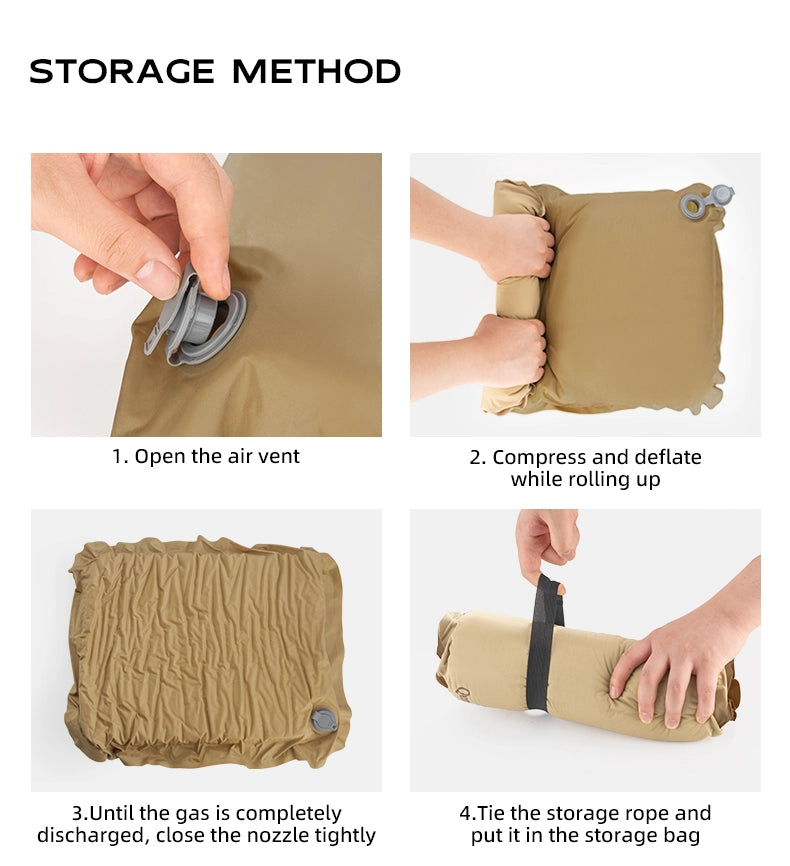
Deflating And Folding
Start by fully deflating your camping pillow. Open the valve and press gently to release all air. Make sure no air pockets remain inside. Flatten the pillow as much as possible.
Next, fold the pillow carefully. Fold it in half or thirds, depending on its size. Avoid sharp creases that can damage the material. A neat fold helps the pillow fit in your bag easily.
Storage Tips For Longevity
Store your camping pillow in a dry, cool place. Avoid direct sunlight or damp areas to prevent damage. Use a breathable storage bag if available. This keeps moisture away and prevents mold.
Keep the pillow away from sharp objects or heavy gear. These can puncture or deform it. Check your pillow before packing for the next trip. Air it out to remove any odors or moisture. Proper storage extends the life of your camping pillow and keeps it ready for use.
Troubleshooting Common Issues
Troubleshooting common issues with your camping pillow can improve sleep quality outdoors. Small adjustments help fix discomfort and keep your head stable. Understanding simple fixes ensures better rest on every trip.
Use these tips to solve frequent problems like head bobbing and discomfort. Tailor your pillow to fit your needs. Enjoy peaceful nights under the stars.
Preventing Head Bobbing
Head bobbing happens when the pillow does not support your neck well. Position the pillow so the thicker part cradles your neck. Keep the opening at the front to stop your head from falling forward.
Secure the pillow with any straps or fasteners. For inflatable pillows, adjust air levels for firm support. Slightly recline your seat to reduce strain and keep alignment.
Dealing With Discomfort
Discomfort can come from a pillow that is too hard or too soft. Add or release air in inflatable pillows to find the right firmness. For foam pillows, use a pillowcase to soften the feel.
Change your sleeping position if pain persists. Avoid wearing the pillow with the opening in the back as it may cause neck pain. Make small changes to find comfort quickly.
Adjusting For Personal Preference
Everyone sleeps differently. Adjust your pillow to match your style. Move the pillow’s thick parts to support your preferred sleeping side.
Use straps or snaps to keep the pillow snug but not tight. Experiment with firmness and placement each night. Find what works best for your neck and head support.
Extra Comfort Tips
Enhancing your camping pillow experience brings better rest outdoors. Small changes make big differences in comfort. These extra tips help you sleep soundly, no matter where you camp. Try simple adjustments to find what feels best for you.
Experimenting With Positions
Try different pillow placements to support your head and neck. Use it under your neck, behind your head, or even as a lumbar cushion. Change positions until you find the one that eases pressure points. This helps reduce stiffness and soreness after a long day.
Resting on your side? Shift the pillow to fill gaps between your shoulder and head. On your back? Place the pillow so your neck keeps its natural curve. Adjusting your sleeping position often improves airflow and comfort.
Combining With Other Gear
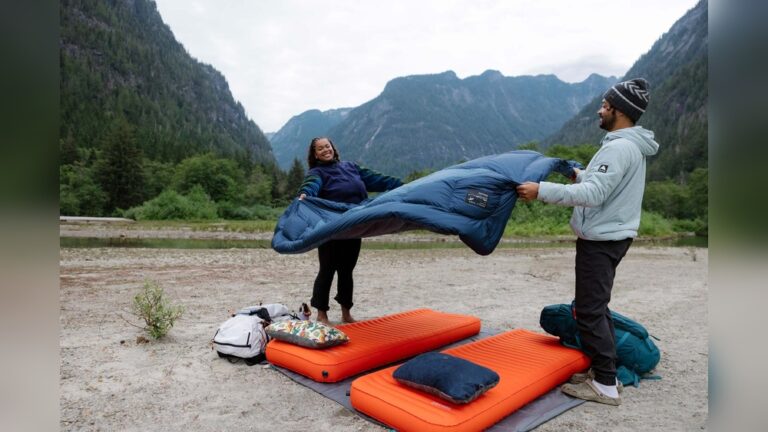
Pair your camping pillow with your sleeping bag or pad for extra softness. Layering gear creates a cozy nest that blocks cold air and ground bumps. Use a small blanket or jacket under the pillow for added cushioning.
Attach the pillow to your backpack or seat to keep it handy and clean. Keeping gear organized reduces hassle and saves space. Try different gear combos to find what supports your body best during rest.
Credit: bona-store.com
Frequently Asked Questions
What Is The Correct Way To Use A Travel Pillow?
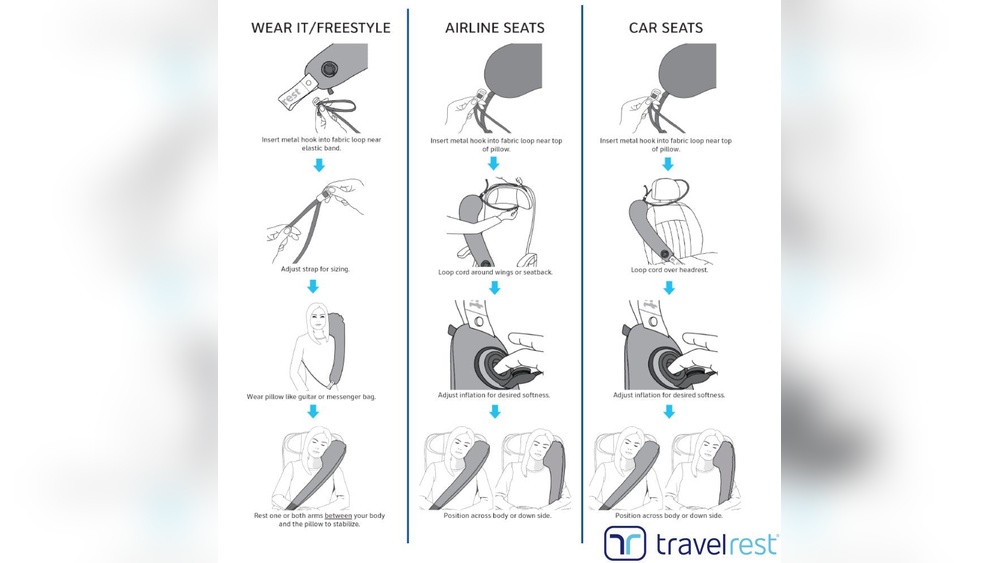
Place the U-shaped travel pillow with the opening under your chin to prevent head drooping. Adjust straps for a snug fit. For side support, position the thick part beside your neck. Keep your head aligned with your spine and slightly recline your seat for comfort.
How To Use A Sleeping Pillow Correctly?
Place the pillow to support your neck and head, keeping your spine aligned. Adjust snugly without tightness. Use the thicker part for side support or front for chin support. Recline slightly to reduce strain. Experiment with positions for maximum comfort and prevent neck pain.
How To Fill Air In A Travel Pillow?
Open the valve on your travel pillow. Blow air into it until firm but comfortable. Close the valve tightly to prevent leaks. Adjust firmness by adding or releasing air as needed.
How To Use A Travel Rest Pillow?
Place the U-shaped travel pillow around your neck with the opening in front to support your chin. Adjust it snugly to prevent head bobbing. For side sleeping, position the thick part to the side for head support. Recline your seat slightly for comfort and spinal alignment.
Conclusion
Using a camping pillow correctly makes your outdoor rest much better. Follow each step carefully for comfort and support. Adjust the pillow to fit your neck snugly but not tight. Try different positions to find what feels best for you.
Remember, good neck alignment helps prevent pain and improves sleep quality. With practice, you will enjoy more restful nights on your camping trips. Keep your pillow clean and pack it properly after use. Enjoy your adventures with better rest and less neck strain.