Step by Step Guide to Using Camping Stove: Easy & Safe Cooking Tips
Ready to enjoy delicious meals on your camping trip without the hassle? Using a camping stove might seem tricky at first, but once you know the steps, it’s simple, safe, and even fun.
This step-by-step guide will walk you through everything you need to do to set up, light, and cook on your camping stove like a pro. Whether you’re a beginner or just want to improve your outdoor cooking skills, you’ll find easy-to-follow instructions that make cooking in the wild a breeze.
Keep reading, and you’ll be ready to cook up tasty meals wherever your adventure takes you!
Choosing The Right Stove
Choosing the right camping stove is key for a successful outdoor cooking experience. It affects how easy it is to cook, how much fuel you carry, and how much space your stove takes. Knowing what stove fits your trip style makes cooking outdoors simple and enjoyable.
Types Of Camping Stoves
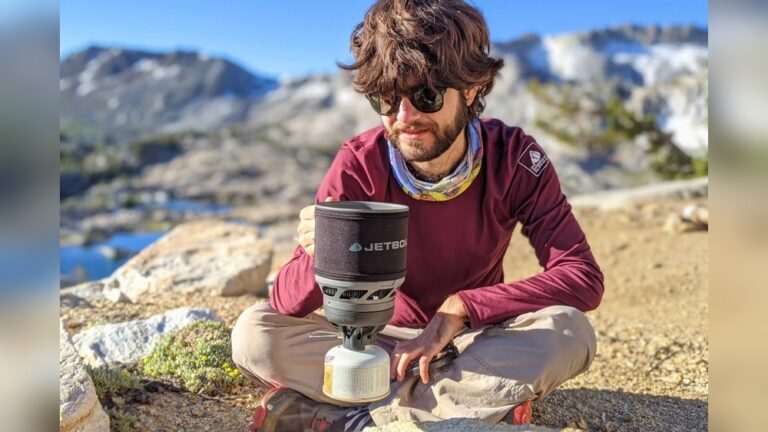
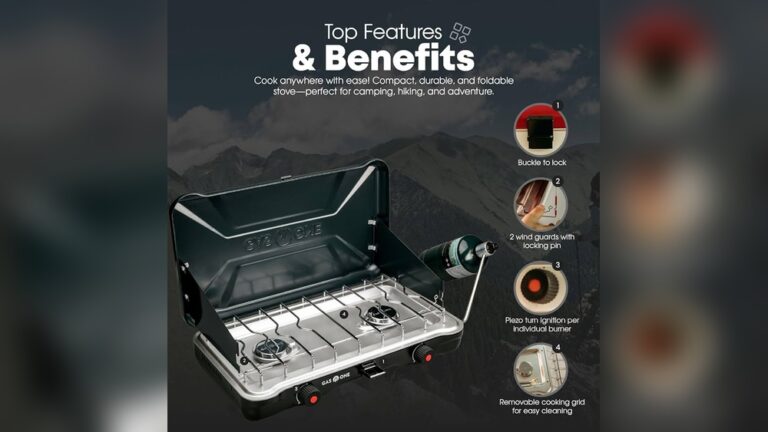
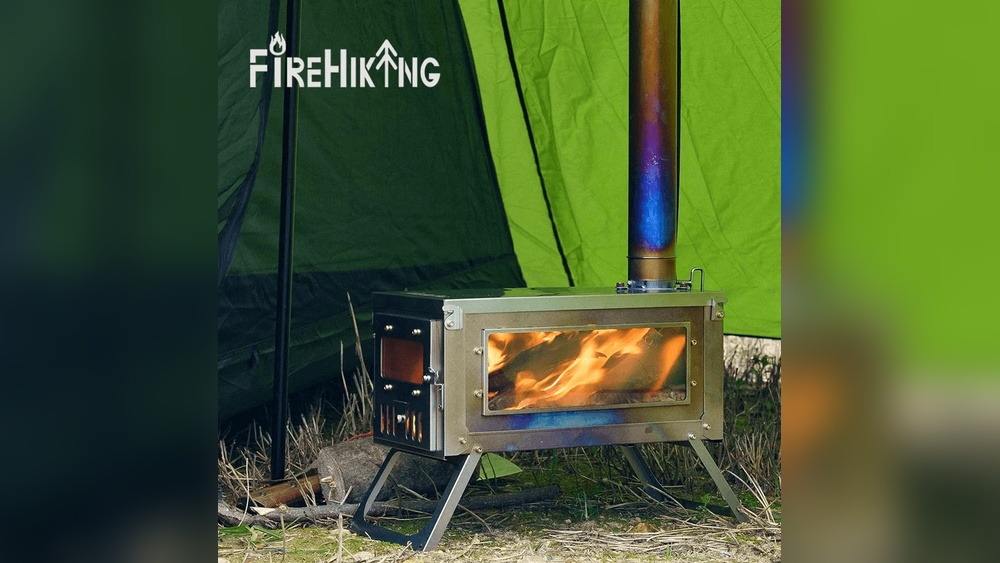
There are several types of camping stoves. Canister stoves use pressurized gas canisters and light quickly. Liquid fuel stoves burn fuels like white gas or kerosene and work well in cold weather. Wood-burning stoves use sticks or twigs from nature. Each type suits different camping needs.
Fuel Options
Fuel choice depends on stove type and trip length. Gas canisters are easy to use but can run out fast. Liquid fuels last longer and perform better in cold or high places. Wood fuel is free but may not be allowed in some parks. Pick fuel that matches your trip and stove.
Size And Portability
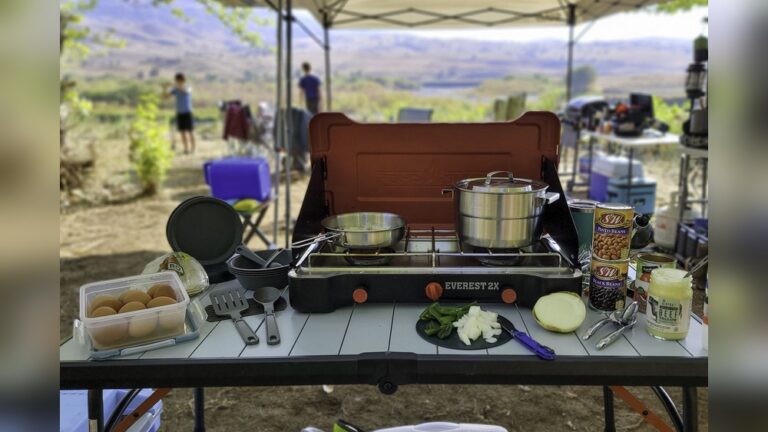
Size matters for packing and carrying. Small stoves fit in backpacks and weigh little. Larger stoves cook more food but are heavier and bulkier. Think about how much space you have and how far you will carry the stove. Balance weight and cooking needs carefully.
Setting Up Your Stove
Setting up your camping stove correctly is essential for safe and efficient cooking outdoors. This step ensures your stove works well and prevents accidents. Follow these instructions carefully to prepare your stove for use.
Selecting A Safe Location
Choose a flat, stable surface to place your stove. Avoid dry grass, leaves, or flammable materials nearby. Pick a spot sheltered from strong wind but with enough airflow. Keep your stove away from tents and gear. This reduces fire risk and improves stove performance.
Preparing The Stove
Unpack your stove and check all parts for damage. Clean the burner and pot supports from dirt or debris. Open any folding legs or stands to stabilize the stove. Make sure all knobs and controls move smoothly. Test the ignition system if your stove has one.
Connecting Fuel Sources
Identify the correct fuel type for your stove, such as propane or butane. Attach the fuel canister or fuel line securely to the stove. Tighten connections by hand to avoid leaks but do not over-tighten. Check for any fuel smell before lighting. Always keep fuel away from open flames until ready to use.
Igniting The Stove
Lighting your camping stove is the first step to a warm meal outdoors. Doing it safely and correctly ensures a smooth cooking experience. Follow simple methods to ignite your stove easily. Understand your stove’s ignition system before you start. This knowledge helps avoid accidents and saves fuel.
Using Built-in Igniters
Many camping stoves come with built-in igniters. These igniters create a spark to light the gas. To use, turn the gas valve slightly. Then press the igniter button firmly. You will hear a clicking sound and see a spark. The flame should appear quickly. If the flame does not light, try again. Make sure the gas is flowing properly. Avoid holding the igniter button too long. It can drain the battery or wear out the igniter.
Manual Ignition Techniques
Some stoves need manual ignition using a match or lighter. First, open the gas valve slowly to release fuel. Hold a lit match or lighter near the burner. Light the stove immediately to avoid gas buildup. Keep your face and hands away from the burner. If the stove does not light, close the gas valve. Wait a few seconds before trying again. Always carry waterproof matches or a reliable lighter. These tools are essential for camping trips.
Adjusting The Flame
After lighting, adjust the flame for cooking needs. Turn the control knob to increase or decrease the flame. A blue, steady flame works best for cooking. A yellow or flickering flame means poor combustion. Adjust the flame to avoid wasting fuel. Lower flames save fuel but take longer to cook. High flames heat quickly but use more fuel. Find the right flame size for your pot or pan. This control helps cook food evenly and safely.
Cooking On A Camping Stove
Cooking on a camping stove opens many possibilities for fresh, hot meals outdoors. It offers control and convenience in any campsite. Learning how to cook well on a camping stove helps you enjoy better food and save fuel.
Follow simple steps to improve your cooking experience. Use the right tools and techniques. Manage heat carefully for safe and tasty meals. These tips make cooking on a camping stove easier and more fun.
Choosing Suitable Cookware
Select cookware designed for camping stoves. Lightweight pots and pans work best. Use materials like aluminum or stainless steel. Avoid heavy cast iron, as it takes longer to heat.
Choose flat-bottomed cookware for stable contact. This ensures even heating and less fuel use. Smaller cookware heats faster and saves space in your pack. Match the size of your cookware to the stove’s burner.
Managing Heat Levels
Adjust the flame to control cooking speed. High heat cooks food quickly but can burn it. Low heat is perfect for simmering and warming.
Start with medium heat to avoid overheating. Turn the knob to increase or decrease flame size. Watch your food closely. Keep the heat steady to avoid flare-ups.
Efficient Cooking Tips
Plan meals that cook quickly and use less fuel. Cut food into small pieces to reduce cooking time. Use lids on pots to keep heat inside.
Cook multiple items in one pot to save fuel and cleanup. Pre-soak foods like rice or beans to speed cooking. Clean your cookware after use to keep it in good condition.
Safety Practices
Using a camping stove requires focus on safety practices. These help avoid injuries and keep your trip enjoyable. Understanding how to prevent accidents, handle fuel, and respond to emergencies is vital. Safety makes cooking outdoors worry-free and fun.
Preventing Accidents
Set up your stove on a flat and stable surface. Keep it away from dry grass, leaves, and tents. Always check for leaks before lighting the stove. Use a windscreen to protect the flame but keep it at a safe distance. Never leave the stove unattended while it is on. Keep children and pets far from the cooking area.
Handling Fuel Safely
Store fuel canisters in a cool, dry place away from direct sunlight. Avoid overfilling the stove’s fuel tank. Use only the fuel type recommended by the stove’s manufacturer. Close the fuel valve tightly after cooking. Carry fuel in a secure container to prevent spills. Dispose of empty fuel containers properly to avoid hazards.
Dealing With Emergencies
Keep a fire extinguisher or water nearby before lighting the stove. If a fire starts, turn off the fuel supply immediately. Use a fire blanket or water to put out small flames. For burns, cool the skin with cold water and seek medical help. Know the location of the nearest emergency service. Stay calm and act quickly to reduce risks.

Credit: www.amazon.com
Cleaning And Maintenance
Cleaning and maintenance keep your camping stove safe and working well. Dirt and food bits can block parts and reduce performance. Regular care extends the stove’s life and ensures you cook safely on every trip.
Post-cooking Cleanup
Turn off the stove and let it cool completely. Remove leftover food and spills with a soft cloth or sponge. Avoid harsh scrubbing that can damage the surface. Clean burner heads gently to prevent clogging. Wipe fuel connections to remove dirt or grease. Dry all parts thoroughly before reassembling the stove.
Regular Maintenance Tips
Check fuel lines and connections for leaks or cracks. Replace damaged parts immediately to prevent accidents. Test the igniter often to ensure it sparks easily. Clean air vents to keep flames steady and bright. Lubricate moving parts lightly to avoid stiffness. Inspect the stove before each use for any signs of wear.
Storage Guidelines
Store the stove in a dry, cool place away from direct sunlight. Keep it in its protective case or a sturdy bag to avoid dust buildup. Detach fuel canisters before storing. Empty liquid fuel tanks to prevent corrosion. Ensure all parts are dry to stop rust and mold. Check the stove again before your next adventure.
Troubleshooting Common Issues
Camping stoves can sometimes cause small problems that stop them from working well. Knowing how to fix common issues helps you cook safely outdoors. Troubleshooting these problems keeps your stove ready for use.
Below are simple tips to handle common camping stove troubles. These fixes save time and avoid frustration on your trip.
Ignition Problems
Ignition problems happen when the stove won’t light. Check if the fuel canister is properly connected. Loose connections stop gas flow.
Make sure the igniter button or lighter is working. Press it firmly and try again. If the igniter is broken, use a match or lighter carefully.
Clean the burner area from dirt or food crumbs. Blockages can stop sparks and gas from meeting.
Flame Instability
Flame instability means the flame flickers or goes out often. Wind can cause this problem. Use a windscreen or shield the stove with your body or gear.
Check the fuel level. Low fuel can make the flame weak. Replace or refill the fuel canister if needed.
Look at the burner holes. Dirt or soot can block them. Clean with a soft brush or cloth for steady flames.
Fuel Flow Issues
Fuel flow problems stop gas from reaching the burner. First, check the fuel valve. Make sure it is fully open but not stuck.
Inspect the fuel line or connection for leaks or damage. Replace damaged parts before using the stove.
Cold weather can thicken the fuel. Warm the canister slightly in your hands to help flow. Avoid overheating or open flames near fuel.

Credit: blog.whiteduckoutdoors.com
Additional Cooking Tips
Cooking outdoors with a camping stove brings a unique joy. Small adjustments make your experience better. These extra tips help you use your stove smarter and cook tastier meals. Efficiency and preparation are key for easy outdoor cooking.
Saving Fuel
Use a windscreen around your stove to block the wind. Wind makes your stove work harder and wastes fuel. Keep your flame low but steady to save gas. Preheat your pot for a few seconds before adding food. Cover pots with lids to trap heat and cook faster. Turn off the stove during long waiting times.
Cooking For Groups
Plan meals that cook in one pot to save time and fuel. Use larger pots for group meals to cook more food at once. Cook simple dishes that need less stirring and attention. Prepare some ingredients ahead to shorten cooking time. Share cooking tasks to keep things moving smoothly.
Meal Planning Outdoors
Choose meals with fewer ingredients and easy steps. Bring ready-to-eat snacks for quick energy between meals. Pack foods that cook fast, like pasta or rice. Use spices and sauces to add flavor without extra cooking. Plan meals that use similar ingredients to reduce the load.

Credit: www.naturehike.com
Frequently Asked Questions
How To Properly Use A Camp Stove?
Place the stove on a flat, stable surface away from flammable materials. Attach the fuel source securely. Ignite the stove using a lighter or built-in igniter. Adjust the flame to desired heat with the control knob. Turn off and disconnect fuel after use.
Clean the stove regularly.
How To Use A Stove Step By Step?
Place cookware on the stove. Connect and open the fuel supply. Ignite using the built-in igniter or lighter. Adjust the flame using the control knob. Cook your food. Turn off the stove and close the fuel supply when done. Clean the stove after cooling.
How To Use A Portable Camping Gas Stove?
Connect the gas canister securely. Open the valve and ignite the stove using a lighter or built-in igniter. Adjust the flame with the control knob. Cook your food, then turn off the valve and disconnect the canister for safety. Always use on a stable, flat surface outdoors.
How To Heat Up Food On A Camp Stove?
Ignite the camp stove and adjust the flame using the knob. Place food in a suitable pot or pan. Heat until the food reaches the desired temperature, stirring occasionally. Turn off the stove and let the food rest if needed before serving.
Conclusion
Using a camping stove is simple with clear steps to follow. Always check fuel levels before lighting your stove. Adjust the flame to suit your cooking needs. Keep your stove clean to ensure safe use every time. Practice these steps to feel confident outdoors.
Enjoy warm meals and make your camping trips better. Safety and care help you get the most from your stove. Cooking outside can be fun and easy for everyone.