Step by Step Guide to Using Hammock Straps: Easy & Secure Setup
If you love relaxing outdoors, using hammock straps is your key to a quick and secure setup. But if you’ve never done it before, the process might seem tricky.
Don’t worry—this step-by-step guide will walk you through everything you need to know. You’ll learn how to wrap, cinch, and hang your hammock safely, so you can enjoy your next adventure without hassle. Ready to master the easiest way to hang your hammock?
Keep reading and discover simple techniques that anyone can follow.

Credit: eaglesnestoutfittersinc.com
Choosing The Right Hammock Straps
Choosing the right hammock straps is key to a safe and comfortable hang. The right straps protect trees and hold your weight without slipping. This guide breaks down what to consider before buying straps. Focus on material, length, strength, and tree-friendly features.
Material Types
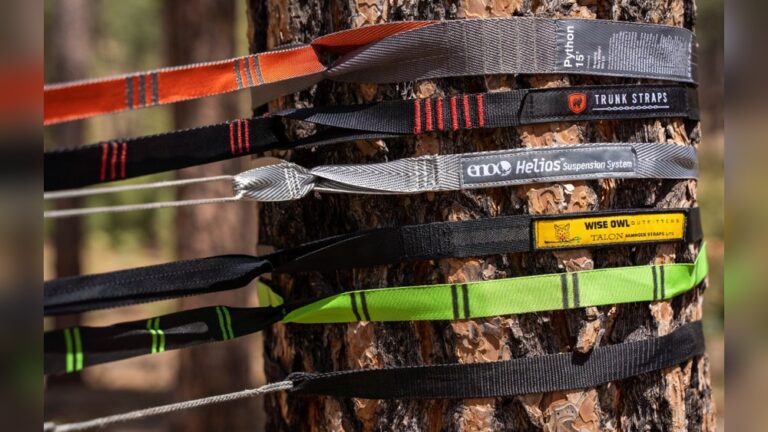
Hammock straps come in different materials. Nylon is strong and lightweight. Polyester resists stretching and works well in wet weather. Avoid cotton straps. They absorb water and weaken over time. Pick durable materials that last and hold your weight securely.
Length And Strength
Straps must be long enough to wrap around trees easily. Most straps range from 8 to 15 feet. Longer straps give more hanging options. Check the strength rating. Choose straps that support at least 400 pounds. This ensures safety and stability during use.
Tree-friendly Features
Look for wide straps, about 1 inch or more. Wide straps reduce damage to tree bark. Thin ropes can cut into trees and harm them. Some straps have extra loops for quick setup. Tree-friendly straps protect nature and make hanging easier.
Credit: dutchwaregear.com
Preparing Your Setup Area
Preparing your setup area is the first important step in using hammock straps. It ensures your hammock hangs safely and comfortably. This process starts with choosing the right trees, measuring the distance between them, and checking the height for a perfect hang. Taking time to prepare helps avoid any issues during use.
Finding Suitable Trees
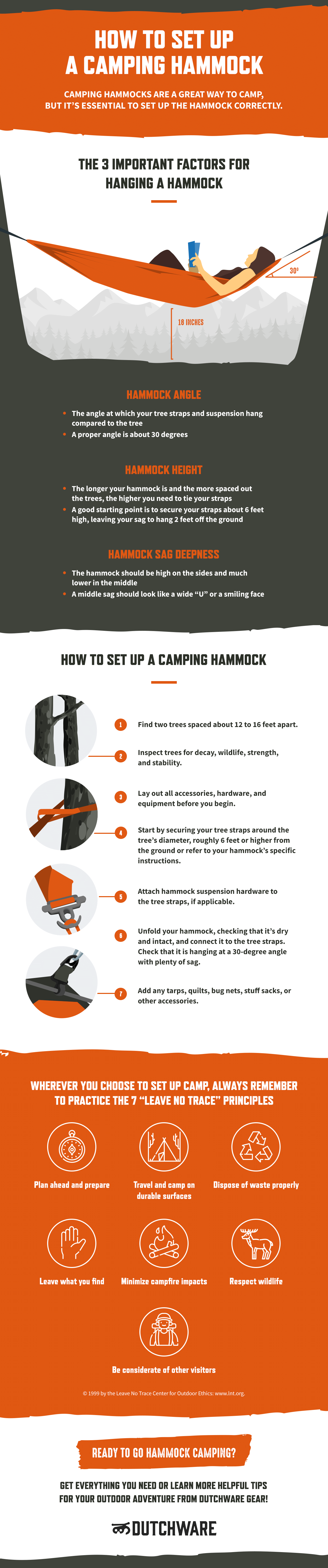
Pick two trees that are strong and healthy. The trees should be at least six inches thick. Avoid trees with loose bark or signs of disease. Choose trees that stand about 12 to 15 feet apart. This distance works well for most hammocks and straps.
Measuring Distance
Measure the space between the two trees. Use a tape measure or a long rope. The ideal distance is usually 12 to 15 feet. Make sure the distance matches your hammock’s length. Adjust your choice of trees if needed to fit this spacing.
Checking Height For Comfort
Check the height where you will attach the straps. Attach straps about 4 to 6 feet high on the trees. This height allows for a comfortable, slightly curved hang. Make sure the hammock will not hang too low or too high. A good height prevents discomfort or risk of falling.
Wrapping Straps Around Trees
Wrapping straps around trees is the first and most important step to hang your hammock safely. It protects the tree and keeps your hammock stable. Use strong, wide straps that won’t damage bark or slip easily. Take your time and follow each part carefully to avoid accidents.
Positioning The Strap
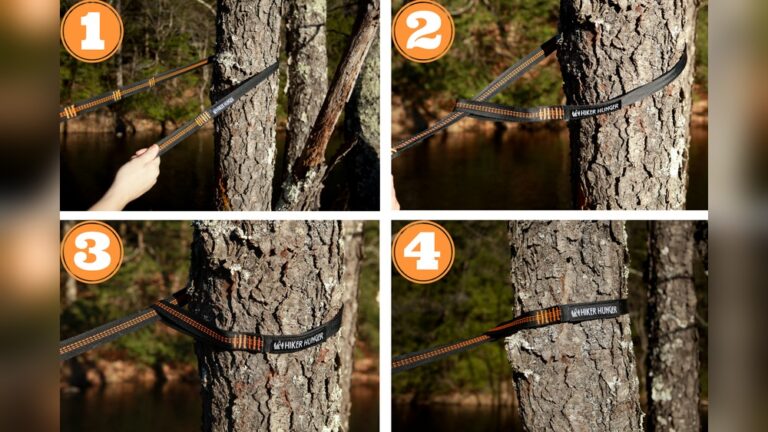
Place the strap about chest height on the tree. Avoid wrapping too high or too low. The strap should lay flat against the tree to stop it from twisting. Make sure the tree is thick and strong enough to hold your weight. Wrap the strap around the tree fully for a secure fit.
Securing The Loop
Feed one end of the strap through the loop on the other end. Pull it tight to create a snug fit around the tree. This simple loop keeps the strap from sliding down. Check that the loop is firm but not so tight it cuts into the bark. The loop must hold fast without slipping.
Ensuring Proper Tension
Pull the strap tight to remove any slack. The strap should be firm but not overly stretched. Proper tension keeps the hammock steady and safe. Test the tension by gently pulling on the strap before attaching your hammock. Adjust as needed to keep it secure and comfortable.
Connecting Hammock To Straps
Connecting your hammock to the straps is a crucial step for a secure and comfortable hang. Proper connection ensures safety and prevents damage to trees or the hammock itself. This guide explains simple ways to attach your hammock using common hardware and strap features.
Using Carabiners
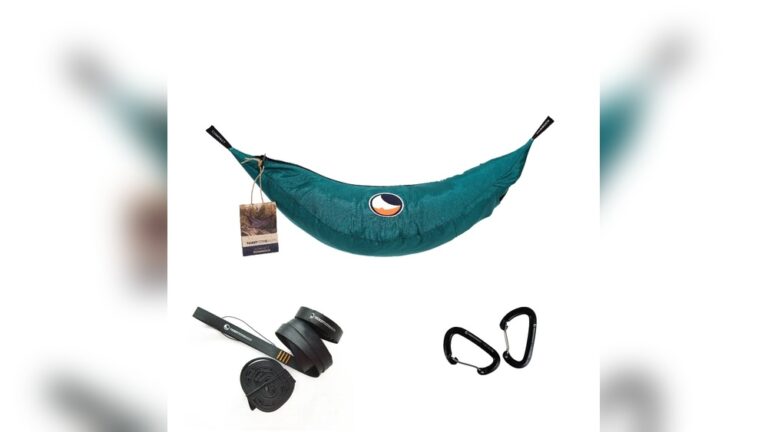
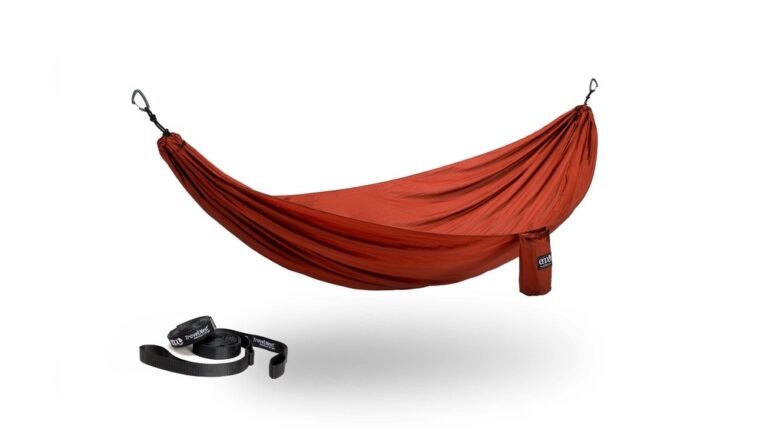
Most hammocks come with carabiners for easy attachment. Clip the carabiner to the loops on the hammock straps. Make sure the carabiner gate closes fully for security. Avoid using damaged or weak carabiners. Check the locking mechanism if available. Carabiners offer quick setup and removal.
Attaching Loops
Some hammock straps have multiple sewn loops. Choose the loop that matches your desired height. Slide the hammock’s end loop or carabiner through the chosen strap loop. Pull gently to test the hold. Using loops allows you to adjust length without knots. It keeps the setup neat and stable.
Adjusting For Level Hang
Keep your hammock level for comfort and safety. Adjust the strap loops or carabiner position on the strap. The hammock should not sag too low or hang too tight. Aim for a 30-degree angle between the strap and tree. Use the strap’s multiple loops to find the right height. Test the hang before sitting in the hammock.
Tying Knots For Extra Security
Tying knots correctly is key for hammock safety. Secure knots stop slipping and keep the hammock steady. Use knots that are strong but easy to adjust. This helps you change the hammock’s height or tension quickly. Below are three popular knots for extra security with hammock straps.
Modified Clove Hitch
The Modified Clove Hitch is simple and reliable. Thread the strap through your carabiner. Flip the strap’s tail over, then loop it back through itself and under. Pull the knot tight to secure it around the tree. This knot holds well and adjusts easily for a firm fit.
Taut Line Hitch
The Taut Line Hitch works great for adjustable tension. Wrap the strap around the tree. Pass the end through the loop twice, then once more between the rope and loop. Pull tight to lock the knot. It slides to adjust the strap length but stays firm under load.
Bowline Knot
The Bowline Knot creates a fixed loop that won’t slip. Make a small loop near the strap’s end. Pass the tail through the loop, around the standing part, and back through the loop. Tighten the knot firmly. Use this knot to create a strong anchor point for your hammock.
Adjusting And Testing The Setup
Adjusting and testing your hammock strap setup is key for a safe and comfy rest. This step makes sure the hammock hangs correctly and supports your weight well. Careful adjustment prevents slips and discomfort. Follow each step below to check and fine-tune your setup before use.
Checking Strap Tightness
Pull each strap firmly to remove slack. The straps should be snug but not overly tight. Loose straps cause instability. Tight straps hold the hammock steady between the trees. Check both sides evenly to keep balance. Make small adjustments until the straps feel secure.
Ensuring Comfortable Sag
Look at the curve of your hammock once it hangs. Aim for a gentle sag shaped like a smile. The ideal angle is about 30 degrees from horizontal. Too flat can strain the straps and trees. Too steep makes sitting or lying uncomfortable. Adjust the strap length to get the right sag.
Performing Safety Checks
Inspect all knots and carabiners for secure locking. Test the setup by pressing your weight slowly. Listen for any creaks or slips in the straps or anchors. Check tree health and strength before hanging. Replace any worn or damaged straps immediately. Safety checks reduce accident risks.
Tips For Easy Untying And Storage
Storing hammock straps properly saves time and effort on your next trip. Easy untying and neat storage keep your gear ready and lasting longer. Follow simple steps to release knots quickly, coil straps neatly, and transport your gear safely. These tips make packing up fast and hassle-free.
Releasing Knots Quickly
Loosen knots by pushing the loops rather than pulling the ends. Work gently to avoid tightening the knot further. Use your fingers to wiggle the knot free step by step. Avoid sharp tools that may damage the straps. Practice releasing knots after each use to improve speed.
Coiling Straps Neatly
Lay the strap flat and smooth out any twists. Start coiling from one end, keeping the loops even. Secure the coil with a rubber band or Velcro strap. Neat coils prevent tangles and make setup easier next time. Store straps in a dry place to avoid mildew.
Transporting Your Gear
Use a small bag or pouch to carry your straps. Keep straps separate from heavy or sharp objects. Attach the bag to your backpack for easy access. Clean straps before packing to remove dirt and sap. Proper transport protects straps and extends their lifespan.

Credit: eaglesnestoutfittersinc.com
Common Mistakes To Avoid
Using hammock straps is simple, but many beginners make small mistakes. These errors can cause damage or unsafe setups. Avoiding common mistakes helps you enjoy your hammock safely and comfortably. Here are some key errors to watch out for.
Using Weak Trees
Always choose strong, healthy trees. Thin or dead trees can break under weight. Check the tree’s thickness; it should be at least 6 inches wide. Avoid trees with loose bark or signs of disease. Weak trees risk falling or damaging your straps.
Overtightening Straps
Do not pull straps too tight. Overly tight straps can stress the tree and the hammock. It also makes knots harder to adjust or untie. Leave some slack for comfort and safety. Straps should be snug but not rigid.
Ignoring Strap Wear
Regularly inspect your straps for wear and tear. Look for frays, cuts, or faded spots. Using damaged straps can lead to accidents. Replace straps immediately if you see any damage. Good care extends the life of your hammock gear.
Frequently Asked Questions
How Do You Use Hammock Straps?
Wrap hammock straps around sturdy trees, feed the end through the loop, and pull tight. Attach your hammock’s carabiners to the strap loops. Adjust strap height for comfort and ensure knots are secure before use.
How To Properly Tie Up A Hammock?
Wrap straps around sturdy trees, secure with a Modified Clove Hitch or Taut Line Hitch knot. Attach hammock loops to straps. Hang foot end slightly higher for comfort. Ensure knots are tight and adjustable for safety and easy untying.
How To Use Hammock Sling?
Wrap hammock straps around sturdy trees and secure with a tight loop or knot. Attach hammock carabiners to strap loops. Adjust height for comfort, keeping the foot end slightly higher. Ensure knots are secure but easy to untie for safety and convenience.
How High To Put Hammock Straps?
Place hammock straps about 4 to 6 feet high on sturdy trees. Maintain 12 to 15 feet distance between trees for proper sag. Aim for a 30-degree angle between straps and hammock for comfort and safety.
Conclusion
Using hammock straps is simple and keeps your setup safe. Follow each step carefully to avoid mistakes. Choose strong trees and secure the straps tightly. Adjust the knots to make your hammock comfortable. Practice a few times to get confident.
Enjoy relaxing outdoors with your properly hung hammock. Safe hanging means a better, peaceful experience every time. Keep your straps clean and check for wear regularly. This guide helps you hang your hammock right every time.