Step by Step Guide to Using Tent Stakes: Master Camping Setup Easily
Setting up your tent is only part of the adventure—knowing how to use tent stakes correctly is what keeps your shelter secure and your night peaceful. If you’ve ever struggled with stakes pulling out or your tent wobbling in the wind, this step-by-step guide is made just for you.
You’ll learn simple, practical tips that make staking your tent faster, stronger, and more reliable. By the end, you’ll feel confident turning any patch of ground into a firm, stable base for your outdoor home. Ready to master the art of tent stakes and enjoy worry-free camping?
Let’s get started!
Choosing Tent Stakes
Choosing the right tent stakes is essential for a secure and stable campsite. Tent stakes hold your tent firmly to the ground, preventing it from blowing away in wind or shifting during rain. Picking the right type and material of stakes improves your camping experience. It also protects your tent from damage. Different terrains need different stakes for the best hold. This guide helps you understand the options and pick the best stakes for your needs.
Types Of Tent Stakes
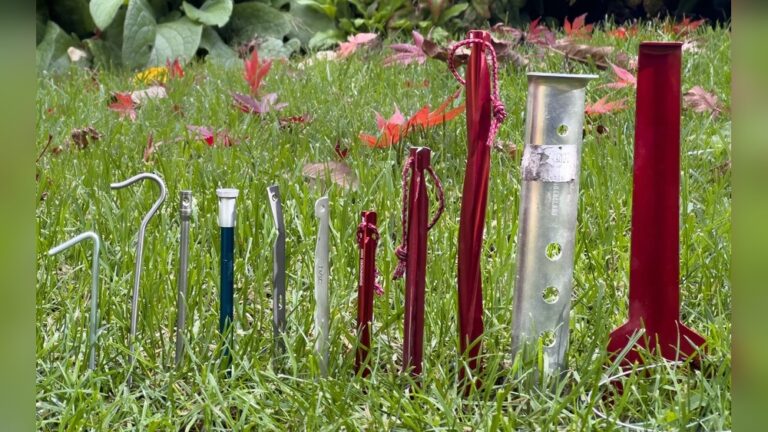
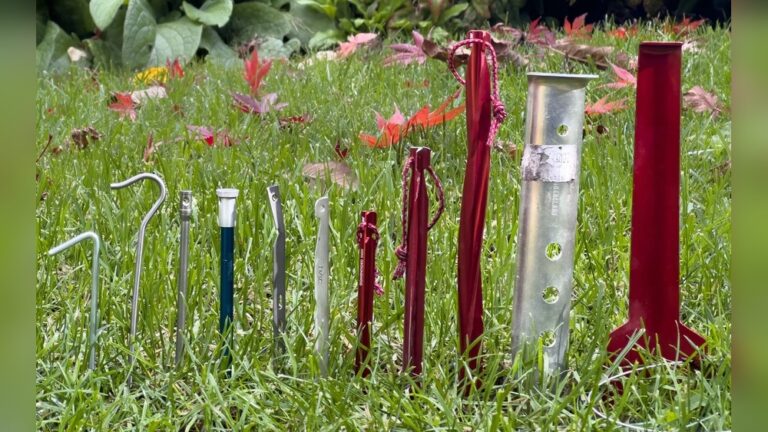
Tent stakes come in many shapes and sizes. Common types include straight, V-shaped, and spiral stakes. Straight stakes are simple and work well in firm soil. V-shaped stakes offer extra grip on soft ground. Spiral stakes screw into the earth for maximum hold in loose or sandy soil. Some stakes have hooks or notches to hold guylines tightly. Knowing the types helps you choose stakes that fit your tent and camping spot.
Materials And Durability
Tent stakes are made from aluminum, steel, plastic, or titanium. Aluminum stakes are light and rust-resistant. Steel stakes are strong and durable but heavier. Plastic stakes are very light but break easily. Titanium stakes combine lightness with strength but cost more. Choose stakes that last through many trips. Durable stakes save money over time and keep your tent secure.
Selecting Stakes For Terrain
The ground where you camp affects which stakes work best. Hard rocky soil needs strong steel stakes that can withstand hitting rocks. Loose sandy soil calls for longer, spiral stakes to prevent slipping. Soft, muddy soil needs wide or V-shaped stakes to hold better. Snow or ice require special stakes designed to grip frozen ground. Match your stakes to the terrain for the best tent stability and safety.
Preparing Your Campsite
Preparing your campsite is the first and most important step in using tent stakes effectively. A well-prepared site ensures your tent stays secure and comfortable throughout your stay. Taking time to prepare avoids problems with uneven ground, unstable stakes, or poor weather conditions.
Follow these simple steps to prepare your campsite for staking your tent firmly into the ground.
Finding The Best Spot
Choose a flat area to set your tent. Avoid low spots where water may collect during rain. Look for natural windbreaks like trees or bushes. Clear space from rocks, roots, or sharp objects. This protects your tent floor and helps stakes hold better.
Clearing The Ground
Remove sticks, stones, and debris from the chosen spot. Use your hands or a small tool to make the surface smooth. A clean ground helps stakes go in easily and hold tight. It also prevents damage to your tent floor and improves comfort inside.
Checking Soil Conditions
Test the soil by pushing a stake or finger into it. Soft soil is easier for stakes but may need longer or stronger stakes. Hard or rocky soil can be tough to penetrate. Use a mallet or rock to tap stakes firmly into hard ground. Avoid loose sand or dry dirt where stakes may slip out.
Tent Setup Basics
Setting up a tent starts with a few simple steps. These basics prepare you for a smooth camping experience. Knowing how to organize, assemble, and lay out your tent saves time and effort. Follow these steps to get your tent ready quickly and correctly.
Unpacking And Organizing
Take all parts out of the bag carefully. Check for poles, stakes, rainfly, and tent body. Lay everything on a flat surface. Keep stakes and poles separate for easy access. Organizing parts prevents confusion during setup.
Assembling Tent Poles
Connect pole sections by sliding joints together. Listen for a click or feel when they lock. Handle poles gently to avoid bending or breaking. Once assembled, lay poles beside the tent body. Proper pole assembly ensures a stable tent frame.
Laying Out The Tent
Choose a flat, clean spot for your tent. Unfold the tent body and spread it out. Align the tent’s corners with the ground. Make sure the door faces your desired direction. Laying out the tent flat helps with easy staking and pole insertion.

Credit: buildkotto.com
Staking Tent Corners
Staking tent corners is key for a stable and secure shelter. Properly placed stakes keep the tent firm against wind and weather. Each corner must be anchored tightly to hold the shape and prevent sagging. Follow these steps to stake your tent corners effectively and enjoy a comfortable camping experience.
Positioning Stakes Correctly
Place stakes at each tent corner through the loops or grommets. Push the stakes into the ground at a 45-degree angle away from the tent. This angle improves grip and prevents stakes from pulling out easily. Use a mallet or rock to drive the stakes fully into firm soil. Avoid loose or sandy spots that offer little resistance.
Tensioning The Tent Floor
After staking, pull the tent floor taut to remove wrinkles. Tighten the corners evenly to balance the tension across the floor. This helps the tent stand upright and sheds rainwater efficiently. Check that the fabric is not overstretched, which can cause tears or stress points.
Adjusting Slack For Fit
Leave a little slack in the stake lines to allow adjustments. Small shifts help fit the tent perfectly to the shape of the poles. If the tent feels loose, move stakes slightly outward and retighten. If too tight, loosen stakes to avoid fabric damage. Proper slack ensures a neat, stable setup.
Driving Stakes Into Ground
Driving stakes into the ground is a key step for a secure tent setup. Proper placement keeps your tent stable against wind and movement. Each stake must go deep enough to hold firm. The right tools and technique make this task easier and more effective. Below are tips to drive stakes correctly and boost their strength.
Using A Mallet Or Rock
Use a mallet or a sturdy rock to push stakes into the soil. Tap gently at first to avoid bending the stakes. Once the stake is partly in, hit harder to drive it deeper. A mallet gives better control and power than your hand. Choose a rock with a flat surface if no mallet is available. Always wear gloves to protect your hands.
Angle Vs Vertical Placement
Place stakes at an angle or straight down depending on the ground type and tent design. Vertical placement works best in soft soil for maximum depth. Angled stakes hold better in loose or sandy soil by resisting pull-out forces. Aim the stake tip away from the tent to counter tension from guy lines. Check your tent instructions for the recommended angle.
Maximizing Holding Power
Drive stakes fully into the ground to get the best hold. Stop when the head of the stake is near ground level. Use longer stakes in soft or rocky soil for extra grip. Tighten tent lines after stakes are set to ensure firm tension. Clear debris and roots from the spot before placing stakes. This helps the stake go in straight and hold better.
Setting Up Guylines
Setting up guylines is essential for stabilizing your tent. They help keep the tent secure, especially in windy conditions. Properly installed guylines reduce movement and protect the tent fabric from stress. This section explains how to attach guylines, choose the right length, and secure them for maximum wind resistance.
Attaching Guylines To Stakes
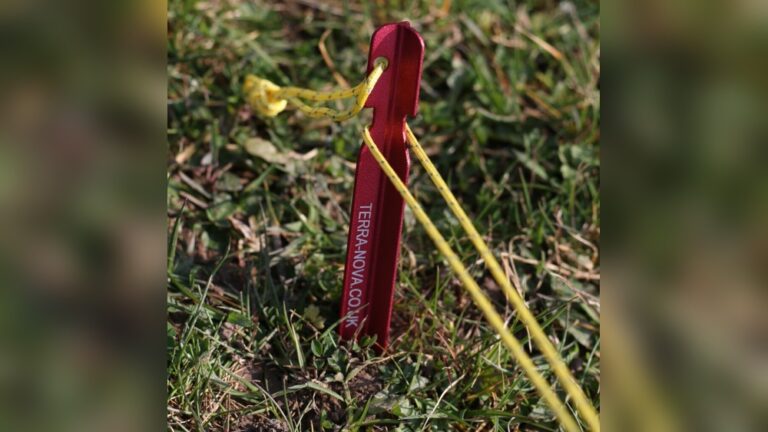
Start by tying the guyline to the tent’s attachment points. Use a strong knot like a bowline or taut-line hitch. Next, loop the other end of the guyline around the tent stake. Make sure the line is tight but not overly stretched. This ensures the tent stays stable without damaging the fabric.
Choosing Guyline Length
Pick guylines long enough to reach the stakes at a good angle. Too short lines cause tension and may pull the tent down. Too long lines can sag and lose effectiveness. Measure the distance from the tent’s attachment point to where the stake will go. Add a little extra length for adjustments.
Securing For Wind Resistance
Drive stakes into the ground at a 45-degree angle, pointing away from the tent. This angle offers better holding power. Tighten guylines until the tent is firm but flexible. Check tension regularly, especially if the wind picks up. Strong guylines prevent the tent from swaying or collapsing in the wind.
Staking In Different Terrains
Staking a tent properly depends on the terrain you camp on. Different grounds need different methods to hold the tent firmly. Using the right technique ensures your tent stays secure and safe from wind or shifting.
Soft Soil Techniques
Soft soil allows easy stake insertion but offers less resistance. Use longer stakes to reach firmer layers below. Drive stakes at a 45-degree angle away from the tent for better grip. Tap stakes in gently to avoid bending. Check stakes often, as soft soil can loosen with rain or wind.
Rocky Or Hard Ground Tips
Rocky ground makes staking challenging. Use heavy-duty metal stakes designed for rocks. Find cracks or gaps to insert stakes deep. Hammer stakes slowly to avoid damage. If stakes won’t hold, use rocks or heavy objects to anchor tent corners. Wrap guylines around sturdy rocks for extra security.
Sand And Snow Anchoring
Sand and snow offer little grip for regular stakes. Use wide, flat stakes or sand anchors to spread pressure. Bury anchors deep and pack sand or snow tightly over them. For snow, use deadman anchors by burying objects horizontally beneath the surface. Check anchors regularly to prevent slipping.

Credit: ampexgear.com
Common Mistakes To Avoid
Using tent stakes might seem easy, but many campers make avoidable mistakes. These errors can cause your tent to be unstable or even collapse. Knowing what to watch for will help you set your tent up securely. Here are common mistakes to avoid for a safer camping experience.
Over Or Under Tensioning Stakes
Applying too much tension on tent stakes can bend or break them. It also puts stress on your tent fabric and poles. Too little tension leaves the tent loose and weak against wind. Find a balance. The stakes should hold the tent firmly but not strain it.
Incorrect Stake Placement
Placing stakes too close or too far from the tent walls causes poor support. Stakes must go at the right angle and depth for strength. Avoid soft or rocky spots that offer little grip. Position stakes where the ground is firm and stable for best hold.
Ignoring Weather Conditions
Wind, rain, and soil type affect how well stakes hold your tent. Hard ground may need special stakes or tools to secure. Wet or loose soil requires deeper stakes or extra guy lines. Adjust your staking method to fit the weather and terrain.
Maintaining Tent Stakes
Maintaining your tent stakes is key to keeping your tent secure and ready for every trip. Proper care extends the life of your stakes and ensures they hold firmly in the ground. Simple maintenance prevents damage and loss during camping adventures.
Cleaning And Storage
After each use, remove dirt and debris from the stakes. Use a brush or cloth to wipe them clean. Dry the stakes thoroughly to avoid rust. Store them in a dry bag or container to protect from moisture. Organized storage helps prevent bending and loss.
Inspecting For Damage
Check stakes regularly for bends, cracks, or rust. Damaged stakes may not hold the tent properly. Look closely at the tips and shafts for any wear. Replace any stake that shows significant damage. Regular inspection keeps your tent stable in harsh conditions.
Replacing Worn Stakes
Replace stakes that are bent, broken, or heavily rusted. Choose stakes made from durable materials like aluminum or steel. Carry spare stakes on every trip to avoid trouble. Using strong, new stakes ensures your tent stays securely anchored. Don’t wait until a stake fails to replace it.

Credit: www.popularmechanics.com
Frequently Asked Questions
How To Correctly Use Tent Stakes?
Tap tent stakes into the ground at a 45-degree angle away from the tent. Secure guylines tightly. Use a mallet for firm placement. Stake corners first, then restake if needed. Choose stakes suitable for the soil type to ensure strong hold and stability.
Should Tent Stakes Be Vertical Or Angled?
Drive tent stakes into the ground at a 45-degree angle away from the tent for maximum hold and stability. Vertical stakes provide less resistance. Angling stakes improves tension and prevents them from pulling out under force.
How To Set Up Tent Pegs?
Insert tent pegs through the tent loops. Angle pegs at 45 degrees away from the tent. Use a mallet to drive pegs firmly into the ground. Ensure pegs hold tight for stability. Check and adjust pegs as needed during use.
Do You Stake A Tent First Or Last?
Stake your tent corners first to secure it, then set up poles and adjust stakes for a tight, stable pitch.
Conclusion
Using tent stakes correctly keeps your tent safe and stable. Drive stakes straight into the ground for best hold. Check the tension on your guylines often. Adjust stakes if the wind or weather changes. Practice this simple process before your trip.
A well-staked tent makes camping more comfortable and secure. Remember, small steps lead to a strong setup. Enjoy your outdoor adventure with confidence and ease.