Step by Step Guide to Using Ultralight Tent, Pro Camping Tips.
Are you ready to make your outdoor adventures lighter and easier? Using an ultralight tent can transform your camping experience, giving you more freedom on the trail without the heavy load.
But getting the setup just right is key to staying comfortable and protected. In this step-by-step guide, you’ll learn exactly how to choose, pitch, and pack your ultralight tent like a pro. Whether you’re new to ultralight gear or looking to sharpen your skills, this guide will help you master every step with confidence.
Keep reading to unlock tips that save time, reduce hassle, and make your next trip your best one yet.

Credit: www.garagegrowngear.com
Choosing Ultralight Tents
Choosing the right ultralight tent is key for a successful outdoor adventure. It affects your comfort, ease of setup, and how much you carry. Focus on weight, materials, design, and size to find a tent that fits your needs. This guide breaks down each factor clearly.
Weight Ranges
Ultralight tents usually weigh between 1 to 3 pounds. The lightest models are under 2 pounds but may lack some features. Heavier tents offer more space and durability but add extra weight to your pack. Choose a weight that balances comfort and ease of carrying.
Materials And Fabrics
Common fabrics include silnylon, silpoly, and Dyneema Composite Fabrics (DCF). Silnylon is strong and water-resistant but heavier. Silpoly is lighter and dries faster. DCF is very light and durable but costs more. Consider weather and durability when picking materials.
Design Variations
Trekking pole tents use your hiking poles for support, saving weight on extra poles. Single-wall tents are lighter but can cause more condensation inside. Double-wall tents have two layers for better ventilation and rain protection. Vestibule designs vary; some save weight with smaller doors but reduce airflow.
Occupancy Considerations
Think about how many people will use the tent. Solo tents are very light and compact. Two-person tents are slightly heavier but offer more room. Ultralight options exist for pairs, but adding more occupants usually means more weight and bulk. Choose based on your group size and space needs.
Preparing Your Campsite
Preparing your campsite is a crucial step for a comfortable and safe stay with your ultralight tent. Proper preparation keeps your tent clean, dry, and stable. It also protects you from insects, moisture, and uneven ground. Spend time on this step to enjoy your camping experience fully.
Selecting The Location
Choose a flat area to set up your tent. Avoid low spots where water can collect. Look for natural windbreaks like trees or rocks. Check for overhead hazards such as dead branches. Pick a spot with good drainage to keep your tent dry.
Using Ground Sheets
Place a ground sheet beneath your tent to protect its floor. This layer shields against sharp stones and moisture. Use a ground sheet slightly smaller than your tent base. This prevents water from collecting between the sheet and tent floor. Ground sheets extend your tent’s life and keep it clean.
Clearing The Area
Remove rocks, sticks, and debris from your campsite. Clear away any sharp objects that could damage the tent floor. Make sure the area is free of plants that might cause irritation. Flatten the ground by pressing down bumps. A smooth surface improves comfort and tent stability.
Setting Up The Tent
Setting up an ultralight tent requires careful steps to ensure stability and comfort. Follow each part closely to make your camping experience smooth. The process is simple with the right approach and tools.
Unpacking And Layout
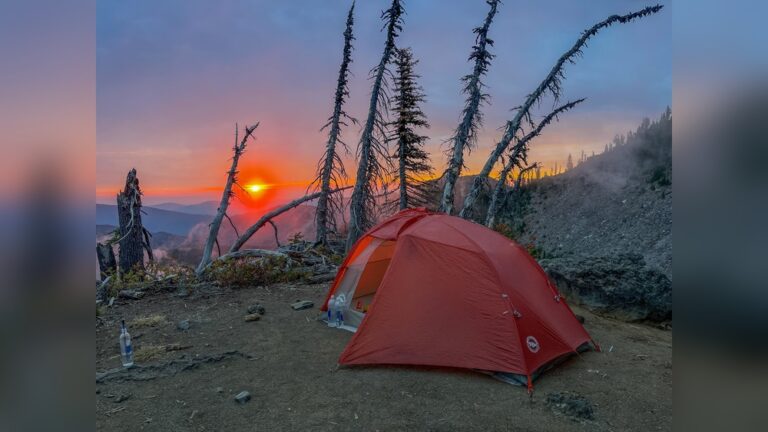
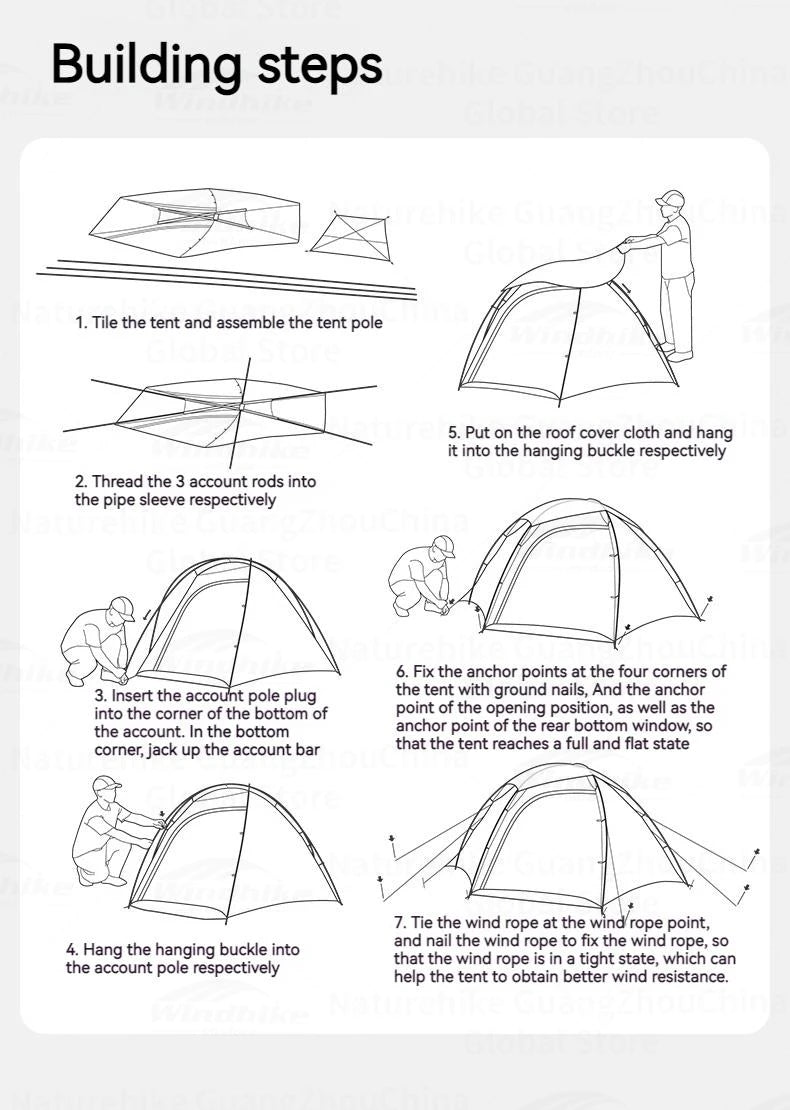
Start by choosing a flat, clear spot to pitch your tent. Remove the tent from its bag and unroll it gently. Lay the tent body flat on the ground, spreading it out fully. Make sure the door faces your preferred direction for easy access.
Using Trekking Poles
Ultralight tents often use trekking poles as support. Adjust the poles to the correct height before setting up. Insert the poles into the tent’s pole sleeves or clips carefully. Secure the pole tips in the ground or grommets to keep the tent upright.
Staking And Securing
Use lightweight stakes to anchor the tent corners first. Push or hammer stakes at a 45-degree angle away from the tent. Tighten guylines to improve tent stability. Check all points to ensure the tent is taut and secure against wind.
Ventilation Tips
Good airflow prevents condensation inside the tent. Open vents or windows slightly to allow air circulation. Avoid sealing the tent completely, especially in humid conditions. Use the rainfly’s vents if available to balance protection and breathability.
Credit: ezcampoutdoorhub.com
Packing Up Efficiently
Packing up your ultralight tent quickly and properly saves time and prevents damage. Efficient packing keeps your gear ready for the next adventure. Follow these simple steps to clean, fold, and organize your tent parts with care.
Cleaning And Drying
Start by removing dirt and debris from the tent fabric. Use a soft cloth or brush to wipe away mud and leaves. Dry your tent completely before packing to avoid mold and mildew. Hang it in a shaded area or spread it on clean ground. Never pack a wet tent; it shortens its lifespan.
Folding Techniques
Lay the tent flat and smooth out wrinkles gently. Fold the tent lengthwise to match the size of the stuff sack. Avoid tight folds that can damage the fabric over time. Use rolling instead of stuffing to save space and protect the tent. Keep the folds neat and consistent for easy packing.
Organizing Components
Separate poles, stakes, and guylines to prevent tangling. Store small parts in a separate pouch or mesh bag. Keep everything together to avoid losing pieces on the trail. Label bags if needed to find parts faster. Organizing parts helps a quick setup next time.
Enhancing Comfort And Warmth
Enhancing comfort and warmth inside an ultralight tent is essential for a good night’s rest. Ultralight tents are designed to be minimal, so extra steps help maintain heat and reduce cold. Small adjustments can make a big difference in warmth and comfort.
Simple techniques like adding insulation, managing moisture, and using shelter extensions help create a cozy space. These methods keep you warmer without adding much weight to your pack. Here are practical tips to improve your tent’s comfort.
Using Tarps For Insulation
Place a tarp under your tent to block cold and damp ground. This adds a layer of insulation and protects the tent floor from wear. Choose a lightweight tarp that fits your tent size.
Secure a tarp over the tent as a rainfly or extra shield. It creates a small air gap that traps warm air. This setup helps block wind and rain, keeping the inside warmer.
Managing Condensation
Condensation can make your tent damp and cold inside. Open vents or doors slightly to allow airflow and reduce moisture buildup. Use breathable tent fabrics to help moisture escape.
Keep wet clothes and gear outside the tent or in a vestibule. This prevents adding moisture inside. Dry items before entering the tent to keep the air dry and warm.
Vestibule And Awning Use
Use the vestibule for storing gear to keep the tent interior free. This space acts as a buffer against cold air. It also protects your tent’s main area from dirt and moisture.
Set up an awning to shield the tent entrance. It blocks wind and rain from directly entering. This small shelter area helps maintain warmth inside the tent.

Credit: ampexgear.com
Common Ultralight Tent Tips
Ultralight tents offer an excellent way to enjoy the outdoors with less burden. Yet, using them well requires some key knowledge. These common tips help you avoid mistakes, balance weight and strength, and keep your tent in top shape. Follow these guidelines for a smoother camping experience.
Avoiding Pitfalls
Choose a flat, dry spot to pitch your tent. Avoid rocky or uneven ground. Secure all stakes firmly to prevent collapse in wind. Check weather forecasts to prepare for rain or storms. Practice setting up your tent at home first. This saves time and frustration outdoors. Always carry a small repair kit for emergencies.
Weight Vs. Durability
Ultralight tents reduce carry weight but may sacrifice some strength. Lightweight fabrics can tear easier than heavier ones. Poles made from carbon fiber are light but less tough than aluminum. Select a tent that fits your trip style and conditions. For rough terrain or bad weather, choose durability over minimal weight. Balance is key for comfort and safety.
Maintenance Best Practices
Keep your tent clean by brushing off dirt after each use. Avoid washing with harsh chemicals; mild soap and water work best. Dry your tent completely before storing to prevent mold and mildew. Store it loosely in a cool, dry place. Repair small tears promptly to stop them from growing. Regular care extends your tent’s life and keeps it reliable.
Frequently Asked Questions
What Is A Good Weight For An Ultralight Tent?
A good weight for an ultralight tent ranges from 1 to 3 pounds (0. 45 to 1. 36 kg). Lighter tents use materials like Dyneema or silnylon. Single-wall designs and trekking pole setups also reduce weight. Choose based on comfort, weather, and trip length.
How Do You Set Up A Tent Step By Step?
Choose a flat spot and lay a groundsheet. Unroll the tent and align the door. Insert poles into sleeves or clips. Raise the tent and secure corners with stakes. Attach rainfly and guy lines. Check stability and adjust tension. Your tent is ready for use.
Does Putting A Tarp Over A Tent Make It Warmer?
Putting a tarp over a tent adds insulation and blocks wind, helping retain heat and making the tent warmer at night.
How To Pack An Ultralight Tent?
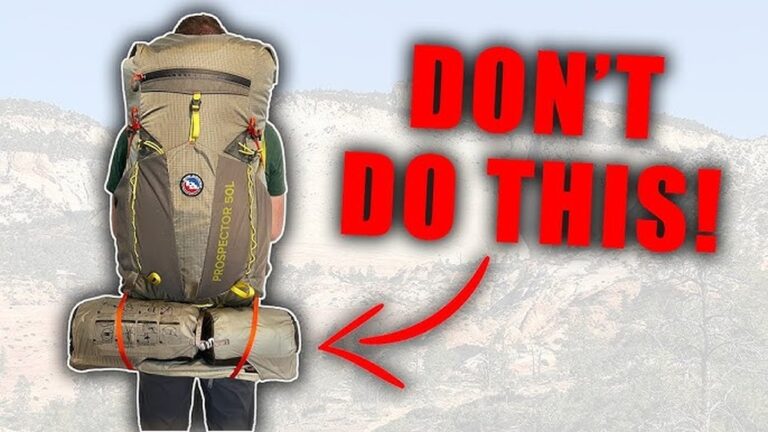
Roll the ultralight tent tightly from the door side. Store poles and stakes in designated side pockets. Keep everything compact to save space. Secure the tent in its stuff sack to protect it during transport.
Conclusion
Using an ultralight tent can make your outdoor trips easier and more enjoyable. Follow each step carefully to set it up quickly and safely. Practice setting your tent at home before heading out. Keep your gear organized to pack it efficiently after use.
Stay mindful of weather conditions to protect your shelter. With patience and care, your ultralight tent will serve you well. Enjoy your adventure with less weight and more comfort.