Tent Setup Mistakes: Avoid These Common Camping Blunders Today
Setting up your tent might seem straightforward, but are you sure you’re doing it right? Even small mistakes can turn your camping experience from comfortable to frustrating.
Imagine struggling with a shaky shelter in the middle of the night or waking up with water seeping inside after a rainstorm. You don’t want that. You’ll discover the most common tent setup mistakes that many campers make — and how to avoid them.
By learning these simple tips, you’ll save time, stay dry, and enjoy your outdoor adventure with peace of mind. Keep reading to make sure your next camping trip starts off on the right foot!
Common Location Errors
Choosing the right spot for your tent is key to a good camping experience. Many campers make simple location errors that cause discomfort or damage. These mistakes can lead to a restless night or even safety risks. Learning to spot and avoid common errors helps ensure a smooth setup and a better trip.
Choosing Uneven Ground
Setting up on uneven ground causes many problems. It makes sleeping uncomfortable and can strain the tent’s structure. Water may pool under your tent, leading to dampness. Look for flat, level spots to keep your tent stable and dry. Avoid slopes and rocky areas for the best results.
Ignoring Wind Direction
Wind can damage your tent or make it noisy inside. Many campers forget to check where the wind blows from. Position your tent door away from the wind to reduce drafts. Use natural barriers like trees or hills for wind protection. This keeps your tent safer and your stay quieter.
Overlooking Drainage Needs
Water drainage is often ignored but very important. Setting your tent in a low spot can trap rainwater around or under it. This causes flooding and soggy gear. Choose a site with good drainage, slightly higher than the surroundings. This helps keep your tent dry after rain.
Setting Near Hazards
Campers sometimes place tents too close to hazards. These include dead branches, unstable trees, or rocky edges. Such hazards can fall or cause injury during storms. Check your site carefully and avoid risky spots. Safety comes first when picking your tent location.
Ground Preparation Mistakes
Preparing the ground properly is crucial before pitching your tent. Many campers overlook this step, leading to discomfort or damage to their gear. Ground preparation mistakes cause uneven sleeping surfaces, moisture issues, and can shorten your tent’s life. Taking time to prepare the site well ensures a safer and more enjoyable camping experience.
Skipping Debris Removal
Leaving sticks, rocks, or sharp objects under your tent can cause damage. They create bumps that make sleeping uncomfortable. Sharp debris can also puncture the tent floor, letting in water and bugs. Always clear the area thoroughly before setting up. This simple step protects your tent and improves comfort.
Neglecting Groundsheet Use
A groundsheet adds an extra layer between your tent and the earth. It prevents moisture from seeping through the tent floor. Without a groundsheet, dampness can make your gear wet and cold. It also protects the tent fabric from abrasion and dirt. Choose a groundsheet that fits your tent size for best results.
Forgetting Site Regulations
Each campsite has rules about where you can pitch tents. Some areas forbid groundsheet use or restrict campfires. Ignoring these rules can lead to fines or forced moves. Checking site regulations beforehand saves hassle and respects the environment. Always follow local guidelines to protect nature and enjoy a smooth camping trip.
Pole Assembly Issues
Setting up tent poles correctly is key to a sturdy tent. Pole assembly issues can lead to frustration and damage. Understanding common mistakes helps avoid problems and speeds up setup.
Improper Pole Connection
Connecting tent poles the wrong way causes instability. Poles must fit tightly and align with the tent’s design. Loose or mismatched poles make the tent weak. Always check that each pole section clicks firmly into place. This simple step prevents poles from collapsing or bending under wind pressure.
Forcing Poles Into Place
Forcing poles damages them and the tent fabric. Tent poles are flexible but not unbreakable. Use gentle pressure when assembling and avoid bending poles too much. If a pole does not fit, recheck the connections or the pole’s position. Forcing poles can cause cracks or splits, risking a failed setup during your trip.
Tent Positioning Errors
Setting up your tent in the wrong position can cause many problems. Tent positioning errors affect comfort, safety, and even the tent’s durability. Choosing the right direction and placement helps you avoid these issues. Avoid common mistakes that many campers make with tent orientation.
Facing Door Toward Wind
Placing the tent door facing the wind invites cold air inside. This can make your tent colder and less comfortable. Wind can also blow rain directly into the tent. It increases the chance of water leaking inside. Position the door away from the prevailing wind for better protection.
Facing the door toward the wind also makes it harder to enter and exit during bad weather. Wind pressure can make the door flap and cause noise. This disturbs your rest and makes the tent less stable. Keep the door sheltered to improve your camping experience.
Ignoring Tent Orientation
Ignoring the tent’s orientation can cause heat and moisture problems. The sun’s position matters. Placing your tent so the long side faces the sun helps with warmth in cold weather. In hot weather, find shade or face the tent away from direct sunlight.
Ignoring orientation can also affect water drainage. If the tent is not aligned properly on a slope, water can pool around or under it. This leads to wet floors and discomfort. Choose a flat spot and face your tent to avoid water buildup.
Securing And Stability Flaws
Securing your tent properly is vital for a safe and comfortable camping trip. Stability flaws can cause your tent to collapse or let in wind and rain. These mistakes often happen during the staking and guy line setup. A few simple steps can prevent most problems and keep your tent firm on any ground.
Loose Stakes
Loose stakes allow your tent to shift or lift in strong winds. Stakes must go deep into the soil at a 45-degree angle. Use a mallet or rock to drive them firmly. Check stakes regularly to ensure they stay tight, especially after windy weather. Avoid staking into soft sand or loose soil without extra support.
Uneven Guy Line Tension
Guy lines hold the tent’s shape and resist wind forces. Uneven tension causes the tent to lean or sag. Tighten each guy line evenly for a balanced structure. Use adjustable tensioners for quick fixes during the night. Uneven lines can also stress the tent fabric, leading to tears or damage.
Skipping Rainfly Attachment
Skipping the rainfly leaves your tent exposed to rain and wind. The rainfly adds a waterproof layer and improves wind resistance. Secure the rainfly tightly over the tent, attaching all clips and tie-downs. Even if the weather seems clear, a rainfly helps keep dew and moisture out. It also adds an extra layer of insulation.

Credit: ayamaya.com
Ignoring Tent Type Differences
Ignoring tent type differences is a common mistake that can ruin your camping experience. Each tent design has unique features and setup needs. Understanding these differences helps avoid frustration and damage. Setting up a tent incorrectly wastes time and energy. It may also reduce protection from weather and bugs. Knowing your tent type ensures a smoother, safer setup.
Using Wrong Setup For Tent
Not all tents use the same setup method. For example, dome tents need flexible poles, while cabin tents have straight poles. Trying to set up a tent using the wrong poles or steps causes damage. It can also make the tent unstable. Follow the instructions made for your specific tent type. This avoids tears, collapsed tents, and wasted effort.
Overpacking For Backpacking Tents
Backpacking tents are designed to be lightweight and compact. Carrying extra gear or heavy items inside the tent stresses the material. It may also reduce ventilation and comfort. Overpacking makes the tent harder to set up and less stable in wind. Pack only what fits well with your tent’s size and design. This keeps your shelter safe and easy to manage.
Neglecting Practice And Preparation
Many campers rush into setting up their tents without enough practice or preparation. This mistake often leads to frustration and wasted time at the campsite. Taking time to prepare and practice tent setup before the trip can save effort and avoid common problems. It helps campers become familiar with their gear and reduces stress during the actual trip.
Not Testing Setup Before Trip
Skipping a test setup before the trip causes surprises at the campsite. Campers might find missing parts or struggle to figure out the instructions. Testing the tent at home reveals any issues early. It also allows practice of the setup steps, making the process smoother outdoors. A test run builds confidence and speeds up pitching the tent later.
Disorganized Gear Arrangement
Disorganized gear makes tent setup harder and slower. Searching for poles, stakes, or the rainfly wastes time and energy. Keeping gear organized in labeled bags or compartments helps. Arrange items by size or order of use. This simple habit reduces stress and keeps the setup process flowing. Well-arranged gear makes the tent ready quickly and correctly.

Credit: burgessevents.com
Tips For Solid Tent Setup
Setting up a tent can be simple with the right approach. Avoid common errors by following key tips. These tips help keep your tent stable and comfortable. Proper setup improves your camping experience and protects you from weather.
Use A Footprint
A footprint is a groundsheet made to fit your tent’s floor. It protects the tent fabric from sharp rocks and moisture. Spread the footprint before pitching the tent. This layer adds durability and keeps your tent dry. It also makes cleaning easier after your trip.
Stake Properly
Secure the tent by driving stakes at a 45-degree angle. Push stakes firmly into the ground for strong hold. Stake all corners and guy lines tightly. This prevents the tent from shifting or collapsing in wind. Use extra stakes if the soil is loose or sandy.
Organize Gear Effectively
Keep your gear inside the tent neat and off the floor. Use vestibules or storage pockets for shoes and tools. Store food away from sleeping areas to avoid pests. Organizing gear saves space and keeps the tent clean. It also helps you find items quickly when needed.

Credit: blog.whiteduckoutdoors.com
Frequently Asked Questions
What Is The 200 Rule For Camping?
The 200 rule for camping means keeping at least 200 feet distance from water sources to protect nature and prevent pollution. This helps preserve clean water and wildlife habitats during camping.
What Are The 7 C’s Of Camping?
The 7 C’s of camping are Care, Caution, Courtesy, Cleanliness, Cooperation, Conservation, and Common Sense. They promote safety and respect outdoors.
How To Properly Set Up A Tent?
Choose a flat, level site away from hazards. Clear debris, lay a groundsheet, and assemble poles. Position the tent door away from wind. Stake corners firmly, attach the rainfly, and tension guy lines evenly for stability and weather protection.
Does Putting A Tarp Over A Tent Make It Warmer?
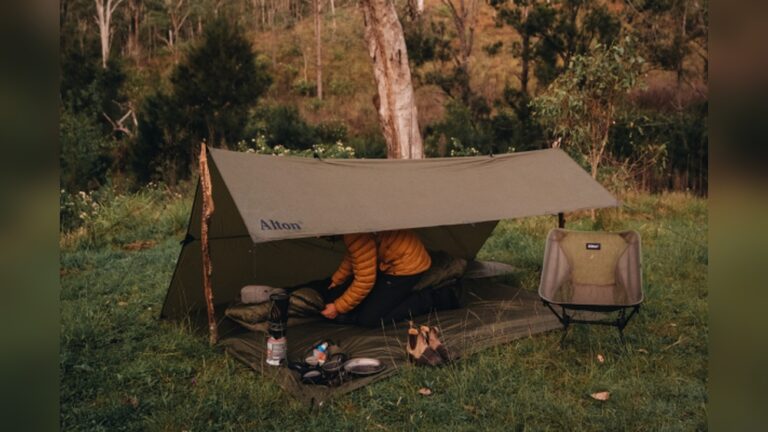
Putting a tarp over a tent can reduce wind chill but does not significantly increase warmth. It mainly protects from rain and moisture. Proper insulation and ventilation inside the tent better control temperature. Use a tarp as extra weather protection, not a primary heat source.
Conclusion
Avoiding common tent setup mistakes makes camping safer and more comfortable. Choose a good spot, clear debris, and set your tent firmly. Facing the door away from wind helps protect you inside. Check all parts before assembling to prevent damage.
Secure stakes and guy lines tightly for stability. Small steps can prevent big problems during your trip. Practice these tips to enjoy your outdoor adventure fully. Camping feels better with a well-set tent and careful planning. Stay prepared, stay safe, and enjoy nature’s beauty.