Trail Etiquette for Hikers: Essential Tips for Respectful Adventures
When you hit the trail, you’re not just exploring nature—you’re joining a community of hikers who all share the same path. But did you know that how you behave on the trail can make a huge difference?
Whether you’re a seasoned trekker or just starting out, understanding trail etiquette is key to keeping the outdoors safe, enjoyable, and beautiful for everyone—including you. In this guide, you’ll discover simple, smart habits that protect the environment, show respect to fellow hikers, and make every hike smoother and more fun.
Ready to become the kind of hiker others appreciate? Let’s dive into the essential trail etiquette you need to know.
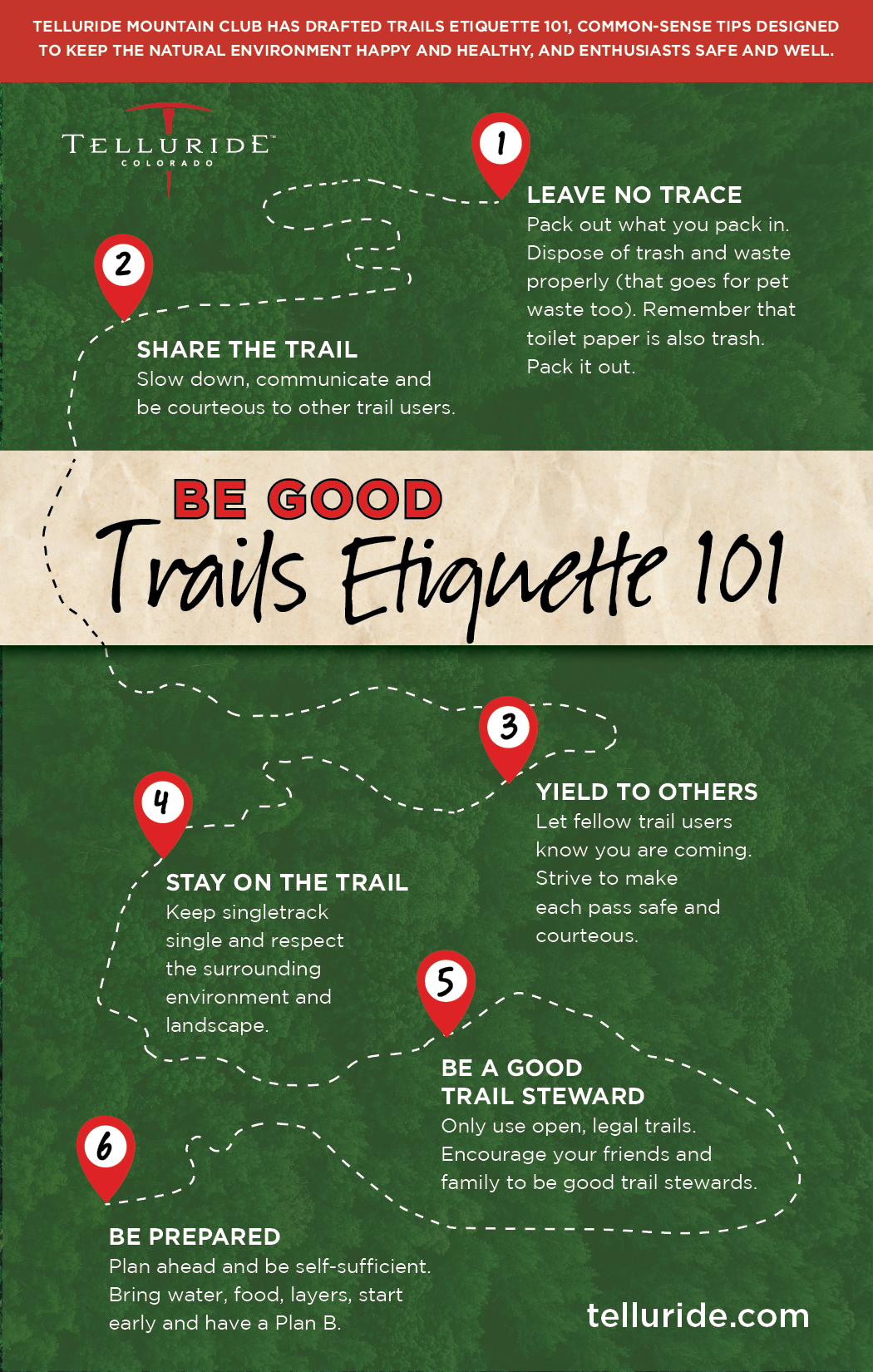
Credit: www.telluride.com
Stay On The Trail
Staying on the trail is one of the most important rules for hikers. It helps protect nature and keeps the path clear for everyone. Walking off the trail can harm plants and cause soil erosion. Trails are made to guide hikers safely through natural areas. Following the trail shows respect for the environment and other hikers.
Avoid Cutting Switchbacks
Switchbacks are zigzag paths on steep hills. Avoid cutting across them to save time. Cutting switchbacks can cause serious soil damage and make the trail unsafe. It leads to widening the trail and destroys plants. Always follow the marked path, even if it feels longer.
Protect Vegetation
Plants near trails are fragile and need protection. Walking off the trail crushes vegetation and kills small plants. Stay on the trail to keep flowers, shrubs, and grasses alive. Protecting plants helps keep the forest healthy. Healthy plants prevent soil from washing away during rain.
Move Aside To Let Others Pass
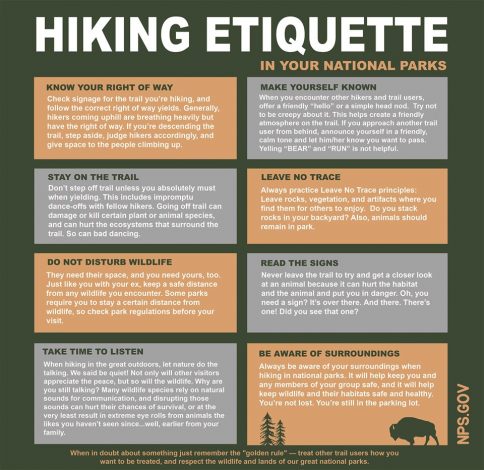
Trails can be narrow and busy. Step to the side when other hikers approach. This shows respect and keeps the flow of hikers smooth. Move carefully without damaging plants near the trail edge. Let faster hikers or groups pass safely and quickly.
Credit: www.weareoutgrown.org
Yielding Rules
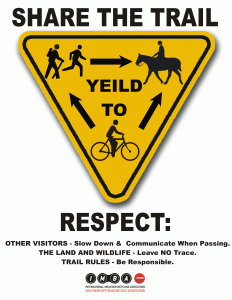
Yielding rules keep the trail safe and enjoyable for everyone. They guide how hikers, bikers, and animals share the path. Respecting these rules helps avoid accidents and shows kindness to others. Learning who yields to whom makes hiking more pleasant for all.
Uphill Hikers Have Right Of Way
Hikers going uphill have the right of way. Uphill hiking takes more effort and balance. Stopping or moving aside can be hard on a steep slope. Downhill hikers should step off the trail carefully and wait for uphill hikers to pass. This rule reduces slips and helps everyone keep their pace.
Yielding To Horses And Pack Animals
Horses and pack animals are large and can be startled. Always stop and speak calmly when you see them. Step to the side and give animals plenty of space. Never make sudden movements or loud noises near horses. Yielding to animals keeps you and them safe on the trail.
Sharing Trail With Bikers And Runners
Bikers move fast and need room to pass safely. Step to the side and wait for them to go by. Runners may be focused and less aware of others. Make your presence known with a polite greeting or sound. Sharing the trail with bikers and runners requires patience and clear communication.
Noise And Behavior
Noise and behavior greatly affect the hiking experience for everyone on the trail. Keeping sounds low helps maintain nature’s peace. Good manners create a friendly and safe environment. Respectful actions make trails enjoyable for all visitors.
Keep Noise Levels Low
Speak softly and avoid loud noises. Keep music off or use headphones. Loud sounds scare wildlife and disturb other hikers. Quiet trails help you hear nature’s beauty. Your calm voice encourages peaceful hiking for all.
Respect Other Visitors’ Experience
Give space to others and avoid blocking the trail. Do not shout or make sudden noises. Notice if others want quiet or conversation. Smile and greet with a nod, not loud words. Respect helps everyone enjoy their time outdoors.
Slowest Hiker Leads The Group
The slowest hiker should set the group pace. This keeps everyone together and safe. It avoids rushing and exhausting others. Let the slowest person lead to prevent splits. Group harmony makes the hike more fun and relaxed.
Leave No Trace
The Leave No Trace principle guides hikers to protect nature. It means leaving the trail as you found it. This helps keep parks clean and wildlife safe. Everyone can enjoy the outdoors more when we follow these simple rules.
Pack Out All Trash
Carry all your trash with you. This includes food wrappers, bottles, and small bits of litter. Even organic waste like fruit peels can harm the environment. Use reusable containers to reduce waste. Never leave trash behind on the trail.
Carry Out Human Waste
Human waste can pollute water and spread disease. Use toilet facilities when available. If none exist, dig a small hole at least 6 inches deep and 200 feet from water sources. Pack out toilet paper in a sealed bag. Keep the trail clean and safe for everyone.
Avoid Feeding Wildlife
Feeding animals changes their natural habits. It makes them dependent on humans and can cause harm. Keep your food stored securely. Watch animals from a distance without offering food. Respect wildlife by letting them find their own food.
Group Hiking Tips
Group hiking brings joy and safety but requires respect for others on the trail. Sharing the path means staying aware and courteous. These simple habits help everyone enjoy the outdoor experience without conflicts or delays.
Don’t Block The Trail
Keep moving and avoid stopping in the middle of the trail. If your group needs to rest or take photos, step aside to let others pass. Blocking the trail slows down everyone and can cause frustration.
Communicate With Other Groups
Speak clearly and politely to other hikers when passing or meeting. A simple “hello” or “excuse me” helps keep the trail friendly. Alert others if you plan to pass on their left or right to avoid surprise encounters.
Stay Single-file When Needed
On narrow or busy trails, walk single-file to save space. This allows other hikers to pass safely and protects the surrounding nature from damage. Follow trail signs or guides that suggest single-file walking for safety.
Wildlife Respect
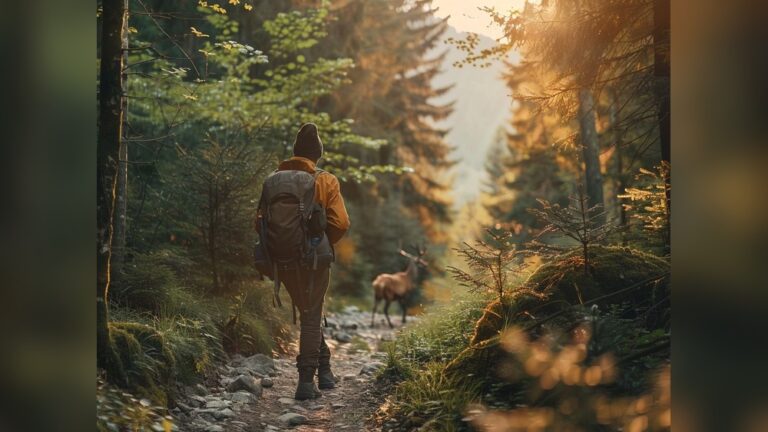
Respecting wildlife is a crucial part of trail etiquette for hikers. Animals live in their natural homes, and hikers are visitors. Treating wildlife with care protects both animals and people. It helps keep nature balanced and safe for future visitors.
Observe From A Distance
Watch animals quietly without getting too close. Use binoculars or a camera zoom to see details. Close encounters can scare animals or cause them to act unpredictably. Keep a safe space to avoid disturbing their natural behavior.
Do Not Disturb Animals
Never try to touch or feed wild animals. Feeding can make animals dependent on humans and harm their health. Loud noises or sudden movements can stress animals and cause them to flee. Stay calm and let animals move freely in their habitat.
Store Food Securely
Keep food in sealed containers or bear-proof lockers if available. Strong food smells attract animals and can lead to dangerous encounters. Do not leave food scraps or trash on the trail. Always pack out what you bring in to protect wildlife and the environment.
Trail Safety
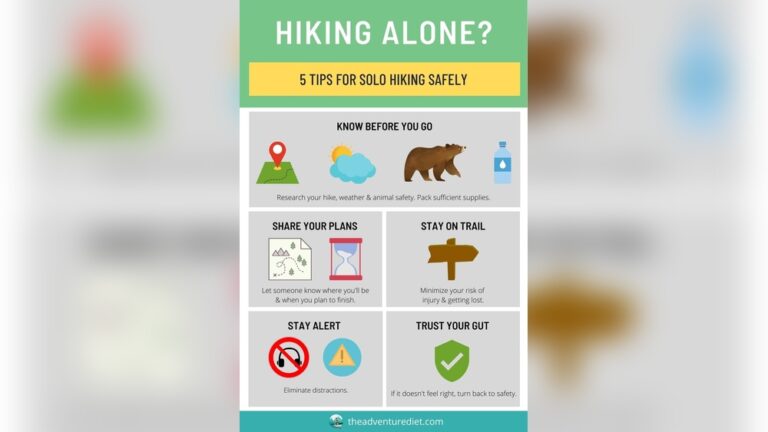
Trail safety is the top priority for every hiker. It helps prevent accidents and keeps your adventure enjoyable. Simple safety steps make a big difference on the trail. Knowing how to prepare protects you from common dangers. Being cautious ensures a safe, fun experience in nature.
Follow these key safety tips before and during your hike. They help you stay ready for the unexpected. Safety is about planning smart and respecting the trail environment.
Inform Someone About Your Plans
Tell a friend or family member where you will hike. Share your trail route and expected return time. This information helps others find you if you get lost. Never hike alone without letting someone know your plans. It adds a layer of safety and peace of mind.
Carry Essential Gear
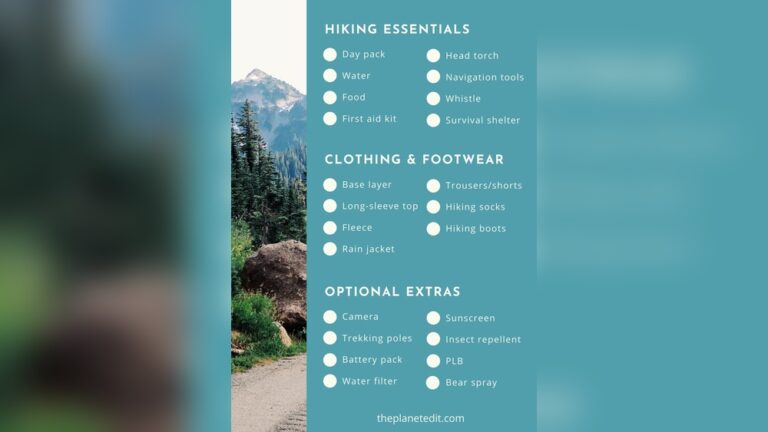
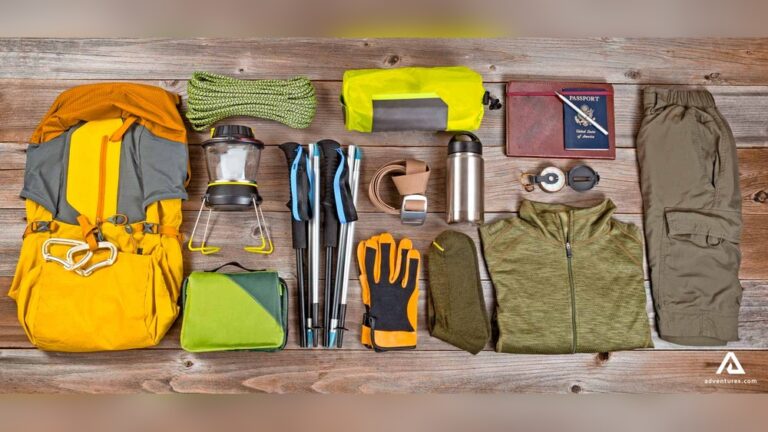
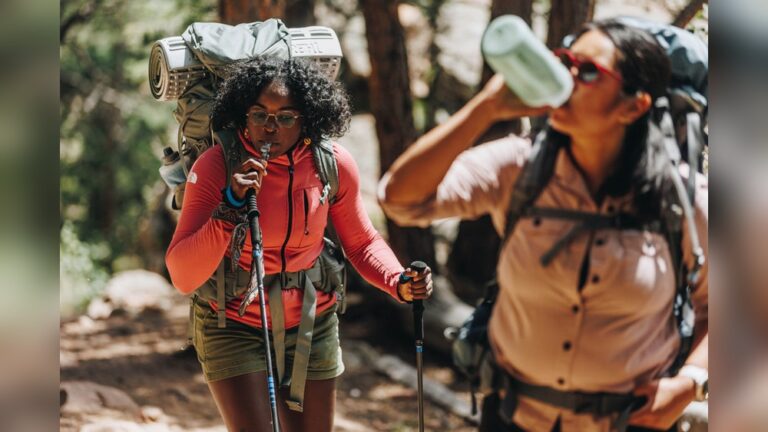
Bring important items like a map, compass, or GPS device. Pack water, snacks, a first aid kit, and a flashlight. Wear proper footwear and clothing for hiking conditions. Carrying the right gear helps you handle emergencies and stay comfortable. It also prepares you for changes along the trail.
Be Prepared For Weather Changes
Weather can change quickly in the outdoors. Carry extra layers, rain gear, and sun protection. Check the weather forecast before your hike starts. Watch the sky for sudden storms or temperature drops. Being ready helps you avoid weather-related problems and stay safe.
Credit: tailonthetrail.org
Frequently Asked Questions
What Is The Basic Trail Etiquette For Hikers?
Basic trail etiquette includes staying on marked trails, yielding to uphill hikers, and packing out all trash. It helps protect the environment and ensures everyone enjoys the hike.
Who Has The Right Of Way On Hiking Trails?
Hikers going uphill have the right of way. Downhill hikers should step aside and let them pass safely and respectfully.
Why Should Hikers Stay On The Trail?
Staying on the trail prevents damage to fragile vegetation and reduces soil erosion. It preserves the natural habitat and keeps the trail safe for all users.
How Can Hikers Minimize Their Impact On Nature?
Hikers should follow the “Leave No Trace” principles by packing out all trash, avoiding feeding wildlife, and keeping noise levels low to protect the environment.
Conclusion
Good trail manners keep nature beautiful and trails safe. Respect others by yielding to uphill hikers. Stay on marked paths to protect plants and soil. Always carry out your trash and leave no trace. Keep noise low to enjoy peace and wildlife.
Sharing the trail makes hiking fun for everyone. Practice these simple rules every time you hike. Enjoy nature responsibly and make each trip better.