Travel Tips for Backpacking Tent: Essential Hacks for Adventure
Planning to carry a tent on your backpacking trip? Your tent isn’t just gear—it’s your shelter, your safe space, and your comfort zone after a long day on the trail.
But packing, choosing, and setting up a backpacking tent can be tricky if you don’t know the right tips. What if you could avoid common mistakes, save weight in your pack, and set up camp faster every time? You’ll discover simple, practical travel tips for backpacking tents that will make your outdoor adventures easier and more enjoyable.
Ready to make your backpacking experience smoother and more comfortable? Keep reading!
Choosing The Right Tent
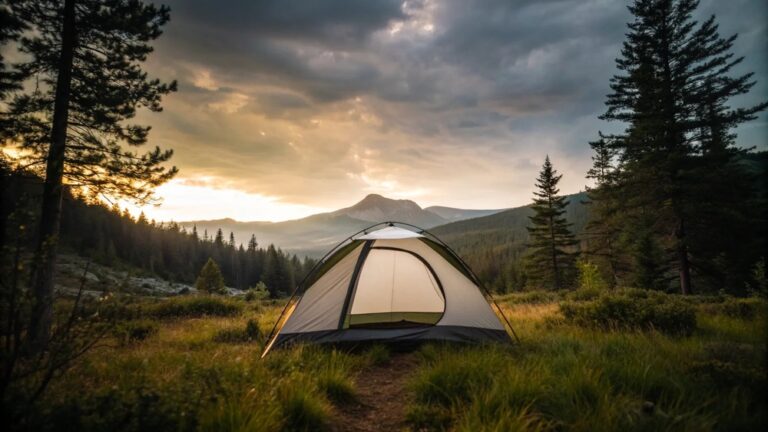
Choosing the right tent is a key step for any backpacking trip. The tent protects you from weather and insects. It also affects your pack weight and comfort. Picking a tent that fits your needs helps you enjoy your adventure more. Consider several factors before buying or packing your tent.
Weight And Size Considerations
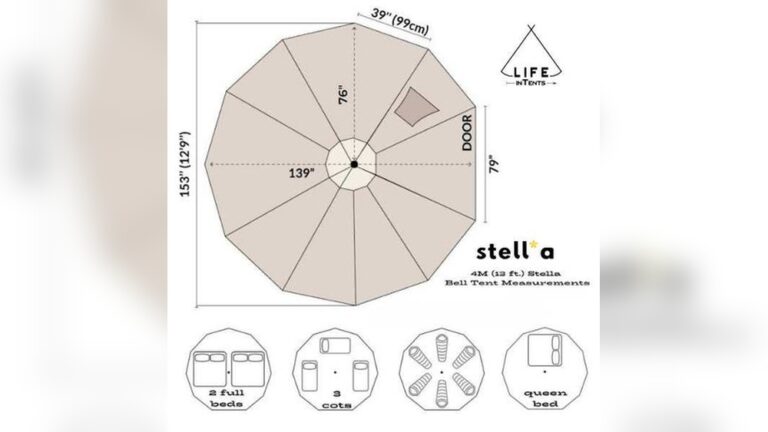
Lightweight tents make hiking easier and faster. Carrying less weight reduces fatigue and helps cover longer distances. Pay attention to packed size too. A tent that compresses small fits better in your backpack. Balance between weight and space for comfort. Remember, very small tents might feel cramped on long trips.
Seasonal Ratings And Materials
Tents come with seasonal ratings like 3-season or 4-season. A 3-season tent works well in spring, summer, and fall. It protects against rain and mild wind. A 4-season tent withstands heavy snow and strong wind. Choose materials that resist water and tear easily. Breathable fabrics help reduce condensation inside the tent.
Ultralight Vs Durable Options
Ultralight tents are great for fast, short trips. They use thin fabrics and fewer poles. These tents save weight but may wear out faster. Durable tents use stronger materials and more poles. They resist rough weather and last longer. Pick ultralight tents for speed. Choose durable tents for tougher conditions or longer trips.

Credit: www.rei.com
Packing Strategies
Packing a backpacking tent requires smart planning. Efficient packing saves space and protects your gear. It makes carrying your tent easier on long hikes. Organize your items to balance weight and access. Use every inch of your backpack wisely. Careful packing prevents damage and keeps essentials handy.
Optimizing Backpack Space
Roll your tent tightly to reduce bulk. Use compression sacks to shrink its size. Place the tent near the middle or bottom of the pack. This keeps your center of gravity stable. Fill gaps with small items like stakes or ropes. Keep frequently used gear on top for quick access.
Protecting Your Tent During Travel
Store your tent in a waterproof bag to avoid moisture. Wrap fragile poles in soft cloth or foam. Avoid placing heavy items on top of your tent. Use a rain cover if your pack lacks waterproofing. Regularly check your tent for damage during stops.
Essential Tent Accessories
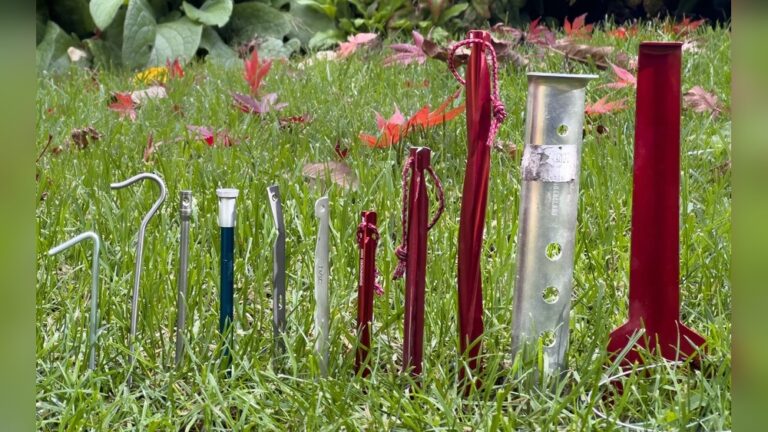
Bring extra stakes for different terrains. Carry a lightweight footprint to protect the tent floor. Pack repair tape and patches for emergencies. Include guy lines for added stability in wind. A small stuff sack helps keep all parts together.
Setting Up Your Tent
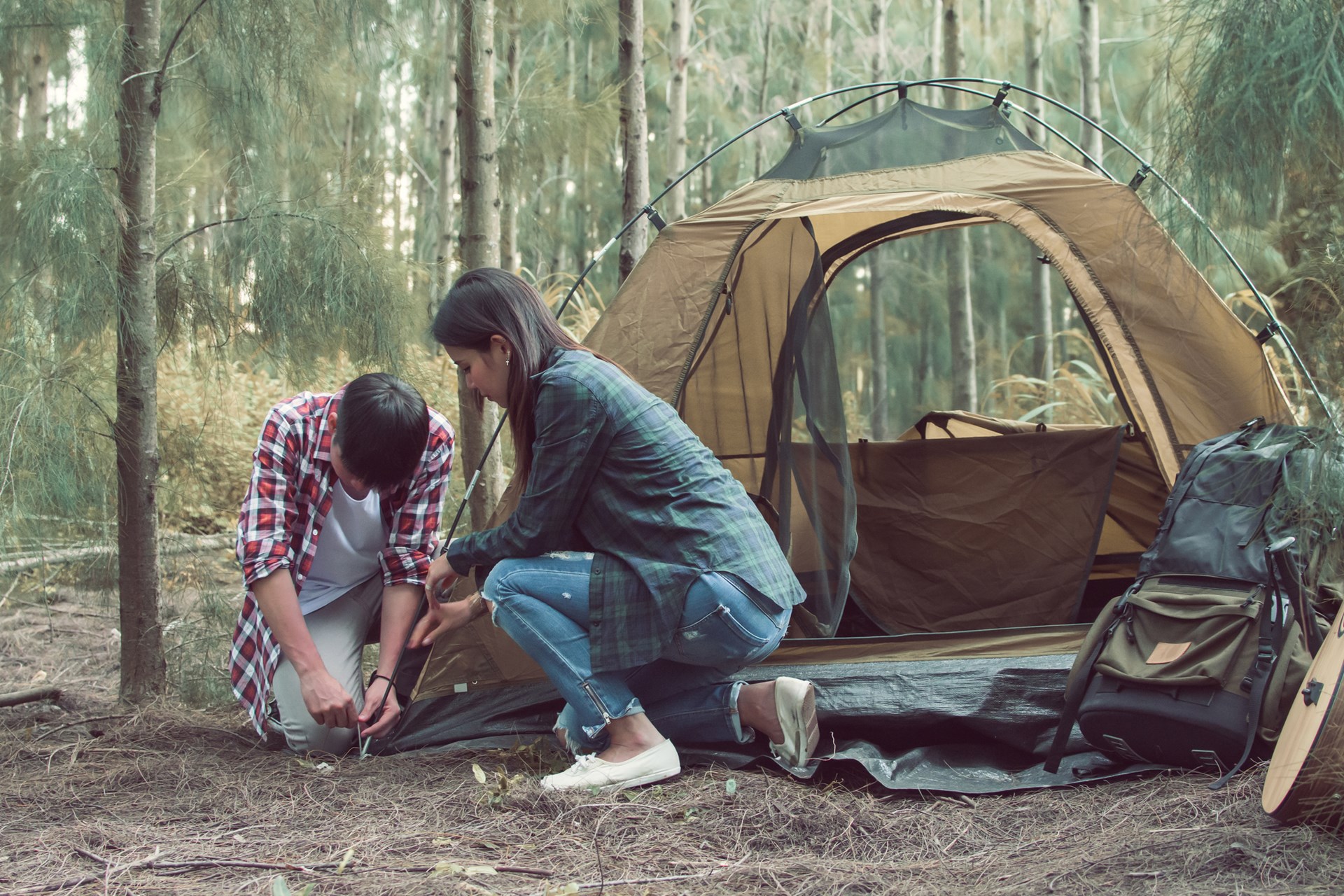
Setting up your tent is a key part of any backpacking trip. A well-pitched tent keeps you safe and comfortable. It protects you from wind, rain, and bugs. Learning to set up quickly saves time and energy. This section covers important steps to pitch your tent right.
Selecting The Perfect Campsite
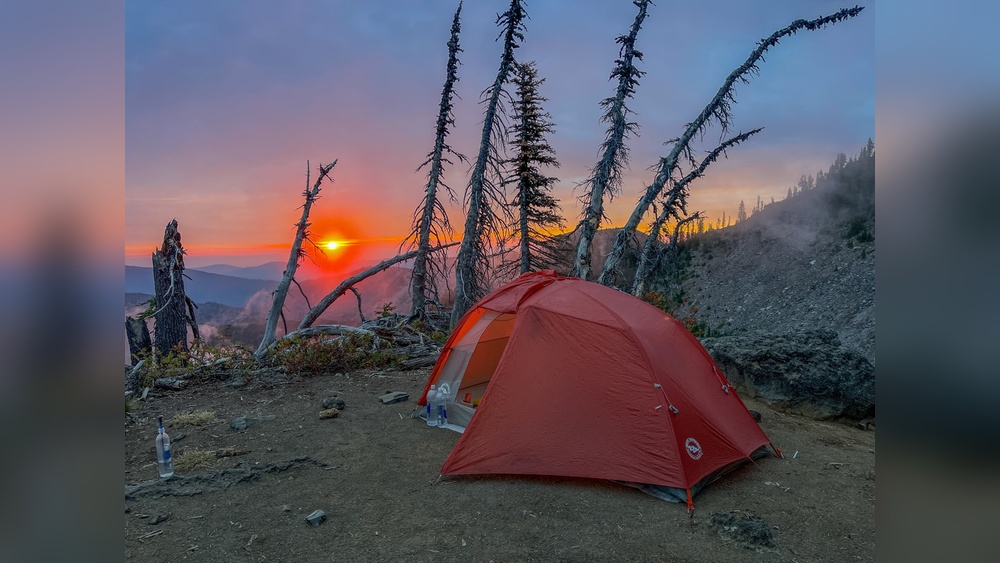
Find flat ground to keep your tent stable. Avoid low spots where water can pool. Look for natural windbreaks like trees or rocks. Clear away sharp sticks and stones that can damage your tent floor. Check for overhead hazards like dead branches. Choose a spot with good drainage to stay dry.
Using Tarps And Ground Covers
Place a tarp or ground cover under your tent. It protects the tent floor from moisture and tears. Make sure the tarp is smaller than the tent floor edges. If it sticks out, rainwater can collect under the tent. Use durable, waterproof material for best results. This simple step extends your tent’s life and comfort.
Quick And Secure Pitching Techniques
Lay out all tent parts before starting. Stake down the corners first to keep it tight. Use guy lines to add extra stability in windy conditions. Tighten all straps and zippers to prevent flapping. Practice pitching your tent at home to speed up the process. Secure stakes fully to avoid slipping or collapse.
Maintenance On The Trail
Proper maintenance of your backpacking tent during the trail is essential. It keeps your shelter durable, safe, and ready for any challenge. Small efforts protect your tent from damage and extend its life. This section covers key tips for cleaning, preventing wear, and dealing with weather changes on your trip.
Cleaning And Drying Tips
Keep your tent clean by shaking out dirt and debris daily. Use a soft brush or cloth for gentle cleaning. Avoid harsh detergents; mild soap works best. Always dry your tent completely before packing. A damp tent encourages mold and bad smells. Hang it in the sun or a breezy spot for quick drying.
Preventing Damage And Wear
Choose a smooth, flat ground to pitch your tent. Remove rocks and sticks that can tear the fabric. Use a footprint or groundsheet underneath for extra protection. Handle zippers carefully to avoid breaks. Store poles and stakes properly to prevent bending or loss. Regularly check seams and repair small holes with tape or patches.
Handling Unexpected Weather
Secure your tent well during strong winds with extra stakes or guy lines. Tighten the rainfly to keep water out. Clear snow or heavy rain off your tent to avoid collapse. Keep your tent ventilated to reduce condensation inside. Prepare for temperature drops by sealing gaps but allowing airflow.
Safety And Comfort
Backpacking with a tent offers freedom and adventure. Safety and comfort inside your tent ensure a better experience. A few key tips help keep you safe from animals and the elements. Comfort improves your rest and energy for the next day’s journey.
Keeping Wildlife Away
Store food away from your tent in sealed containers. Avoid cooking or eating inside the tent to prevent smells. Use a bear bag or hang food from a tree if allowed. Keep your tent zipped at all times. Remove trash and scraps immediately to avoid attracting animals.
Ventilation And Condensation Control
Open tent vents or windows to allow airflow. Good ventilation reduces moisture inside the tent. Moisture can cause condensation, making the tent damp and cold. Use a rainfly properly to protect against rain but allow air circulation. Avoid closing all openings, even in cold weather.
Creating A Comfortable Sleeping Area
Choose flat, soft ground free of rocks and roots. Use a sleeping pad for cushioning and insulation. Arrange your sleeping bag to match the temperature outside. Keep your gear organized inside the tent to save space. Small comforts improve sleep quality and overall trip enjoyment.
Credit: koa.com
Advanced Backpacking Hacks
Advanced backpacking hacks improve your camping experience. These tips help you save space, stay comfortable, and handle challenges. Use smart gear choices and packing methods. Adjust your setup for different locations. These ideas make long trips easier and more enjoyable.
Using Multi-purpose Gear
Choose gear that serves more than one function. A bandana can be a towel, sunshade, or pot holder. A jacket with removable liners works in various temperatures. Multi-use items reduce weight and save space. They also cut down on what you must carry.
Think about gear that adapts to many situations. A trekking pole can become a tent support. A pot lid doubles as a plate or cutting board. This approach keeps your pack light and versatile.
Packing For Long-term Trips
Pack items that are durable and easy to clean. Bring clothes that dry quickly and layer well. Plan to carry food that lasts and is lightweight. Use compression sacks to organize and save space.
Rotate your gear use to keep everything fresh. Carry repair kits for tents and backpacks. Long trips demand careful planning to avoid extra weight and discomfort.
Adapting To Different Environments
Adjust your tent and gear depending on the climate. In rainy areas, use waterproof covers and ground tarps. In cold places, choose tents with better insulation and wind protection.
Change your setup for forest, desert, or mountain camping. Learn to pitch your tent on uneven or rocky ground. Being flexible helps you stay safe and comfortable in all conditions.

Credit: en.heimplanet.com
Frequently Asked Questions
What Is The Best Backpacking Tent For Beginners?
A lightweight, easy-to-pitch, and durable tent is ideal for beginners. Look for three-season tents with good ventilation and waterproof features. Prioritize compact size and weight for easy carrying during long hikes.
How To Pack A Backpacking Tent Efficiently?
Disassemble the tent and pack poles, stakes, and rainfly separately. Roll the tent fabric tightly and compress it in a waterproof stuff sack. Place the tent at the bottom or side of your backpack for balance.
How Do I Set Up A Backpacking Tent Quickly?
Choose a flat, sheltered spot free of rocks and debris. Lay out the footprint or tarp first, then assemble poles and attach the tent body. Secure stakes and rainfly last to protect against wind and rain.
What Essentials Should I Carry With A Backpacking Tent?
Carry a footprint or tarp, extra stakes, guylines, and repair kits. Include a groundsheet to protect the tent floor. Pack a small mallet and multi-tool for setup and repairs.
Conclusion
Choosing the right backpacking tent makes your trip easier and more fun. Always test your gear before hiking. Keep your tent light and pack smart. Find a good spot to set up quickly. Protect your tent from rain and wind.
Stay safe by knowing how to use your equipment. Enjoy the adventure with simple, prepared steps. Remember, good planning leads to great memories.