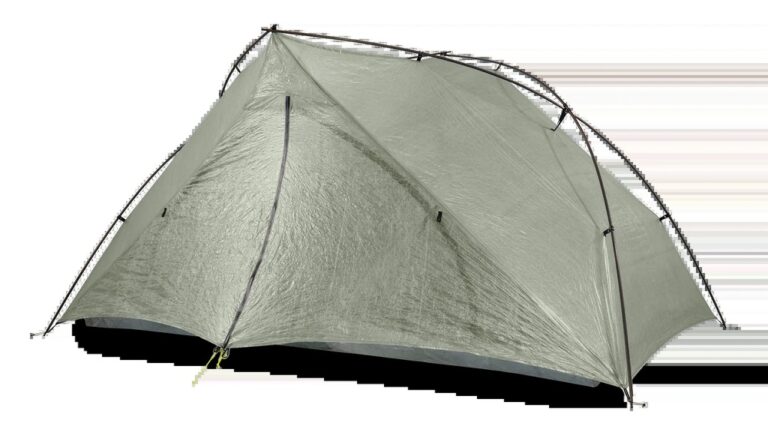
Travel Tips for Camp Tent: Essential Hacks for Ultimate Comfort
Planning a camping trip with your tent? Whether you’re a first-timer or a seasoned camper, having the right tips can make all the difference between a stressful outing and an unforgettable adventure.
Imagine waking up refreshed, dry, and comfortable—ready to enjoy the great outdoors without hassles. In this guide, you’ll discover simple, practical travel tips that help you set up your tent efficiently, stay cozy through changing weather, and make the most of every moment outside.
Keep reading, and you’ll be equipped to turn your next camping trip into the relaxing escape you deserve.
Choosing The Right Tent
Choosing the right tent is key for a great camping trip. Your tent keeps you safe and comfortable outdoors. Picking the best one depends on your needs and the environment.
Consider tent size, material, and weather conditions. Each factor affects how well the tent performs. A good choice makes your adventure easier and more enjoyable.
Tent Sizes And Capacity
Think about how many people will use the tent. A tent labeled for four might feel tight with four adults. Choose a size with extra space for gear and comfort.
More room means better sleep and less clutter. If you camp alone, a smaller tent saves weight and space. Families or groups need bigger tents to fit everyone.
Materials And Durability
Tents come in different fabrics like nylon and polyester. Nylon is light and strong, good for backpacking trips. Polyester resists sun damage better and lasts longer in bright conditions.
Check the tent poles too. Aluminum poles are light and sturdy. Fiberglass poles are cheaper but can break more easily. Durable materials protect you from wind and rain.
Weather Considerations
Think about the weather you expect. For summer, tents with good ventilation keep you cool. Mesh windows let air flow while keeping bugs out.
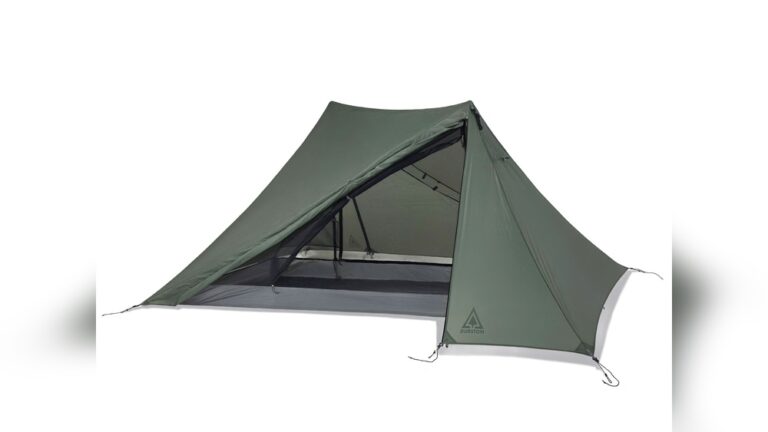
In rainy or cold places, pick tents with a strong rainfly and sealed seams. A tent with a low profile handles wind better. Make sure your tent matches the climate for safety and comfort.

Credit: www.amazon.com
Selecting The Perfect Campsite
Selecting the perfect campsite sets the tone for your entire camping experience. A good spot offers comfort, safety, and ease during your stay. Choosing wisely helps avoid many common camping problems. Take time to observe the surroundings before pitching your tent. Small details can make a big difference in how you enjoy your trip.
Terrain And Ground Conditions
Choose flat terrain to ensure a comfortable night’s sleep. Avoid rocky or uneven ground that can damage your tent floor. Soft soil is ideal but watch out for mud or swampy spots. Check for sharp objects like sticks or stones before setting up. Clear the area of debris to protect your tent and your comfort.
Sun And Wind Exposure
Find a spot with some shade to keep your tent cool during the day. Trees or bushes provide natural shade and wind protection. Face the tent entrance away from the wind to reduce drafts inside. Strong wind can damage your tent or make it noisy at night. Plan according to the weather forecast for better comfort.
Proximity To Water And Amenities
Set up camp near a water source for easy access to drinking and cleaning. Avoid pitching too close to water to prevent flooding and bugs. Check the distance to restrooms, parking, and other facilities. Being near amenities saves time and effort during your stay. Balance convenience with safety and privacy for the best spot.
Setting Up Your Tent
Setting up your tent is the first step to a comfortable camping trip. A well-pitched tent keeps you safe and dry. It also helps you enjoy your outdoor experience. Follow simple steps for a quick and secure setup. Proper setup saves time and prevents problems during your stay.
Using A Ground Tarp
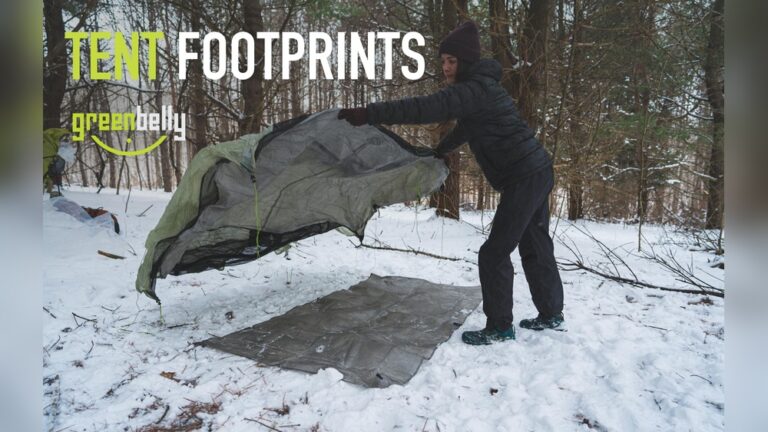
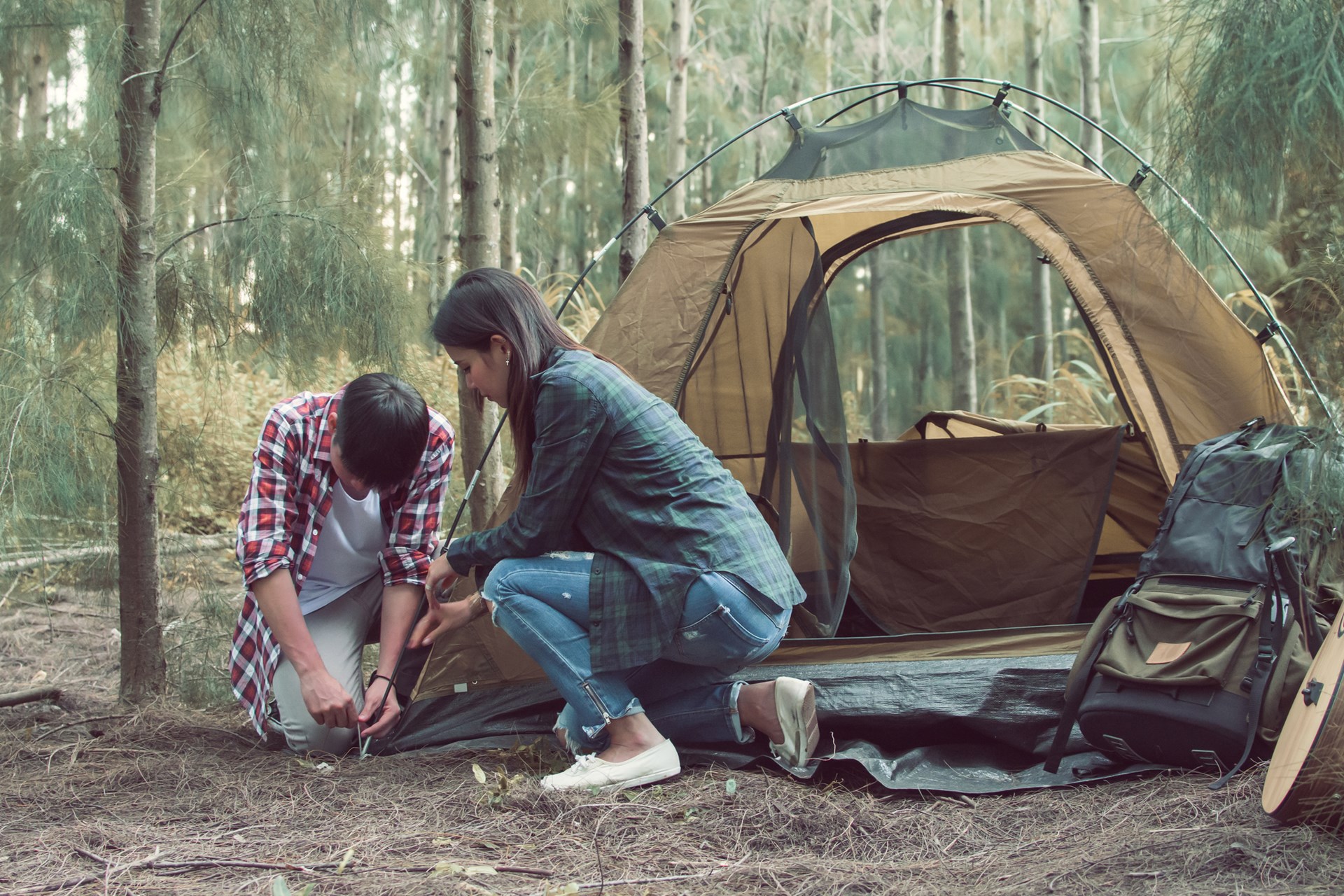
Place a ground tarp under your tent to protect the floor. It stops moisture from seeping in. The tarp also shields the tent from sharp rocks and dirt. Make sure the tarp is slightly smaller than the tent floor. This prevents water from collecting under the tent edges.
Leveling Techniques
Choose flat ground to pitch your tent. Avoid slopes or low spots where water can gather. Clear the area of stones, sticks, and debris. Check the ground for comfort before you set up. Leveling your tent ensures a better night’s sleep and stability.
Securing Stakes And Guy Lines
Use strong stakes to anchor your tent firmly. Push stakes into the ground at a 45-degree angle away from the tent. Tighten guy lines to add extra support in windy conditions. Guy lines keep the tent fabric taut and prevent sagging. Always double-check stakes and lines for security.
Maximizing Tent Comfort
Maximizing comfort inside your camp tent makes your outdoor stay much more enjoyable. A cozy tent feels like a home away from home. Small changes improve warmth, airflow, and lighting. These tips help you create a pleasant space for rest and relaxation.
Insulation And Layering
Use sleeping pads or foam mats under your sleeping bag for extra insulation. Layer blankets or use a thermal liner inside your sleeping bag to keep warm. Place a ground tarp beneath your tent to block cold and moisture from the ground. Dress in layers; this helps regulate body temperature inside the tent. Avoid wearing damp clothes, as they reduce warmth and comfort.
Ventilation Tips
Open tent windows or vents to reduce condensation buildup. Proper airflow prevents dampness and keeps air fresh. Use mesh panels to keep bugs out while allowing air in. Avoid sealing your tent completely, especially overnight. Position your tent where a gentle breeze can pass through for natural ventilation.
Lighting Solutions
Bring battery-powered lanterns or string lights for soft, even lighting inside your tent. Headlamps free your hands for tasks and are easy to wear. Avoid candles or open flames to prevent fire hazards. Use warm white or yellow light bulbs to create a cozy atmosphere. Keep extra batteries handy to ensure continuous light when needed.
Essential Gear And Accessories
Having the right gear and accessories makes camping in a tent much more comfortable. These items improve your experience and help you rest better. Choosing essential gear saves time and avoids stress during your trip.
Sleeping Pads And Bags
Sleeping pads add cushioning between you and the ground. They keep you warm and protect from hard surfaces. Sleeping bags keep your body heat inside the tent. Choose a bag suitable for the weather you expect. Look for lightweight and compact options for easy packing.
Tent Organizers
Tent organizers help keep your space neat and tidy. They hold small items like phones, flashlights, and keys. Hanging organizers save floor space and make things easy to find. Use mesh pockets for ventilation and to see contents quickly.
Fans And Heaters
Fans keep the air moving in hot weather. They help reduce humidity inside the tent. Battery-powered fans work well for camping. Heaters provide warmth in cold conditions. Choose safe, portable heaters designed for tents. Always follow safety rules to avoid accidents.

Credit: www.rei.com
Maintaining Cleanliness And Safety
Maintaining cleanliness and safety inside your camp tent improves comfort and protects your health. A clean tent keeps bugs and dirt away. Safe practices prevent accidents and injuries while camping. Follow simple steps to ensure your tent remains a safe and pleasant shelter during your outdoor adventure.
Keeping Debris Out
Remove shoes before entering the tent to avoid tracking dirt inside. Use a small broom or brush to sweep out leaves and sand regularly. Place a ground mat outside the tent entrance to catch mud and debris. Shake out sleeping bags and blankets before packing to prevent dirt buildup. Keep food sealed and away from the tent floor to avoid spills.
Flagging Tent Lines
Mark tent lines with bright flagging tape or reflective strips. This helps campers see the lines in low light and prevents tripping. Secure the lines tightly to avoid loose ropes that cause accidents. Choose visible colors like orange or yellow for better visibility. Check the flags daily and replace any that are torn or faded.
Pest Prevention
Store food in sealed containers away from the tent to deter insects and animals. Avoid leaving trash inside or near your tent site. Use insect repellent sprays around the tent perimeter for extra protection. Keep tent doors zipped closed to block pests from entering. Inspect your tent for holes or tears where bugs can get in and patch them quickly.
Packing Smart For Tent Travel
Packing smart for tent travel makes your camping trip easier and more enjoyable. It means taking only what you need. This helps keep your gear light and your backpack manageable. Smart packing also saves space for other essentials. Planning meals, hydration, and clothing ahead helps avoid last-minute stress.
Lightweight Meal Ideas
Choose meals that are easy to carry and cook. Instant oatmeal, trail mix, and energy bars are great for quick snacks. Dehydrated soups and freeze-dried meals save weight and last long. Fresh fruits like apples or oranges work well too. Avoid heavy cans or glass containers. Pack spices in small bags to add flavor without bulk.
Hydration Tips
Stay hydrated by carrying a reusable water bottle. Use water purification tablets or filters for fresh water from streams. Drink small amounts often to keep energy up. Avoid sugary drinks that cause dehydration. Carry a hydration bladder for easy access during hikes. Remember, water is heavier than food, so plan accordingly.
Layered Clothing Choices
Bring clothes you can add or remove as needed. Start with a moisture-wicking base layer to keep dry. Add an insulating middle layer for warmth. Use a waterproof outer layer for rain or wind protection. Choose lightweight and quick-drying fabrics. Avoid cotton as it holds moisture and dries slowly. Pack extra socks and a hat for changing weather.
Credit: koa.com
Troubleshooting Common Issues
Camping with a tent brings many joys but also some challenges. Knowing how to fix common tent problems keeps your trip smooth. Simple fixes can save your day and make camping more fun. Here are key tips for common issues you may face.
Dealing With Moisture
Moisture inside your tent can cause discomfort and damage. Always keep your tent zipped to stop rain from getting in. Use a ground tarp to prevent water from seeping up. Air out your tent during the day to reduce dampness. Store wet clothes outside the sleeping area to stay dry.
Handling Unexpected Weather
Weather changes fast outdoors. Secure your tent with extra stakes to resist strong winds. Lower the tent’s profile by tightening all lines and poles. Use a rainfly to protect against heavy rain. In cold weather, add an insulated ground pad for warmth. Stay alert to weather forecasts to prepare early.
Repairing Tent Damage
Tent tears or broken poles can happen anytime. Carry a small repair kit with patches, tape, and extra poles. For small tears, apply patch tape inside and outside the tent. Use pole splints to fix cracked poles temporarily. Always check your tent before your trip to spot weak spots early.
Frequently Asked Questions
What Are Essential Tips For Setting Up A Camp Tent?
Choose a flat, dry spot to pitch your tent. Lay a tarp underneath for moisture protection. Secure all stakes tightly. Always orient the tent door away from wind for comfort.
How To Keep Your Tent Dry During Rain?
Use a rainfly to cover your tent completely. Ensure all zippers and seams are sealed. Avoid placing your tent in low areas where water pools. Ventilate to reduce condensation inside.
What Gear Is Necessary For Comfortable Tent Camping?
Bring a sleeping pad or air mattress for cushioning. Pack warm sleeping bags suitable for the weather. Use a headlamp or lantern for nighttime. Don’t forget a small broom to keep the tent clean.
How Can I Stay Safe While Camping In A Tent?
Store food securely to avoid attracting wildlife. Keep a first-aid kit handy. Inform someone about your camping location and duration. Use flagging tape on tent stakes to prevent tripping.
Conclusion
Camping with a tent can be fun and relaxing. Choose a good spot and set up carefully. Keep your gear organized and pack only what you need. Stay safe by checking weather and wildlife warnings. Remember to respect nature and leave no trace behind.
These simple tips help you enjoy every moment outdoors. Happy camping and safe travels!