Travel Tips for Camping Hammock: Ultimate Guide for Comfort & Safety
Ready to take your camping experience to the next level? Using a camping hammock can transform your outdoor trips into something truly comfortable and relaxing.
But before you hang your hammock between those trees, there are some smart travel tips you need to know. Whether you’re new to hammock camping or looking to improve your setup, this guide will help you sleep better, stay safe, and enjoy nature like never before.
Keep reading to discover how to make your next hammock camping adventure easy, cozy, and unforgettable.

Credit: www.amazon.com
Choosing The Right Hammock
Choosing the right hammock is key for a good camping trip. The right hammock offers comfort, safety, and ease. It fits your travel style and camping needs. Consider several factors before buying. These include material, weight, size, and capacity. Each affects your experience outdoors. Understanding these points helps you pick the best hammock.
Materials And Durability
Hammocks come in different materials like nylon and polyester. Nylon is light and dries fast. Polyester resists sun and water better. Look for strong stitching and reinforced edges. These improve durability and safety. A durable hammock lasts many trips. It handles rough weather and heavy use. Choose materials that suit your climate and activity.
Weight And Portability
Weight matters if you carry your hammock far. Lightweight hammocks reduce your load. They pack small and fit easily in a backpack. Check the hammock’s packed size before buying. Some hammocks include a stuff sack for easy storage. A portable hammock saves space and energy on the trail. Pick one you can carry without strain.
Size And Capacity
Hammocks come in various sizes to fit one or two people. Check the length and width to match your height and comfort needs. Consider the weight capacity for safety. A strong hammock holds your weight plus gear. A bigger hammock offers more room to move. Choose a size that feels cozy but not cramped.

Credit: andrewskurka.com
Essential Gear For Hammock Camping
Hammock camping offers a unique way to enjoy nature with comfort and ease. Choosing the right gear is key for a great experience. Essential gear helps you set up quickly and stay safe and cozy outdoors.
Each piece of equipment has a specific role. Tree-saver straps protect nature and your hammock. Suspension systems keep your hammock stable. Underquilts and top quilts provide warmth. Bug nets and rain tarps shield you from pests and weather.
Tree-saver Straps
Tree-saver straps wrap around trees to protect their bark. They spread the hammock’s weight over a wide area. This prevents damage to trees and keeps the hammock secure. Using straps is a simple way to camp responsibly.
Suspension Systems
Suspension systems connect your hammock to the straps. They allow easy adjustment of hammock height and tension. Strong carabiners and durable ropes or straps are common parts. A good suspension system ensures safety and comfort while hanging.
Underquilts And Top Quilts
Underquilts fit under the hammock to block cold air. They keep your body warm from below. Top quilts cover you like a blanket, trapping heat from above. Together, they make sleeping in a hammock cozy in cool weather.
Bug Nets And Rain Tarps
Bug nets keep insects out, allowing peaceful rest. They fit around the hammock to create a bug-free zone. Rain tarps protect you from rain and wind. Setting up a tarp overhead keeps you dry and comfortable in bad weather.
Finding The Perfect Campsite
Finding the perfect campsite is key to enjoying your hammock camping trip. The right spot ensures comfort, safety, and respect for nature. It takes more than just picking two trees. Careful thought helps create a great experience in the outdoors.
Selecting Strong Trees
Strong trees hold your hammock safely. Choose trees with at least 6 inches in diameter. Avoid dead or weak trees. Look for healthy bark and solid branches. Always test tree strength before hanging your hammock.
Distance And Height Considerations
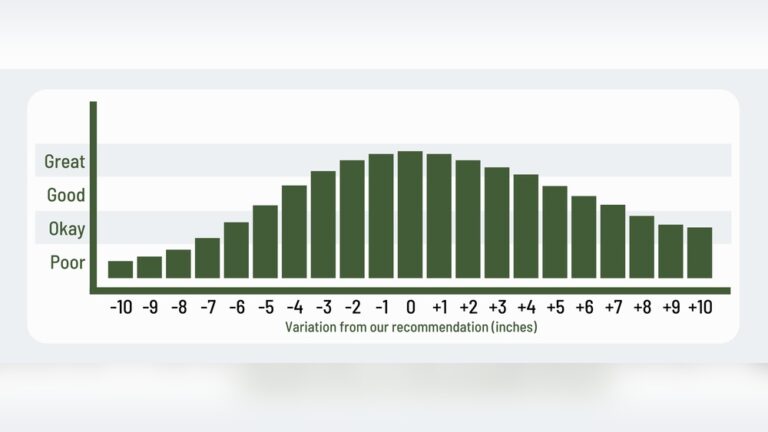
Space between trees matters. Ideal distance ranges from 10 to 15 feet. Hang your hammock about 18 inches off the ground. This height keeps you safe and comfortable. Adjust straps to maintain a gentle curve in the hammock.
Environmental Impact And Leave No Trace
Protect nature while camping. Use tree-friendly straps to avoid bark damage. Avoid setting up near fragile plants or animal homes. Pack out all trash and leave the site as you found it. Respecting the environment keeps camping areas pristine for everyone.
Setting Up Your Hammock
Setting up your camping hammock correctly ensures a safe and relaxing experience. A well-pitched hammock supports your weight evenly and keeps you comfortable all night. Choosing the right location and using proper techniques make a big difference. Learn how to hang your hammock securely and adjust it to your comfort.
Proper Hanging Techniques
Select two strong trees about 10 to 15 feet apart. Use wide tree straps to protect the bark and secure your hammock. Wrap the straps around each tree at about shoulder height. Attach your hammock hooks or carabiners to the straps. Aim for a 30-degree angle between the straps and the ground. This angle balances comfort and safety. Avoid hanging the hammock too tight or too loose. Check that all knots and clips are firm before use.
Using Ridgelines For Stability
Attach a ridgeline between the two trees above your hammock. This line keeps the hammock’s sag consistent every time. It also helps set the right hang angle. Use the ridgeline as a guide to hang your hammock evenly. This reduces sagging or twisting while you rest. Ridgelines improve overall stability and support. They also make setup faster after the first time. Choose a ridgeline with adjustable tension for better control.
Adjusting For Comfort
Lie diagonally in your hammock to find the best sleeping position. Adjust the height and tension of the straps to fit your body. Raise or lower the hammock to avoid touching the ground. Check that your back feels flat and your hips are supported. Use a pillow or folded clothes for extra neck support. Small adjustments can prevent aches and improve sleep quality. Test your setup before nightfall to make changes easily.
Staying Comfortable While Sleeping
Sleeping comfortably in a camping hammock can greatly improve your outdoor experience. Proper setup and good habits help avoid aches and chills. Small adjustments make a big difference in rest quality. Follow these tips to stay cozy and wake up refreshed.
Positioning And Body Alignment
Lie diagonally across the hammock, not straight. This position flattens the hammock and supports your back. Keep your body straight to avoid strain. Use a pillow or rolled clothes for neck support. Adjust your legs to find a natural posture. Avoid curling up or bending sharply.
Managing Temperature And Insulation
Use an underquilt or sleeping pad beneath you. These prevent cold air from chilling your body. A sleeping bag alone may not keep you warm enough. Add a top quilt or blanket for extra warmth. Wear moisture-wicking clothes to stay dry. Layer your clothing to trap heat.
Dealing With Weather Conditions
Set up your hammock in a sheltered spot. Trees or natural windbreaks reduce wind chill. Use a tarp or rainfly overhead during rain. Ensure the tarp is angled to drain water away. Ventilate to avoid condensation inside. Pack a rain cover for your gear and yourself.
Safety Tips For Hammock Camping
Camping with a hammock offers a unique way to enjoy nature. Comfort and relaxation come with some risks. Prioritizing safety ensures a fun and secure experience. Follow these safety tips to protect yourself and your gear.
Avoiding Tree Hazards
Choose trees that are healthy and strong. Avoid dead or weak branches above your hammock. Look for signs of disease or decay on the trunk. Stay clear of trees with loose bark or cracks. Check the ground for falling branches or debris. Set up your hammock away from beehives or nests. Always inspect the area carefully before hanging your hammock.
Securing Your Hammock
Use tree-friendly straps to protect bark and improve grip. Avoid ropes that can damage trees or slip easily. Attach straps at a height that allows a gentle sag in the hammock. Double-check all knots and connections before use. Hang your hammock at a safe height, no more than 18 inches off the ground. Test the setup by gently pressing down before fully lying down. Regularly inspect straps and hardware for wear and tear.
Wildlife Awareness
Store food and scented items away from your sleeping area. Use bear-proof containers if camping in bear country. Keep a clean campsite to avoid attracting animals. Make noise when moving nearby to alert wildlife of your presence. Avoid camping near animal trails or water sources. Learn about local wildlife and potential dangers. Respect animals by observing from a distance and not feeding them.
Packing And Travel Tips
Packing for a camping hammock trip requires smart choices. You want to carry less but stay comfortable and safe. Traveling light helps you move faster and enjoy nature more. Proper packing also protects your gear and makes setup easier.
Follow these tips to pack and travel with your camping hammock effectively. Each step improves your experience and keeps your equipment in top shape.
Lightweight Packing Strategies
Select hammock gear that is compact and light. Choose nylon or polyester hammocks for easy packing. Use tree straps instead of ropes; they weigh less and protect trees better. Pack only essentials like a rain tarp, bug net, and sleeping pad. Use a dry sack or stuff sack to compress your gear and save space. Avoid carrying heavy items that are not necessary.
Practice Runs Before Trips
Set up your hammock at home or in a local park. Practice hanging and adjusting the straps until you feel confident. Test different knots and suspension methods. Try sleeping overnight to find the most comfortable position. Practice helps spot any missing gear or problems early. It reduces stress during actual camping trips.
Maintenance And Care
Keep your hammock clean by shaking off dirt and debris after use. Spot clean stains with mild soap and water. Air dry your hammock fully before packing to prevent mold. Store it in a cool, dry place away from sunlight. Check for tears or frayed straps regularly. Repair small damages quickly to extend the hammock’s life. Proper care saves money and ensures safety.
Credit: www.cleverhiker.com
Frequently Asked Questions
What Gear Is Essential For Camping With A Hammock?
Essential gear includes a durable hammock, tree-friendly straps, a rain tarp, and an underquilt or sleeping pad for insulation. Carry a bug net if bugs are prevalent. Proper suspension system and ridgeline improve comfort and safety during your camping trip.
How Do I Choose The Best Location For Hammock Camping?
Choose two strong, healthy trees about 12-15 feet apart. Avoid trees with sharp branches or signs of damage. Pick a flat area free from hazards like rocks or water pools. This ensures a safe, comfortable setup and minimal environmental impact.
What Are The Top Tips For Staying Warm In A Hammock?
Use an underquilt or sleeping pad for insulation beneath you. Layer clothing and use a good sleeping bag. A rain tarp protects from wind and moisture. Avoid cotton clothing; opt for moisture-wicking fabrics to stay dry and warm.
How Can I Minimize Environmental Impact When Hammock Camping?
Use tree-friendly straps to avoid bark damage. Camp in established areas if possible. Pack out all trash and leftover food. Avoid disturbing wildlife and plants. Leave the site as you found it to preserve nature for others.
Conclusion
Camping with a hammock offers comfort and freedom on your trip. Choose strong trees and use tree-friendly straps for safety. Pack light but bring essentials for warmth and bug protection. Practice setting up your hammock before heading out. Keep your campsite clean to protect nature.
Enjoy peaceful rest and a closer connection to the outdoors. With these simple tips, your hammock camping will be more relaxing and fun. Ready for your next adventure?