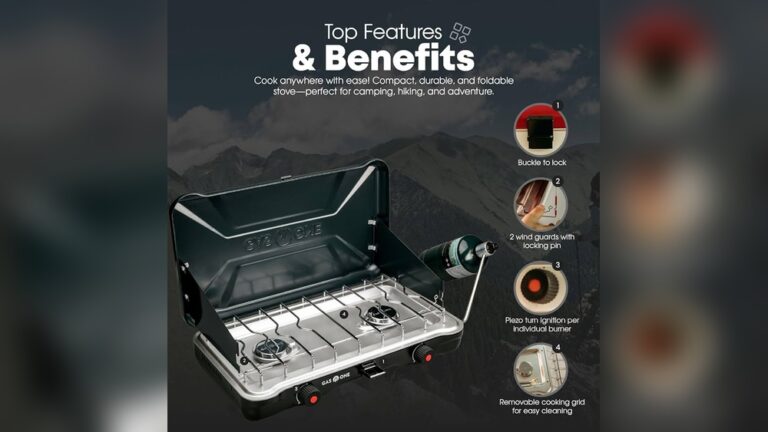
Travel Tips for Camping Stove: Essential Hacks for Safe Cooking
Planning to take your camping stove on your next outdoor adventure? Whether you’re a seasoned camper or trying your first trip, knowing how to handle your stove safely and efficiently can make all the difference.
Imagine cooking a warm meal after a long day, without worrying about fuel leaks, airport rules, or safety hazards. In this guide, you’ll discover simple yet crucial travel tips that help you pack, clean, and use your camping stove like a pro.
Keep reading to unlock the secrets that will save you time, avoid stress, and keep your camping experience smooth and enjoyable. Your perfect campfire meal is just a few smart steps away!
Credit: www.cleverhiker.com
Packing The Stove
Packing your camping stove properly is essential for safe travel and easy setup. Careful packing prevents damage and avoids issues during transport. Follow simple steps to prepare your stove for your next adventure.
Empty Fuel Containers
Always remove all fuel from your stove before packing. Empty fuel containers reduce fire risk during travel. Make sure no drops or leaks remain inside the container. Store empty fuel cans separately in a safe, ventilated place.
Cleaning Residue And Vapors
Clean your stove thoroughly after use. Fuel residue and vapors can cause safety issues or trigger alarms. Use warm water and mild soap to wash stove parts. Let all parts dry completely before packing. This stops dangerous vapors and keeps your stove fresh.
Securing Stove Parts
Keep all stove parts together to avoid loss or damage. Use a small bag or container for loose pieces like burners and screws. Wrap fragile parts with cloth or bubble wrap for protection. Secure hoses and connectors to prevent bending or breaking.
Transport Regulations
Transport regulations for camping stoves are important to understand before travel. These rules help ensure safety during transit and compliance with laws. Different modes of transport have varying restrictions on stoves and fuel. Knowing these can prevent delays and confiscations at checkpoints or airports.
Proper preparation of your camping stove is key. It must be empty of fuel and cleaned to remove vapors. This reduces fire risks and meets official guidelines. Always check the latest rules from authorities before packing your stove.
Tsa Guidelines For Flights
The Transportation Security Administration (TSA) allows camping stoves on flights under strict conditions. Stoves must be completely free of fuel and vapors. Cleaning the stove thoroughly is mandatory to avoid problems at security. The TSA may inspect stoves closely. Carry receipts or manuals if possible. Remember, the final decision rests with TSA officers.
Checked Vs Carry-on Bags
Camping stoves can be carried in both checked and carry-on luggage. Carry-on bags give easier access for inspection. Checked bags require secure packing to avoid damage. Fuel containers are never allowed in carry-on or checked bags. Removing all fuel and cleaning the stove is essential. Label your bags clearly and pack the stove separately if possible.
Local Travel Restrictions
Local laws vary regarding camping stove transport. Some regions restrict fuel types or container sizes. National parks and protected areas may have additional rules. Check with local authorities or park services before travel. Compliance avoids fines or stove confiscation. Adapt your stove and fuel choices to local regulations for smooth travel.
Setting Up Safely
Setting up your camping stove safely is crucial for a secure cooking experience outdoors. Proper setup prevents accidents and protects the environment around your campsite. Always follow safety steps before lighting the stove to ensure a smooth cooking session.
Choosing A Cooking Spot
Select a place away from tents and gear. Avoid crowded or windy areas to keep the flame steady. Look for an open space with good airflow but shielded from strong gusts. Clear the ground of leaves, twigs, and other debris before setting up.
Avoiding Flammable Materials
Keep the stove far from flammable items like dry grass, paper, and fuel containers. Never place the stove near sleeping bags or backpacks. Store all fuels safely in sealed containers away from the cooking area. This reduces the risk of fire spreading.
Stable Surface Placement
Place your stove on a flat, stable surface to avoid tipping. Use a rock, picnic table, or firm ground that does not wobble. Avoid soft or uneven ground that can cause imbalance. Stability ensures safe cooking and prevents spills or burns.
Operating The Stove
Operating a camping stove safely and effectively makes your outdoor cooking easier. Understanding how to handle the stove ensures smooth use and prevents accidents. Focus on the right fuel, ignition methods, and flame control for best results.
Using The Correct Fuel
Choose fuel made for your stove type. Using wrong fuel can damage the stove or cause danger. Carry fuel in approved containers only. Check labels carefully before buying. Store fuel away from heat and open flames. Always follow the stove manufacturer’s instructions for fuel use.
Ignition Techniques
Light your stove in a clear, safe area. Avoid lighting near tents or flammable gear. Use a long match or lighter to keep hands safe. Turn on fuel slowly to prevent flare-ups. Some stoves have built-in igniters; press carefully to ignite. Watch the flame closely until it burns steady.
Managing Flame Control
Adjust the flame size using the stove’s control knob. A lower flame saves fuel and prevents burning food. A higher flame cooks faster but uses more fuel. Keep the flame steady to avoid flare-ups. Turn the knob slowly to find the right heat. Always turn off the stove completely after use.
Maintenance Tips
Proper maintenance keeps your camping stove safe and efficient. Small care steps extend the stove’s life and performance. Clean parts work better and prevent problems on trips. Follow simple routines to avoid damage and hazards.
Regular Cleaning Routine
Clean your stove after every use. Remove food crumbs and spills quickly. Use warm water and mild soap. A soft brush clears dirt from burners and valves. Dry all parts completely before storing. This stops rust and keeps the stove ready.
Checking For Leaks
Check fuel lines and connections often. Use soapy water on joints and look for bubbles. Bubbles mean a gas leak. Fix leaks before use to avoid fire risks. Always test in a safe outdoor space. Replace worn or cracked parts immediately.
Storing Components Properly
Store your stove in a dry, cool place. Keep fuel canisters separate and upright. Use original cases or padded bags to protect parts. Avoid crushing or bending hoses and valves. Proper storage prevents damage and keeps your stove working well.
Credit: www.campdeertrail.com
Emergency Preparedness
Emergency preparedness is crucial when using a camping stove. It helps avoid accidents and keeps everyone safe. Knowing how to handle problems quickly can prevent small issues from becoming serious. Always be ready for unexpected situations in the outdoors.
Handling Fuel Spills
Fuel spills can be dangerous and cause fires. Clean spills immediately using absorbent materials like cloth or sand. Avoid using water, as it may spread the fuel. Dispose of soaked materials far from the camping area. Keep fuel containers tightly closed and store them upright.
Dealing With Stove Malfunctions
Stove malfunctions can happen anytime. Carry basic repair tools and spare parts. Check the stove before each use to spot leaks or damage. If the stove stops working, turn off the fuel source right away. Do not try to fix the stove near an open flame.
Fire Safety Measures
Fire safety is vital for camping stoves. Set up your stove on a flat, stable surface away from tents and dry grass. Keep a bucket of water or fire extinguisher nearby. Never leave the stove unattended while it is on. Extinguish all flames completely before packing up.
Choosing The Right Stove
Choosing the right camping stove is key for a smooth outdoor cooking experience. The right stove makes your trips easier and more enjoyable. It depends on your cooking needs, where you travel, and how long you stay. This guide helps you pick the best stove for your adventures.
Types Of Camping Stoves
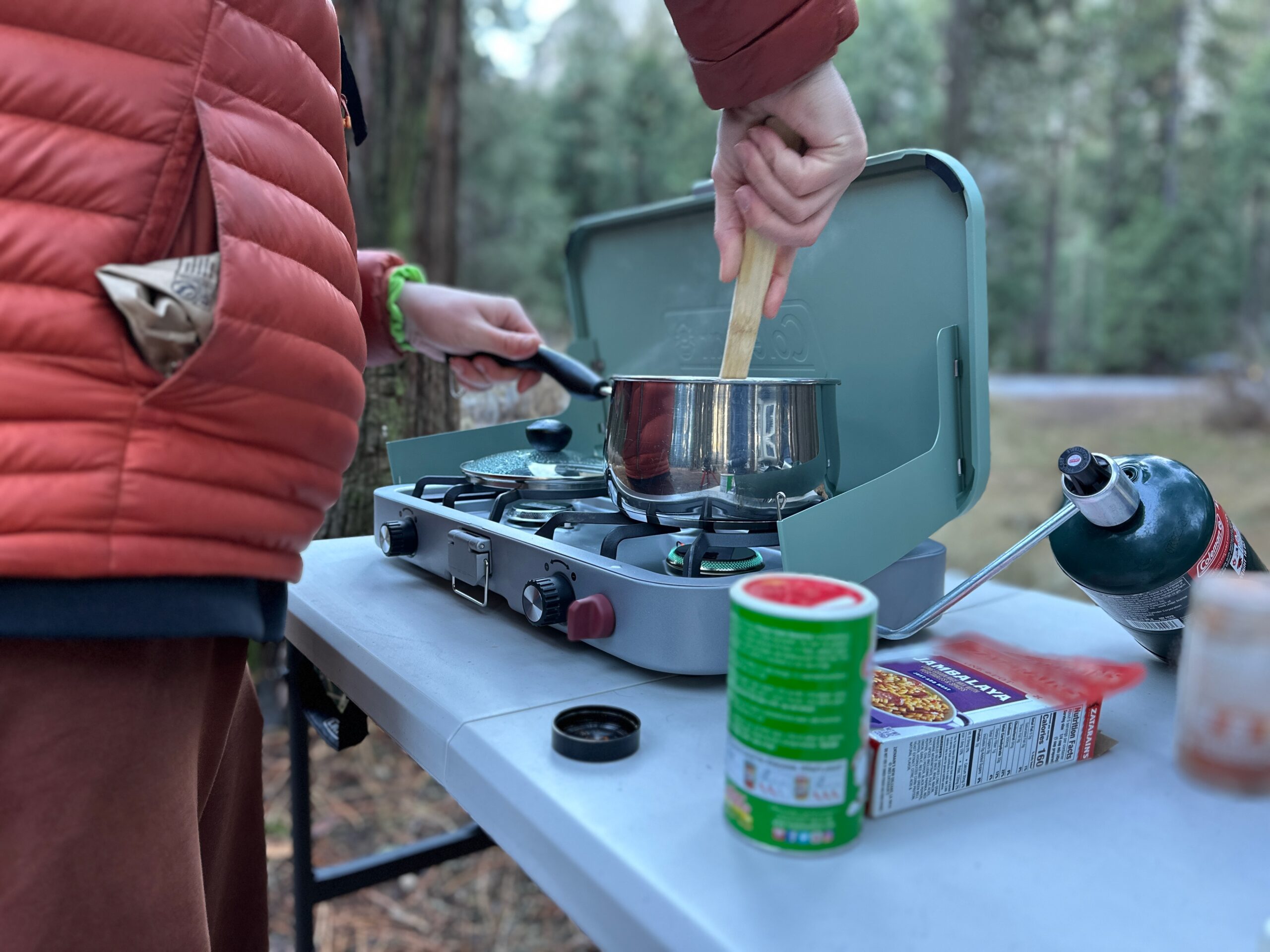
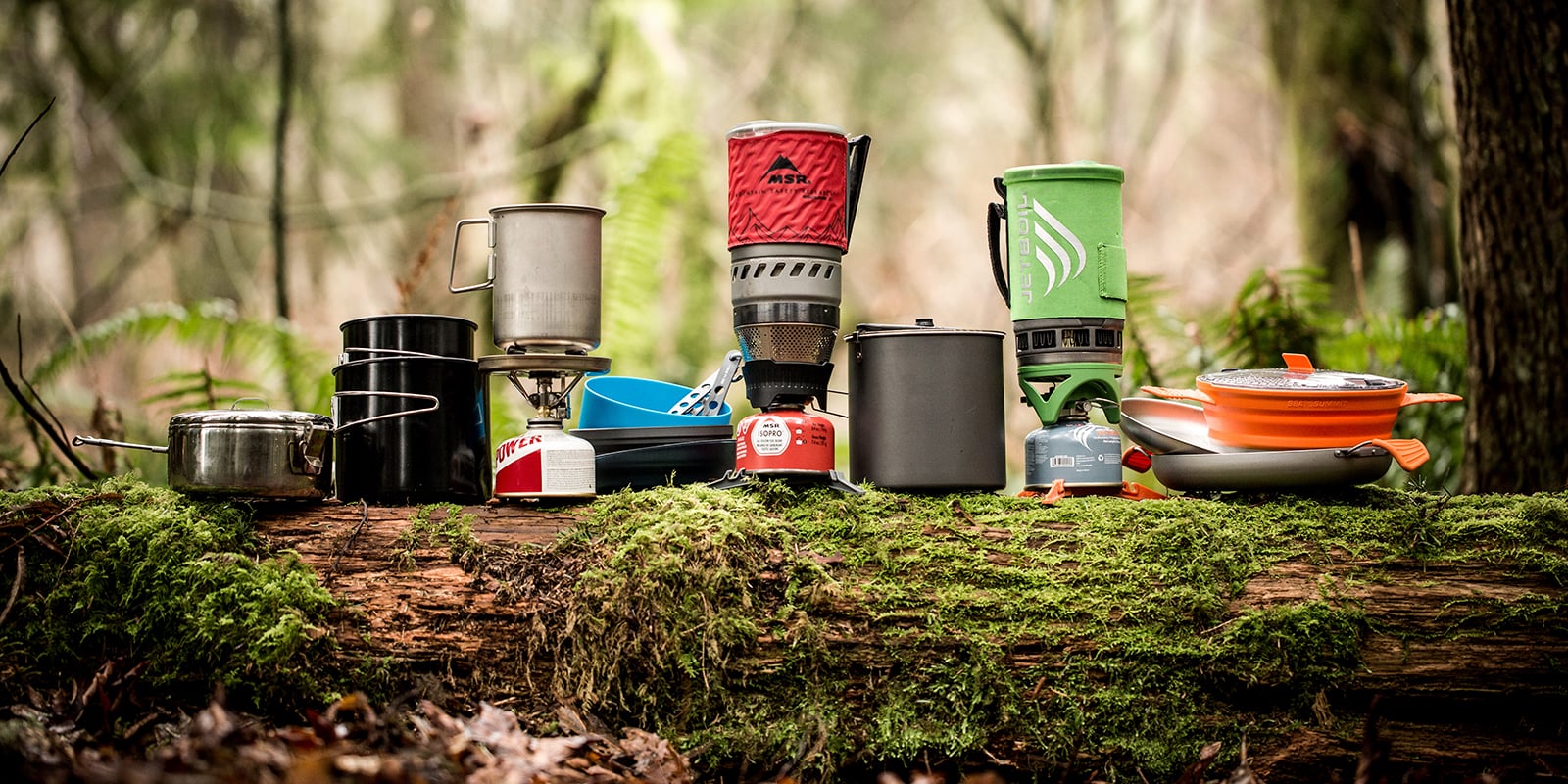
There are several types of camping stoves. Canister stoves use pressurized gas and light quickly. Liquid fuel stoves work well in cold weather. Wood-burning stoves use twigs and are eco-friendly. Each type suits different camping styles and cooking needs.
Weight And Portability
Weight matters if you carry your stove on your back. Ultralight stoves save space and reduce load. Small stoves fit easily in backpacks. Bigger stoves offer more cooking power but weigh more. Choose a stove that matches your travel style and pack size.
Fuel Availability
Fuel type affects where you can camp and cook. Gas canisters are easy to use but may not be available everywhere. Liquid fuels are common globally and refillable. Wood stoves need dry wood, so they work best in forest areas. Check fuel options before your trip.
Credit: www.rei.com
Frequently Asked Questions
How To Travel With A Camping Stove?
Travel with a camping stove by emptying all fuel and cleaning it thoroughly to remove vapors. Pack it in carry-on or checked luggage as allowed. Follow TSA rules and wrap cords for clear inspection. Always handle and store the stove safely to prevent accidents.
Can You Bring A Camping Stove Through Tsa?
You can bring a camping stove through TSA only if it is completely empty of fuel and cleaned of all vapors or residue.
Can I Take A Camping Stove On A Flight?
You can bring a camping stove on a flight if it is empty of fuel and thoroughly cleaned. Remove all fuel, vapors, and residue. Pack it in carry-on or checked luggage. Follow TSA rules and airline policies for safe travel.
How To Clean A Camping Stove For Flying?
Disassemble the stove following the manual. Wash parts with warm soapy water and a soft brush. Rinse thoroughly. Ensure no fuel or vapors remain. Dry completely before packing for flight.
Conclusion
Camping stoves make outdoor cooking easier and more fun. Always clean your stove before travel to avoid fuel vapors. Pack it carefully to keep it safe during trips. Follow safety rules and keep stoves away from flammable items. Practice using your stove at home for confidence.
With these tips, your camping stove experience will be smooth. Enjoy your meals and the great outdoors safely and comfortably.