Travel Tips for Inflatable Sleeping Pad: Ultimate Comfort Guide
If you love camping or backpacking, you know how important a good night’s sleep is. Your inflatable sleeping pad can make all the difference between waking up refreshed or feeling stiff and sore.
But using and caring for it the right way isn’t always obvious. Are you struggling to pack it efficiently or unsure how to inflate it without wasting time? Maybe you want to know the best tricks to keep it safe and comfortable on every trip.
This guide is packed with simple, practical travel tips for your inflatable sleeping pad that will help you sleep better, save space, and enjoy your adventures more. Keep reading—you’ll discover easy hacks that make your outdoor nights cozier and hassle-free.
Choosing The Right Inflatable Pad
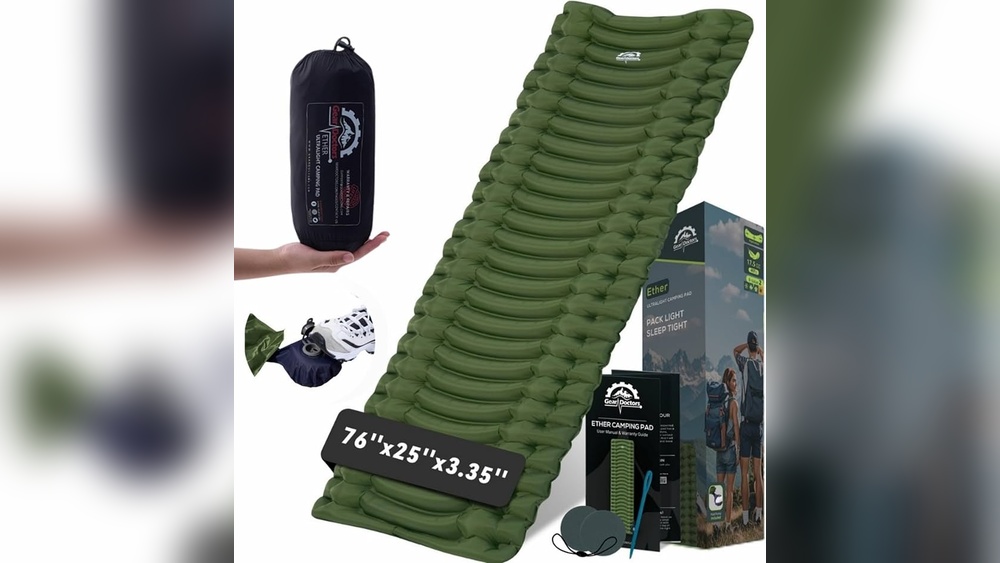
Choosing the right inflatable sleeping pad is key for a good night’s rest outdoors. The right pad makes your camping or hiking trip more comfortable and less tiring. Focus on materials, insulation, size, and weight to find the best match for your needs. These factors affect comfort, warmth, and how easy the pad is to carry.
Materials And Durability
Check the fabric type of the sleeping pad. Nylon and polyester are common materials. They offer light weight and good resistance to tears. Look for pads with a ripstop pattern for extra durability. A strong valve is important to prevent air leaks. Durable pads last longer and stand up to rough ground and weather.
Insulation And Warmth
Insulation keeps you warm by blocking cold from the ground. Inflatable pads use foam or air chambers for insulation. Look for the R-value, which shows how well the pad insulates. Higher R-values mean better warmth. Choose a pad with the right R-value for the season and place you will camp. Warmth helps you sleep better in cold conditions.
Size And Weight Considerations
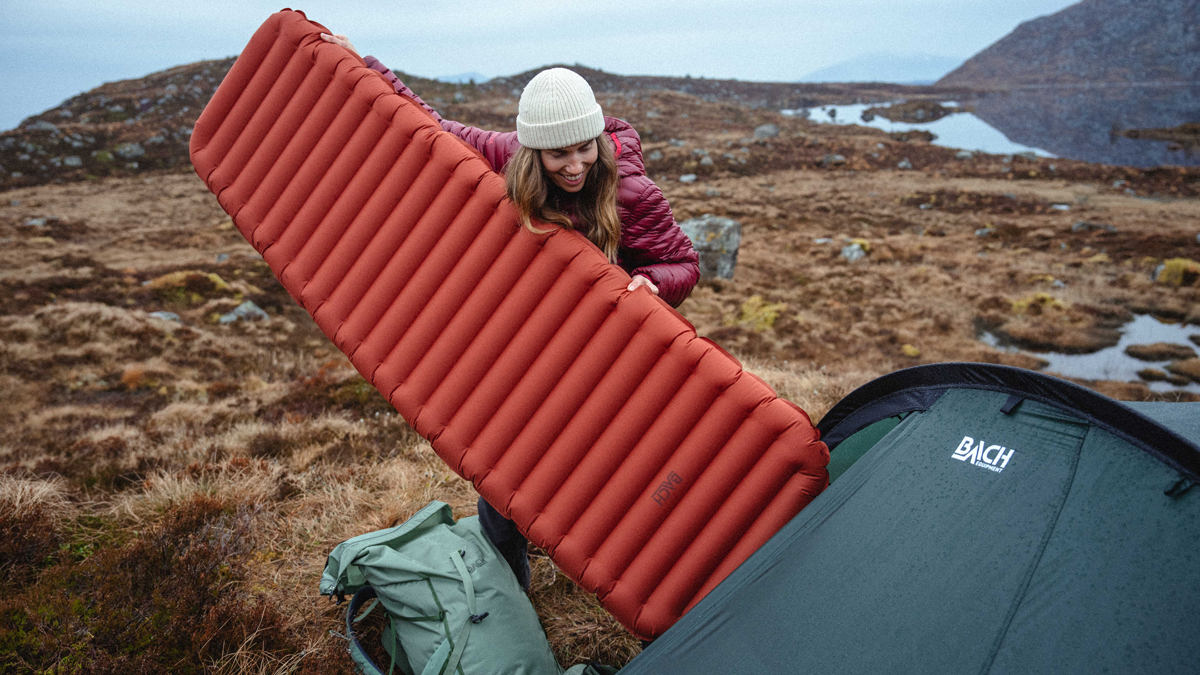
Size affects how much space you sleep on and pack in your bag. A longer or wider pad offers more comfort. Weight matters if you carry your gear long distances. Lightweight pads ease your load but may cost more. Balance size and weight to suit your travel style. Compact pads fit easily into backpacks or luggage.
Credit: www.bach-equipment.com
Inflation Techniques
Proper inflation techniques improve comfort and durability of your inflatable sleeping pad. Inflating it correctly helps you get a good night’s sleep outdoors. Learn how to use tools and simple tricks for best results.
Using A Pump Sack
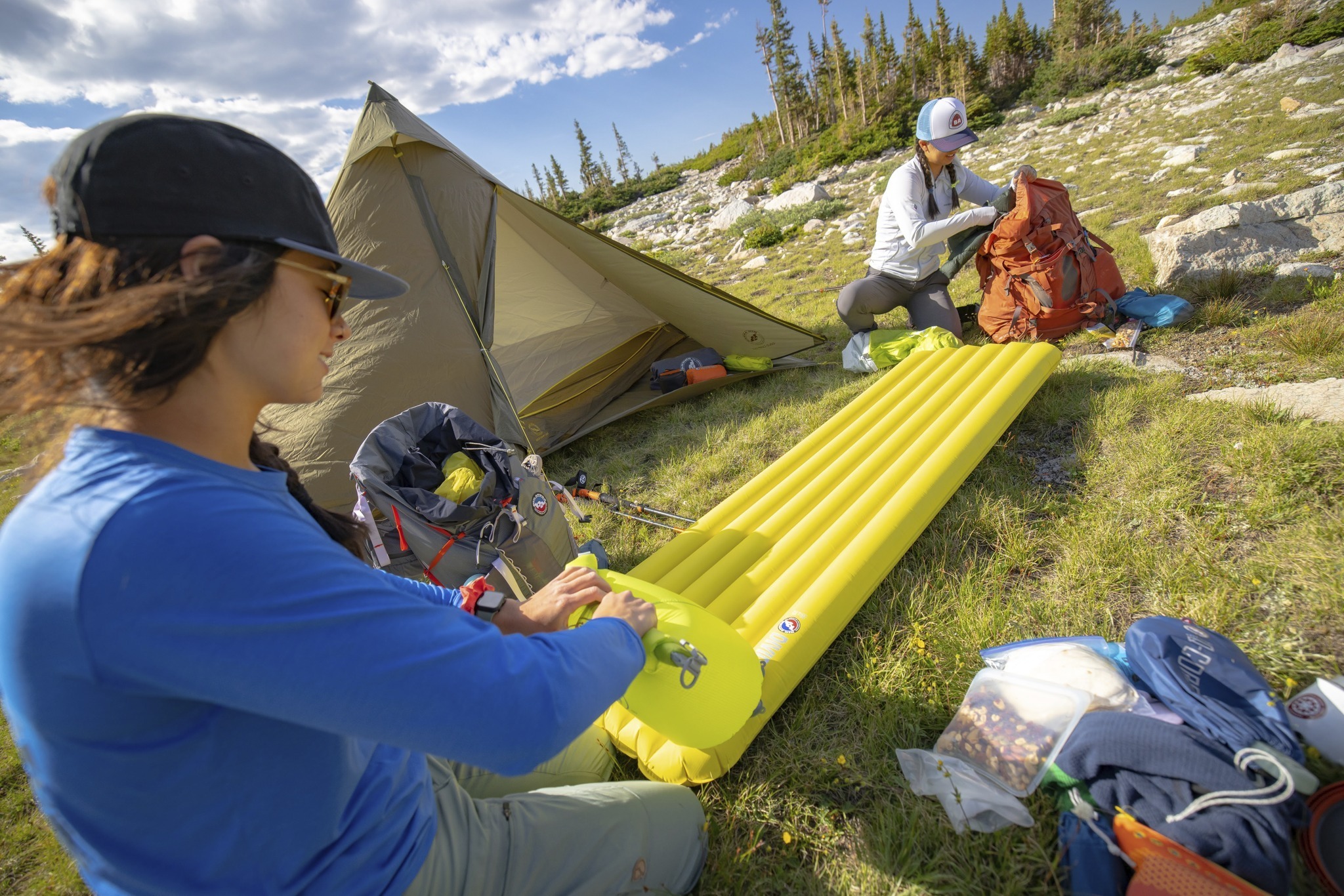
A pump sack is a handy tool for quick inflation. It saves your breath and inflates the pad evenly. Attach the sack to the pad’s valve. Fill the sack with air, then squeeze it to push air inside. Repeat until the pad feels firm but not hard.
This method is clean and fast. It also prevents moisture buildup inside the pad from your breath. Carry a pump sack on long trips for convenience and comfort.
Manual Inflation Tips
Manual inflation is easy but needs patience. Open the valve and blow air into the pad slowly. Use short breaths to avoid getting dizzy. Inflate until the pad feels firm and supportive.
Keep the valve open while inflating to release excess pressure. Close it tightly once finished to keep air inside. Practice inflating your pad at home to build confidence.
Avoiding Overinflation
Overinflation can damage the sleeping pad’s seams and fabric. Stop inflating when the pad feels firm but still has slight give. Press down with your hand; it should compress a little.
Check the manufacturer’s instructions for recommended firmness. Avoid using pumps that force too much air quickly. Overinflated pads may burst or lose comfort during the night.
Packing And Storage
Packing and storing an inflatable sleeping pad properly keeps it in good shape. It also saves space in your backpack. Careful packing prevents damage during travel. Thoughtful storage helps the pad last many trips. Follow simple methods to roll, fold, and store your pad safely.
Rolling And Folding Methods
Start by fully deflating the pad. Press out all air to make it flat. Fold the pad lengthwise, matching the sides. Roll the pad tightly from one end to the other. Rolling keeps air pockets from forming. Avoid sharp bends or creases that can cause damage. Use the stuff sack or strap to secure the roll. This method saves space and protects the pad.
Storing Between Trips
Store the pad in a dry, cool place. Keep it away from direct sunlight and heat. Avoid long-term compression in the stuff sack. Instead, loosely roll or fold the pad for storage. Hanging the pad on a hook is a good option. This prevents permanent creases and keeps the foam resilient. Proper storage keeps the pad ready for the next adventure.
Protecting From Damage
Use a groundsheet or tent footprint under the pad. This shields it from sharp rocks or sticks. Check the pad for holes or leaks before each trip. Patch small holes with repair kits immediately. Keep the pad away from pets and sharp objects. Avoid placing heavy items on top during storage. These steps protect your pad and extend its life.
Credit: www.rei.com
Carrying Your Sleeping Pad
Carrying your inflatable sleeping pad properly makes your trip easier and more comfortable. It affects your balance and how much space you have in your backpack. Knowing the best ways to carry it saves time and energy on the trail. Here are some simple tips to help you carry your sleeping pad smartly.
Attaching To Backpack
Many backpacks have straps or loops for gear. Use these to attach your sleeping pad outside. Roll or fold your pad tightly before securing it. This keeps it stable and stops it from bouncing. Make sure straps are tight but not too tight to damage the pad.
Inside Pack Vs Outside
Decide if you want to carry the pad inside or outside your backpack. Inside packing protects the pad from dirt and damage. It also balances weight better. Outside carrying saves space inside the pack for other gear. Choose the way that fits your pack size and hiking style.
Balancing Weight
Place the sleeping pad near your back if inside the pack. This keeps your center of gravity close to your body. If outside, attach it low and close to your pack’s frame. Avoid placing it too high or on one side. Balanced weight reduces fatigue and improves your walking comfort.
Maintenance And Repairs
Proper maintenance and timely repairs extend the life of your inflatable sleeping pad. Taking care of it after each trip keeps it ready and comfortable for future use. Simple steps can prevent damage and fix small issues quickly. This section covers essential tips for cleaning, patching, and avoiding leaks.
Cleaning After Use
Remove dirt and debris from the sleeping pad surface. Use a soft cloth or sponge with mild soap and water. Avoid harsh chemicals that can damage the material. Rinse thoroughly with clean water to remove soap residue. Let the pad air dry completely before packing it away. Drying prevents mold and odors from forming inside the material.
Patch Kits And Fixes
Carry a patch kit designed for inflatable pads on every trip. Small punctures or leaks can be fixed quickly with patches and adhesive. Clean the damaged area before applying the patch. Press firmly and allow the glue to dry as per instructions. Test for leaks by inflating the pad and listening for escaping air. Keep extra patches handy for larger or multiple repairs.
Preventing Leaks
Inspect your sleeping pad regularly for signs of wear or thin spots. Avoid sharp objects and rough surfaces while using the pad. Use a ground cloth or tarp underneath to add protection. Do not overinflate the pad, as this stresses the seams. Store the pad loosely rolled or flat, avoiding tight folds that can cause cracks. These steps reduce the risk of leaks and prolong pad durability.
Comfort Enhancements
Enhancing comfort on an inflatable sleeping pad can transform your outdoor sleep experience. Small adjustments can make a big difference. Focus on positioning, extra support, and firmness control. These tips help you rest better and wake up refreshed.
Positioning For Better Sleep
Place the sleeping pad on a flat, even surface. Avoid slopes or rocky ground. Align your body along the center of the pad. This prevents sliding off during the night. Try to keep your spine straight to reduce pressure points. Changing your sleeping position can also improve comfort.
Using Pillows And Cushions
Add a small pillow or cushion under your head. You can use a stuff sack filled with clothes. Place cushions at your knees or lower back for extra support. These additions reduce strain and improve alignment. Soft padding helps you relax and sleep deeper.
Adjusting Firmness
Inflatable pads let you control firmness by adding or releasing air. Inflate it enough to support your body without feeling too hard. If it feels too soft, add more air for stability. Check firmness after lying down to find your perfect level. Adjust as needed during the night.
Comparing Inflatable To Foam Pads
Choosing the right sleeping pad can change your camping comfort. Inflatable and foam pads each offer unique benefits and drawbacks. Understanding their differences helps you pick the best option for your trip. This section compares inflatable pads with foam pads in three key areas.
Comfort Levels
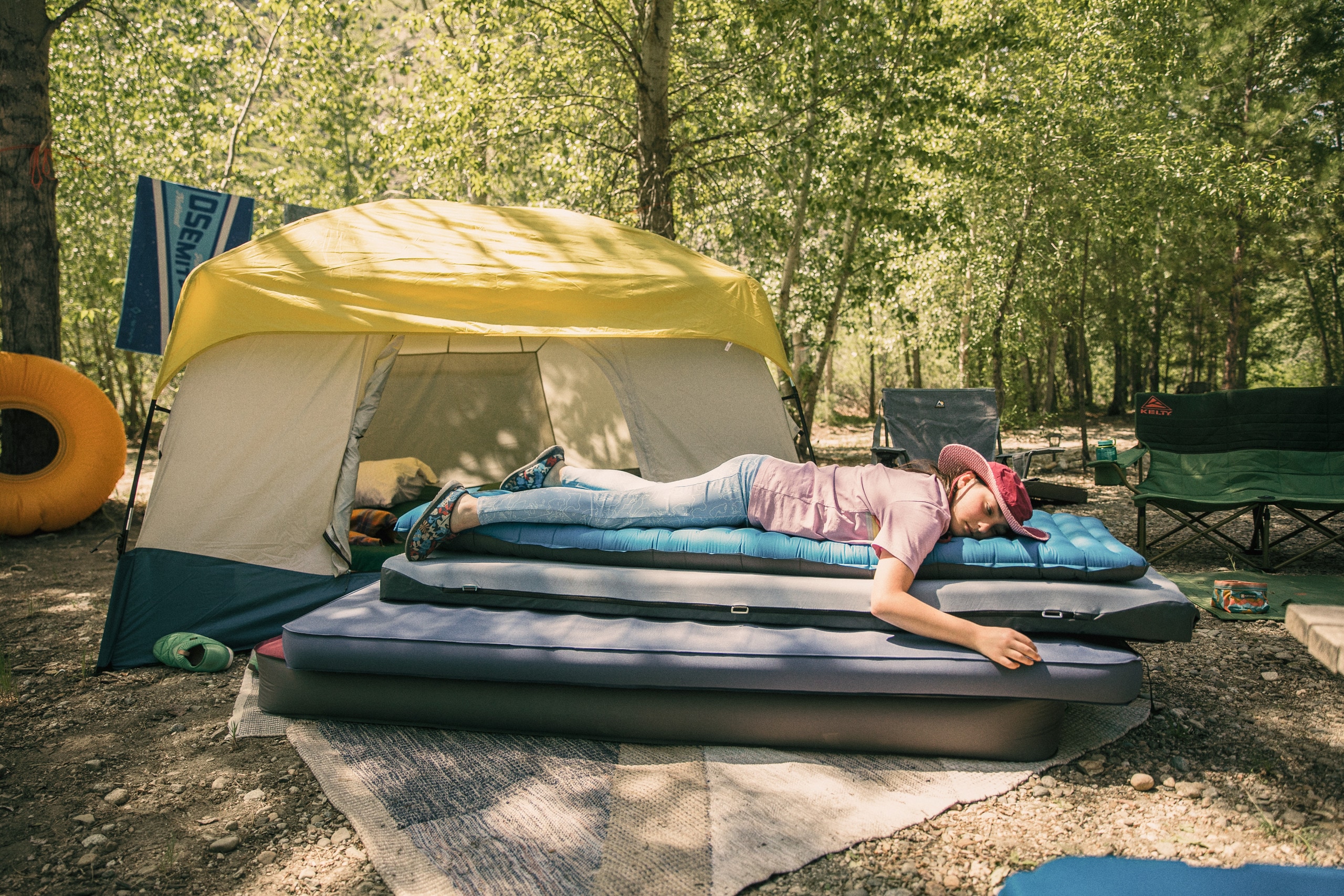
Inflatable pads provide a softer, cushioned feel. You can adjust the air inside for personalized comfort. Foam pads are firmer and offer less cushioning. They work well on flat, even ground. Inflatable pads often reduce pressure points better than foam.
Weight Differences
Foam pads are usually lighter but bulkier. They can be strapped outside your backpack easily. Inflatable pads pack down smaller but may weigh more. The weight depends on size and insulation. Backpackers often prefer foam for short trips and inflatable for longer stays.
Suitability For Conditions
Foam pads perform well in wet or cold conditions. They do not lose insulating properties if wet. Inflatable pads can trap heat better with proper insulation. They are less durable if punctured or damaged. Foam pads are great for rough terrain and quick trips.
Credit: www.rei.com
Safety And Environmental Tips
Using an inflatable sleeping pad adds comfort to your outdoor adventures. Protecting it and respecting nature ensures a safe, pleasant experience. Follow simple safety and environmental tips to extend your pad’s life and minimize your impact on the environment.
Avoiding Sharp Surfaces
Place your sleeping pad on smooth, flat ground. Remove sticks, rocks, and debris before inflating. Sharp objects can puncture the pad and cause leaks. Use a groundsheet or tent footprint for extra protection. This reduces wear and helps keep your pad in good condition.
Campground Etiquette
Set up your pad in designated camping areas only. Avoid damaging plants or disturbing wildlife. Keep noise low to respect other campers. Pack out all trash and leftover food. Leaving no trace helps protect the environment and keeps campgrounds clean for everyone.
Temperature Management
Choose a sleeping pad with proper insulation for the weather. Inflatable pads lose warmth if the temperature drops too low. Use a sleeping bag rated for expected conditions. Add a blanket or clothes under the pad for extra warmth. Proper temperature control helps you sleep comfortably and safely outdoors.
Frequently Asked Questions
How To Pack A Self-inflating Sleeping Pad?
Open the valve to release air. Fold the pad in half lengthwise. Roll tightly from the valve end to push out air. Close the valve securely. Store in its stuff sack.
How To Pack A Foam Sleeping Pad Backpacking?
Roll or fold the foam sleeping pad tightly. Secure it with straps or cords. Attach it outside your backpack for easy access.
How To Carry A Sleeping Mat On A Backpack?
Secure the sleeping mat by rolling or folding it tightly. Attach it with straps to your backpack’s bottom or side. Use compression straps or place it between the main and top compartments. Ensure it’s stable and won’t shift during your hike for comfort and safety.
Are Inflatable Sleeping Pads Good?
Inflatable sleeping pads offer excellent comfort and packability. They compress small, weigh less, and provide good insulation for various outdoor conditions.
Conclusion
Choosing the right inflatable sleeping pad improves your travel comfort greatly. Always check for leaks before packing it for your trip. Keep the pad clean and dry to extend its life. Pack it tightly but avoid sharp objects around it.
Practice inflating and deflating to save time on the trail. These simple tips make your camping and hiking more enjoyable. Remember, a good night’s sleep boosts your adventure experience. Keep your pad well cared for, and it will serve you well.
Safe and comfortable travels start with smart preparation.