Travel Tips for Tent Stakes: Essential Hacks for Secure Camping
Setting up your tent securely can make or break your camping trip. If you’ve ever struggled with loose or bent tent stakes, you know how frustrating it can be when your shelter doesn’t hold firm against wind or uneven ground.
But what if you had simple, effective travel tips for tent stakes that could save you time, effort, and headaches? Whether you’re flying to your destination or hiking deep into the wilderness, mastering how to handle your tent stakes is key to a smooth, stress-free adventure.
Keep reading to discover practical advice that will help you protect your gear, keep your tent stable, and enjoy your trip without unexpected setbacks.
Choosing Tent Stakes
Choosing the right tent stakes is crucial for a secure camping setup. The stakes keep your tent stable and safe from wind or rain. Selecting stakes that suit your camping environment makes your experience more comfortable and worry-free.
Types Of Tent Stakes
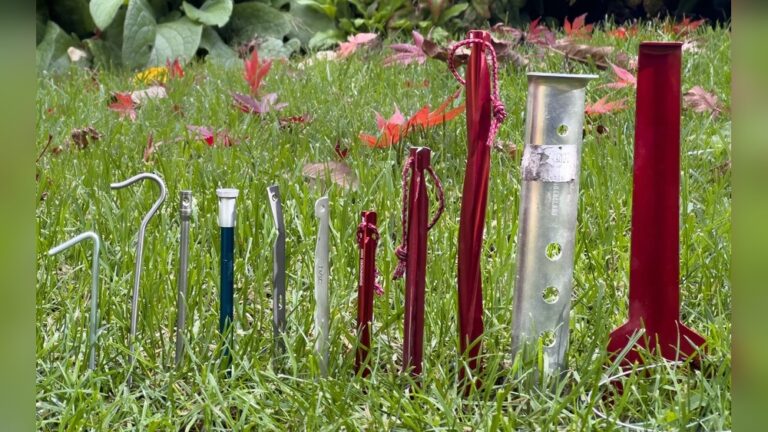
Tent stakes come in several shapes and styles. Straight stakes are simple and good for firm soil. V-shaped or Y-shaped stakes hold better in soft ground like sand or snow. Spiral stakes screw into the ground for extra grip. Each type fits different camping spots and weather.
Material Considerations
Common materials include aluminum, steel, and plastic. Aluminum stakes are light and resist rust. Steel stakes are heavy but very strong. Plastic stakes are lightweight and safe for carry-on luggage. Choose a material that balances weight, strength, and durability for your trip.
Size And Weight Factors
Longer stakes hold better in loose or deep soil. Short stakes work on hard or rocky ground. Lightweight stakes reduce your pack weight for easier travel. Consider the type of terrain and how far you will carry your gear. Size and weight affect both performance and convenience.
Credit: www.rei.com
Staking Techniques
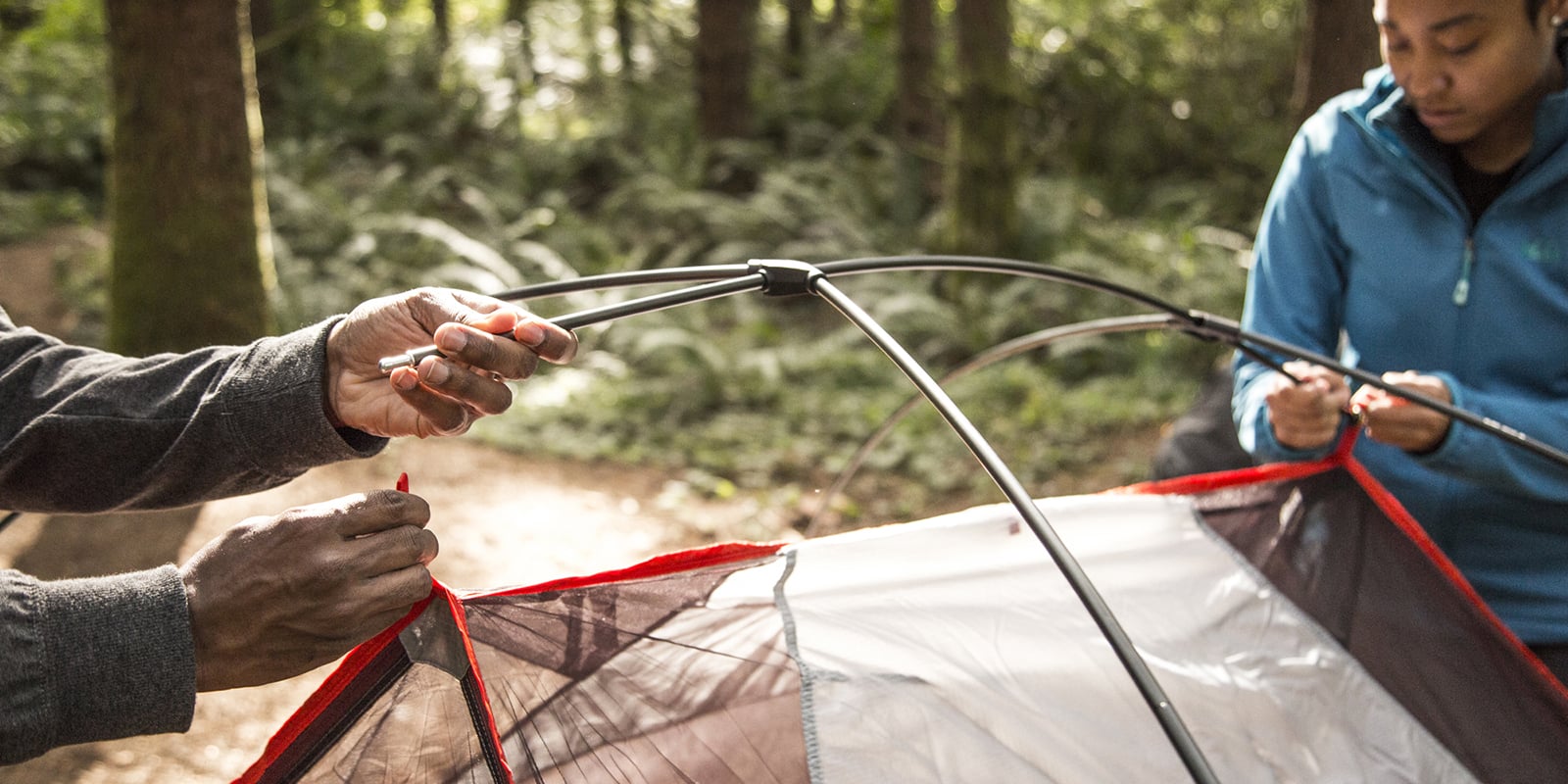
Staking your tent correctly ensures stability and safety during your camping trip. Proper staking techniques keep the tent secure against wind and prevent it from collapsing. Learning how to place tent stakes well improves your outdoor experience.
Proper Angle And Depth
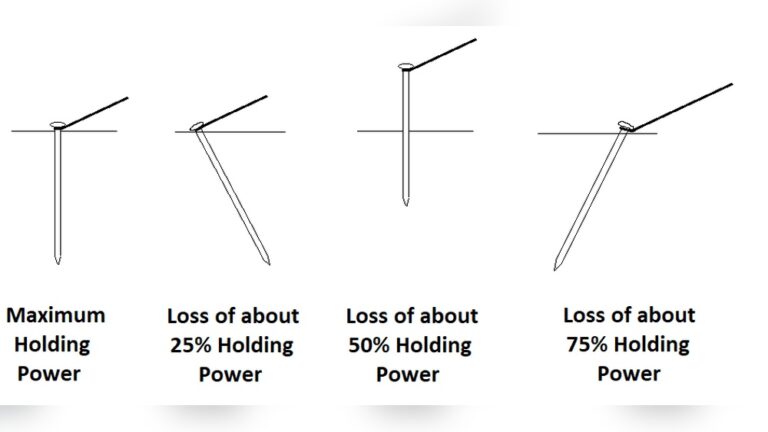
Insert stakes at a 45-degree angle away from the tent. This angle holds the tent firmly in place. Push the stake deep enough into the ground for strong support. Shallow stakes can easily pull out under stress.
Using Guylines Effectively
Tighten guylines to add extra stability to your tent. Attach them to stakes placed further from the tent. Adjust guylines to keep the tent fabric taut. Loose guylines can cause flapping and wear on the tent.
Securing In Different Soils
Soft soil needs longer or wider stakes for better grip. In sandy areas, use specialized sand stakes or bury stakes horizontally. Rocky ground requires shorter, sturdy stakes and careful placement. Adapt your staking method based on the soil type for best results.
Tools For Driving Stakes
Driving tent stakes firmly into the ground is key for a stable campsite. Choosing the right tool helps you set stakes fast and safely. Different tools work better in different soils and conditions. Having the right option saves time and avoids damage to your stakes or tent.
Using A Mallet Or Hammer
A mallet or hammer is the best tool to drive stakes. It delivers strong, controlled hits without bending the stakes. A rubber mallet is gentle on tent stakes and prevents damage. A metal hammer works well on hard or rocky ground. Always hit the stake straight to avoid bending or breaking it.
Alternatives Like Rocks And Shoes
No mallet or hammer? A large flat rock can work as a hammer. Find a smooth, heavy rock for better control. Press the stake into the ground with your foot if the soil is soft. Use the sole of your shoe to push stakes, but avoid sharp heels. These methods work best in soft dirt or sand.
Multi-purpose Tools
Multi-tools with a hammer function can drive stakes in a pinch. Camping knives with a flat butt end can tap stakes gently. Some trekking poles have rubber tips that help push stakes into the ground. Carrying tools that serve several purposes cuts down on gear weight. Choose tools that feel sturdy and comfortable in your hand.

Credit: abc-cooking.co.th
Handling Difficult Ground
Handling difficult ground challenges the stability of your tent stakes. Different terrains need different staking methods. Understanding how to anchor your tent firmly keeps your shelter safe. Here are key tips for rocky, sandy, and snowy conditions.
Rocky And Hard Surfaces
Hard ground resists regular stakes. Use heavy-duty or specialized rock stakes. Look for cracks or crevices to wedge stakes securely. Hammering stakes into rocks often damages them. Use large rocks or logs as natural anchors. Tie your guylines around these objects tightly. This method prevents stakes from bending or breaking.
Loose Or Sandy Soil
Soft soil offers little grip for standard stakes. Wide and longer stakes work best in sand. Screw-type stakes provide better hold in loose dirt. Bury stakes deeper at an angle for extra strength. Use sandbags or heavy objects to add weight. Tighten the ropes regularly to maintain tension. This approach stops your tent from shifting or collapsing.
Snow And Ice Anchors
Snow and ice require special anchors to stay put. Use snow stakes or deadman anchors buried horizontally. Pack snow firmly around the stakes to increase grip. Ice screws or pickets work well on frozen surfaces. Tie guylines tightly to prevent slipping. Check anchors often as temperature changes can loosen them. These tips keep your tent stable in cold environments.
Transporting Tent Stakes
Transporting tent stakes requires careful planning to avoid issues during travel. These essential camping tools have sharp points that may raise concerns with security. Packing them properly ensures safety and compliance with regulations. Understanding the rules helps you carry your stakes without hassle.
Carry-on Restrictions
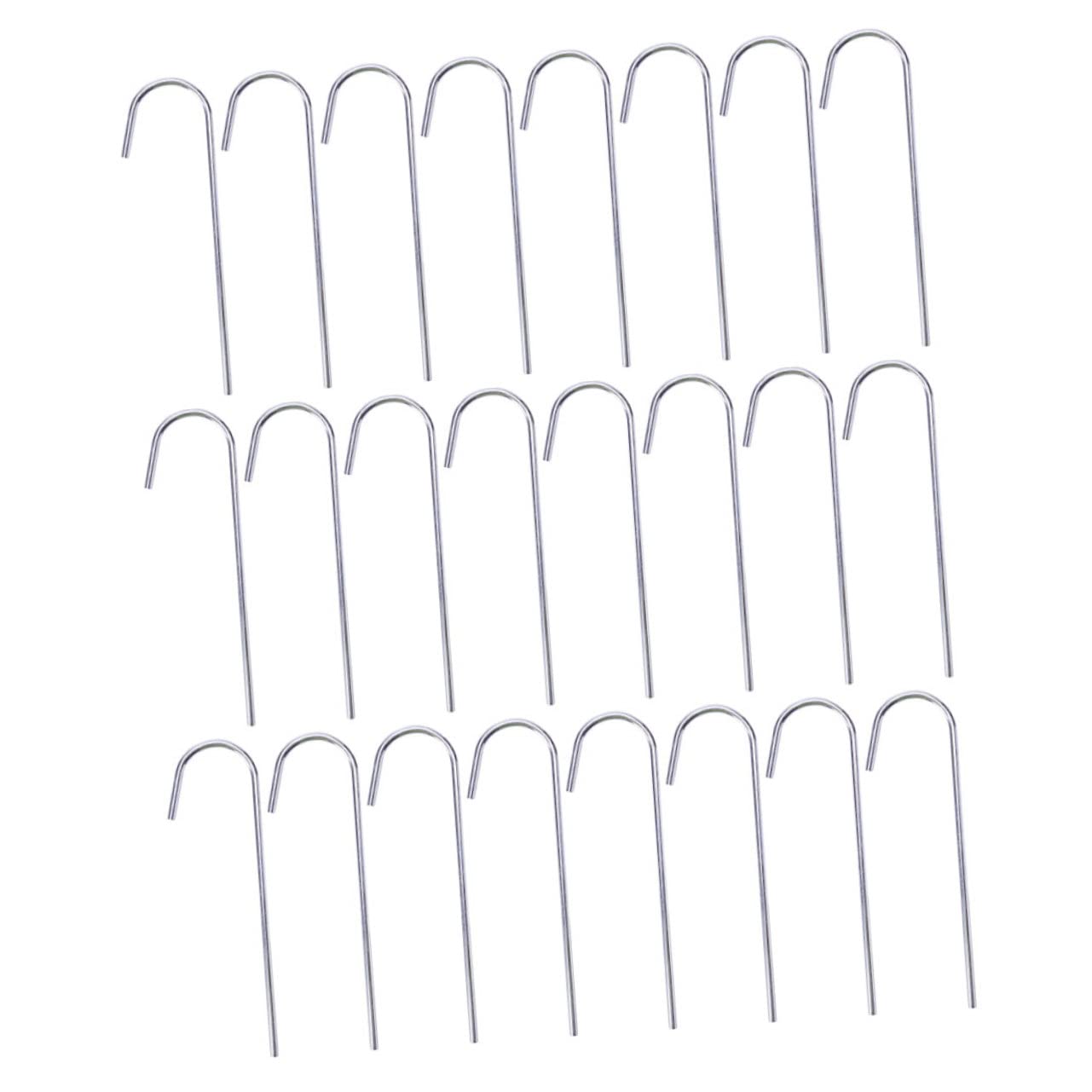
Most airlines do not allow metal tent stakes in carry-on bags. These stakes are sharp and can be seen as weapons. TSA officers often confiscate them at security checkpoints. Wrapping the stakes does not guarantee approval. The final decision always rests with security personnel. Avoid carrying stakes in your carry-on to prevent loss or delay.
Packing In Checked Luggage
Checked bags are the safest place for tent stakes. Airlines and TSA permit stakes in checked luggage. Wrap the sharp ends tightly with tape or padding. This protects baggage handlers and prevents damage. Place stakes in a sturdy bag or container inside your suitcase. This method reduces risk and keeps stakes secure during travel.
Alternative Solutions
Consider buying plastic tent stakes at your destination. Plastic stakes are lighter and usually allowed in carry-on bags. Some outdoor stores offer inexpensive, durable stakes. Renting stakes is another option for frequent travelers. These alternatives simplify transport and reduce security concerns. Always check local availability before your trip.
Credit: www.amazon.com
Creative Stake Alternatives
Creative alternatives for tent stakes come in handy during travel. Sometimes, carrying traditional stakes is not possible or practical. Using items around you can secure your tent without heavy gear. These methods work well on rocky, sandy, or hard ground where normal stakes fail.
Using Rocks As Anchors
Find large, heavy rocks near your campsite. Tie your tent guy lines around the rocks firmly. Make sure the rocks are stable and will not roll away. This method works best on rocky or sandy surfaces. It saves space in your backpack and avoids stake-related problems.
Improvised Weight Methods
Use heavy objects like filled water bottles or bags of dirt. Attach your tent lines to these weights to hold your tent in place. This approach is useful on soft or loose ground. It also keeps your tent secure without digging holes or stakes. You can adjust weight size based on wind strength.
Buying Stakes Locally
Many camping stores sell lightweight plastic or aluminum stakes. These are easy to find in popular camping areas. Buying stakes locally reduces the risk of airline restrictions. You get stakes suited for local soil conditions. This option is convenient and often cheaper than carrying your own stakes.
Maintaining And Storing Stakes
Proper care extends the life of your tent stakes. Maintaining and storing stakes correctly keeps them strong and ready for your next trip. Neglect can cause rust, dirt buildup, and damage. Simple steps protect your investment and make packing easier.
Cleaning After Use
Remove dirt and mud from each stake after camping. Use water and a soft brush to clean thoroughly. Avoid harsh chemicals that can weaken metal. Dry stakes completely to stop moisture from causing rust. Clean stakes perform better and last longer.
Preventing Rust And Damage
Apply a light coat of oil to metal stakes to prevent rust. Store them in a dry place away from humidity. Check for bends or cracks before each use. Bent stakes can break or fail to hold your tent. Replace damaged stakes promptly for safety.
Organizing For Travel
Keep stakes together in a pouch or container to avoid loss. Wrap sharp ends with cloth or foam to protect other gear. Label your stake bag clearly for easy identification. Organized stakes save time and reduce stress during packing and setup.
Frequently Asked Questions
Can I Bring Tent Stakes On An Airplane?
You cannot bring metal tent stakes in carry-on bags due to sharp object rules. Pack them securely in checked luggage instead. TSA may confiscate stakes at security. Consider using plastic stakes or buying them at your destination to avoid issues.
What To Use To Drive Tent Stakes?
Use a rubber mallet or a small hammer to drive tent stakes securely into the ground without damaging them.
What Can I Use If I Don’t Have Tent Stakes?
Use heavy rocks, logs, or bury sticks to secure your tent without stakes. You can also tie guylines to nearby trees or use sandbags.
How To Drive Tent Stakes Into Hard Ground?
Use a hammer or rock to drive tent stakes into hard ground. Start at a 45-degree angle away from the tent. Tap stakes firmly until secure. For extremely hard soil, soften ground with water before staking. Choose strong, durable stakes for better grip in tough terrain.
Conclusion
Camping trips go smoother with the right tent stakes and setup. Choose stakes that fit your ground type for better hold. Pack stakes safely in checked luggage to avoid airport issues. Consider plastic stakes if you prefer lighter, carry-on friendly gear.
Always test your stakes before camping to ensure stability. Secure your tent well to enjoy a safe and comfortable trip. With these simple tips, your outdoor adventure will be worry-free and fun.