Travel Tips for Ultralight Tent: Ultimate Guide for Easy Packing
If you love hitting the trail but hate carrying heavy gear, mastering the art of using an ultralight tent can change your whole experience. Imagine having a shelter that weighs almost nothing, frees up space in your pack, and lets you move faster and farther with less effort.
Sounds great, right? But to get the most out of your ultralight tent, you need smart tips on packing, setup, and care. In this guide, you’ll discover simple, practical travel tips that help you travel lighter, stay comfortable, and enjoy every step of your adventure.
Ready to make your backpack feel like a breeze? Keep reading and transform the way you camp forever.
Credit: www.alaska.org
Choosing An Ultralight Tent
Choosing an ultralight tent requires careful thought. Your tent must balance weight, comfort, and protection. It should suit the type of adventure you plan. Consider where you will camp and the weather you may face. This helps you pick the right tent. Below are key points to guide your choice.
Material Options
Ultralight tents use materials that reduce weight. Common fabrics include nylon and polyester. Both are strong but differ in breathability and water resistance. Silicone and polyurethane coatings add waterproofing. Dyneema is a newer, very light fabric with high strength. It costs more but lasts longer. Choose a material that fits your budget and trip needs.
Tent Types
There are several ultralight tent styles. Freestanding tents are easy to set up and move. Non-freestanding tents need stakes but weigh less. Single-wall tents combine rainfly and body into one layer. They dry fast but can cause condensation inside. Double-wall tents have a separate rainfly and inner tent. They offer better ventilation and less moisture buildup. Pick a type based on your comfort and weight preferences.
Weight Vs Durability
Lightweight tents often trade some durability for weight savings. Ultralight fabrics can tear more easily than heavier ones. Look for tents with reinforced stress points and quality zippers. Consider the length of your trip and how rough conditions might be. A slightly heavier tent may save you trouble on longer journeys. Balance the need for lightness with the need for a reliable shelter.
Essential Gear For Ultralight Packing
Packing for ultralight travel requires careful selection of essential gear. Every item counts toward reducing weight without losing comfort or safety. Focus on your backpack, sleep system, and shelter. These form the core of your ultralight setup.
Backpack Selection
Choose a backpack designed for ultralight travel. Look for simple designs without extra padding. Minimal pockets help save weight. The pack should fit snugly to your back. A lighter pack reduces fatigue on long hikes. Keep your load balanced to avoid strain.
Sleep System Components
Your sleep system includes a sleeping bag or quilt and a sleeping pad. Pick lightweight materials with good insulation. Quilts often weigh less than traditional sleeping bags. A compact sleeping pad adds comfort and warmth. Together, these items ensure restful sleep with minimal bulk.
Shelter Alternatives
Ultralight shelters vary from tents to tarps and bivy sacks. Traditional tents provide full protection but can be heavier. Tarps and trekking pole tents offer lighter options. Bivy sacks are compact but best for mild conditions. Choose a shelter that suits your needs and keeps weight low.
Packing Techniques For Ultralight Tents
Packing an ultralight tent requires smart techniques to save space and reduce weight. Proper packing improves comfort and balance while hiking. It also protects your tent gear from damage and weather. Focus on organizing and securing your tent components efficiently. Small adjustments can make a big difference on the trail.
Weight Distribution Tips
Keep heavy items close to your back for better balance. Place the tent body near the center of the pack. Put tent poles and stakes around the edges to avoid pressure points. Distribute weight evenly on both sides of your backpack. Avoid placing all heavy gear on one side. This reduces strain and improves stability during long hikes.
Using Sleeping Pad For Support
Use your sleeping pad as a frame inside your pack. Slide the rolled pad along the back panel to add support. This helps keep your pack shape and protects fragile tent parts. The pad also cushions your back from hard or uneven gear. Securing the tent around the pad prevents shifting while walking. This simple trick boosts comfort and pack durability.
Waterproofing Strategies
Keep your ultralight tent dry by using waterproof bags or dry sacks. Seal the tent body and rainfly separately to avoid moisture buildup. Wrap stakes and poles in plastic or waterproof sleeves. Consider using a trash compactor bag as an extra liner inside your pack. Always pack your tent gear on top of wet or damp items. These steps protect your shelter and ensure a dry setup at camp.

Credit: www.amazon.com
Organizing Tent Components
Organizing tent components efficiently saves space and reduces hassle during travel. A well-arranged tent pack helps you set up quickly. It also prevents damage to delicate parts. Focus on separating each component with care. Use packing techniques that protect and compress your gear.
Tent Body Placement
Place the tent body at the center of your pack. Fold it neatly to avoid wrinkles and damage. Use a dry sack or waterproof bag to keep it dry. Compress the tent body tightly to save space. Keep it accessible for quick setup after a long day.
Stakes And Accessories
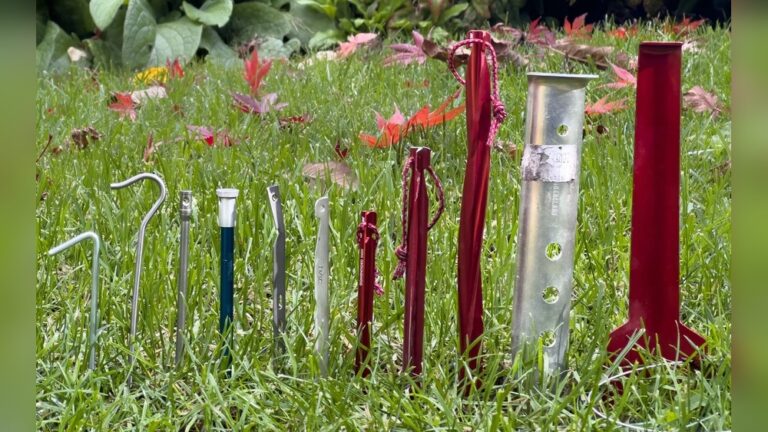
Store stakes in a small pouch or bag to avoid loss. Group them by size or type for easy access. Attach the pouch to the outside or bottom of your pack. This keeps stakes separate from delicate items. Include extra guy lines and repair kits in the same pouch.
Storing Poles Efficiently
Disassemble poles completely before packing. Bundle them tightly with a strap or elastic band. Place poles along the pack’s side or in a pole sleeve. This prevents bending and breakage during transport. Keep poles dry to avoid rust or corrosion.
Maximizing Space In Your Backpack
Packing an ultralight tent requires careful use of every inch in your backpack. Maximizing space helps carry all essentials without extra bulk. Smart packing keeps your gear organized and easy to reach. This saves time and energy on the trail. Follow these simple tips to make the most of your pack space.
Filling Gaps With Soft Items
Use soft items like clothes and sleeping bags to fill empty spaces. These items mold to gaps and protect fragile gear. Place them around hard objects to prevent shifting. This method increases stability and keeps your backpack compact. Soft items also add cushioning for your tent and other equipment.
Layering From Bottom To Top
Start packing with heavy and bulky items at the bottom. Place your tent and stove low to keep balance. Next, add medium-weight gear in the middle. Finish by placing light and frequently used items on top. This layering method makes your pack comfortable and easy to carry. It also helps access essentials quickly without unpacking everything.
Utilizing Pockets For Essentials
Use your backpack pockets wisely to store small essential items. Keep things like maps, snacks, and a headlamp in side or hip pockets. This keeps them within reach during the hike. Store tent stakes and poles in designated compartments to protect other gear. Efficient pocket use frees up main space for larger items and keeps you organized.
Balancing Comfort And Weight
Balancing comfort and weight is crucial when choosing an ultralight tent. You want a shelter that is easy to carry yet provides enough comfort for restful sleep. The right balance reduces fatigue and keeps your hike enjoyable. Finding this balance means smart choices about gear and setup. Every ounce saved counts but not at the cost of stability or ease.
Reducing Fatigue On Long Hikes
Carrying less weight lowers fatigue during long hikes. An ultralight tent helps by cutting down bulk and heaviness. Choose tents made from lightweight materials without extra parts. A lighter load means your body uses less energy. This keeps your pace steady and your muscles less tired. Resting well inside a comfortable tent also aids recovery. Proper rest improves endurance for the next day.
Choosing Multi-functional Gear
Multi-functional gear reduces the need for extra items. A tent with built-in features can replace separate gear pieces. For example, tents with integrated vestibules can store gear safely. Some ultralight tents double as shelters and tarps. This cuts down overall pack weight and space. Think about gear that serves more than one purpose. It simplifies packing and eases the burden on your back.
Maintaining Stability
Stability is vital for safety and comfort in an ultralight tent. Lightweight tents must stand firm in wind and rain. Use strong, durable materials that resist wear and tear. Proper staking and guy lines improve tent stability. Make sure the tent design balances lightness with structural strength. A stable tent prevents discomfort and protects from weather. Stability helps you sleep better and hike refreshed.
Tips For Quick Access On The Trail
Quick access to essential gear on the trail saves time and energy. Proper organization inside your ultralight tent pack helps you find items fast. This keeps your pace steady and reduces stops. Use smart packing strategies to keep important items within reach at all times. Here are key tips for quick access on the trail.
Storing Frequently Used Items
Keep frequently used items in outer pockets or top compartments. Items like your map, compass, or sunscreen should be easy to grab. Avoid digging deep into your pack. Use small pouches or stuff sacks for quick retrieval. This method keeps your gear organized and accessible.
Packing Snacks And Rain Gear
Place snacks in an external pocket or near the top of your pack. This allows quick refueling without unpacking everything. Pack rain gear in a separate, waterproof bag near the top. Sudden weather changes require fast access to dry clothes. This setup ensures you stay comfortable and prepared.
Headlamp And First Aid Placement
Store your headlamp in a front pocket or hip belt pouch. It should be within easy reach for night use or emergencies. Keep your first aid kit in a dedicated, accessible spot. A small, organized bag works best. Quick access to these items can be critical on the trail.
Credit: seatosummit.com
Frequently Asked Questions
How To Pack An Ultralight Tent?
Roll the ultralight tent tightly, remove excess air, and secure with straps. Store stakes and poles separately in pockets to protect fabric. Place the packed tent in a waterproof bag to keep it dry and compact.
What Are The Big 3 Items Backpacking?
The big 3 items for backpacking are your backpack, shelter (tent or tarp), and sleep system (sleeping bag/quilt and pad). These items form the core gear and impact your pack’s weight and comfort most.
How To Pack An Ultralight Pack?
Pack heavy items like food and stove low and close to your back for balance. Use your sleeping pad as a frame against your back. Place frequently used gear in top or hip pockets. Line your pack with a lightweight waterproof bag.
Fill gaps with compressible items to maximize space.
What Is A Good Weight For An Ultralight Tent?
A good weight for an ultralight tent is typically under 3 pounds (1. 4 kg). Lighter tents enhance mobility and reduce fatigue.
Conclusion
Packing and choosing the right ultralight tent makes hiking easier. Carry less weight to move faster and feel comfortable. Organize gear smartly for quick access on the trail. Protect your tent and keep it dry for longer use. With these tips, enjoy your outdoor trips more and stress less.
Every step feels lighter when your tent is ultralight. Happy hiking and safe travels!