How to Insulate a Tent for Winter Camping | Expert Tips
Winter camping can be magical, but the cold can quickly turn an adventure into discomfort if your tent is not properly insulated. Staying warm at night is not just about comfort—it’s about safety. Good insulation keeps heat in, stops cold wind, and prevents condensation.
Many campers think a thick sleeping bag is enough, but insulating your tent can make a huge difference. Let’s explore practical ways to insulate a tent for winter camping, so you stay cozy and safe, even in freezing temperatures.
Why Tent Insulation Matters
Tent walls are thin. They let cold air in and warm air out. Even with a four-season tent, you still lose heat fast. Insulation helps you keep the warm air inside and reduces the risk of hypothermia. According to the Centers for Disease Control and Prevention, exposure to cold can lead to serious health risks like frostbite and hypothermia.
With proper insulation, you can sleep better and enjoy your trip more.
Choosing The Right Tent For Winter
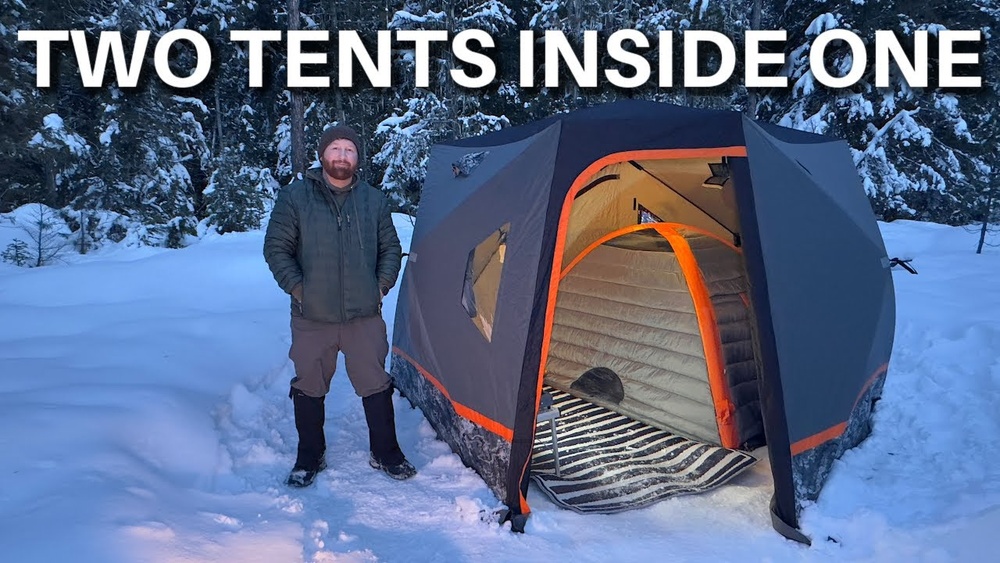
Not all tents are good for winter. If you plan to camp in freezing temperatures, use a four-season tent. These tents have stronger poles, thicker fabric, and fewer mesh panels. Here’s a quick comparison:
| Feature | Three-Season Tent | Four-Season Tent |
|---|---|---|
| Fabric Thickness | Thin | Thick |
| Ventilation | High | Low |
| Wind Resistance | Moderate | Strong |
| Weight | Light | Heavy |
If you don’t own a four-season tent, you can still insulate a regular tent, but you’ll need extra steps.
Floor Insulation: The Foundation Of Warmth
The ground is often the coldest part. Heat escapes quickly from your body into the earth. Adding insulation under your tent is critical.
- Foam mats: Closed-cell foam mats are cheap and block cold well. Place them under your tent and inside, under your sleeping area.
- Reflective blankets: Emergency blankets reflect heat. Put one beneath your tent and another under your sleeping bag.
- Carpet tiles: For extra comfort, lay lightweight carpet tiles inside. They add warmth and softness.
Using multiple layers is more effective than just one thick mat. A common mistake is relying only on air mattresses. Air mattresses can make you colder because air inside cools quickly.
Wall And Roof Insulation Techniques
Tent walls lose heat fast. You can reduce this by adding insulation to the walls and roof.
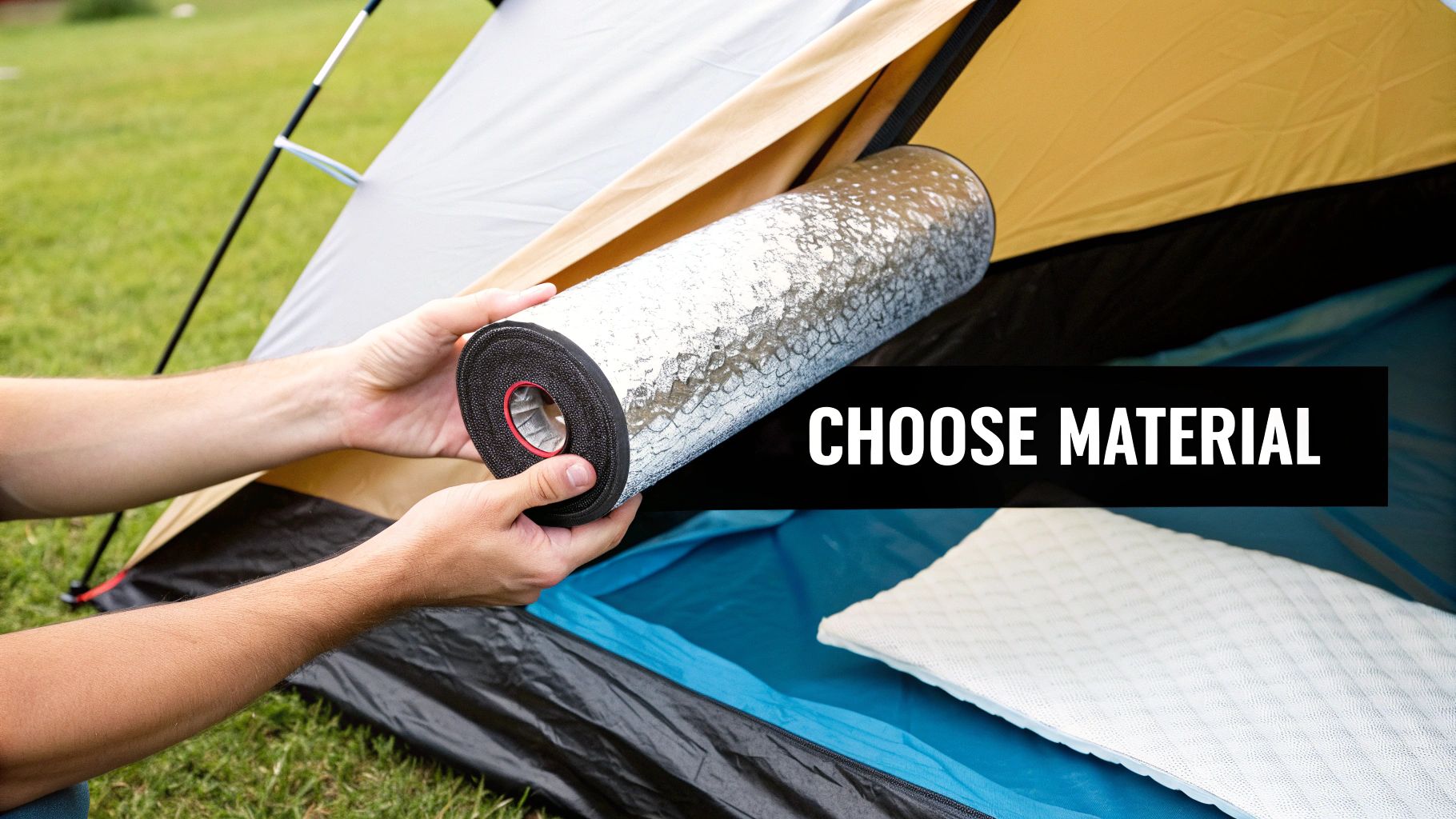
- Reflective insulation: Attach reflective survival blankets or foil sheets to the tent’s inner walls and roof. They reflect your body heat back.
- Insulating liners: Some brands sell tent liners. If available, use them. Otherwise, hang thick fleece blankets inside.
- Bubble wrap: Large sheets of bubble wrap work as insulation. Tape them to the tent walls for extra warmth.
Here’s a quick table comparing insulation materials:
| Material | Weight | Warmth | Cost |
|---|---|---|---|
| Reflective Blanket | Very Light | High | Low |
| Fleece Blanket | Medium | Medium | Medium |
| Bubble Wrap | Light | Medium | Low |
| Tent Liner | Medium | High | High |
Most beginners miss that insulation must cover the roof as well as walls. Heat rises, so insulating the roof is as important as the floor.
Credit: trekology.com
Managing Ventilation And Condensation
Insulation traps heat, but it can also trap moisture. If you don’t let air escape, condensation builds up. Wet gear and sleeping bags make you cold. Always leave a small vent open, even in cold weather.
- Choose tents with adjustable vents.
- Open vents slightly at night.
- Avoid breathing inside your sleeping bag.
Many campers skip ventilation, but it’s essential for staying dry and warm.
Sealing Gaps And Drafts
Wind can steal heat quickly. Check your tent for gaps and holes. Seal them with duct tape or fabric patches. Use a tent footprint to block drafts under the tent. If your tent has a loose rainfly, tighten it to reduce wind.
For extra draft protection:
- Pile snow or leaves around the tent base.
- Use extra guy lines to keep the tent stable.

Credit: blog.campingworld.com
Insulating Your Sleeping Area
Your sleeping area needs special care. Even with a good sleeping bag, cold air can get inside.
- Sleeping bag liner: Use a fleece or thermal liner inside your bag.
- Sleeping pad: Choose one with a high R-value (thermal resistance). Most winter pads have R-values above 5.
- Pillow insulation: Put a jacket or extra clothes under your pillow to stop cold from seeping up.
Here’s a quick R-value comparison:
| Pad Type | R-Value | Suitable Temperature |
|---|---|---|
| Foam Pad | 2-3 | Above 32°F |
| Inflatable Pad | 3-5 | 20-32°F |
| Winter Pad | 5+ | Below 20°F |
Extra Tips For Staying Warm
- Warm water bottles: Fill a bottle with hot water and place it in your sleeping bag before bed.
- Dress in layers: Use wool or synthetic layers, not cotton.
- Eat high-energy food: Eating before bed helps your body stay warm.
- Move before sleep: Light exercise helps generate heat.
One non-obvious trick: Place your boots inside a plastic bag and keep them inside the tent. Cold boots are hard to put on in the morning.
Mistakes To Avoid
- Ignoring floor insulation: Most heat loss happens to the ground.
- Blocking all ventilation: Causes condensation and wet gear.
- Using only air mattresses: These cool down quickly.
- Forgetting to insulate the roof: Heat escapes upward.
It’s also important to check the weather forecast before your trip. If conditions are extreme, consider postponing. Preparation is always better than struggling with the cold.
Resources For Further Learning
If you want to dive deeper into winter camping safety and insulation techniques, visit REI’s Winter Camping Guide.
Winter camping can be safe and comfortable if you insulate your tent well. With these tips, you’ll be ready to enjoy beautiful snowy landscapes without shivering all night. Remember, the right preparation can turn a cold night into a warm memory.

Credit: www.youtube.com

I am an outdoor enthusiast and gear researcher passionate about camping, hiking, backpacking, and outdoor adventures. I enjoy testing gear, comparing products, and sharing practical advice to help readers make informed decisions. At BestOutsideGear, I create honest gear reviews, buying guides, and outdoor tips to help adventurers choose the right equipment with confidence.