How to Keep a Tent Warm While Camping: Top Tips Revealed
Camping in cold weather can be a wonderful experience, but keeping your tent warm is not always easy. Cold nights, wind, and dampness can make sleeping uncomfortable or even unsafe. If you want to enjoy camping year-round, learning how to keep a tent warm is essential.
This guide covers effective methods, practical gear, and smart tips for staying cozy in your tent, even when temperatures drop.
Choose The Right Tent For Cold Weather
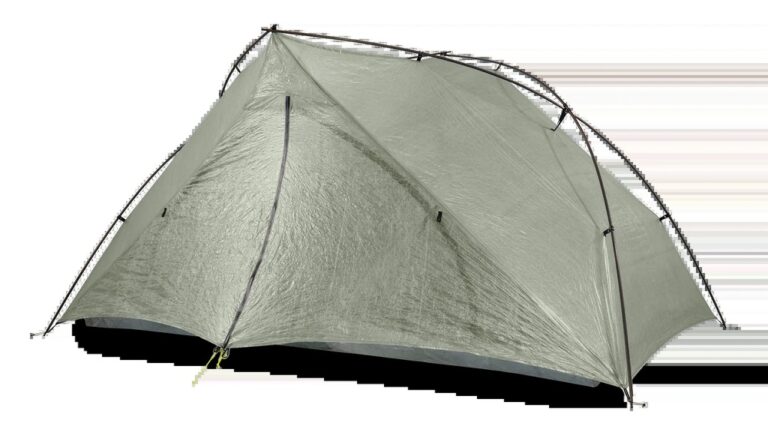
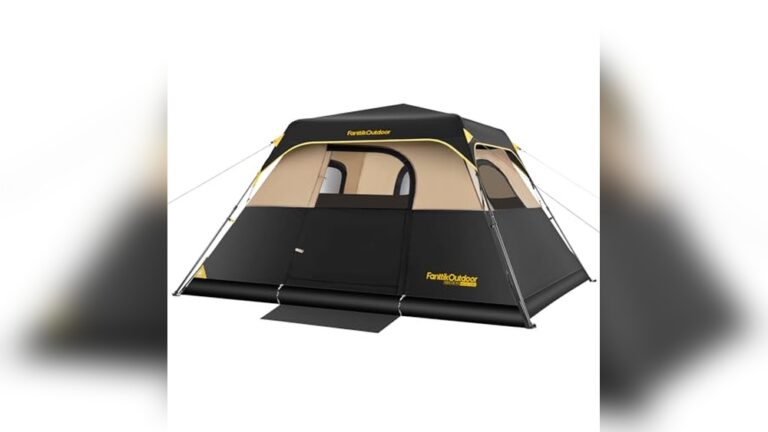
Your tent is your main shield against the cold. Not all tents are equal when it comes to warmth. Four-season tents are designed for harsh conditions and provide better insulation than regular three-season tents. They have thicker fabric, fewer mesh panels, and strong poles to withstand wind and snow.
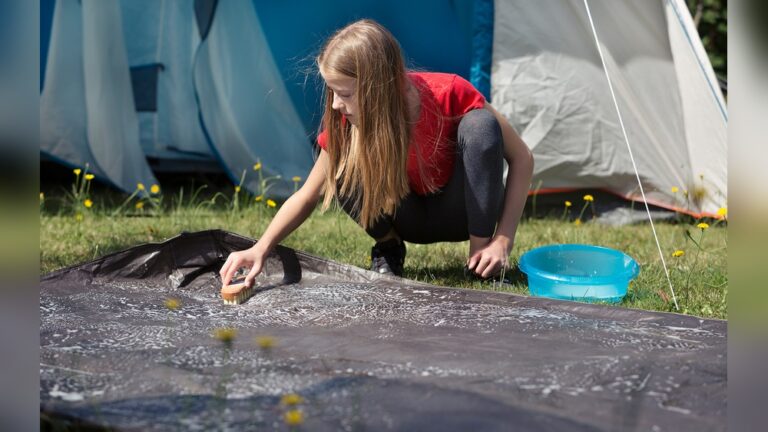
If you only have a three-season tent, try to make it warmer by using a tent footprint or an extra tarp underneath. This adds a layer between the ground and your tent, helping block cold and moisture.
Below is a comparison of tent types for cold weather camping:
| Type | Insulation | Wind Protection | Best For |
|---|---|---|---|
| Four-season tent | High | Excellent | Winter, snow |
| Three-season tent | Medium | Good | Spring, fall |
| Backpacking tent | Low | Fair | Mild weather |
Insulate The Tent Floor
The ground is often the coldest part of your campsite. Heat escapes quickly through the tent floor. Adding insulation under your sleeping area is one of the most effective ways to stay warm.
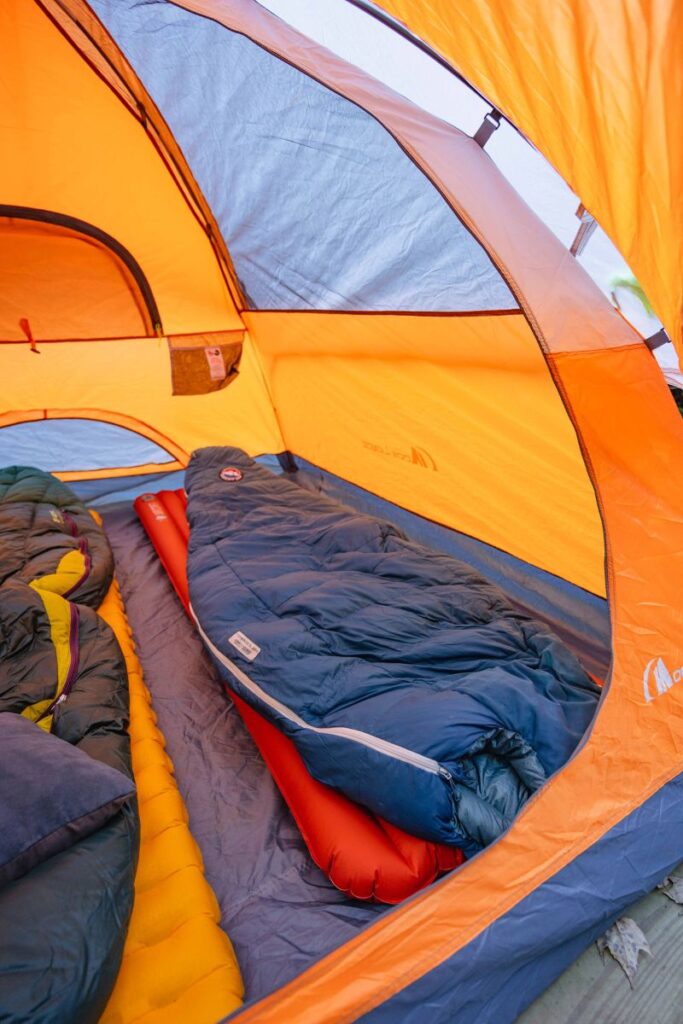
- Use a foam sleeping pad or inflatable pad. These create a barrier between you and the cold ground.
- Place extra layers like blankets or rugs under your sleeping pad.
- Try using reflective emergency blankets beneath your pad. They bounce heat back toward your body.
Here’s a quick comparison of sleeping pad types:
| Pad Type | R-value (Warmth) | Weight | Cost |
|---|---|---|---|
| Foam pad | 2-3 | Light | Low |
| Inflatable pad | 3-5 | Medium | Medium |
| Self-inflating pad | 4-6 | Heavy | High |
An R-value of 4 or higher is recommended for cold weather camping. Many beginners miss this detail and end up shivering even with a warm sleeping bag.

Credit: enabling.ch
Block Wind And Drafts
Wind can steal warmth from your tent faster than you expect. Try these steps to minimize drafts:
- Pitch your tent in a sheltered spot, like behind bushes or rocks.
- Use your rainfly and close all zippers tightly.
- Place your gear around the tent’s edges to block wind.
Some campers place an extra tarp over the tent to add another wind barrier. Just make sure it doesn’t block ventilation, as airflow is needed to prevent condensation inside.
Use The Right Sleeping Bag
A cold-rated sleeping bag is your best friend for warm camping. Bags are rated by temperature; choose one with a lower limit than the expected night temperature. For example, if you expect 30°F, pick a bag rated for 20°F.
Sleeping bag fill type matters too. Down fill is warmer and lighter, but loses warmth if it gets wet. Synthetic fill is bulkier but stays warm even when damp.
Many beginners forget to use a sleeping bag liner. Liners add warmth (up to 10°F) and keep your bag cleaner.
Wear Warm Clothing And Layer Wisely
What you wear to bed matters. Avoid cotton, which absorbs moisture and makes you colder. Instead, use synthetic or wool layers.
- Start with a base layer, like thermal underwear.
- Add a fleece or insulated jacket.
- Wear wool socks and a hat. You lose much heat from your head and feet.
Change into dry clothes before bed. Wet socks or shirts will make you cold fast.
Heat Sources: Safe And Practical Options
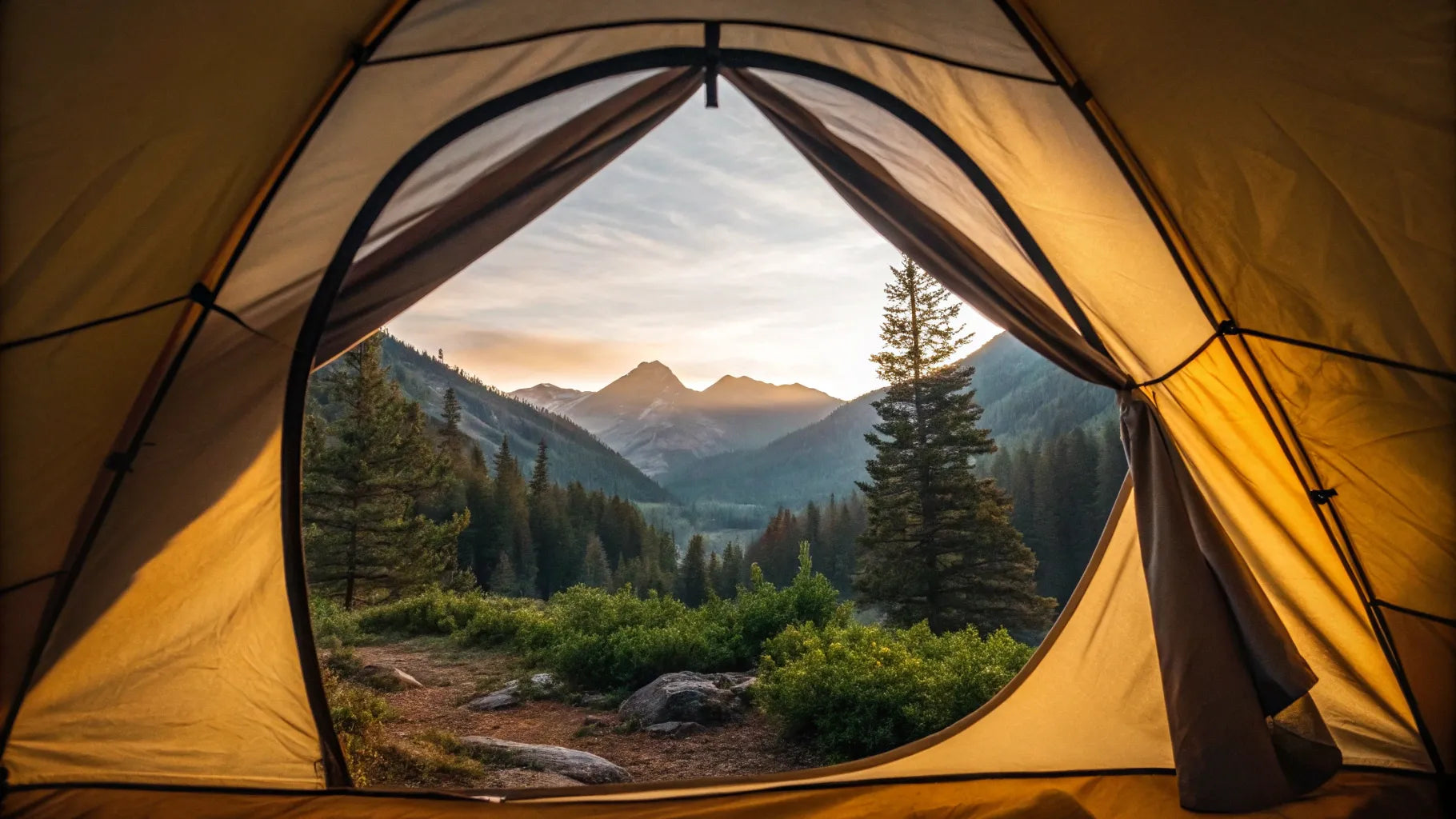
Never use open flames or gas heaters inside your tent; they are dangerous and can cause carbon monoxide poisoning. Instead, try these safer ways:
- Hot water bottles: Heat water, fill a bottle, and place it in your sleeping bag.
- Chemical heat packs: These last several hours and are safe to use inside a bag.
- Electric heated pads: Battery-powered pads can add warmth, but check battery life and safety.
If you’re camping near your car, you might have more options, but for backcountry camping, stick to compact and portable heat sources.
Credit: www.battlbox.com
Tent Ventilation And Condensation
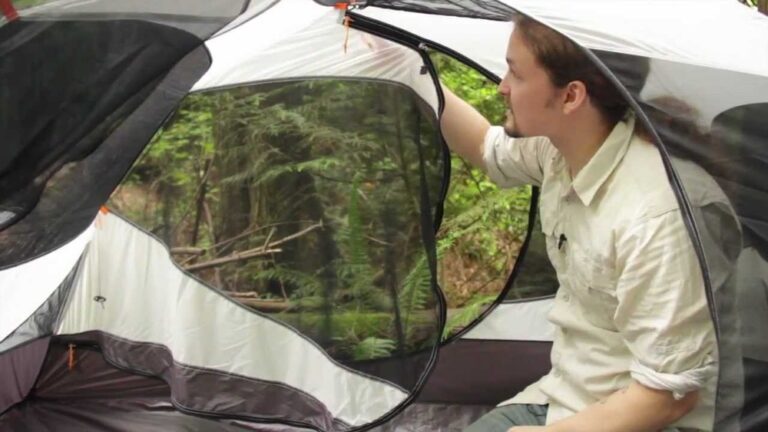
Many campers worry about losing heat if they open tent vents. But closed tents trap moisture from your breath, which can make you feel colder. Proper ventilation is important to keep your sleeping area dry and comfortable.
Open vents just a little to let moist air escape. This prevents condensation, which can freeze and make your gear damp.
Smart Tricks For Extra Warmth
Some small changes can make a big difference:
- Eat a warm meal before bed. Your body generates more heat digesting food.
- Fill your water bottle with warm water and keep it close to your body.
- Place your sleeping bag on top of an extra blanket, not under it.
- Use a tent-safe candle lantern for a small heat boost (never leave it unattended).
Many campers forget to insulate their tent ceiling. Hanging a blanket or emergency foil up high can help keep heat inside.
Credit: hgvrudersberg.de
Common Mistakes To Avoid
Staying warm is not just about adding layers. Here are mistakes you should avoid:
- Sleeping directly on the tent floor with no pad
- Wearing damp clothes or socks
- Using a bag with the wrong temperature rating
- Blocking all ventilation, causing wet and cold conditions
- Trying unsafe heat sources like propane heaters
Pay attention to these details to avoid a miserable night.
Packing Checklist For Warm Camping
Before you head out, make sure you bring these items:
- Four-season tent or proper shelter
- High R-value sleeping pad
- Cold-rated sleeping bag
- Sleeping bag liner
- Synthetic or wool clothing layers
- Wool socks and hat
- Hot water bottles or heat packs
- Extra blankets or emergency foil
- Tarp or tent footprint
Double-check your gear for damage or wet spots. Even a small hole in your tent can let in cold air.
Final Tips For Safe And Comfortable Camping
Keeping your tent warm while camping requires planning and the right gear. Choose your campsite carefully, use proper insulation, and layer your clothing. Avoid risky heating methods and pay attention to ventilation.
For more advanced tips and safety guidelines, you can visit National Park Service.
With careful preparation, you can enjoy camping in cold weather and wake up warm, dry, and ready for adventure. Remember, the key is to combine several small strategies for the best results. Don’t rely on just one method—each adds an important layer of protection against the cold.

I am an outdoor enthusiast and gear researcher passionate about camping, hiking, backpacking, and outdoor adventures. I enjoy testing gear, comparing products, and sharing practical advice to help readers make informed decisions. At BestOutsideGear, I create honest gear reviews, buying guides, and outdoor tips to help adventurers choose the right equipment with confidence.