How to Pack Food for Tent Camping: Essential Tips and Tricks
Packing food for a tent camping trip isn’t just about throwing snacks in a bag. It’s about planning meals, keeping everything safe from wildlife, and making sure food stays fresh and easy to cook. If you prepare well, you’ll eat better, spend less time worrying, and have more fun outdoors.
This guide covers everything you need to know, whether you’re camping for one night or a whole week.
Understanding Your Camping Food Needs
Before you start packing, think about your trip length, group size, and available gear. Most campers underestimate how much food they need, especially when hiking or doing activities. On average, adults burn 300–500 more calories per day when camping. For a three-day trip, plan for three meals per day, plus snacks.
The type of camping matters, too. If you camp with a car, you can carry coolers and fresh food. If you hike to your site, you’ll need lightweight, non-perishable options. Always check if your camp site has fire pits, water sources, or food storage lockers.
Choosing The Right Foods
Not all foods are equal for camping. The best choices are:
- Non-perishable: Foods that don’t spoil quickly, like nuts, dried fruit, canned beans, and instant noodles.
- Easy to cook: Items that need minimal prep, such as oatmeal, pasta, and pre-cooked rice.
- Nutritious: Balance carbs, protein, and fats. Bring some fresh fruit and vegetables, but use them early in your trip.
Here’s a comparison of common camping food types:
| Food Type | Pros | Cons |
|---|---|---|
| Dehydrated Meals | Lightweight, long shelf life | Expensive, need water |
| Canned Food | Easy, no prep needed | Heavy, bulky |
| Fresh Produce | Nutritious, tasty | Perishable, fragile |
| Snacks (nuts, bars) | Quick energy, no cooking | Low variety |
For a balanced menu, mix different types. Use fresh food for the first day, then switch to shelf-stable items.
Meal Planning For Tent Camping
Meal planning makes your trip easier and prevents waste. Start by writing a menu for each day. Think about breakfast, lunch, dinner, and snacks. For example:
- Breakfast: Oatmeal, granola bars, instant coffee
- Lunch: Wraps with peanut butter, dried fruit
- Dinner: Pasta with canned sauce, instant soup
If you want to cook over a fire, pick simple recipes. Avoid foods that need lots of water or special equipment. Here’s a sample three-day meal plan:
| Day | Breakfast | Lunch | Dinner | Snacks |
|---|---|---|---|---|
| 1 | Oatmeal | Sandwich | Canned chili | Nuts, apples |
| 2 | Granola | Wraps | Instant noodles | Jerky, bananas |
| 3 | Instant pancakes | Crackers, cheese | Rice with beans | Trail mix |
Planning ahead saves money and reduces stress. Beginners often forget to include snacks or bring too many bulky items.
Packing Techniques For Freshness And Safety
Packing food correctly prevents spoilage and keeps animals away. Use these tips:
- Coolers: For car camping, use a strong cooler with ice packs. Keep raw meat at the bottom, away from ready-to-eat items.
- Dry Bags: For hiking, pack food in waterproof dry bags. This stops leaks and protects from rain.
- Sealed Containers: Use airtight containers for snacks and leftovers. They keep food fresh and block smells that attract wildlife.
- Separate Food Types: Don’t mix raw and cooked foods. Store them in different bags or boxes.
Here’s a quick overview of packing methods:
| Packing Method | Best For | Drawbacks |
|---|---|---|
| Coolers | Fresh food, drinks | Heavy, need ice |
| Dry Bags | Hiking, wet conditions | Limited space |
| Plastic Containers | Snacks, leftovers | Bulky |
| Zip Bags | Small items, portion control | Not animal proof |
A common mistake is packing only in plastic bags. Animals can chew through them easily. For longer trips, consider bear-proof containers.
Preventing Food Spoilage
Spoiled food can ruin your camping experience. To keep food safe:
- Keep foods cold: Use frozen water bottles or gel packs. They last longer than loose ice.
- Eat perishables early: Use fresh dairy, meat, and veggies within the first day.
- Store food in shade: Heat speeds up spoilage. Keep coolers and bags out of direct sun.
- Check expiration dates: Always check before you pack, especially for canned goods and dehydrated meals.
If you’re camping in hot weather, avoid dairy and eggs unless you have reliable cooling. For multi-day trips, bring mostly shelf-stable foods.
Protecting Food From Wildlife
Animals like raccoons, squirrels, and bears are attracted to food smells. To protect your supplies:
- Use bear-proof lockers: Many campgrounds provide metal lockers. Always use them if available.
- Hang bags: In remote areas, hang food bags from a tree branch, at least 10 feet above ground and 4 feet from the trunk.
- Clean up after meals: Don’t leave crumbs or wrappers. Animals can smell even tiny bits.
- Avoid scented items: Don’t pack strongly scented soap or toothpaste near your food.
A non-obvious tip: don’t cook near your tent. Food smells can linger and attract animals. Set up your cooking area at least 100 feet away.

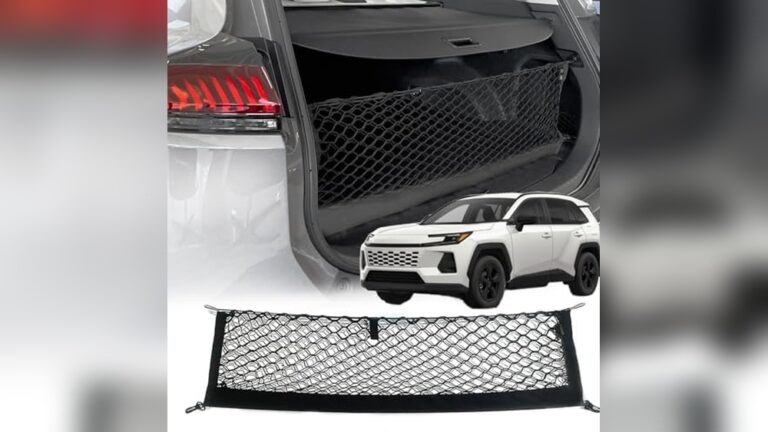
Credit: www.amazon.com
Cooking Gear And Essentials
You don’t need a full kitchen for camping, but some basic gear makes meal prep much easier. Essentials include:
- Portable stove: Propane or alcohol stoves are reliable and fast.
- Cooking pots/pans: Bring lightweight, multi-use pots.
- Utensils: Pack a spatula, spoon, and knife. Choose stainless steel or plastic.
- Fuel: Always bring extra fuel; it’s easy to run out.
- Water filter: If your site has no clean water, use a filter or bring bottled water.
Many campers forget about cleaning supplies. Pack a sponge, dish soap, and a small towel. Wipe down gear after each use to avoid attracting bugs.
Packing For Special Diets
If you or someone in your group has dietary needs, plan carefully. For vegetarians, bring beans, lentils, and plant-based jerky. For gluten-free diets, use rice, corn tortillas, and gluten-free snacks.
Allergy-friendly foods are important. Label containers and keep allergen-free items separate. For example, store nut-free snacks in their own bag. If someone needs dairy-free meals, use plant-based milks and cheeses.
A practical tip: prep some meals at home, like chopped veggies or homemade trail mix. This saves time and avoids cross-contamination.

Credit: www.appalachianoutfitters.com
Reducing Waste And Staying Organized
Camping food creates lots of packaging and leftovers. To minimize waste:
- Use reusable containers: Avoid single-use plastic. Bring containers you can use for storage and cooking.
- Plan portions: Pack only what you need for each meal. It’s common to bring too much, which leads to leftovers.
- Pack out all trash: Never leave food wrappers or uneaten food. Animals and bugs will find them.
- Organize by meal: Group foods by meal in separate bags or boxes. This makes cooking faster.
A non-obvious insight: bring a small notebook or use your phone to track what you eat. After your trip, you’ll know exactly how much food you needed, which helps for next time.
Sample Packing List For A Weekend Trip
Here’s a practical packing list for a two-night tent camping trip for two adults:
- Breakfasts: 2 packets oatmeal, 2 granola bars, 2 instant coffees
- Lunches: 2 wraps (tortillas, peanut butter), 2 cans tuna, 1 small bag chips
- Dinners: 1 box pasta, 1 can sauce, 2 cans chili, 1 bag instant rice
- Snacks: 1 bag trail mix, 1 bag jerky, 2 apples, 2 bananas
- Drinks: 2 bottles water, 1 small box juice
- Cooking gear: 1 stove, 1 pot, 1 pan, utensils, fuel
- Cleaning supplies: Sponge, soap, towel
- Storage: Cooler with ice, 2 dry bags, 4 airtight containers
Adjust amounts for kids, larger groups, or longer trips. For solo campers, cut quantities in half.
Smart Packing Tips For Beginners
Packing food for tent camping can be tricky, especially for first-timers. Here are some smart tips:
- Pre-pack meals: Portion out food at home so you don’t have to measure at camp.
- Label everything: Use labels for containers and bags. This helps you find things quickly.
- Freeze meat and meals: Frozen items act as extra ice packs and stay fresh longer.
- Bring extra snacks: Hunger increases with activity. It’s better to have too many snacks than too few.
- Don’t forget condiments: Pack salt, pepper, and small packets of ketchup or mustard for flavor.
- Use collapsible containers: They save space and fit easily in bags.
- Check campsite rules: Some places ban glass or require bear-proof storage.
A common mistake is packing too much heavy food. Choose lighter options and avoid cans unless you need them for quick meals.
Final Thoughts
Packing food for tent camping takes planning and practice, but it makes your trip much more enjoyable. Think about your needs, pick the right foods, and pack them safely. Use coolers or dry bags, protect food from wildlife, and organize meals for easy cooking.
With these strategies, you’ll eat well, stay safe, and waste less.
For more detailed camping food ideas and safety guidelines, check resources like National Park Service.
Remember, camping is about enjoying nature—not stressing about meals. Pack smart, stay organized, and focus on the adventure.

Credit: www.amazon.com

I am an outdoor enthusiast and gear researcher passionate about camping, hiking, backpacking, and outdoor adventures. I enjoy testing gear, comparing products, and sharing practical advice to help readers make informed decisions. At BestOutsideGear, I create honest gear reviews, buying guides, and outdoor tips to help adventurers choose the right equipment with confidence.