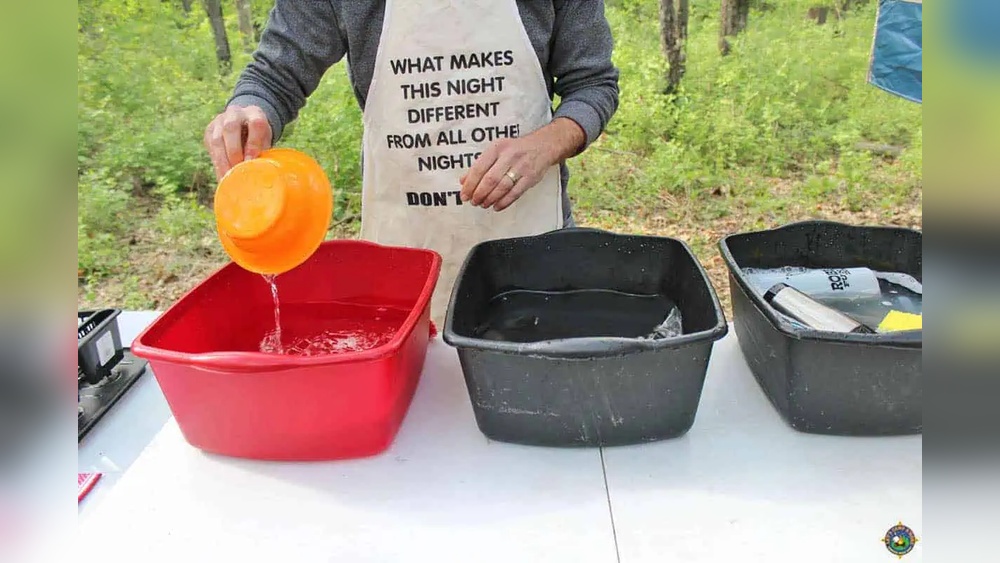
How to Wash Dishes When Tent Camping: Easy Step-by-Step Guide
Tent camping gives you a taste of adventure and freedom, but it also means you must handle daily chores in unusual ways. Washing dishes becomes a challenge in the wild. Without running water or a kitchen sink, you need to adapt your methods. Still, clean dishes are important for your health and for keeping wildlife away from your camp. Here’s a complete guide to washing dishes when tent camping, with smart tips, clear steps, and practical advice that campers often miss.
Why Clean Dishes Matter When Camping
Some campers believe a quick rinse is enough. But dirty dishes can cause real problems. Food bits attract animals like raccoons, mice, and even bears. Leftover grease and crumbs can lead to stomach bugs if reused. In nature, you don’t have easy access to medical help, so prevention is key. Keeping dishes clean also helps you avoid lingering smells that make your tent less comfortable. Proper dishwashing supports both camp hygiene and nature protection.
Essential Gear For Dishwashing At Camp
You don’t need a fancy setup, but having the right gear saves time and effort. Here are the basics:
- Two collapsible basins: One for washing, one for rinsing
- Biodegradable soap: Safe for the environment
- Scrub sponge or brush: Tough on stuck food, gentle on pans
- Microfiber towel: Quick drying for dishes
- Mesh drying bag: Hang dishes to air dry
- Water container: For carrying and heating water
- Trash bag: For food scraps
- Rubber gloves (optional): Protect hands in cold water
Many campers skip the second basin or drying bag. But these make a big difference, especially for groups or longer trips.
Setting Up A Dishwashing Station
Pick a spot away from your tent and water sources. Never wash dishes right in a river or lake. This prevents soap from harming fish and keeps wildlife from finding your camp. The Leave No Trace principle says to wash dishes at least 200 feet from water. Set your basins on a flat surface, like a picnic table or a stable patch of ground.
Example Dishwashing Station Setup
| Item | Placement | Purpose |
|---|---|---|
| Wash Basin | Closest to you | Soapy water cleaning |
| Rinse Basin | Beside wash basin | Removes soap |
| Drying Bag | Hung nearby | Air dries dishes |
Step-by-step Guide To Washing Dishes At Camp
1. Scrape Food Waste
Before washing, scrape all leftover food into your trash bag. Use a spatula or even a piece of bread. This keeps water cleaner and reduces the risk of attracting animals.
2. Heat Water
Cold water works, but warm water dissolves grease better and feels nicer on your hands. Heat water over your camp stove or fire. For safety, don’t let it boil—just get it warm. Most campers use about 1 gallon (3. 8 liters) per meal for washing and rinsing.
3. Prepare Your Basins
Fill one basin with warm water and a few drops of biodegradable soap. Fill the second basin with plain warm water for rinsing. If water is limited, use less in each basin and change it often.
4. Wash Dishes
Start with the cleanest items first, like cups and utensils. Use your scrub sponge to clean each piece. Plates and pans with grease or burnt food go last—this keeps your water cleaner longer.
5. Rinse Thoroughly
Move each item to the rinse basin. Shake off excess soap before dipping. Make sure all soap is removed. Residue can cause stomach upset if left on dishes.
6. Dry Dishes
Dry with your microfiber towel or hang dishes in the mesh bag. Air drying is best, as it avoids spreading germs from towels. Place the drying bag somewhere with good airflow, but not directly on the ground.
7. Dispose Of Waste Water Properly
Don’t dump soapy water near your tent or in a water source. Walk at least 200 feet away from rivers and lakes. Scatter the water over rocks or dry soil so it filters naturally. This helps protect wildlife and keeps campsites clean.
Water Conservation Tips For Camp Dishwashing
Water is precious at most campsites. Here’s how to use less:
- Wash dishes only after meals—not throughout the day
- Use a spray bottle to rinse instead of a basin for small groups
- Wipe pots and pans with a paper towel before washing
- Share dish duty with your group to limit repeated washing
Water Usage Comparison
| Method | Average Water Used | Best For |
|---|---|---|
| 2-Basin System | 1 gallon/meal | Groups |
| Spray Rinse | 0.5 gallon/meal | Solo campers |
| Paper Towel Wipe | 0.3 gallon/meal | Quick meals |
Choosing The Right Soap For Camping
Regular dish soap isn’t safe for the outdoors. Always use biodegradable soap. Look for brands that break down naturally, like Campsuds or Dr. Bronner’s. Even biodegradable soap can harm water sources if overused, so always follow the rule: use as little as possible and never wash directly in streams.

Credit: www.youtube.com
Drying Dishes In The Wild
Wet dishes can grow germs and mold. Air drying is safest, but many campers forget about airflow. Hang your mesh bag between two trees or on a tent pole. Avoid drying inside the tent, as trapped moisture leads to damp gear and smells.
Some campers use a solar drying rack—a simple wire frame placed in direct sunlight. This speeds up drying and helps kill bacteria. If drying outside isn’t possible, use a clean towel, but wash it regularly.
Dealing With Greasy Pots And Burnt Food
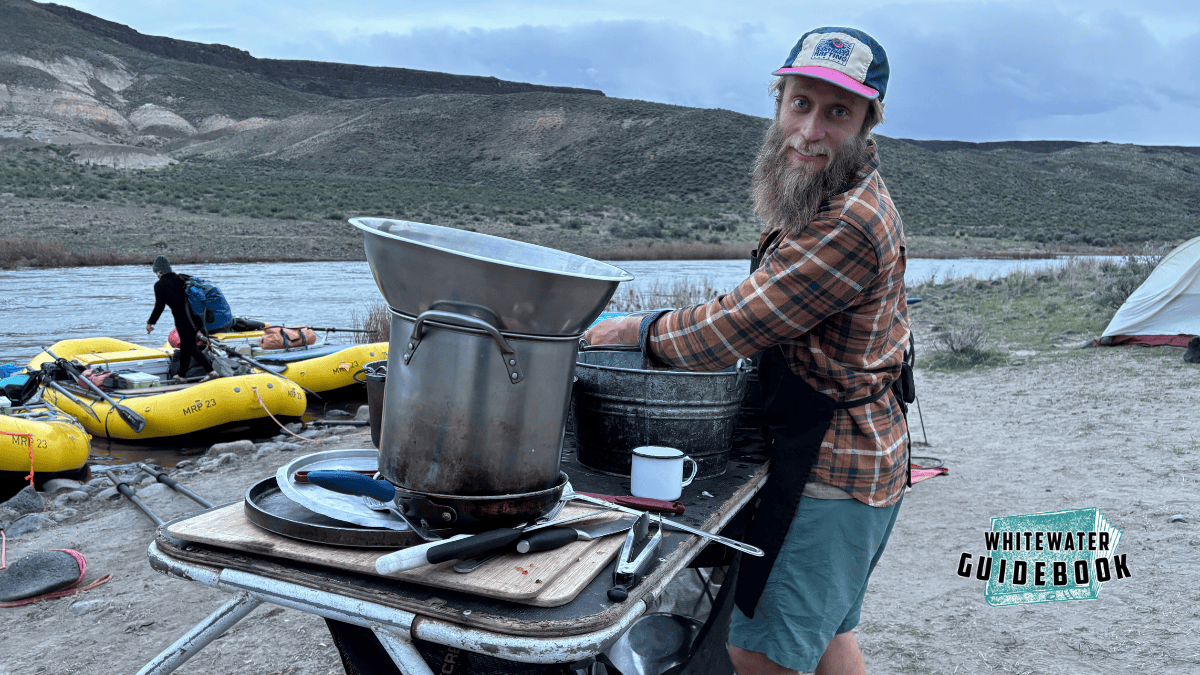
Cooking over a campfire or portable stove often leads to burnt pans and sticky pots. Here’s how to tackle tough messes:
- Let pots cool before cleaning to avoid burns
- Add warm water and a bit of soap, then soak for 10–15 minutes
- Use sand or pine needles as a natural scrubber (rinse well after)
- Avoid steel wool, which can damage non-stick pans
- For stubborn food, boil water in the pot to loosen residue
Most beginners don’t realize that sand and pine needles are safe scrubbers. They’re free, available, and won’t harm nature if used properly.
Credit: www.whitewaterguidebook.com
Keeping Wildlife Away From Dishwashing Areas
Food scents linger on dirty dishes and in wash water. Bears, raccoons, and rodents have strong noses and may visit your camp. To avoid this:
- Wash dishes as soon as possible after eating
- Store trash and food scraps in a sealed bag or container
- Carry waste water away from camp before disposal
- Keep dishwashing gear clean and dry
Bear-proof containers are recommended in some areas. Always check local rules before your trip.
How Weather Changes Your Dishwashing Routine
Rain, wind, or cold can make dishwashing harder. In wet weather, cover your station with a tarp. In cold climates, heat water more than usual and wear gloves. Wind can blow away towels and dishes, so secure your drying rack.
Weather Vs. Dishwashing Efficiency
| Weather | Impact | Suggested Solution |
|---|---|---|
| Rain | Slows drying, mud everywhere | Use tarp, hang bag higher |
| Wind | Dishes may blow away | Secure drying rack, weigh towels |
| Cold | Water chills hands, soap less effective | Heat water, wear gloves |

Credit: blog.whiteduckoutdoors.com
Cleaning Up After Dishwashing
When you finish, pack away your gear. Let basins dry before storing to avoid mold. Wash sponges and towels at home after your trip. If you used natural scrubbers like sand or pine needles, scatter them back in the woods.
Always check your campsite for forgotten food scraps or trash. Leaving behind bits can attract animals and harm the next campers.
Common Mistakes Campers Make
- Washing dishes too close to water sources: This pollutes streams and lakes.
- Using too much soap: Extra soap doesn’t clean better and is harder to rinse.
- Leaving dishes wet overnight: This encourages bacteria and mold.
- Dumping waste water in the same spot: Creates a messy area and attracts animals.
- Not scraping food first: Makes water dirty faster and leaves bits behind.
Avoid these mistakes, and your camping experience will be safer and cleaner.
Smart Tips For Camp Dishwashing
- Plan meals that use fewer pans and dishes—one-pot recipes are easier to clean
- Bring a small bottle of vinegar as a natural sanitizer
- Pack extra sponges and towels in a dry bag
- Wash dishes during daylight for better visibility
- Teach kids to help—make dish duty a fun group task
One tip many campers miss: vinegar can sanitize dishes without harming nature. Rinse with vinegar after washing for extra safety.
Real-world Example: Group Camping Dishwashing
On a trip with six campers, we used a two-basin system and finished washing all dishes in 20 minutes. Each person took a role: scraper, washer, rinser, dryer. We used about 1.5 gallons of water total, and no wildlife visited our camp at night. The drying bag hung between two trees, and everything was dry within an hour. This teamwork saved time and kept the site clean.
Resources For Camp Dishwashing
You can find more detailed advice from the Leave No Trace Center for Outdoor Ethics. Their site covers eco-friendly cleaning and waste disposal rules. Visit Leave No Trace for guidelines that protect nature and help you camp responsibly.
Tent camping brings both fun and responsibility. With the right gear, good habits, and a few clever tricks, you can keep your dishes clean and your camp safe. Remember these steps next time you head outdoors, and enjoy every meal knowing you’re taking care of yourself—and the wild places you visit.

I am an outdoor enthusiast and gear researcher passionate about camping, hiking, backpacking, and outdoor adventures. I enjoy testing gear, comparing products, and sharing practical advice to help readers make informed decisions. At BestOutsideGear, I create honest gear reviews, buying guides, and outdoor tips to help adventurers choose the right equipment with confidence.