Beginner Outdoor Mistakes: Avoid These Common Camping Errors
Starting your outdoor adventure is exciting, but it’s easy to make mistakes that can turn your trip from fun to frustrating. If you want to enjoy nature without unnecessary hassles, you need to know what to avoid.
Are you packing the right gear? Have you thought about the weather or your water supply? These small details can make a huge difference in your experience. Keep reading to discover the most common beginner outdoor mistakes—and how you can sidestep them to make your next outing safe, enjoyable, and unforgettable.
Your adventure deserves a smooth start!
:max_bytes(150000):strip_icc()/tal-river-rafting-beginner-mistakes-to-avoid-tout-dd7c685b14ee4ef498190e168ddadc9f.jpg)
Credit: www.travelandleisure.com
Footwear Choices
Choosing the right footwear is crucial for any outdoor adventure. It affects your comfort, safety, and overall experience. Many beginners make mistakes in this area, which can lead to pain or injury. Understanding common footwear errors can help you prepare better and enjoy your time outside.
Picking Unsuitable Shoes
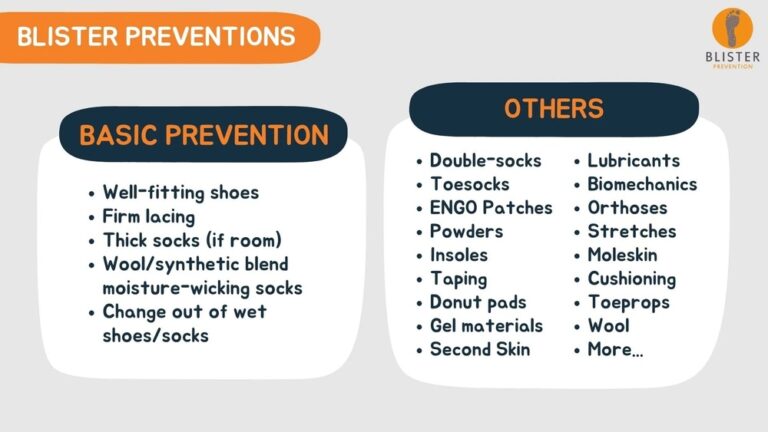
Not all shoes work well outdoors. Some shoes lack proper grip for uneven surfaces. Others may not protect your feet from sharp rocks or wet conditions. Using casual sneakers or sandals can cause slips and falls. Hiking boots or trail shoes are designed for rough terrain. Selecting shoes made for your activity reduces risks and improves stability.
Ignoring Comfort And Support
Comfort matters more than style in outdoor footwear. Shoes without good cushioning can cause blisters and sore feet. Lack of arch support may lead to pain during long walks. Proper fit is important to avoid rubbing and pressure points. Trying shoes on with the socks you will wear outdoors helps ensure comfort. Supportive footwear keeps your feet healthy and lets you enjoy your adventure longer.
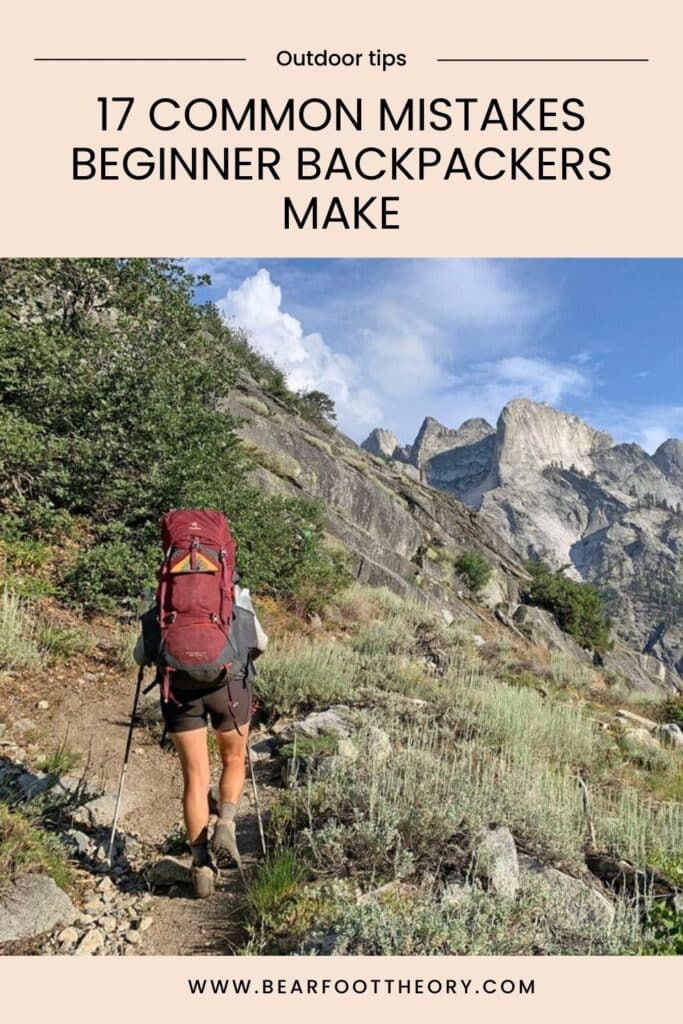
Credit: bearfoottheory.com
Water And Hydration
Water is essential for any outdoor activity. Staying hydrated keeps your energy up and your mind sharp. Many beginners overlook their water needs, risking dehydration and fatigue. Understanding proper hydration helps you enjoy your time outside safely.
Not Bringing Enough Water
Many beginners carry too little water for their trip. Outdoor activities often require more water than expected. Heat, sun, and exercise increase your body’s need for fluids. Running out of water can lead to dizziness and cramps. Always pack extra water beyond your planned usage.
Ignoring Hydration Needs
Some ignore their thirst until it becomes severe. Drinking only when very thirsty is too late. Your body needs regular water intake to function well. Sip water frequently, even if you don’t feel thirsty. This habit prevents dehydration and keeps your performance steady.
Weather Preparedness
Weather preparedness is essential for any outdoor activity. It protects you from sudden changes in temperature and unexpected storms. Being ready helps you stay safe and comfortable throughout your adventure.
Checking the weather forecast before you head out can save you from many problems. You avoid getting caught in rain or extreme heat. Planning your clothes and gear based on the weather makes your trip more enjoyable.
Skipping Weather Checks
Many beginners skip checking the weather. This mistake leads to surprises like rain or strong winds. Weather can change quickly, so always check forecasts before going outdoors. Use reliable sources to get accurate updates. Planning without this step can ruin your day and cause danger.
Dressing Inappropriately
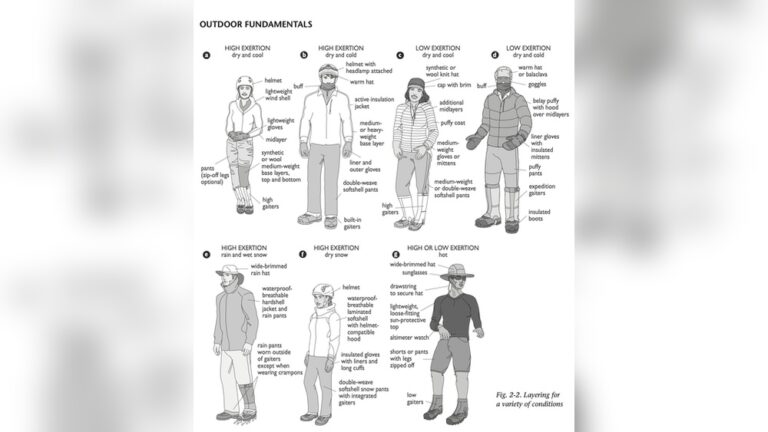
Wearing the wrong clothes is a common error. Heavy clothes in hot weather cause discomfort and overheating. Light clothes in cold weather lead to chills and sickness. Layering is a smart way to adjust to temperature changes. Choose breathable, moisture-wicking fabrics to stay dry. Proper footwear also protects your feet from injury and wet conditions.
Camp Setup Errors
Setting up camp is a crucial part of any outdoor trip. Mistakes during this stage can lead to discomfort and safety issues. Beginners often make simple errors that affect their entire experience. Learning to avoid these errors can make your time outdoors more enjoyable and safe.
Ignoring Site Preparation
Many beginners skip preparing the campsite properly. Clearing debris like sticks and rocks is important. These can damage your tent or cause discomfort while sleeping. Flattening the ground helps prevent rolling or sliding during the night. Taking time to prepare the site improves comfort and safety.
Overlooking Drainage
Ignoring drainage leads to water pooling under your tent during rain. Water can soak your gear and sleeping bag. Choose a spot that is slightly elevated or has natural slopes. Avoid valleys or low spots where water collects. Good drainage keeps your campsite dry and comfortable.
Choosing Poor Tent Locations
Picking the wrong tent spot causes many problems. Avoid areas under dead trees or branches that can fall. Stay away from open fields where wind is strong. Also, avoid places near animal trails or insect nests. A safe and sheltered location protects you from weather and wildlife.
Packing Mistakes
Packing for outdoor adventures can be tricky for beginners. Carrying too much or forgetting important items often causes problems. Proper packing saves energy, space, and stress during your trip.
Understanding common packing mistakes helps improve your outdoor experience. Focus on what to bring and what to leave behind. This way, your trip stays safe and enjoyable.
Overpacking Essentials
Many beginners pack too many items just in case. Extra weight tires you out faster and limits your movement. Choose versatile gear that serves multiple purposes. Avoid packing duplicates or non-essential items. Every ounce counts when hiking or camping. Pack light but smart to keep your load manageable.
Forgetting Key Gear
Forgetting crucial gear can spoil your trip quickly. Items like a map, water filter, or first aid kit are must-haves. Check your list twice before leaving. Essential gear protects you from unexpected problems. Missing key tools forces you to cut trips short or face danger. Always prioritize safety equipment over extras.

Credit: www.shutterbug.com
Hiking Pace And Planning
Proper hiking pace and planning set the foundation for a safe and enjoyable outdoor experience. Many beginners rush into hikes without clear plans or realistic timing. This often leads to exhaustion and frustration. Understanding how to pace yourself and prepare is essential for any level of hiker.
Setting Unrealistic Goals
Beginners often plan hikes that are too long or too fast for their fitness level. This causes early fatigue and may force them to cut the trip short. Setting smaller, achievable goals helps build stamina and confidence. Always allow extra time for breaks and unexpected delays.
Underestimating Trail Difficulty
Not all trails are the same. Some have steep climbs, rocky paths, or tricky terrain. Underestimating these challenges can lead to slow progress and safety risks. Research the trail ahead and choose one that matches your skill. This helps maintain a steady pace and reduces stress on the body.
Safety Oversights
Safety oversights pose serious risks for outdoor beginners. Many underestimate the need for clear emergency plans. Others wrongly believe help is always nearby. These mistakes can turn fun trips into dangerous situations. Understanding these risks improves your outdoor experience and keeps you safe.
Neglecting Emergency Plans
Failing to prepare an emergency plan is a common error. Always share your route and expected return time. Carry a whistle and a basic first aid kit. Know how to signal for help if lost or injured. Planning ahead reduces panic and speeds rescue efforts.
Assuming Easy Access To Help
Help may not arrive quickly in remote areas. Phone signals often fail where you hike or camp. Relying solely on a phone can be risky. Carry a map, compass, or GPS device. Learn basic survival skills to handle unexpected situations alone.
Navigation Errors
Navigation errors are common mistakes beginners make outdoors. They often lead to confusion and lost time. Being aware of these errors can keep you safe and confident on the trail. Understanding navigation basics is essential before you start your adventure.
Relying Solely On Technology
Many beginners trust GPS devices or smartphones too much. These gadgets can lose signal or run out of battery. Without a backup plan, you may get lost easily. Carry a physical map and compass as a safety net. Practice using them before your trip.
Ignoring Trail Markings
Trail markers guide hikers along the correct path. Some beginners overlook or miss these signs. Ignoring trail markings can lead you off track quickly. Pay close attention to colors, symbols, and signs on trees or rocks. Stay alert and follow the route carefully.
Food And Nutrition
Food and nutrition play a key role in outdoor adventures. Proper planning helps maintain energy and focus. Beginners often make common mistakes that affect their experience. Avoid these errors to enjoy your time outside fully.
Bringing Perishable Items
Perishable foods spoil quickly without proper storage. This can cause waste and health risks. Avoid packing fresh meat, dairy, or cut fruits unless you have a cooler. Choose dry or canned foods that last longer. This keeps your meals safe and easy to carry.
Not Packing Enough Calories
Outdoor activities burn more energy than usual. Beginners often underestimate their calorie needs. Pack enough food to fuel your body all day. Include snacks like nuts, granola bars, and dried fruit. These provide quick energy and keep hunger away.
Environmental Respect
Respecting the environment is key for every outdoor beginner. Nature offers beauty and peace. Protecting it ensures others enjoy it too. Simple habits can cause harm if ignored. Learning to respect nature helps keep it safe and clean for future visits.
Leaving Trash Behind
Trash harms animals and plants. Food wrappers, bottles, and cans spoil the landscape. They can take years to disappear. Always carry a bag for your trash. Pack out what you pack in. Leaving no litter shows respect for nature and other visitors.
Disturbing Wildlife
Wild animals need space to live calmly. Approaching or feeding them changes their natural behavior. It can make them dangerous or sick. Observe animals quietly from a distance. Do not touch or chase them. Protecting wildlife keeps the ecosystem balanced and safe.
Frequently Asked Questions
What Is The 70/30 Rule In Gardening?
The 70/30 rule in gardening means planting 70% edible plants and 30% flowers or decorative plants for balance and pest control.
What Are The Most Common Mistakes First Time Hikers Make?
Common first-time hiking mistakes include wearing improper footwear, underestimating water needs, ignoring weather forecasts, overplanning distance, and lacking essential gear.
What Is The Rule Of 3 In Landscaping?
The rule of 3 in landscaping groups plants or elements in odd numbers, usually threes, for visual balance and interest. It creates natural, appealing designs that draw the eye and enhance garden aesthetics. Using three varied plants or features adds rhythm and harmony to outdoor spaces.
What Is The 3-hour Gardening Rule?
The 3-hour gardening rule advises gardeners to spend at least three hours weekly maintaining plants. This boosts growth, controls weeds, and prevents pests effectively.
Conclusion
Avoiding common beginner outdoor mistakes makes your experience safer. Prepare well before heading out. Wear the right shoes and carry enough water. Check the weather to avoid surprises. Start with easy trails to build confidence. Respect nature and stay on marked paths.
Take your time and enjoy the journey. Learning from these tips helps you grow outdoors. Stay safe and have fun exploring the wild.

I am an outdoor enthusiast and gear researcher passionate about camping, hiking, backpacking, and outdoor adventures. I enjoy testing gear, comparing products, and sharing practical advice to help readers make informed decisions. At BestOutsideGear, I create honest gear reviews, buying guides, and outdoor tips to help adventurers choose the right equipment with confidence.