Top Benefits of Hydration Pack for Outdoor Adventures
Imagine never having to stop what you’re doing just to take a drink of water. Whether you’re hiking, biking, or hitting the trails, staying hydrated is key to keeping your energy and focus sharp.
That’s where a hydration pack comes in. It gives you easy, hands-free access to water whenever you need it, without slowing you down. But the benefits don’t stop there. From comfort and convenience to better weight distribution, a hydration pack can change the way you stay refreshed during your outdoor adventures.
Ready to discover why a hydration pack might be your new best gear? Keep reading to learn all the ways it can boost your performance and enjoyment.

Credit: www.amazon.com
Hydration Pack Basics
Understanding hydration pack basics helps you choose the right gear. These packs offer a simple way to stay hydrated during physical activities. You can drink water easily without stopping your exercise. Hydration packs are popular among hikers, runners, bikers, and outdoor lovers.
They combine water storage and lightweight backpacks. This design makes carrying water more comfortable and convenient. Let’s explore what hydration packs are and their common features.
What Is A Hydration Pack?
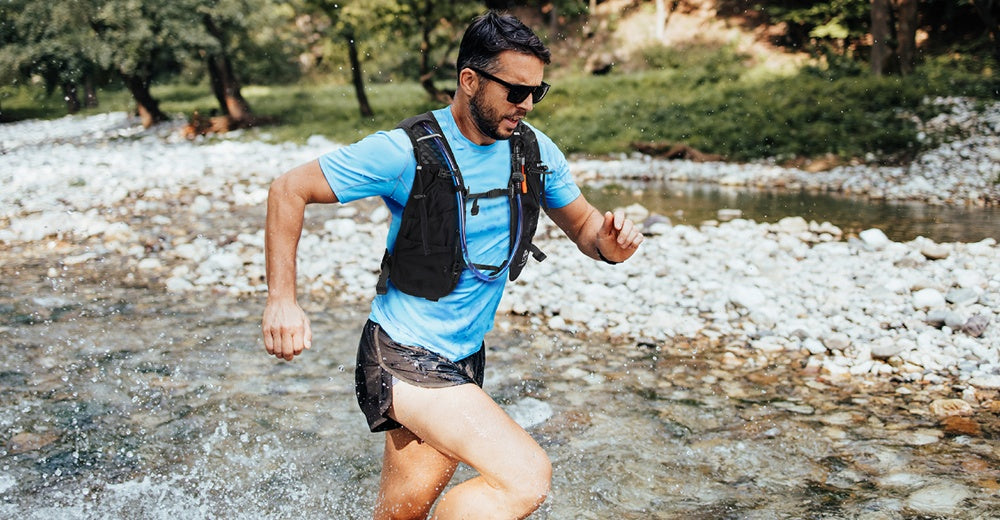
A hydration pack is a backpack with a water reservoir inside. The reservoir, or bladder, holds water for easy access. A tube runs from the bladder to the shoulder strap. This tube ends with a bite valve for drinking.
You sip water by biting the valve and sucking. This hands-free design lets you hydrate without slowing down. Hydration packs come in different sizes for short or long trips. Some hold just enough water for a quick run. Others carry several liters for long hikes or bike rides.
Common Features
Most hydration packs share similar features for convenience and comfort. They include a water bladder made of flexible, durable material. The bladder fits inside the pack and is easy to fill and clean.
The bite valve prevents leaks and controls water flow. Shoulder straps keep the pack secure and comfortable. Many packs have extra pockets for snacks, keys, or phones.
Some models have adjustable straps for a better fit. Lightweight materials help keep the pack easy to carry. Ventilated back panels improve airflow to reduce sweating. These features make hydration packs a practical choice for active people.
Credit: www.haimont.com
Performance Benefits
Hydration packs offer clear performance benefits for athletes and outdoor enthusiasts. They support better hydration habits and improve physical output. Staying hydrated helps maintain focus, strength, and stamina. The convenience of hydration packs encourages regular drinking, which boosts overall performance during activities.
Hands-free Hydration
Hydration packs let you drink without using your hands. The bite valve allows sipping while moving. This keeps your focus on the activity, not on holding a bottle. It also reduces interruptions during sports or hiking. Hands-free hydration saves time and energy.
Consistent Fluid Intake
Hydration packs make it easy to drink small amounts often. This steady fluid intake prevents dehydration better than large, infrequent drinks. The tube and valve system remind you to sip regularly. Consistent hydration supports body functions and keeps you feeling good. It also lowers the risk of cramps and fatigue.
Improved Endurance
Proper hydration helps muscles work longer and recover faster. Hydration packs help maintain fluid levels during long activities. This improves endurance and delays tiredness. When your body stays hydrated, it performs at a higher level. You can push farther and enjoy your activity more.
Health Advantages
Hydration packs offer several health advantages that enhance your physical and mental well-being. Staying hydrated supports vital body functions and helps maintain overall health during physical activities. These packs make it easier to drink water regularly without interrupting your movement.
Preventing Dehydration
Hydration packs help prevent dehydration by providing easy access to water. You can take small sips often, keeping your body hydrated throughout the day. This steady water intake avoids sudden drops in energy and reduces the risk of heat-related illnesses.
Supporting Muscle Function
Water is essential for proper muscle function. Hydration packs allow athletes to maintain fluid balance, which helps muscles work efficiently. Staying hydrated reduces cramps and muscle fatigue during exercise or outdoor activities.
Boosting Mental Focus
Dehydration can cause tiredness and reduce concentration. Using a hydration pack ensures you drink enough water to keep your brain sharp. This improves alertness, reaction time, and overall mental performance during physical tasks.

Credit: www.226ers.com
Comfort And Convenience
Hydration packs offer unmatched comfort and convenience for outdoor activities. They keep water accessible without interrupting your movement. Their design focuses on making hydration easy and gear management simple.
Comfort and convenience combine to enhance your experience. You carry water and essentials without strain. This helps maintain focus and energy during your adventure.
Weight Distribution
Hydration packs place water weight close to your back. This balanced load reduces shoulder and arm strain. It prevents discomfort often caused by carrying bottles in hand or pockets. Even on long trips, you feel less tired. The pack’s snug fit stops it from bouncing or shifting. This stability keeps your movement natural and free.
Versatile Storage Options
Besides water, these packs hold various small items. Pockets and compartments store snacks, keys, and phones safely. This means fewer stops to access your gear. Some packs include secure zippered sections for valuables. Easy access pockets let you grab items without removing the pack. You stay organized and prepared without extra hassle.
Activity-specific Designs
Hydration packs come in different shapes for different uses. Trail runners prefer lightweight, low-profile packs that don’t bounce. Cyclists choose aerodynamic designs that fit snugly and allow airflow. Hikers benefit from larger packs with extra storage and padding. Skiers use insulated packs to keep water from freezing. These specialized designs improve comfort and function for each activity.
Choosing The Right Pack
Choosing the right hydration pack matters for comfort and efficiency. A well-suited pack keeps you hydrated without slowing you down. It fits your body and holds enough water for your activity. Knowing what to consider helps you pick the best option. Focus on capacity, fit, and material. These factors affect your experience outdoors.
Capacity Considerations
Think about how much water you need on your trip. Short hikes may need less than long rides or runs. Packs come in sizes from one to three liters or more. Choose a size that matches your activity length and weather. Carrying too much weight can tire you quickly. Too little water can leave you thirsty and tired.
Fit And Adjustability
A hydration pack should feel snug but not tight. Adjustable straps help you get the perfect fit. Look for packs with chest and waist straps for extra support. A good fit stops the pack from bouncing while moving. It also keeps the weight evenly spread across your back. Try the pack on and move around before buying.
Material And Durability
Strong materials last longer and protect your gear. Look for water-resistant and tear-proof fabrics. Lightweight fabrics make carrying easier. Check the quality of the zippers and seams. Some packs have easy-to-clean bladders to keep water fresh. Durable packs stand up to rough trails and weather.
Maintenance Tips
Proper maintenance keeps your hydration pack clean and working well. It helps avoid bad smells and damage. Follow these simple tips to extend your pack’s life and enjoy fresh water every time.
Cleaning The Reservoir
Empty the reservoir after each use. Use warm water and mild soap to clean it. Avoid harsh chemicals that can damage the material. Use a brush or cleaning kit to reach all corners. Rinse thoroughly to remove soap residue. Clean the tube and bite valve too.
Drying And Storage
Dry the reservoir completely before storing it. Hang it upside down to let air circulate inside. Leave the tube and valve open to dry as well. Store the pack in a cool, dry place. Avoid folding the reservoir tightly to prevent creases.
Avoiding Mold And Odors
Clean your hydration pack regularly to prevent mold growth. Use a mixture of water and baking soda or lemon juice to remove odors. Drying the pack fully stops mold and mildew. Keep the reservoir open when not in use to keep it fresh. Replace the bite valve if it becomes smelly or worn out.
Common Drawbacks
Hydration packs offer many benefits, but they are not without some drawbacks. Understanding these common issues helps users make informed choices. These downsides do not overshadow the advantages but are important to consider for a better experience.
Monitoring Water Levels
Hydration packs hide the water inside a bladder. This makes it hard to see how much water remains. Users cannot easily track their water intake. Running out of water unexpectedly is a common risk. Some packs include external indicators, but many do not. This lack of visibility can disrupt hydration planning.
Cleaning Challenges
Cleaning hydration bladders is tricky compared to bottles. The narrow opening limits access inside. Residue and bacteria can build up if not cleaned well. Drying the bladder thoroughly takes time and care. Mold and unpleasant smells can develop from poor maintenance. Regular cleaning with special brushes or tablets is necessary.
Potential For Leaks
Leaks can occur in hydration packs, causing frustration. The bladder or hose may develop small holes or loose seals. Damage can happen from sharp objects or rough handling. Leaks may soak your gear and clothes. Checking seams and valves before each use reduces this risk. Carrying a backup water source is wise on long trips.
Hydration Packs For Different Activities
Hydration packs suit many activities by offering tailored features and comfort. Choosing the right pack enhances performance and enjoyment. Packs vary in size, weight, and storage options. Each activity demands specific design elements to meet unique needs.
Trail Running And Hiking
Hydration packs for trail running are lightweight and snug. They stay secure during fast movement. Packs often include small pockets for snacks and essentials. Hiking packs are larger with more storage space. They carry extra gear like maps, layers, and food. Both types keep water accessible without stopping.
Mountain Biking
Mountain biking packs focus on durability and protection. They have tough materials to resist tears and dirt. The design keeps water close to your back for balance. Many include compartments for tools and bike parts. Ventilation is important to keep the rider cool. Easy access to water supports long, intense rides.
Winter Sports
Winter sports packs are insulated to prevent freezing. They fit comfortably under bulky clothing. Hydration tubes often have bite valves that resist freezing. Packs allow athletes to drink without removing gloves. Storage space holds gloves, goggles, and safety gear. Staying hydrated keeps energy and warmth levels high.
Festivals And Commuting
Hydration packs for festivals are stylish and functional. They provide hands-free drinking in crowded spaces. Many have compartments for phones, wallets, and snacks. Commuter packs focus on slim design and comfort. They often include reflective details for safety. Easy access to water helps stay refreshed during busy days.
Frequently Asked Questions
Are Hydration Packs Good For You?
Hydration packs promote hands-free, consistent hydration during activities like hiking and biking. They improve comfort and weight distribution but require regular cleaning.
What Are The Disadvantages Of Using A Hydropack?
Hydropacks can be hard to monitor water levels and require frequent cleaning. Their tubes may leak or freeze in cold weather. Some users find them bulky or uncomfortable during extended use.
When Should I Take A Hydration Pack?
Take a hydration pack during long outdoor activities like hiking, biking, or running to stay hydrated hands-free. Use it in hot weather or when carrying extra gear. It supports frequent sipping, improves comfort, and distributes weight evenly, enhancing endurance and convenience on the trail.
How Long Will Water Stay Fresh In A Hydropack?
Water stays fresh in a hydropack for about 24 to 48 hours when kept cool and cleaned regularly. Drink or replace water within this time to avoid stale taste or bacteria growth.
Conclusion
Hydration packs make staying hydrated easy and convenient. They let you drink without stopping your activity. Carrying water close to your body feels comfortable and balanced. These packs also offer extra space for small items. Using one helps you drink more often and stay energized.
For outdoor fun or daily use, a hydration pack suits many needs. Simple to use, they support your health and activity. Consider adding one to your gear for better hydration.

I am an outdoor enthusiast and gear researcher passionate about camping, hiking, backpacking, and outdoor adventures. I enjoy testing gear, comparing products, and sharing practical advice to help readers make informed decisions. At BestOutsideGear, I create honest gear reviews, buying guides, and outdoor tips to help adventurers choose the right equipment with confidence.