How to Keep Food Safe While Camping: Essential Tips for Safety
Heading out on a camping trip means enjoying nature, fresh air, and great company. But have you thought about how to keep your food safe while camping?
Spoiled or contaminated food can quickly turn your adventure into a nightmare. Whether you’re cooking over a campfire or packing snacks for a hike, knowing the right tips and tricks to store and protect your food is essential. You’ll discover simple, effective ways to keep your meals fresh, avoid unwanted wildlife visitors, and prevent foodborne illnesses.
Stick with us—your taste buds and your health will thank you!
Credit: www.nps.gov
Food Storage Basics
Storing food properly is essential for safe camping. It helps keep food fresh and prevents sickness. Knowing the basics of food storage makes your trip more enjoyable. Simple steps can protect your meals from bugs, animals, and spoilage.
Choosing The Right Containers
Select containers that are airtight and sturdy. Plastic containers with tight lids keep air and moisture out. Avoid thin bags that can tear or leak. Use reusable containers to reduce waste and keep food secure. Clear containers help you see the contents quickly.
Using Coolers And Ice Packs
Coolers keep perishable foods cold and safe. Use ice packs instead of loose ice to avoid water damage. Ice packs stay frozen longer and prevent soggy food. Pack the cooler tightly to limit air space and keep it cold. Check the cooler regularly and replace ice packs as needed.
Organizing Food For Easy Access
Keep foods organized by type and use-by date. Place frequently used items on top. Store raw meats separately to avoid cross-contamination. Use small containers or bags for snacks to save space. Good organization helps you find food quickly and reduces the time the cooler stays open.
Keeping Food Cold
Keeping food cold is essential for safe camping meals. Cold temperatures slow down bacteria growth. This helps prevent foodborne illnesses. Proper cooling also keeps food fresh and tasty. Use the right tools and techniques to keep your food chilled. Follow simple steps for better food safety outdoors.
Selecting Effective Ice Packs
Choose ice packs that stay cold for many hours. Gel packs work well because they hold cold longer. Avoid regular ice that melts quickly and creates water. Look for reusable ice packs with thick gel inside. Freeze them fully before your trip. Pack several ice packs together for extra cooling power.
Avoiding Water Damage
Ice melts and creates water inside your cooler. Water can soak your food and ruin it fast. Use sealed ice packs to stop water from leaking. Keep food in waterproof bags or containers. Drain water from the cooler often to keep food dry. Place a towel at the bottom to absorb moisture.
Tips For Extended Cooling
Fill your cooler with ice packs before adding food. Pack food tightly to reduce air space and keep cold in. Open the cooler only when necessary to keep cold air inside. Store the cooler in shade away from direct sunlight. Add extra ice packs if camping for many days. Pre-chill drinks and food before packing to save ice.
Protecting Food From Wildlife
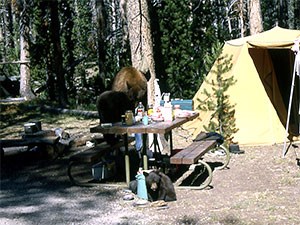
Keeping your food safe from wildlife is a key part of camping. Animals like bears and raccoons are attracted to food scents. Protecting your food helps keep animals safe and your supplies intact. Use proper storage tools and methods to avoid unwanted visitors at your campsite.
Bear-proof Storage Options
Choose containers designed to stop bears from getting your food. Hard-sided bear-proof lockers are great at campsites. These lockers lock securely and keep strong smells inside. They must be used whenever available to protect both campers and bears.
For backcountry trips, carry portable bear-proof containers. These are rigid and lock tightly. They keep your food safe and smell contained. Avoid using regular coolers or plastic bags, as bears can easily break them open.
Using Bear Canisters And Bags
Bear canisters are sturdy plastic or metal boxes. They are tested to resist bear attacks. Store all your food, trash, and scented items inside. Place the canister away from your tent, at least 100 feet.
Bear bags are strong, odor-proof sacks designed to hang your food. Use a high tree branch to suspend the bag. Hang it at least 10 feet off the ground and 4 feet from the trunk. This keeps food out of reach of bears and other animals.
Securing Food From Raccoons And Other Animals
Raccoons are clever and can open simple containers. Use sealed plastic or metal containers to keep food safe. Store all food items inside these containers when not in use.
Keep your cooking and eating area clean. Dispose of food scraps in wildlife-proof trash cans or pack them out. Avoid leaving any food or wrappers around your tent. This limits attraction and helps prevent visits from raccoons and other small animals.
Safe Food Handling Practices
Safe food handling practices are essential to avoid illness while camping. Outdoor conditions increase the risk of food contamination. Following simple steps helps keep your meals safe and enjoyable. Good habits protect you and your group from harmful bacteria.
Washing Hands And Utensils
Clean hands stop germs from spreading to food. Always wash your hands with soap and water before cooking. If water is scarce, use hand sanitizer with at least 60% alcohol. Clean utensils and cutting boards thoroughly before and after use. Avoid using the same tools for raw and cooked foods without washing them.
Separating Raw And Cooked Foods
Keep raw meat, poultry, and seafood separate from cooked foods. Use different containers or coolers for raw and cooked items. Always store raw foods below cooked foods in your cooler to prevent drips. This separation prevents bacteria from raw food contaminating ready-to-eat items.
Preventing Cross-contamination
Cross-contamination spreads germs from one food to another. Use separate cutting boards for vegetables and raw meat. Change gloves or wash hands between handling different foods. Avoid placing cooked food on plates that held raw meat. Clean all surfaces and utensils after each use to keep food safe.
Meal Planning And Packing
Proper meal planning and packing are crucial to keep food safe while camping. Thoughtful preparation reduces the risk of spoilage and contamination. It also helps manage space and weight, especially on longer trips. Careful selection and packaging protect food from insects, animals, and weather. This section covers key tips to plan meals and pack smartly for your camping adventure.
Choosing Non-perishable Foods
Select foods that last long without refrigeration. Canned goods, dried fruits, nuts, and jerky are good options. These items resist spoilage and stay safe in varied temperatures. Avoid fresh dairy, meat, and eggs unless you have a reliable cooler. Choose foods that are easy to store and carry. This choice simplifies meal prep and keeps your food fresh.
Prepping Meals In Advance
Prepare meals before your trip to save time and reduce waste. Cook and portion meals into airtight containers or freezer bags. Label each with the meal name and date. Prepping avoids messy cooking at the campsite. It also minimizes exposure of food to dirt and insects. Pack ready-to-eat or easy-to-heat meals for convenience.
Packing Smart For Trip Length And Group Size
Adjust food quantity and packaging based on trip duration and number of campers. Short trips need fewer meals and smaller portions. Longer trips require more variety and durable packaging. Use stackable containers to save space and keep food organized. Consider sharing bulk items among group members. Proper packing prevents crushing and contamination during travel.
Cooking And Serving Safely
Cooking and serving food safely while camping protects everyone from foodborne illness. Outdoor conditions can make it harder to keep food safe. Follow simple steps to prepare meals that stay safe and tasty. Proper cooking and clean serving prevent harmful bacteria from growing. Safe food habits reduce risks and ensure a great camping experience.
Maintaining Proper Cooking Temperatures
Cook all meats to the right temperature. Use a food thermometer to check. Poultry should reach 165°F (74°C), ground meats 160°F (71°C), and steaks or chops 145°F (63°C). Keep hot foods hot above 140°F (60°C). Do not eat undercooked meat or eggs. Proper heat kills bacteria and keeps food safe.
Using Clean Cooking Equipment
Wash all cooking tools before and after use. Use clean water and soap if possible. Avoid using dirty utensils or plates for cooked food. Keep cutting boards separate for raw and cooked items. Use disposable wipes or hand sanitizer when water is limited. Clean equipment stops cross-contamination and food poisoning.
Storing Leftovers Correctly
Cool leftovers quickly and store in sealed containers. Keep them in a cooler with ice packs below 40°F (4°C). Do not leave leftovers out for more than two hours. Reheat leftovers to 165°F (74°C) before eating. Proper storage stops bacteria from growing and spoiling food.
Tips For Long Camping Trips
Long camping trips require careful planning to keep food fresh and safe. Proper storage and handling prevent spoilage and foodborne illnesses. Knowing how to manage your supplies helps you enjoy meals without worry.
Rotating Food Supplies
Use older food first to avoid waste. Place new items behind older ones in your cooler or storage box. Check your supplies daily and remove any spoiled food. This method keeps your food fresh throughout the trip.
Refreshing Ice And Cooling Methods
Replace ice packs regularly to maintain a cold environment. Use sealed ice packs instead of loose ice to avoid water damage. Store food in airtight containers to protect from moisture. Coolers with good insulation keep food cold longer.
Adjusting Storage For Changing Weather
Monitor the weather forecast during your trip. In warmer weather, increase ice replacement frequency. In cooler weather, ensure food is protected from freezing. Use shade or windbreaks to help maintain stable temperatures for your food.

Credit: coremountaineering.com
Avoiding Common Food Safety Mistakes
Camping is fun, but food safety is crucial. Avoiding common mistakes helps prevent illness and wildlife problems. Keep your food safe by following simple rules. These tips protect your meals and make your trip better.
Leaving Food In Tents
Never store food inside your tent. Food smells attract animals and insects. This can create danger and mess. Store food in sealed containers or coolers outside the tent. Use bear-proof lockers or hang food high in trees if in bear country. Keep your sleeping area free of food to stay safe.
Using Loose Ice Instead Of Ice Packs
Loose ice melts quickly and makes water inside the cooler. Wet food spoils faster and can cause contamination. Ice packs stay cold longer and keep food dry. Use sealed ice packs to maintain proper temperatures. This helps your food last longer and stay fresh.
Ignoring Wildlife Precautions
Wild animals are attracted to food smells. Leaving food unsecured invites visits from bears, raccoons, and other creatures. Always store food in bear-proof containers or hang it away from your campsite. Clean up food scraps and trash immediately. These steps keep animals away and protect your food supply.

Credit: www.maplelakes.com
Frequently Asked Questions
What Is The 200 Rule For Camping?
The 200 rule for camping means keeping food and scented items at least 200 feet away from your sleeping area to avoid attracting wildlife. This helps protect campers and prevents animals from accessing your food safely. Always store food securely and follow local guidelines.
What Food Lasts Longest Without Refrigeration?
Dried beans, rice, honey, hard grains, and canned goods last longest without refrigeration. They resist spoilage and keep well.
How Can Campers Protect Their Food From Raccoons?
Store food in sealed, raccoon-proof containers or coolers. Hang food bags high on trees away from the campsite. Dispose of trash promptly in secure bins. Avoid leaving any food or scraps inside tents. Keep the cooking area clean to prevent attracting raccoons.
How To Protect Food From Bears When Camping?
Store food in bear-proof containers, hang it high from trees, and keep cooking areas clean. Avoid storing food inside tents. Dispose of trash properly away from campsites to prevent attracting bears.
Conclusion
Keeping food safe while camping protects your health and enhances your trip. Always store food properly in coolers or sealed containers. Avoid leaving food inside tents to prevent animals from entering. Use bear-proof storage if camping in wildlife areas. Clean hands and utensils before handling food.
Check food regularly to keep it fresh. These simple steps help you enjoy tasty, safe meals outdoors. Stay cautious, stay healthy, and have fun camping!

I am an outdoor enthusiast and gear researcher passionate about camping, hiking, backpacking, and outdoor adventures. I enjoy testing gear, comparing products, and sharing practical advice to help readers make informed decisions. At BestOutsideGear, I create honest gear reviews, buying guides, and outdoor tips to help adventurers choose the right equipment with confidence.