How to Read Trail Signs | Pro Tips for Safe Hiking
When you hit the trail, knowing how to read trail signs isn’t just helpful—it’s essential. These simple markers guide you through twists and turns, keep you on the right path, and help you avoid getting lost.
But if you’ve ever found yourself confused by colors, shapes, or strange symbols on trees and posts, you’re not alone. Understanding what each blaze and sign means can transform your hiking experience, giving you confidence and peace of mind every step of the way.
In this guide, you’ll learn how to quickly and easily read trail signs so you can focus on enjoying your adventure without worry. Ready to become a trail-reading pro? Let’s dive in.
Credit: grimworkshop.com
Trail Markers Basics
Trail markers are essential tools for safe hiking and navigation. They guide hikers through forests, mountains, and parks. Understanding these markers helps prevent getting lost. Trail markers use simple signs and colors that anyone can learn quickly.
Purpose Of Trail Markers
Trail markers show the correct path to follow. They mark where a trail begins and ends. Markers also warn about intersections or changes in direction. Some markers indicate special sites or hazards nearby. Their main role is to keep hikers on track and safe.
Common Marker Types
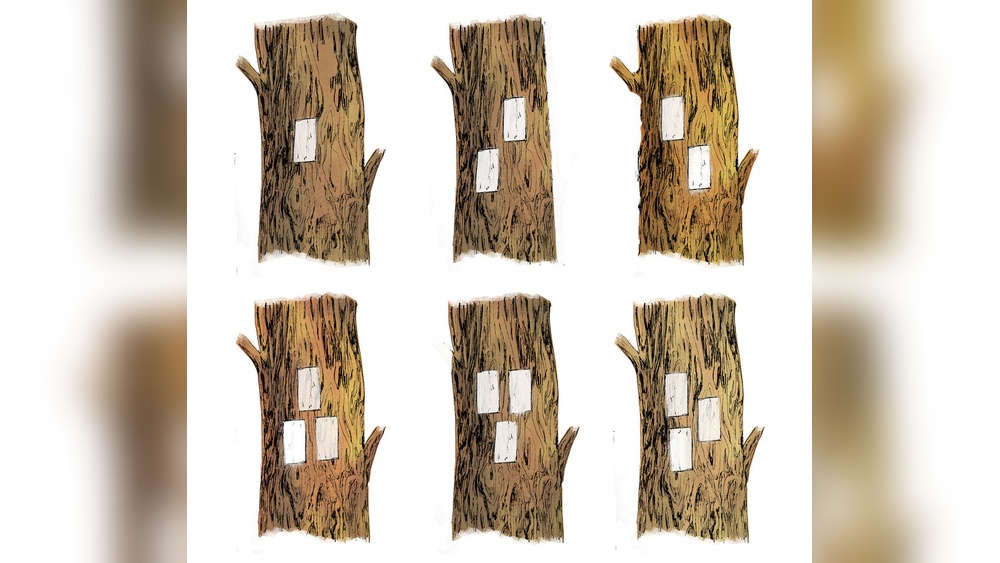
Blazes are the most common trail markers. They are painted rectangles on trees or rocks. A single blaze means keep going straight. Two blazes stacked usually mean turn or junction ahead. Arrows point the way clearly at trail splits.
Signs with symbols or colors guide hikers on specific routes. Colors often represent different trails or difficulty levels. Some trails use metal or wooden signs with maps or rules. Reflective markers help hikers find trails at night.

Credit: www.quicksilver-products.com
Color Codes And Their Meanings
Trail signs use color codes to help hikers find and follow paths easily. Each color tells you about the type of trail and its difficulty or purpose. Learning these colors makes hiking safer and more enjoyable. Recognizing colors quickly helps you stay on the right route without confusion.
Identifying Trails By Color
Trail colors often show the trail’s difficulty or category. Green usually means easy or beginner trails. Blue marks moderate trails that need some skill. Red or black often shows hard or expert-level trails. Some parks use special colors for nature walks or historical paths. Always check local guides for specific color meanings in your area.
Spur And Main Trail Colors
Main trails usually have bright colors like blue or red. These are the primary routes that cover long distances. Spur trails branch off from main trails and often use white or yellow colors. Spurs lead to viewpoints, campsites, or other points of interest. Following these colors helps you know if you stay on the main path or take a side trail.
Blaze Patterns And Directions
Blaze patterns guide hikers through trails and help avoid getting lost. These painted marks on trees or rocks show the path and important directions. Learning to read blaze patterns makes hiking safer and more enjoyable. Understanding single, double, and triple blazes tells you where to go and what to watch for.
Single Blaze: Go Straight
A single blaze is a simple, vertical paint mark. It means keep moving straight on the trail. This mark confirms you are on the right path. Do not turn or stop unless you see another blaze that says otherwise. Single blazes are the most common trail markers.
Double Blaze: Turns And Intersections
Two blazes stacked vertically or slightly offset mean a change is ahead. If the top blaze is shifted, it points to the direction of the turn. Right-shifted blazes indicate a right turn, left-shifted blazes mean a left turn. Double blazes warn of intersections or trail forks. Pay close attention to avoid going the wrong way.
Triple Blaze: Trailheads And Special Warnings
Three blazes stacked vertically signal important points on the trail. They often mark trailheads, where a trail begins or ends. Triple blazes can also warn of special conditions or hazards. Look carefully for signs or maps near triple blazes. They provide key information for your hike.

Credit: howtowilderness.com
Reading Trail Signs For Navigation
Reading trail signs is key to safe hiking and easy navigation. These signs give clear guidance about the path ahead. They help avoid confusion and keep hikers on the right track. Understanding trail signs improves your outdoor experience and confidence.
Interpreting Arrows And Symbols
Arrows on trail signs point the way to follow. A straight arrow means continue forward. A left or right arrow shows a turn. Sometimes, arrows appear with other symbols like circles or triangles. These shapes mark different trails or difficulty levels. Learning these symbols helps you pick the right trail quickly.
Some signs use icons to show important features. For example, a water drop means a water source nearby. A tent symbol marks a campsite. A picnic table icon points to rest areas. Recognizing these signs saves time and energy.
Numbers And Letters On Markers
Trail markers often include numbers or letters. Numbers usually identify specific trails or segments. They help track your progress along the route. Letters can show trail types or difficulty grades. For example, “A” might mean an easy path, while “C” is harder.
Markers with numbers or letters help hikers communicate their location. If you need help, you can share the marker code with rescuers. Always note these markers as you walk. They serve as useful checkpoints on longer hikes.
Trail Sign Categories
Trail signs help hikers navigate paths safely and enjoy their outdoor experience. These signs fall into four main categories. Each type serves a unique purpose. Knowing these categories makes reading trail signs easier. It also keeps you safe and on the right path.
Regulatory Signs
Regulatory signs tell hikers what they must or must not do. They include rules like no camping, no fires, or stay on the trail. These signs help protect nature and keep all visitors safe. Always follow regulatory signs to avoid fines and accidents.
Warning Signs
Warning signs alert hikers to dangers ahead. They may warn about steep drops, slippery rocks, or wildlife. These signs prepare you to be cautious. Pay close attention to warning signs to avoid injuries and hazards.
Wayfinding Signs
Wayfinding signs guide hikers along the trail. They show directions, distances, and trail names. These signs often include arrows or symbols. They help you stay on the right route and reach your destination safely.
Interpretive Signs
Interpretive signs teach about nature, history, or culture nearby. They explain plants, animals, or landmarks along the trail. These signs make hiking more interesting and educational. Stop and read them to learn more about your surroundings.
Using Trail Signs For Safety
Trail signs play a crucial role in keeping hikers safe during their adventures. They provide important information about the terrain, directions, and potential dangers. Understanding how to read these signs helps prevent accidents and ensures a smoother journey. Using trail signs for safety means paying close attention to warnings and staying on the correct paths. This practice reduces the risk of getting lost or facing unexpected hazards.
Recognizing Hazard Warnings
Trail signs often include symbols or colors that warn about dangers ahead. These hazards can include steep drops, slippery rocks, or wildlife activity. Spotting these warnings early helps hikers prepare and avoid risky areas. Always stop and read these signs carefully. They might also give advice on how to proceed safely. Ignoring hazard warnings increases the chance of injury or accidents.
Staying On Marked Paths
Marked trails are designed to guide hikers safely through the area. Straying from these paths can lead to dangerous terrain or get hikers lost. Trail signs mark the official route with colors, shapes, or symbols. Following these markers keeps hikers on safe ground and protects the environment. Staying on marked paths also helps rescue teams find you if needed. Trust the signs and avoid shortcuts or unmarked routes.
Tips For Trail Sign Reading
Reading trail signs correctly keeps you safe and on the right path. These signs give clues about directions, distances, and trail conditions. Learning to read them well improves your hiking experience.
Use these tips to understand trail signs better. They help you stay on track and enjoy your hike without confusion.
Checking Signs Regularly
Look for trail signs often during your hike. Signs may appear after turns or at trail junctions. Missing a sign can lead to getting lost. Stop briefly to read each sign carefully. Pay attention to colors and symbols. They tell you which trail to follow. Check signs even on familiar paths. Trails can change due to weather or maintenance.
Combining Signs With Maps And Gps
Use trail signs along with maps or GPS devices. Maps show the whole trail layout and important landmarks. GPS helps confirm your location in real time. Signs give immediate directions and warnings. Together, they reduce the risk of errors. Make sure your map matches the trail signs’ colors and symbols. Carry a physical map as backup if your device runs out of battery. Use GPS to track progress between signs. This combination helps you hike confidently and safely.
Frequently Asked Questions
How To Read Trail Trees For Beginners?
Read trail trees by observing colored blazes painted on bark. A single blaze means go straight; stacked or offset blazes signal turns or intersections. Colors identify specific trails. Use these markers to navigate and stay on the correct path safely.
What Do The Colors Of Trail Markers Mean?
Trail marker colors identify different trails or difficulty levels. Commonly, green means easy, blue moderate, and black difficult. Colors guide hikers on route and safety.
What Are The Trail Color Codes?
Trail color codes indicate difficulty and type: green for easy, blue for moderate, black for difficult, and red for alternate or connecting trails.
How To Read A Trail?
Read a trail by identifying trail marker colors or shapes. A single blaze means go straight. Stacked or offset blazes signal turns or intersections. Follow these signs to stay on the correct path and navigate junctions safely.
Conclusion
Reading trail signs helps you stay safe and enjoy nature confidently. Watch for colors and shapes to know your path. Single blazes mean go straight, stacked ones show turns. Use these simple clues to avoid getting lost. Practice noticing signs on easy hikes first.
Soon, reading trail markers will feel natural. Keep your eyes open and trust the signs. Enjoy every step of your outdoor adventure!

I am an outdoor enthusiast and gear researcher passionate about camping, hiking, backpacking, and outdoor adventures. I enjoy testing gear, comparing products, and sharing practical advice to help readers make informed decisions. At BestOutsideGear, I create honest gear reviews, buying guides, and outdoor tips to help adventurers choose the right equipment with confidence.