How to Prevent Blisters Hiking | Best Tips for Pain-Free Trails
Blisters can quickly turn an exciting hiking adventure into a painful struggle. If you’ve ever felt that irritating hot spot on your foot while hitting the trail, you know how important it is to stop blisters before they start.
The good news? You don’t have to suffer through blisters to enjoy your hike. By learning some simple yet effective prevention techniques, you can protect your feet, stay comfortable, and keep moving forward with confidence. In this guide, you’ll discover easy-to-follow tips on choosing the right footwear, managing moisture, and shielding your skin from friction, so you can spend more time exploring and less time dealing with painful blisters.
Keep reading to find out how you can hike blister-free every time.
Choosing The Right Footwear
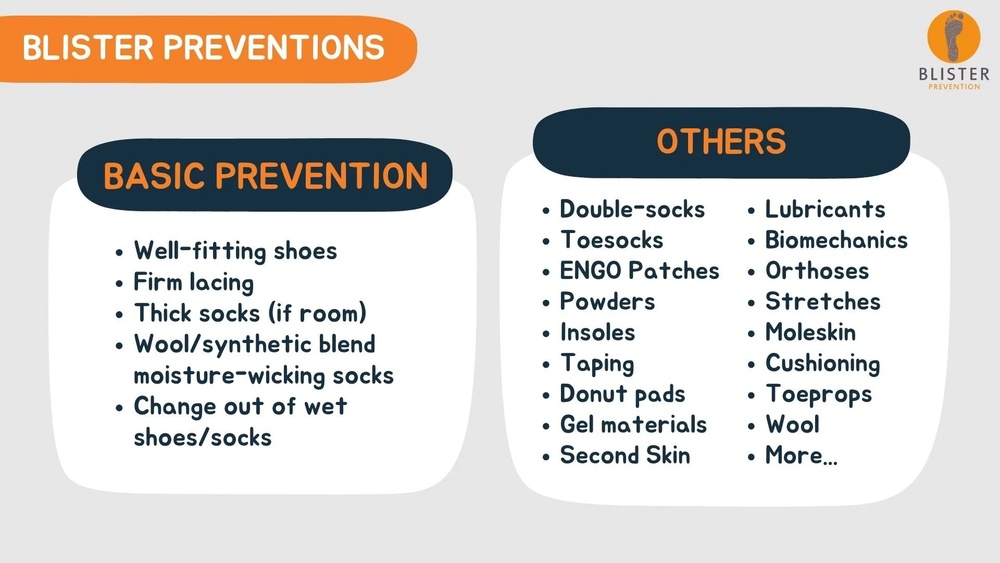
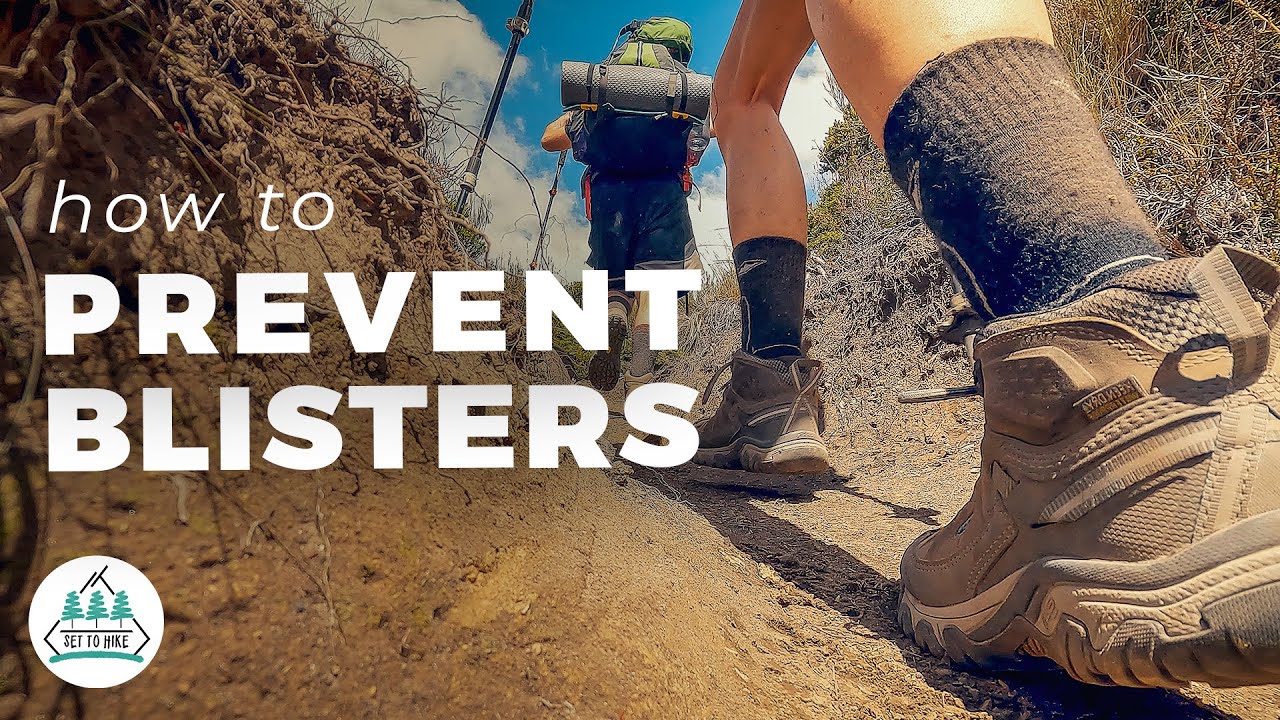
Choosing the right footwear plays a key role in preventing blisters during hiking. Ill-fitting shoes cause friction and pressure points. This can lead to painful blisters that spoil your adventure. Selecting shoes that match your feet and hiking style reduces these risks. Comfort and support matter most for blister prevention.
Proper Fit And Break-in
Shoes must fit snugly without squeezing your feet. Too tight or too loose shoes increase friction. Try shoes with enough room to wiggle your toes. Check for any spots that feel tight or rub. Walk around indoors to test the fit before hitting trails.
Breaking in new footwear helps soften materials and molds shoes to your feet. Wear new boots or shoes for short walks first. Gradually increase wear time over several days. This prevents stiff shoes from causing blisters on long hikes.
Boots Vs. Shoes For Hiking
Boots offer ankle support and protect from rough terrain. They suit rugged trails and heavy loads. Choose lightweight boots to avoid overheating and excess weight. Properly fitted boots reduce foot movement inside, lowering blister risks.
Hiking shoes are lighter and more flexible than boots. They work well on easy to moderate trails. Shoes dry faster and breathe better, keeping feet drier. Drier feet have less chance of blister formation.
Pick boots for tough hikes and shoes for casual trails. Match your footwear type to trail difficulty and weather conditions. This choice impacts your comfort and blister prevention success.
Credit: www.youtube.com
Selecting Socks That Protect
Choosing the right socks plays a big role in preventing blisters while hiking. Socks act as a barrier between your feet and shoes. They reduce friction and keep your feet comfortable on long walks. Picking socks made from the right materials and designs helps stop blisters before they start.
Moisture-wicking Materials
Socks made from moisture-wicking fabrics pull sweat away from your skin. This keeps your feet dry and less likely to develop blisters. Materials like polyester, nylon, and merino wool work well. Avoid cotton socks because they hold moisture next to the skin. Dry feet reduce friction and lower the chance of skin irritation.
Double Layer And Toe Socks
Double layer socks have two fabric layers that slide against each other. This design cuts down friction on your skin. The inner layer stays close to your foot while the outer layer moves with your shoe. Toe socks separate each toe, preventing skin from rubbing together. Both types help keep hot spots from turning into painful blisters.
Reducing Friction On Hot Spots
Reducing friction on hot spots is key to stopping blisters before they start. Hot spots feel like burning or sore areas on your feet during a hike. These spots happen when skin rubs against socks or shoes too much. Taking quick action to reduce friction helps protect your skin. Simple tools and tricks can ease the rubbing and keep your feet comfortable.
Applying Lubricants And Petroleum Jelly
Lubricants like petroleum jelly create a smooth layer on your skin. This layer helps reduce rubbing between your skin and socks. Apply a thin coat on hot spots before putting on socks. Reapply during long hikes if needed. Lubricants keep skin from drying and cracking. They also lower the chance of blisters forming. Use products designed for skin to avoid irritation.
Using Moleskin And Athletic Tape
Moleskin is a soft, thick fabric with adhesive on one side. Cut a piece larger than the hot spot and stick it on your skin. It cushions and protects the area from friction. Athletic tape works well to secure moleskin or cover small hot spots. Wrap tape gently around toes or heels. Avoid tight wrapping to keep blood flowing. Both moleskin and tape add a strong barrier. They stop skin from rubbing against boots or socks.
Managing Moisture Effectively
Managing moisture is crucial to prevent blisters during hiking. Moisture softens the skin and increases friction, causing painful blisters. Keeping feet dry helps maintain skin strength and reduces rubbing. Simple steps can control moisture and protect your feet on the trail.
Changing Socks Regularly
Switching to dry socks often is a simple way to manage moisture. Wet socks trap sweat and water, making feet slippery inside the shoes. Carry extra pairs on your hike. Change socks during breaks or whenever your feet feel damp. Dry socks keep feet comfortable and lower blister risks.
Using Foot Powder Wisely
Foot powder absorbs sweat and reduces moisture. Sprinkle powder inside your socks and shoes before hiking. Use powders made for athletes or hikers for best results. Avoid overusing powder as it can build up and cause irritation. Proper use keeps feet dry and skin firm against friction.
Early Action On Hot Spots
Early action on hot spots is crucial to stop blisters from forming during hikes. Hot spots feel like tender or burning areas on your feet. These spots show where friction and pressure damage the skin. Acting fast can prevent pain and keep your hike enjoyable.
Recognizing Signs Of Blister Formation
Notice any redness, soreness, or warmth on your skin. These signs often appear before a blister forms. Pay attention to areas where your shoes rub the most. Hot spots usually feel tender or itchy. Checking your feet regularly helps catch these signs early.
Covering And Protecting Vulnerable Areas
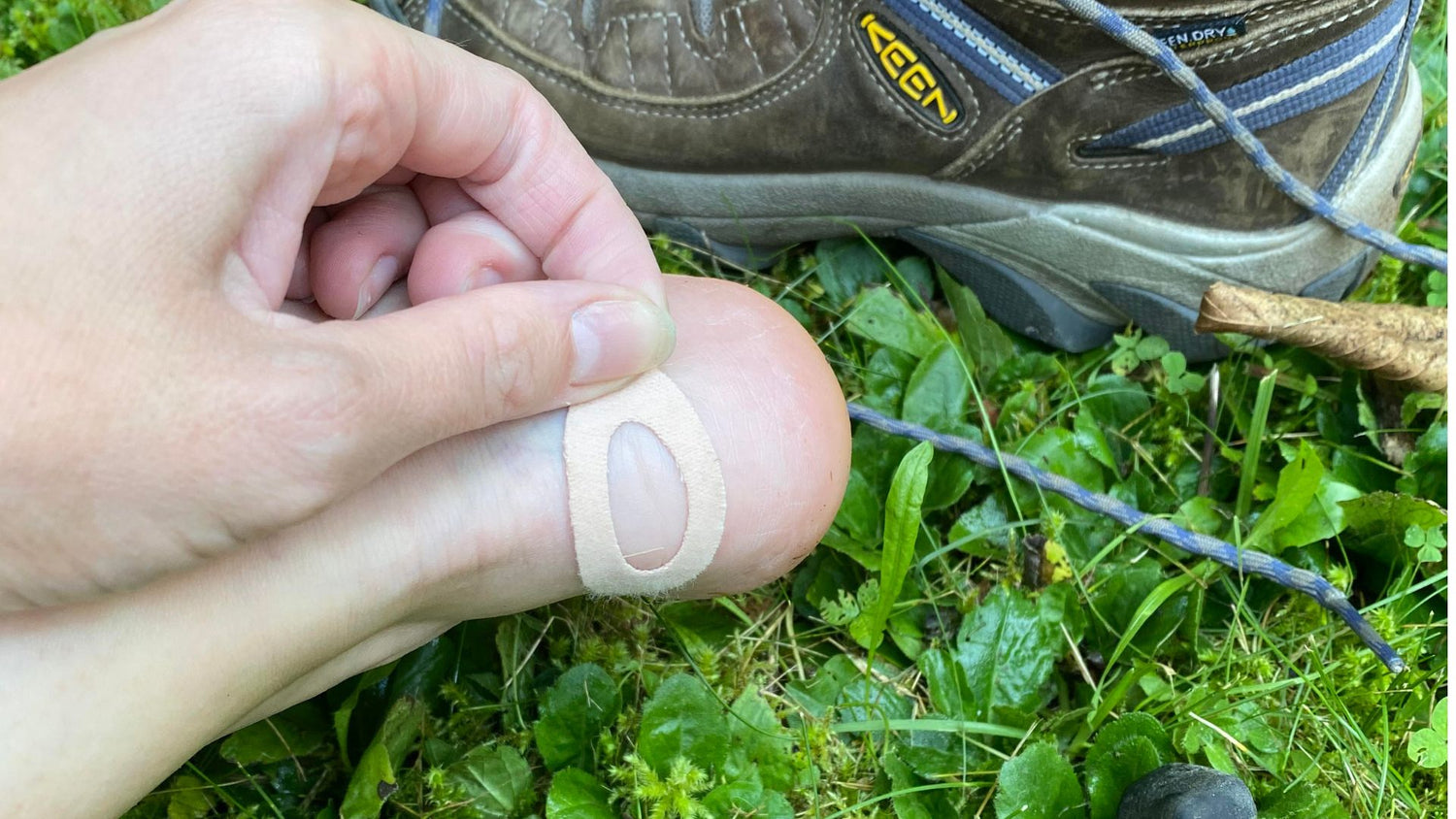
Once you find a hot spot, cover it with a protective layer. Use blister pads, moleskin, or adhesive bandages. These reduce friction and protect the skin. Applying petroleum jelly can also lower rubbing. Change coverings if they get wet or loose. Proper protection stops blisters from growing and keeps you moving.
Credit: adventuremedicalkits.com
Specialized Blister Prevention Gear
Specialized blister prevention gear helps protect your feet during long hikes. This gear reduces friction and cushions sensitive areas. Using the right products can stop blisters before they start. It supports comfort and keeps your hike enjoyable.
Blister Bandages And Patches
Blister bandages cover hot spots and protect skin from rubbing. They stick well and stay in place through sweat and movement. These patches create a barrier that reduces friction. Some bandages also cushion the skin, easing pressure. Applying them before hiking prevents blisters from forming.
Choose bandages made for blisters, not regular adhesive ones. They have special padding to protect tender skin. Replace bandages if they get wet or dirty. This keeps your feet safe and dry.
Supportive Insoles And Footwear Accessories
Supportive insoles add comfort and reduce foot fatigue on trails. They help keep feet stable inside boots or shoes. Insoles with extra padding lower pressure points that cause blisters. Some insoles also improve foot alignment, reducing friction spots.
Footwear accessories like heel grips and tongue pads improve shoe fit. They stop your feet from sliding, which cuts down rubbing. Using these accessories can prevent blisters in tricky areas. Proper fit and support work together to protect your feet.
Hand And Other Body Areas Care
Caring for your hands and other body areas is key to preventing blisters during hikes. These spots often face friction and pressure from gear and movement. Proper protection reduces pain and keeps your skin healthy. Simple steps can make a big difference in comfort and safety on the trail.
Wearing Gloves To Prevent Friction
Gloves shield your hands from rubbing against poles, ropes, or rough surfaces. They create a barrier that lowers friction and stops blisters from forming. Choose gloves made of breathable, soft materials that fit well. Avoid gloves that are too tight or loose, as they can cause more irritation. Lightweight hiking gloves also help absorb sweat, keeping your skin dry and less prone to blisters.
Protecting Other Common Blister Sites
Besides hands, areas like the wrists, elbows, and shoulders can develop blisters from backpack straps. Use padded or adjustable straps to reduce pressure points. Consider applying thin bandages or blister pads to spots where straps rub your skin. Check these areas regularly during your hike to spot early signs of irritation. Keeping skin clean and dry also helps prevent blister formation on these common trouble spots.
Common Myths And Mistakes
Many hikers face blisters despite their best efforts. This happens because of common myths and mistakes. Believing wrong advice can make blisters worse. Knowing the facts helps prevent painful blisters on the trail.
Why Duct Tape Can Cause Blisters
Duct tape looks like a quick fix for blisters. It is strong and sticks well. But duct tape is not flexible. When your foot moves, the tape creases. These creases cause friction against your skin.
This friction can lead to blisters or make existing ones worse. The tape may also trap sweat. Moisture softens skin and makes blisters more likely. Specialized sports tapes are better for blister prevention.
Avoiding Cotton Socks
Cotton socks feel soft but cause problems when hiking. Cotton absorbs sweat and holds moisture close to your skin. Wet skin is weaker and more prone to blisters.
Synthetic or wool socks wick moisture away. They keep your feet dry and reduce friction. Many hikers wear two pairs of socks for extra protection. Avoid cotton socks to keep your feet healthy on long hikes.

Credit: www.cloudlineapparel.com
Frequently Asked Questions
Does Putting Vaseline On Your Feet Prevent Blisters?
Applying Vaseline on feet reduces friction and helps prevent blisters during activities like hiking or running. Rub it between toes and on hot spots before wearing socks. This lubricant creates a protective barrier, minimizing skin irritation and chafing effectively.
Does Duct Tape Prevent Blisters?
Duct tape does not effectively prevent blisters. It creases easily, increasing friction and causing blisters. Use flexible, skin-friendly tapes instead.
What Do Backpackers Use For Blisters?
Backpackers use blister-specific bandages like Blist-o-bans, benzoin, and Leukotape patches. They also apply petroleum jelly to reduce friction and protect hotspots.
What Is The Best Blister Prevention?
Wear well-fitting shoes and moisture-wicking socks. Apply petroleum jelly or moleskin on friction spots. Change socks if wet. Use protective bandages or tape on hot spots to prevent blisters effectively.
Conclusion
Preventing blisters makes hiking more comfortable and enjoyable. Wear well-fitting shoes and moisture-wicking socks. Apply petroleum jelly on friction points to reduce rubbing. Change socks if feet feel wet or sweaty. Cover hot spots early with bandages or tape. Break in new shoes before long hikes.
These simple steps help keep your feet healthy. Enjoy your trails without pain or interruption.

I am an outdoor enthusiast and gear researcher passionate about camping, hiking, backpacking, and outdoor adventures. I enjoy testing gear, comparing products, and sharing practical advice to help readers make informed decisions. At BestOutsideGear, I create honest gear reviews, buying guides, and outdoor tips to help adventurers choose the right equipment with confidence.