Safety Tips for Ultralight Tent: Essential Guide for Safe Camping
When you choose an ultralight tent, you’re likely valuing ease and speed on your outdoor adventures. But lighter gear can mean more delicate setups and extra risks if you’re not careful.
You want to enjoy your trip without worrying about your shelter failing when the weather turns or wildlife gets curious. That’s why knowing the right safety tips for your ultralight tent is essential. You’ll discover simple yet powerful ways to keep your tent secure, protect yourself from dangers like carbon monoxide, and avoid common mistakes that could ruin your trip.
Keep reading to make sure your ultralight tent stays a safe, reliable home no matter where you go.
Choosing Ultralight Tents
Choosing the right ultralight tent is key to a safe and enjoyable outdoor trip. Ultralight tents reduce pack weight, making hikes easier. Yet, they must still protect you from weather and insects. Balance is important. Understand what materials and designs work best for your needs. Consider how weight affects durability and protection. This guide helps you pick a tent that keeps you safe without adding extra pounds.
Materials And Durability
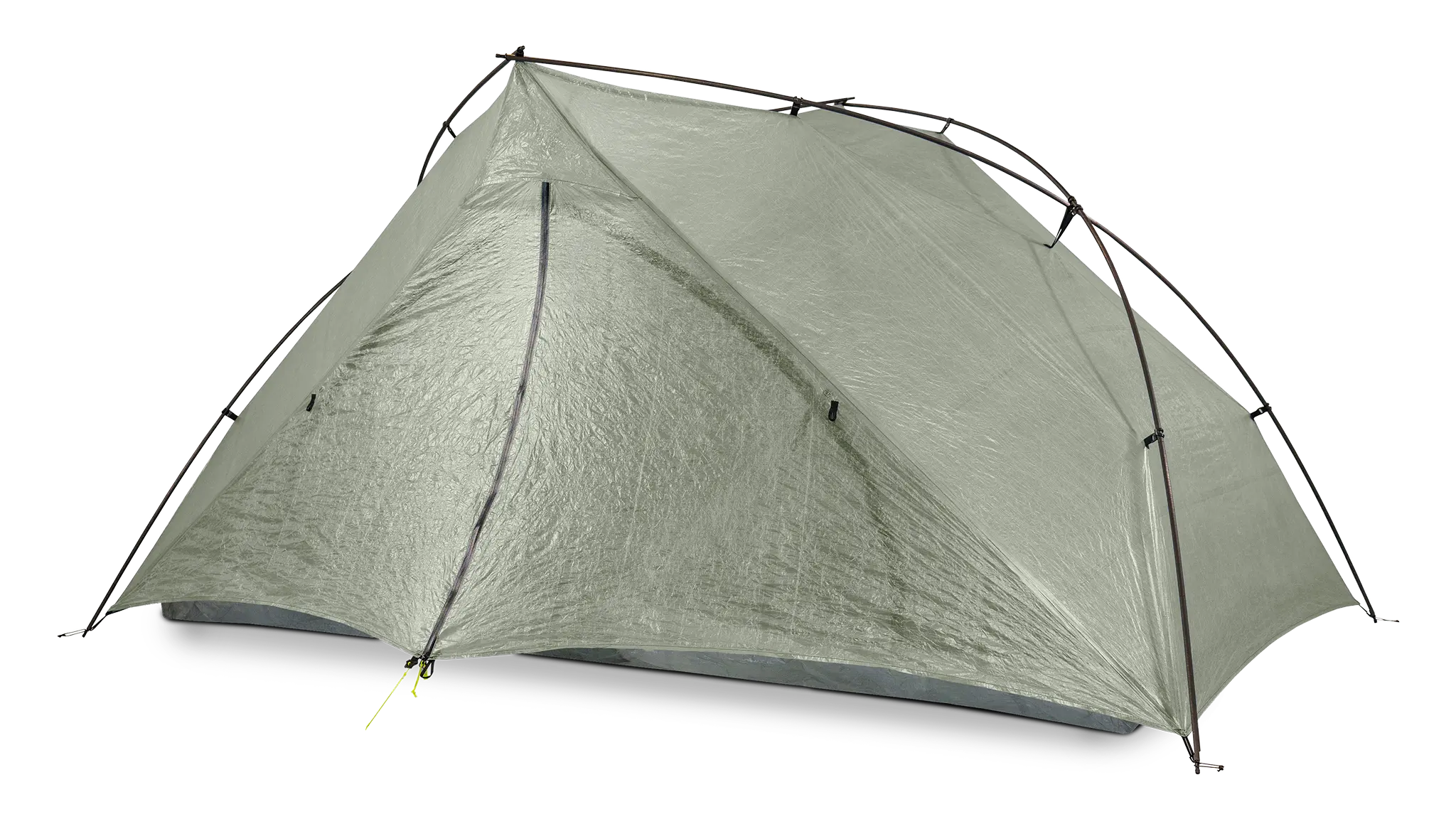
Ultralight tents use thin, lightweight fabrics like nylon or polyester. These materials resist water and tears but can be delicate. Look for tents with ripstop fabric to avoid big holes from small tears. Check the quality of tent poles, usually aluminum for lightness and strength. Durable zippers and reinforced seams add to the tent’s lifespan. A strong tent can handle wind and rain better, keeping you safe inside.
Tent Types And Designs
Different ultralight tent styles suit various trips. Single-wall tents are lighter but may cause more condensation inside. Double-wall tents have a rainfly, offering better weather protection. Freestanding tents are easy to set up and move but may weigh more. Non-freestanding tents save weight but need secure stakes. Choose a design that matches your hiking conditions and comfort needs. Proper tent choice reduces risks from weather and wildlife.
Weight Vs. Protection
Ultralight tents save weight but can cut back on protection. Very light tents might not hold up in strong winds or heavy rain. Heavier tents offer more shelter but add load. Find a balance that fits your trip’s difficulty and weather. Carrying a slightly heavier, tough tent is better than risking exposure. Always prioritize safety over minimal weight. Your tent is your shelter and shield outdoors.
Setting Up Safely
Setting up your ultralight tent safely is key for a secure and comfortable camping trip. It requires careful choices and attention to details. Proper setup protects you from weather and wildlife. Follow simple steps to keep your shelter stable and safe.
Selecting A Campsite
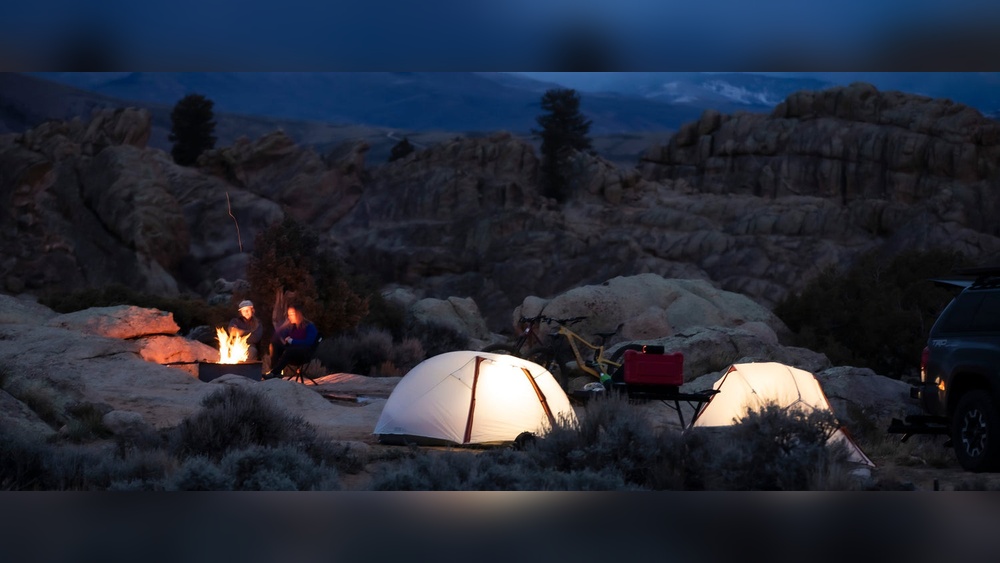
Pick a flat area free from rocks and roots. Avoid low spots where water can gather after rain. Look for natural windbreaks like bushes or trees. Steer clear of dead branches that could fall. Check the ground for ants or other insects.
Anchoring Techniques
Use all stakes provided with your tent to secure it firmly. Push stakes fully into the ground at a 45-degree angle. Tighten guylines to keep the tent taut. For soft or sandy soil, use longer or wider stakes. Carry extra cord or straps for added anchoring.
Handling Strong Winds
Face the narrow side of the tent into the wind to reduce resistance. Use extra guylines attached to sturdy anchors. Lower the tent height if adjustable. Avoid setting up near loose objects that wind could blow around. Regularly check tension and stake security during windy conditions.
Preventing Carbon Monoxide Risks
Carbon monoxide is a dangerous gas you cannot see or smell. It builds up quickly in small, enclosed spaces like ultralight tents. Preventing carbon monoxide risks is crucial for safe camping. Understanding how to avoid this hazard keeps you and your group safe.
Simple actions can stop carbon monoxide poisoning while using an ultralight tent. Learn key tips to protect yourself and enjoy your outdoor adventure worry-free.
Avoiding Indoor Cooking
Never use stoves or heaters inside your tent. Flames and fuel produce carbon monoxide. Cooking inside a tent traps the gas and creates a deadly situation. Always cook outside in open air. This reduces the risk of gas buildup and keeps the tent environment safe.
Proper Ventilation
Ventilation is vital to prevent carbon monoxide buildup. Keep tent windows or vents open to allow fresh air. Good airflow moves harmful gases outside. Even on cold nights, crack a vent to keep air moving. Proper ventilation lowers the chance of dangerous gas accumulation in your tent.
Limitations Of Detectors
Carbon monoxide detectors can help but have limits. Some models may not work well in outdoor tents. Batteries can die, or the device might fail without warning. Do not rely only on detectors for safety. Use safe cooking habits and ventilation first. Detectors are a backup, not a solution.
Credit: zpacks.com
Wildlife Safety
Camping with an ultralight tent offers freedom and ease, but wildlife safety is crucial. Animals are curious and can be attracted to your campsite by smells and food. Staying safe means respecting wildlife and keeping your tent area secure. Follow simple steps to protect yourself and the animals.
Food Storage Tips
Store food away from your tent to avoid attracting animals. Use airtight containers or odor-proof bags. Hang food high in a tree, at least 10 feet off the ground. Keep all trash and scraps sealed and packed out. Never keep food inside your tent, even snacks or toothpaste.
Bear-proofing Your Tent
Choose a campsite away from bear trails and berry patches. Use bear canisters or bear bags to store food safely. Set up your tent at least 100 yards from your food storage area. Keep your tent clean and free of food smells. Avoid cooking or eating inside or near your tent.
Avoiding Attracting Animals
Avoid strong-smelling toiletries near your tent. Store scented items like sunscreen and deodorant with your food. Cook and eat away from your sleeping area. Dispose of waste properly by packing it out. Keep your tent zipped closed to block animal scents and entry.
Maintaining Tent Integrity
Maintaining the integrity of your ultralight tent ensures it stays reliable and safe during every trip. Proper care extends its lifespan and keeps it weather-resistant. Small efforts in cleaning, protecting, and storing your tent make a big difference on the trail.
Cleaning And Waterproofing
Clean your tent after each use to remove dirt and debris. Use a soft brush or sponge with mild soap and water. Avoid harsh detergents that can damage the fabric.
Let the tent dry completely before packing it away. Apply a waterproof spray regularly to keep water from soaking in. This helps maintain the tent’s water resistance and prevents leaks.
Protecting From Damage
Set up your tent on flat, clear ground to avoid punctures. Remove sharp stones and sticks before pitching. Use a footprint or groundsheet to protect the tent floor.
Handle poles and zippers gently. Forcing them may cause tears or breaks. Repair small rips immediately with a patch kit to stop damage from spreading.
Proper Storage
Store your tent loosely in a cool, dry place. Avoid tight compression bags for long-term storage as they can weaken the fabric. Instead, use a large storage sack or hang it if possible.
Keep the tent away from direct sunlight and moisture. Proper storage prevents mold, mildew, and material breakdown. Check the tent before each trip to ensure it remains in good condition.

Credit: www.youtube.com
Gear And Weather Preparation
Preparing your gear and checking the weather are key steps before camping with an ultralight tent. Proper preparation keeps you safe and comfortable outdoors. It helps you avoid risks like sudden storms or cold nights. This section explains the most important gear and clothing choices. It also shows how to monitor weather conditions effectively.
Essential Ultralight Equipment
Choose gear that is both light and strong. A durable tent with quality stakes prevents damage in wind. Pack a compact sleeping bag suitable for the temperature. A lightweight sleeping pad adds comfort and insulation from cold ground. Bring a reliable headlamp or flashlight with extra batteries. Carry a small repair kit for quick fixes. Always include a map and compass or GPS device. Keep your gear organized for easy access during emergencies.
Clothing For Safety
Wear clothes that protect you from cold, rain, and sun. Layering is best for changing weather. Start with a moisture-wicking base layer to keep dry. Add an insulating mid-layer for warmth. Use a waterproof outer shell to stay dry in rain or wind. Choose sturdy hiking boots with good grip. Pack a hat and gloves for cold nights. Avoid cotton as it holds moisture and chills the body. Carry extra socks to keep feet dry and prevent blisters.
Monitoring Weather Conditions
Check the weather forecast before your trip and daily while camping. Use a weather app or radio for updates. Watch the sky for signs of storms like dark clouds or strong winds. Know local weather patterns and how they affect your area. Prepare to change plans if severe weather approaches. Set up your tent in a safe spot away from flood zones and falling branches. Stay alert and ready to act quickly if conditions worsen.
Emergency Preparedness
Emergency preparedness is vital when using an ultralight tent. It ensures safety during unexpected situations. Being ready can prevent small problems from becoming serious. Proper planning and tools help you stay calm and act fast. Keep essential items close and know your plan before heading out.
First Aid Essentials
Carry a compact first aid kit with you. Include bandages, antiseptic wipes, and pain relievers. Pack items for blisters and insect bites. Know how to use each item. Check your kit regularly and replace used supplies.
Communication Tools
Bring reliable communication devices. A fully charged phone is a must. Consider a portable power bank for extra battery life. A whistle can signal for help if needed. A two-way radio works well in remote areas without cell signal.
Evacuation Planning
Plan your escape routes before setting up camp. Know the nearest safe locations and roads. Share your plan with someone not on the trip. Keep a map and compass handy. Practice quick tent packing to leave fast if necessary.
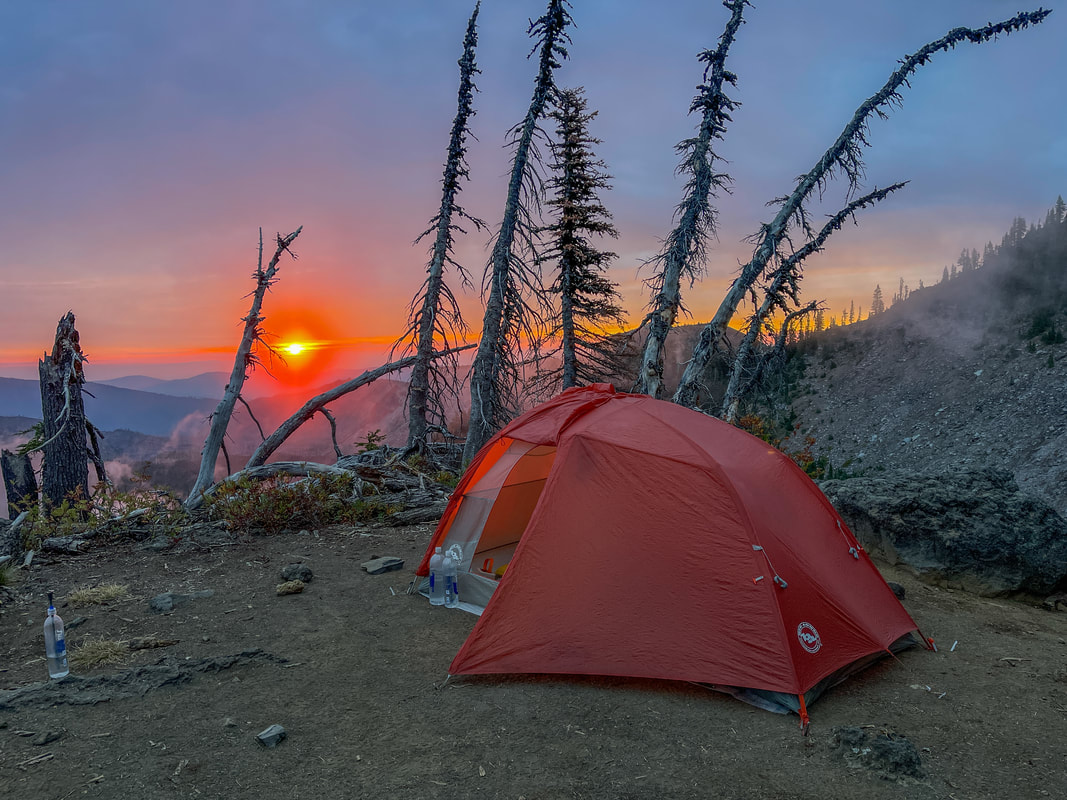
Credit: www.hikeoregon.net
Physical And Environmental Safety
Physical and environmental safety is crucial when using an ultralight tent. Staying safe protects your health and preserves nature. Small actions can make a big difference in your outdoor experience.
Hydration And Nutrition
Drink plenty of water to avoid dehydration. Carry enough water and a filter or purifier. Eat balanced meals to keep energy high. Choose lightweight, nutritious foods that are easy to prepare. Avoid heavy or greasy foods that slow you down.
Physical Conditioning
Prepare your body before your trip. Practice walking with a loaded backpack. Build endurance with regular exercise. Stretch muscles to prevent injury. Know your limits and rest when needed. A fit body handles rough terrain better.
Leave No Trace Practices
Respect the environment by leaving no waste behind. Pack out all trash, leftover food, and litter. Use existing campsites and trails to minimize impact. Avoid disturbing plants and wildlife. Dispose of human waste properly, away from water sources. Protect nature for future visitors.
Frequently Asked Questions
What Are The 7 C’s Of Camping?
The 7 C’s of camping are: Choice, Clarity, Comfort, Care, Cleanliness, Confidence, and Courtesy. These ensure a safe and enjoyable outdoor experience.
How To Avoid Carbon Monoxide Poisoning In A Tent?
Avoid using stoves, heaters, or gas appliances inside tents. Ensure proper ventilation and never rely solely on carbon monoxide detectors.
Can A Tent Fly Away With You In It?
A tent can fly away in strong winds if not properly anchored. Always secure stakes and use guy lines to prevent this.
Do Bears Rip Open Tents?
Bears can rip open tents searching for food. Store all food away from your tent to avoid attracting bears.
Conclusion
Choosing an ultralight tent means balancing weight and safety. Always secure your tent firmly to prevent wind damage. Keep food outside to avoid attracting animals. Use proper ventilation to reduce carbon monoxide risks. Regularly check your tent’s condition before trips.
These simple steps help keep you safe and comfortable outdoors. Stay prepared and respect nature to enjoy every adventure.
I am an outdoor enthusiast and gear researcher passionate about camping, hiking, backpacking, and outdoor adventures. I enjoy testing gear, comparing products, and sharing practical advice to help readers make informed decisions. At BestOutsideGear, I create honest gear reviews, buying guides, and outdoor tips to help adventurers choose the right equipment with confidence.