How to Pack With Sleeping Pad: Ultimate Guide for Light Travel
Packing your sleeping pad might seem like a small step, but it can make a huge difference in your comfort and convenience on the trail. If you’ve ever struggled with bulky gear or wasted time figuring out how to fit everything into your backpack, this guide is for you.
You’ll learn simple, effective ways to pack your sleeping pad so it saves space, stays protected, and is easy to carry. By the end, you’ll feel confident and ready to hit the outdoors without the hassle of awkward gear. Ready to pack smarter and travel lighter?
Let’s dive in.
Credit: www.outwardboundchesapeake.org
Choosing The Right Sleeping Pad
Choosing the right sleeping pad is key for a good night’s rest outdoors. The right pad offers comfort, warmth, and support. It fits your sleeping style and trip needs. Consider several factors before buying your pad.
Types Of Sleeping Pads
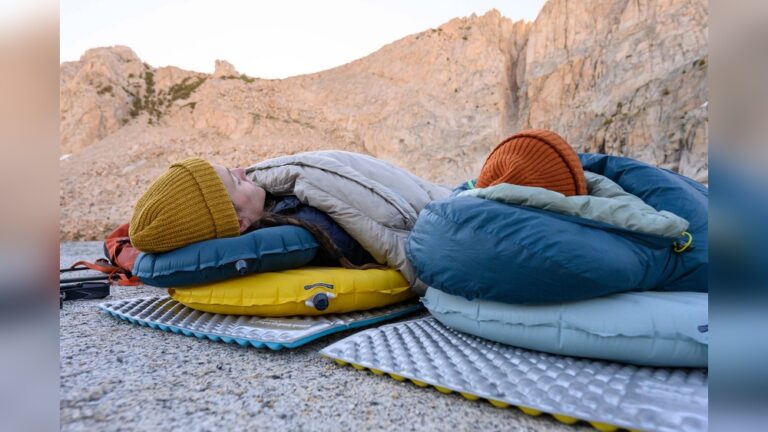
There are three main types: air pads, foam pads, and self-inflating pads. Air pads are light and compact but need inflation. Foam pads are durable and cheap but bulkier. Self-inflating pads combine foam and air for comfort and insulation. Pick the type that suits your comfort and convenience needs.
Size And Weight Considerations
Size affects how well the pad fits your body. Choose a pad long and wide enough to lie comfortably. Weight matters for backpacking trips. Lighter pads save energy but may cost more. Balance size and weight for your trip length and style.
Material And Durability
Materials affect pad durability and comfort. Nylon and polyester are common for outer layers. Look for pads with tough fabrics to resist tears and punctures. Some pads have extra coatings for water resistance. Durable pads last longer and protect well on rough ground.
Credit: www.reddit.com
Packing Techniques For Sleeping Pads
Packing your sleeping pad correctly saves space and protects the pad. Efficient packing also makes carrying easier on your trips. Choose the right technique based on your pad type and bag size. Here are simple methods to pack your sleeping pad well.
Rolling Vs Folding Methods
Rolling your sleeping pad keeps it tight and compact. Start at one end and roll evenly to avoid wrinkles. Rolling works best for foam and inflatable pads.
Folding is good for thicker or self-inflating pads. Fold the pad in halves or thirds, matching the length of your pack. Folding reduces the pad’s length but may create creases.
Stuffing Into A Sack
Use a stuff sack for easy packing and quick access. Push the pad into the sack without forcing it. Stuffing saves time and fits irregular shapes well.
Do not compress too hard when stuffing. This helps keep the pad’s shape and comfort intact over time.
Compressing For Compactness
Compress your sleeping pad to save space in your backpack. Use compression straps or bags designed for this purpose. Compress slowly and evenly to avoid damage.
Compress only when necessary, as some pads lose loft if stored tightly for long. Proper compression balances compactness and pad durability.
Attaching Sleeping Pads To Your Backpack
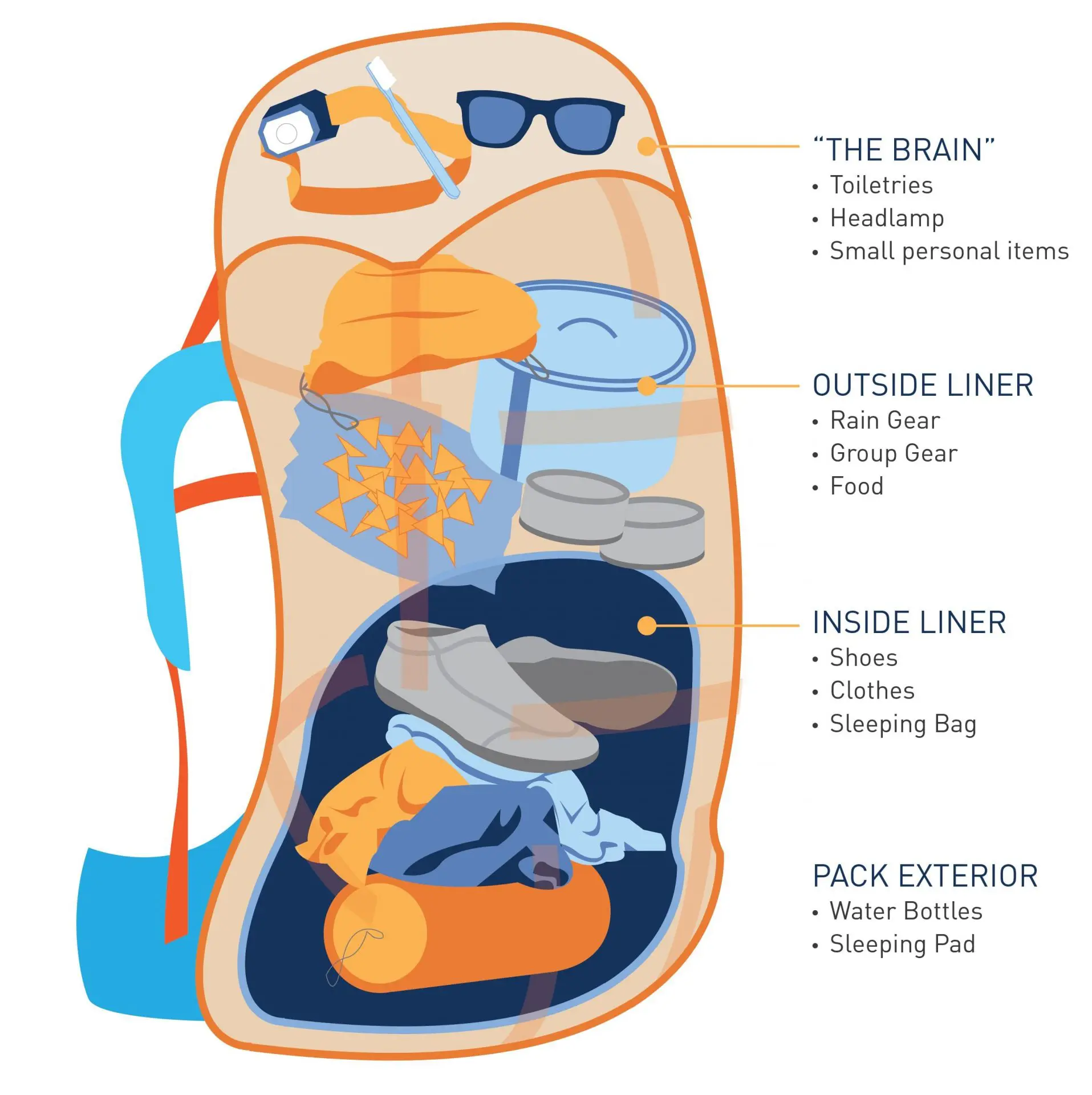
Attaching your sleeping pad to your backpack saves space inside and keeps it dry. Proper attachment also balances your load for easier hiking. Choose a method that fits your backpack design and pad type.
Strapping To The Bottom
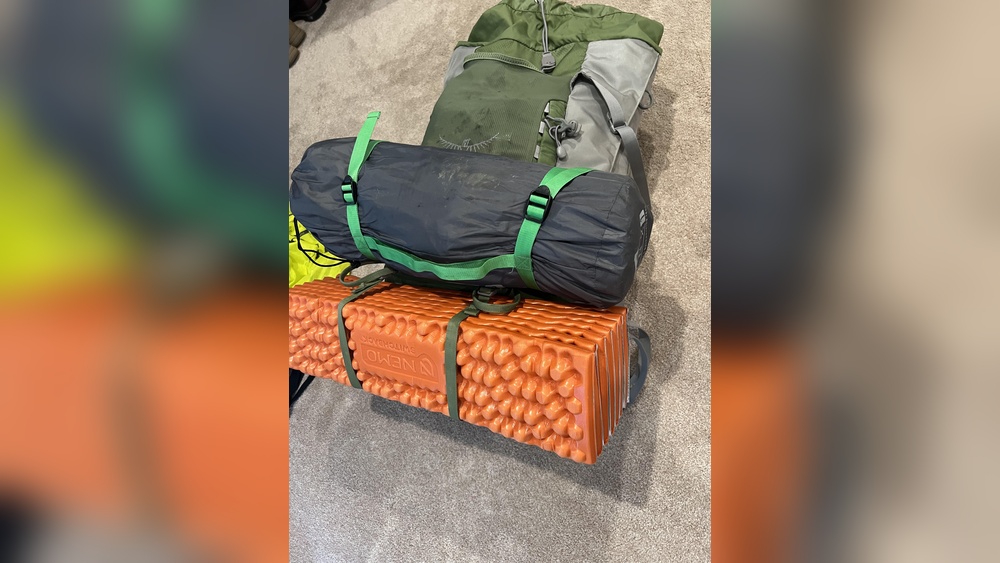
Many backpacks have straps at the bottom for sleeping pads. Roll your pad tightly to reduce size. Place it horizontally or vertically under the pack. Secure the straps firmly to prevent shifting.
This method keeps your pad out of the way. It also frees space inside for other gear. Check strap tightness often during the hike.
Using The Backpack Brain
The backpack brain is the top lid or compartment on some packs. Slide the rolled pad between the brain and main pack body. Tighten the side compression straps to hold it in place.
This spot is easy to access and keeps the pad secure. It also protects your pad from dirt and damage. Make sure the straps are snug but not too tight.
Securing On The Back Or Side
Attach your sleeping pad to the back or side of the pack for quick access. Use side compression straps or loops to hold the pad. Wrap the pad with a strap or bungee cord for extra security.
This method balances weight but may catch on branches. Keep the pad close to the pack to avoid swinging. Adjust straps if the pad moves during walking.
Placing Sleeping Pads Inside The Pack
Packing a sleeping pad inside your backpack requires smart placement. Proper positioning protects the pad and balances the load. It also saves space and keeps your gear organized. Choose the spot based on your pack size and other items.
Against Your Back For Padding
Place the sleeping pad directly against your back inside the pack. This adds extra cushioning between your back and the frame. It improves comfort during long hikes. Make sure the pad fits well to avoid pressure points.
On Top Of The Sleeping Bag
Putting the sleeping pad on top of the sleeping bag keeps it clean. It also prevents the bag from getting compressed too much. Roll or fold the pad tightly for a compact fit. This method is good for easy access when setting up camp.
Between Gear Layers
Layer your gear with the sleeping pad in the middle. This protects the pad from sharp objects and keeps it stable. Use soft items like clothes or a jacket above and below it. This method helps distribute weight evenly inside the pack.
Keeping Your Sleeping Pad Dry And Clean
Keeping your sleeping pad dry and clean helps it last longer and stay comfortable. Dirt and moisture can damage the material. Protecting your pad makes your camping experience better. Follow simple steps to keep your pad in good shape during your trips.
Using Protective Covers
Use a cover or bag made for your sleeping pad. It shields against dirt, sharp rocks, and moisture. A cover also makes packing easier. Choose a waterproof or water-resistant cover for better protection. Clean the cover regularly to avoid grime build-up.
Avoiding Moisture Exposure
Keep your sleeping pad away from wet ground. Place a ground cloth or tarp under the pad. Avoid packing the pad while it is still wet. Air dry it completely before storing. Store your pad in a dry, cool place after use.
Cleaning Tips On The Trail
Use a soft cloth or sponge with mild soap to clean your pad. Avoid harsh chemicals that can damage the surface. Rinse with clean water and let it dry in the sun. Spot clean only if full washing is not possible. Regular cleaning prevents dirt build-up and keeps the pad fresh.
Tips For Lightweight Travel
Packing light makes travel easier and more enjoyable. Carrying a sleeping pad does not mean extra weight or bulk. With smart strategies, you keep your gear compact and light. This section shares tips for packing your sleeping pad for lightweight travel. It focuses on minimizing space, using the pad for more than sleep, and quick packing methods.
Minimizing Bulk And Weight
Choose a sleeping pad that is thin and lightweight. Inflatable pads often weigh less than foam ones. Roll your pad tightly to save space. Compress it in a stuff sack or compression bag. Remove any air before rolling to reduce size. Attach the pad outside your backpack if inside space is limited. Use straps to secure it flat against your pack. Avoid carrying extra covers or cases that add weight.
Multi-purpose Uses Of Sleeping Pads
Sleeping pads can serve more than one purpose. Use them as a seat cushion during breaks. Place the pad under a tent footprint for extra ground protection. Fold it to create a soft spot for gear or a changing mat. Some pads provide insulation when sitting on cold surfaces. This versatility reduces the need for extra gear. Carry one item that fulfills many needs.
Quick Pack And Unpack Strategies
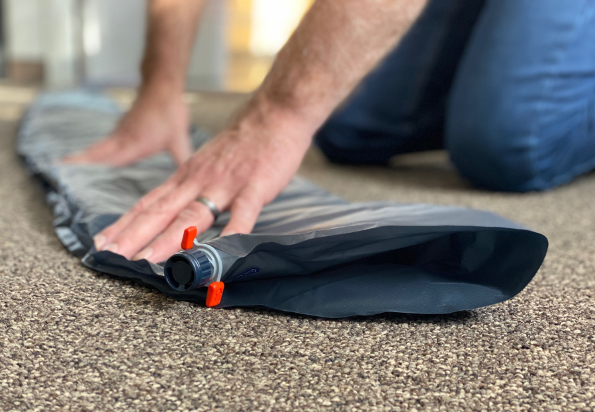
Deflate your sleeping pad fully before packing to avoid bulk. Roll from one end slowly, pushing out air as you go. Use straps or a tight sack to keep it secure. Pack the pad last so it is easy to access. Unroll and inflate the pad quickly by using your breath or a pump. Dry the pad before packing to prevent mold and odors. Practice packing and unpacking to speed up your routine.
Credit: www.backpacker.com
Frequently Asked Questions
How Do You Pack Your Sleeping Pad?
Fold or roll your sleeping pad tightly, then secure it with straps or place it in a compression sack. Attach it to your backpack’s exterior or inside, depending on space. Ensure it stays dry and compact for easy carrying.
How To Carry A Sleeping Mat On A Backpack?
Fold or roll your sleeping mat tightly. Secure it to the bottom or outside straps of your backpack. Use compression straps to keep it stable. Alternatively, place it between the main pack and top lid if your backpack has a brain compartment.
Ensure it’s firmly attached for balance.
Are You Supposed To Put Your Sleeping Pad Inside Your Sleeping Bag?
No, place your sleeping pad under your sleeping bag for insulation and comfort. Putting it inside reduces effectiveness.
How To Correctly Pack A Sleeping Bag?
Loosen and flatten the sleeping bag. Stuff it evenly into its sack without rolling. Compress gently to save space. Secure the sack tightly to prevent air entry. Store in a dry, cool place after packing.
Conclusion
Packing your sleeping pad right makes your trip more comfortable. Roll or fold it tightly to save space. Use straps or side pockets on your backpack. Keep the pad dry and clean for longer use. Practice packing before your trip to pack quickly.
A well-packed sleeping pad fits easily and stays secure. Enjoy better rest with a properly packed sleeping pad. Simple steps lead to easier and lighter backpacking.

I am an outdoor enthusiast and gear researcher passionate about camping, hiking, backpacking, and outdoor adventures. I enjoy testing gear, comparing products, and sharing practical advice to help readers make informed decisions. At BestOutsideGear, I create honest gear reviews, buying guides, and outdoor tips to help adventurers choose the right equipment with confidence.