Safety Tips for Sleeping Pad: Essential Guide for Secure Camping
When you’re out camping or backpacking, your sleeping pad is more than just a comfort item—it’s your barrier against the cold, hard ground and a key part of a good night’s rest. But are you using your sleeping pad safely and effectively?
Small mistakes can lead to punctures, slipping, or even poor insulation that leaves you chilly all night. This guide will share simple, practical safety tips to protect your sleeping pad and ensure you stay cozy and secure every time you hit the outdoors.
Keep reading to discover easy ways to prevent damage, improve comfort, and make your nights under the stars much better. Your best sleep on the trail starts here.
Sleeping Pad Types
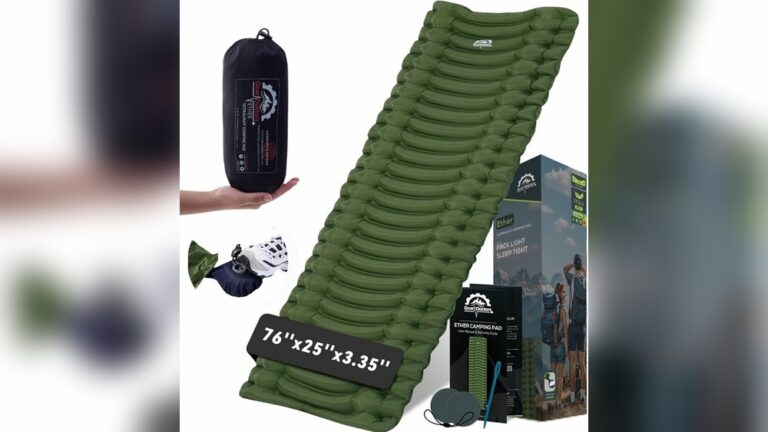
Sleeping pads come in different types, each with unique features and safety considerations. Choosing the right type affects comfort and protection from the cold ground. Understanding these types helps you use them safely during camping or hiking trips.
Closed-cell Foam
Closed-cell foam pads are made from dense foam sheets. They are very durable and resistant to punctures. These pads provide good insulation because the foam traps air. They are lightweight and easy to carry, making them popular for backpacking. Always check for cracks or tears before use to avoid reduced insulation.
Self-inflating Pads
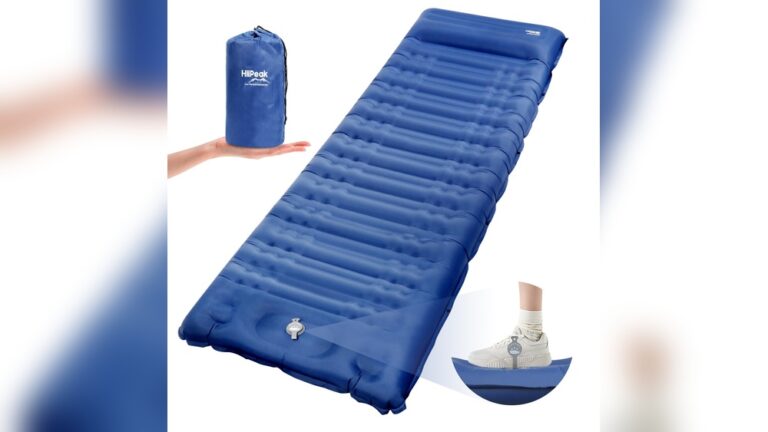
Self-inflating pads combine foam with an air valve. The foam inside expands to fill with air when the valve opens. They offer a good balance of comfort and portability. Make sure the valve is fully closed to prevent air leaks. Store them unrolled to keep the foam from compressing and losing its insulating power.
Air Pads
Air pads rely entirely on air for support and insulation. They are lightweight and compact when packed. These pads offer excellent comfort but can be vulnerable to punctures. Use a groundsheet under the pad to protect it from sharp objects. Repair kits should always be handy to fix small holes quickly.

Credit: foundations.com
Choosing For Comfort
Choosing the right sleeping pad greatly affects your comfort and safety during sleep. A comfortable pad supports your body and protects you from cold, hard ground. It also helps you rest well, which is essential on any trip. Consider several factors to pick a sleeping pad that fits your needs and ensures a safe night.
Thickness And Size
Thickness determines how much cushioning you get. Thicker pads give more comfort and insulation. Thin pads save weight but may feel hard. Size matters for full body support. A longer and wider pad suits most sleepers. Make sure the pad fits your body size to avoid discomfort or cold spots.
Shape Options
Sleeping pads come in different shapes like rectangular, mummy, or tapered. Rectangular pads offer more space to move. Mummy and tapered shapes reduce weight and pack size. Choose a shape that matches your sleeping style. A good shape helps keep your body aligned and comfortable all night.
Weight And Packability
Lightweight pads are easier to carry on long hikes. Compact pads save space in your backpack. Inflatable pads often pack small and weigh less. Foam pads are heavier but very durable. Balance weight with comfort and durability. A pad that is easy to carry encourages safe and restful sleep outdoors.
Insulation And Warmth
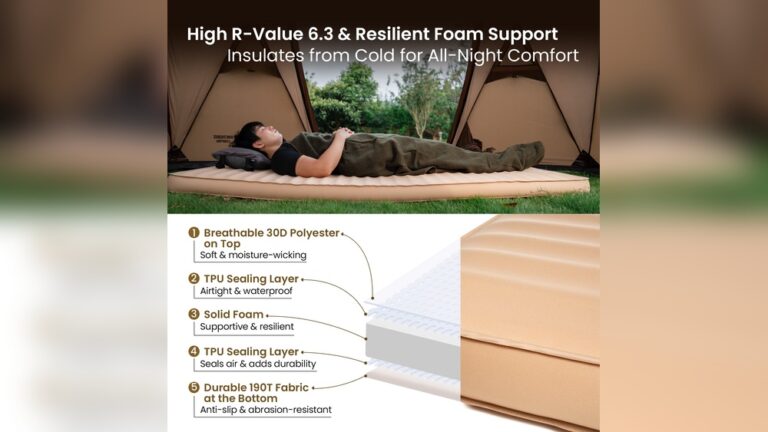
Keeping warm during sleep outdoors is vital for safety and comfort. A sleeping pad acts as a barrier between your body and the cold ground. Proper insulation prevents heat loss and helps maintain body temperature. Choosing the right pad and understanding its insulation properties can improve sleep quality and protect against hypothermia.
R-value Explained
The R-value measures a sleeping pad’s insulation ability. Higher R-value means better warmth and protection from cold ground. Pads with low R-values work well in summer or mild weather. For cold conditions, choose pads with R-values of 4 or higher. Remember, R-value only measures insulation, not comfort or thickness.
Combining Pads For Warmth
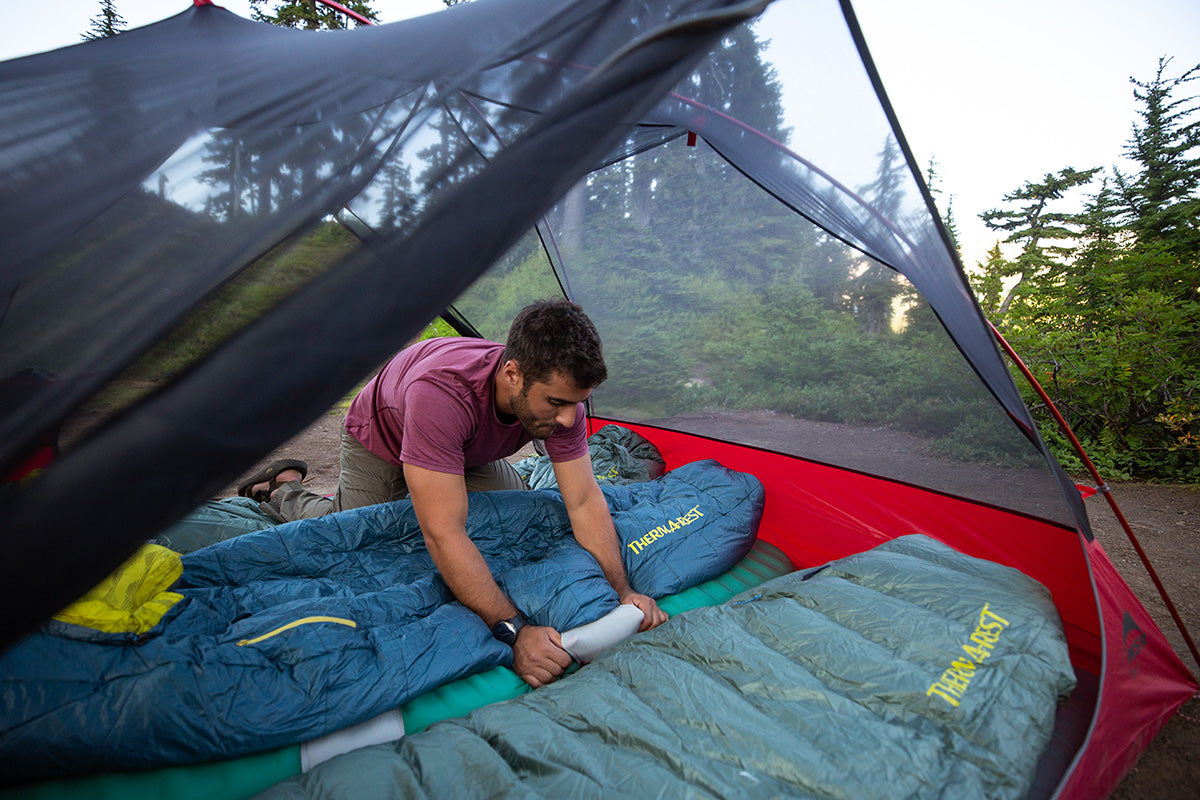
Layering two sleeping pads can boost insulation. Use a foam pad beneath an inflatable pad to increase warmth and protect against punctures. This method adds comfort and reduces heat loss through the ground. Combining pads is useful in very cold weather or on icy surfaces. Make sure both pads fit well together to avoid slipping during sleep.

Credit: www.esfi.org
Setting Up Safely
Setting up your sleeping pad safely is essential for a good night’s rest outdoors. Proper setup prevents damage to your pad and protects you from discomfort or injury. Follow simple steps to create a safe and comfortable sleeping area. These steps help you enjoy camping or hiking with peace of mind.
Selecting Ground Surface
Choose a flat area free of rocks and roots. Avoid slopes to prevent sliding during sleep. A soft, even surface supports your body and sleeping pad better. Clear the spot of sticks and debris before laying your pad down. This reduces pressure points and improves comfort.
Using Ground Sheets
Place a ground sheet under your sleeping pad to add protection. Ground sheets shield your pad from moisture and dirt. They also reduce wear and tear from rough ground. Use a sheet that fits your pad size to cover the whole area. This simple layer extends your pad’s life.
Avoiding Sharp Objects
Scan the ground carefully for sharp objects like stones and thorns. Remove anything that might puncture or tear your sleeping pad. Use your hands or a small tool to clear hidden dangers. Taking time to check protects your gear and keeps you safe. Always keep your pad away from sticks or metal pieces.
Preventing Damage
Protecting your sleeping pad extends its life and keeps it ready for every trip. Small tears or holes can turn into big problems fast. Dirt and improper storage also cause damage. Taking simple steps helps maintain your sleeping pad’s condition and performance.
Patching Holes
Check your sleeping pad carefully for holes before each trip. Use a patch kit designed for your pad type. Clean the area around the hole and let it dry. Apply the patch smoothly without wrinkles. Press firmly and wait before inflating the pad again. Regularly patching holes prevents air leaks and keeps your pad comfortable.
Proper Storage
Store your sleeping pad in a cool, dry place away from direct sunlight. Avoid folding it too tightly, which can cause creases and damage. If it’s inflatable, keep it partially inflated or rolled loosely. Use a storage bag or sack to protect it from dust and pests. Proper storage stops mold growth and material breakdown.
Cleaning Tips
Clean your sleeping pad after each use to remove dirt and oils. Use mild soap and water with a soft cloth or sponge. Avoid harsh chemicals that may weaken the material. Rinse well and air dry completely before packing. Clean pads last longer and stay hygienic for your next adventure.
Stopping Pad Slippage
Sleeping pad slippage can ruin a good night’s rest outdoors. Moving pads create discomfort and risk falling out of the sleeping area. Stopping this slippage improves safety and sleep quality. Small changes help keep your pad steady on various surfaces.
Silicone Dot Hack
Adding silicone dots to the bottom of a sleeping pad increases grip. Use clear silicone sealant to make small dots evenly spaced. Let the silicone dry fully before use. This method creates a sticky layer that holds the pad in place.
The dots work well on smooth tent floors and rocky ground. They prevent sliding without damaging the pad material. This simple hack keeps your sleeping area secure and comfortable.
Surface Preparation
Prepare the ground before laying your sleeping pad. Remove sharp rocks, sticks, and debris that cause unevenness. Use a groundsheet or tarp under the pad for extra protection and grip. A clean, flat surface reduces pad movement.
Cleaning the tent floor also helps. Dirt and dust make pads slide easily. Wipe the floor with a damp cloth to remove loose particles. A smooth surface improves the pad’s hold and your stability.
Packing And Transport
Packing and transporting your sleeping pad correctly keeps it safe and ready to use. Proper handling prevents damage and saves space in your backpack or car. Understanding the best methods helps protect your pad’s materials and extends its life. Simple steps make your outdoor trips more comfortable and hassle-free.
Rolling Vs. Folding
Rolling a sleeping pad is gentle on its structure. It reduces pressure on foam and inflatable layers. Rolling also prevents creases that cause wear over time. Folding may create sharp bends, risking cracks or damage. Some pads are designed to fold, so check the manufacturer’s advice. Choose rolling to maintain shape and durability.
Space Saving Techniques
Compress your sleeping pad to save room in your pack. Use straps or compression sacks to reduce bulk. Remove excess air from inflatable pads before packing. Layer soft items around the pad to protect it during travel. Store the pad in a dry, cool place to avoid mildew. These steps make carrying easier and keep your pad safe.
Matching Pads To Trips
Choosing the right sleeping pad depends on your trip type. Each adventure demands different comfort and safety features. Matching your pad ensures better rest and protection. Consider weight, insulation, and durability before deciding. This section breaks down pad choices by trip type and season.
Backpacking Needs
Backpacking requires lightweight and compact pads. Foam or inflatable pads work well. Look for high insulation value, or R-value, to stay warm. Durability is crucial for rough trails. Avoid bulky pads that slow you down. A good backpacking pad fits in your pack easily.
Car Camping Comfort
Car camping allows for heavier, thicker pads. Air or self-inflating pads offer great comfort. Comfort takes priority over weight in this case. Pads with extra cushioning improve sleep quality. Choose pads that fit your tent floor well. Durability is less critical but still important.
Seasonal Considerations
Season affects the pad’s insulation needs. Winter trips need pads with high R-values to block cold ground. Summer pads can be lighter and thinner. Wet conditions demand water-resistant or quick-dry materials. Adjust your pad choice to match weather and ground conditions. This keeps you safe and comfortable.
Credit: cascadedesigns.com
Frequently Asked Questions
What To Put Under A Sleeping Pad?
Place a groundsheet or foam pad under your sleeping pad to protect it from sharp rocks and moisture. This barrier increases comfort and durability. Always clear the area of debris before setting your pad down.
Are You Supposed To Put Your Sleeping Pad Inside Your Sleeping Bag?
No, place your sleeping pad under your sleeping bag. It insulates you from cold ground and adds comfort. Putting it inside reduces effectiveness.
How To Stop A Sleeping Pad From Sliding?
Apply silicone dots or non-slip tape on your sleeping pad’s bottom. Place a groundsheet or foam layer beneath it. Secure it with tent straps or use textured tent floors to reduce sliding.
What To Look For In A Sleeping Pad?
Choose a sleeping pad based on weight, insulation (R-value), comfort, size, and durability. Match pad type to your activity and climate.
Conclusion
Choosing and using a sleeping pad safely helps ensure a good night’s rest outdoors. Always check your pad for holes or damage before each trip. Use a groundsheet or foam layer underneath to protect it from sharp objects. Keep your pad clean and dry to extend its life.
Secure it well to avoid slipping during sleep. These simple safety steps make camping more comfortable and safe. Sleep well, stay protected, and enjoy your outdoor adventures.

I am an outdoor enthusiast and gear researcher passionate about camping, hiking, backpacking, and outdoor adventures. I enjoy testing gear, comparing products, and sharing practical advice to help readers make informed decisions. At BestOutsideGear, I create honest gear reviews, buying guides, and outdoor tips to help adventurers choose the right equipment with confidence.