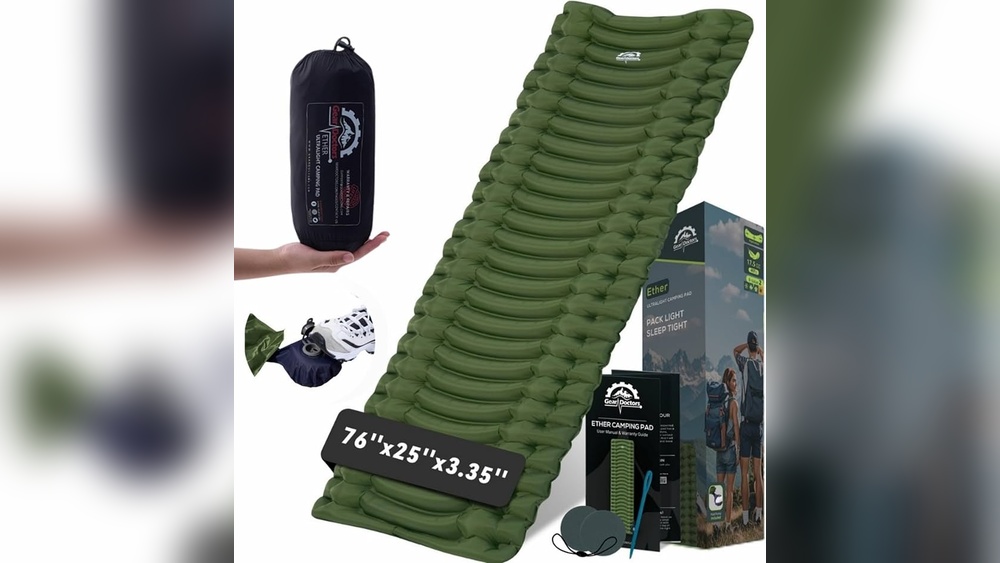
Size Guide for Sleeping Pad: Find Your Perfect Fit Easily
Choosing the right sleeping pad size can make all the difference between waking up refreshed or restless on your next outdoor adventure. You want a pad that fits your body perfectly—offering comfort without weighing you down or taking up too much space in your pack.
But with so many sizes and shapes available, how do you know which one is right for you? This guide will help you understand everything you need to consider when picking the perfect sleeping pad size, so you can sleep soundly no matter where you are.
Keep reading to find out how to get the best fit for your comfort and camping style!
Sleeping Pad Sizes
Choosing the right sleeping pad size affects your comfort outdoors. Pads come in different widths and lengths to fit various sleeping styles. Knowing these sizes helps you find one that suits your needs and sleeping habits. Here is a guide to common sleeping pad sizes.
Standard Dimensions
Most sleeping pads have a standard width of about 20 inches. This size fits most people comfortably. The length usually ranges from 72 to 78 inches. Standard pads work well for side and back sleepers. They balance weight and comfort for easy carrying.
Wide And Extra Wide Options
Wide pads measure around 25 inches or more. They provide extra space for movement during sleep. These pads suit those who need more room or prefer sleeping on their stomach. Extra wide pads, up to 30 inches, offer maximum comfort. These options are heavier but great for side sleepers or larger body types.
Length Variations
Sleeping pad length varies to fit different heights. Regular length is about 72 inches. Longer pads reach 78 inches or more for taller people. Shorter pads suit children or smaller adults. Choosing the correct length avoids cold spots at the feet and ensures full body support.

Credit: www.pillowstrap.com
Choosing Shape And Style
Choosing the right shape and style of a sleeping pad affects your comfort and sleep quality outdoors. Different designs suit different sleeping habits and camping types. The right pad keeps your body supported and insulated from the ground. Consider your sleeping position, pack weight, and space before choosing.
Rectangular Pads
Rectangular pads offer full body coverage and more sleeping space. They are perfect for people who move a lot in their sleep. These pads provide comfort similar to a bed. They tend to be heavier and larger when packed. Ideal for car camping or short hikes where weight is less important.
Mummy Pads
Mummy pads taper towards the feet for a snug fit. They save weight and space in your backpack. These pads keep heat better by hugging your body shape. Best for backpackers who want to carry less. Slightly less room to move but better insulation and compactness.
Self-inflating Vs Foam Pads
Self-inflating pads combine foam and air for good comfort and warmth. They inflate quickly and adjust to your body shape. Foam pads are simple, lightweight, and very durable. They do not compress much but offer less cushion. Choose based on how much comfort, weight, and durability you need.
Comfort Factors
Choosing the right sleeping pad means focusing on comfort factors that affect your rest. Comfort depends on more than just size. Thickness, surface texture, and edge support all play key roles. These details help you wake up refreshed and pain-free after a night outdoors.
Thickness And Padding
Thickness affects how soft and supportive the sleeping pad feels. Thicker pads offer better cushioning for your joints. They help avoid pressure points on hard ground. Padding materials vary from foam to air-filled chambers. Foam pads provide steady support but can be bulky. Air pads adjust firmness by adding or releasing air. Consider your sleeping style and ground type to pick the right thickness.
Surface Texture
Surface texture impacts your grip and comfort. A smooth surface feels soft but may cause slipping. Textured surfaces prevent you from sliding off during sleep. Some pads have raised patterns to increase comfort and airflow. This helps reduce sweating and keeps you cooler. Texture also affects how your sleeping bag interacts with the pad, affecting overall warmth and comfort.
Edge Support
Edge support keeps you stable on the sleeping pad. Pads with firm edges stop you from rolling off. This is important if you move a lot in your sleep. Good edge support creates a safe and secure feel. Some pads have reinforced edges or thicker borders. This feature improves balance and comfort, especially on uneven ground. Choose a pad with edge support that suits your sleep habits.
Insulation And Temperature Ratings
Choosing the right sleeping pad means understanding its insulation and temperature ratings. These factors keep you warm and comfortable outdoors. Insulation prevents heat loss to the cold ground. Temperature ratings show the pad’s ability to protect you in different weather. Knowing these details helps you pick the best pad for your trips.
R-value Explained
The R-value measures a sleeping pad’s insulation power. Higher R-values mean better heat resistance. For example, an R-value of 5 blocks more cold than an R-value of 2. This number helps you compare pads easily. It tells you how well a pad stops heat from escaping. Look for the R-value on the product label.
Seasonal Suitability
R-values match different seasons and temperatures. Low R-values (1-2) fit summer camping. They work well in warm weather. Medium R-values (3-4) suit three-season use. Spring, summer, and fall trips are covered. High R-values (5+) are for winter camping. They protect you from freezing ground cold. Choose a pad that fits your camping season.
Cold Weather Considerations
Cold weather needs special attention. Sleeping pads with thick insulation prevent heat loss. Combine your pad with a good sleeping bag for extra warmth. Check the pad’s R-value to ensure it handles low temperatures. Avoid thin pads that let cold seep in. Staying warm improves your sleep and safety outdoors.
Weight And Packability
The weight and packability of a sleeping pad play a key role in choosing the right one. These factors affect how easy it is to carry and store your pad during outdoor trips. A sleeping pad that is light and packs small makes travel simpler, especially on long hikes. Understanding the differences in weight and pack size can help you pick the best option for your needs.
Backpacking Vs Car Camping
Backpacking requires a sleeping pad that is very light and easy to carry. Every ounce matters when you carry your gear on your back. A compact pad that fits into your backpack saves space and reduces load. Car camping allows for heavier, bulkier pads since weight is less of an issue. You can choose thicker pads for more comfort without worrying about pack size.
Materials Impacting Weight
The materials used in sleeping pads affect their weight and durability. Foam pads are usually heavier but very durable. Inflatable pads use lightweight materials like nylon or polyester. Some pads include insulation layers, which add weight but improve warmth. Choosing the right material balances comfort, weight, and packability.
Compression And Storage
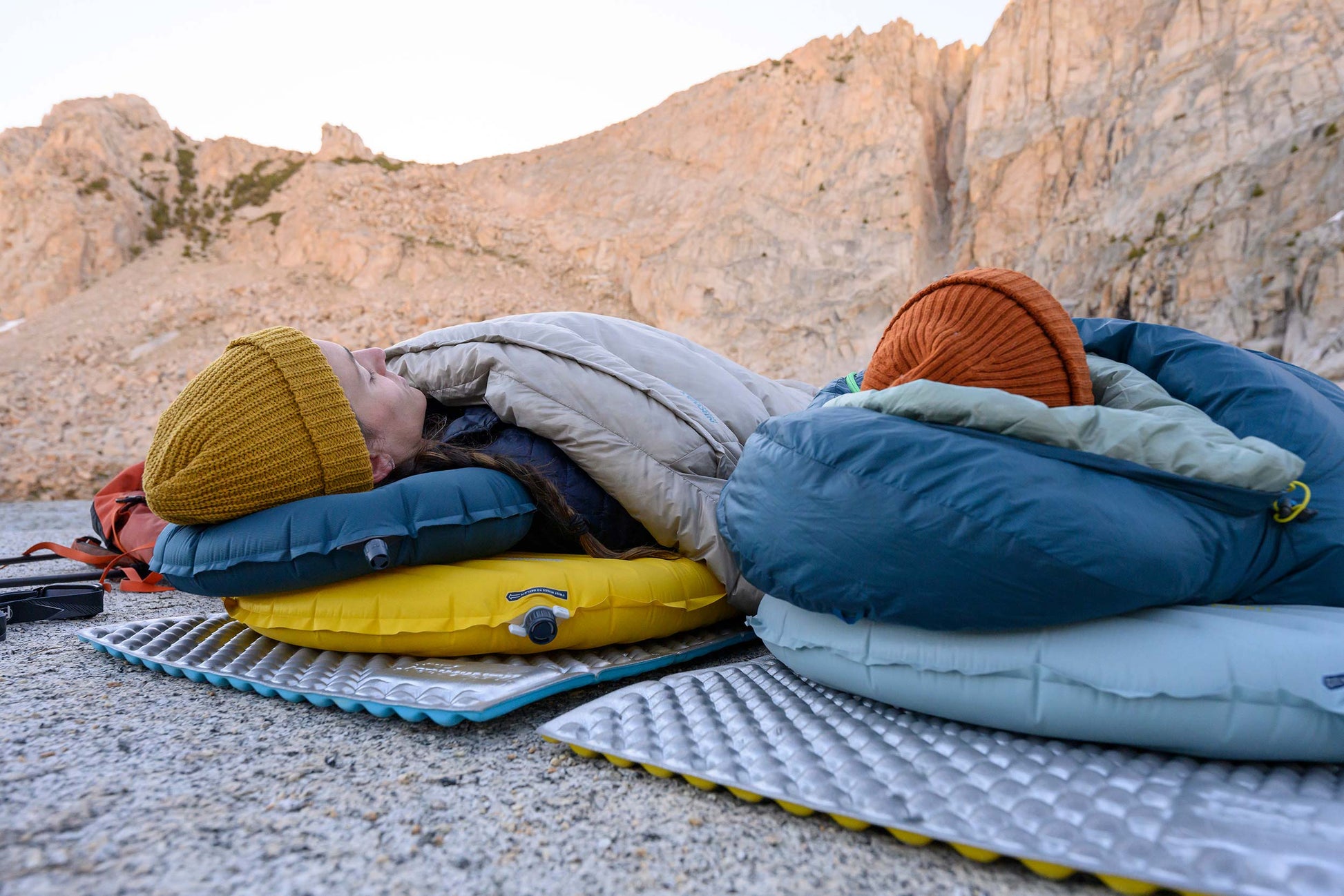
Sleeping pads that compress well save space in your pack. Inflatable pads can deflate and roll into small bundles. Foam pads cannot compress much but can be strapped to the outside of a backpack. Compression sacks help reduce the volume of some pads for easier storage. Proper packing keeps your gear organized and light.
Credit: cascadedesigns.com
Matching Pads To Sleepers
Choosing the right sleeping pad means matching it to the person who will use it. Each sleeper has unique needs. The right pad adds comfort and warmth. It supports the body and fits the sleeping style. Understanding these factors helps pick the best size and type.
Body Size And Sleeping Position
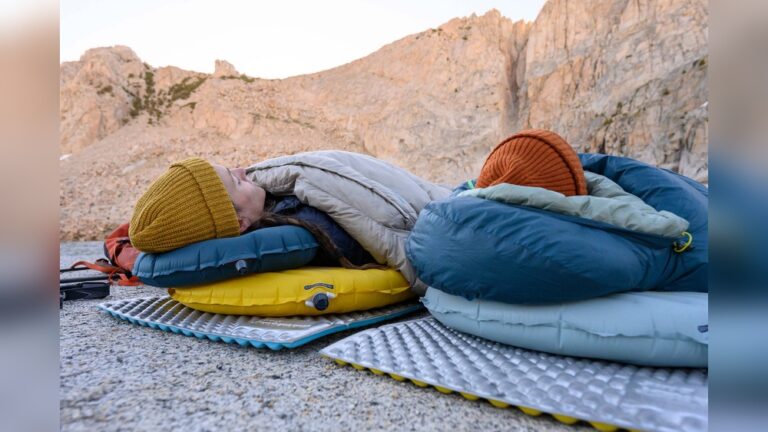
Body length and width affect pad size choice. Taller sleepers need longer pads to avoid cold spots. Wider sleepers benefit from wider pads for better support. Sleeping position matters too. Side sleepers may need thicker pads for joint cushioning. Back sleepers can use medium thickness for comfort. Stomach sleepers prefer thinner pads to stay stable.
Couples And Shared Pads
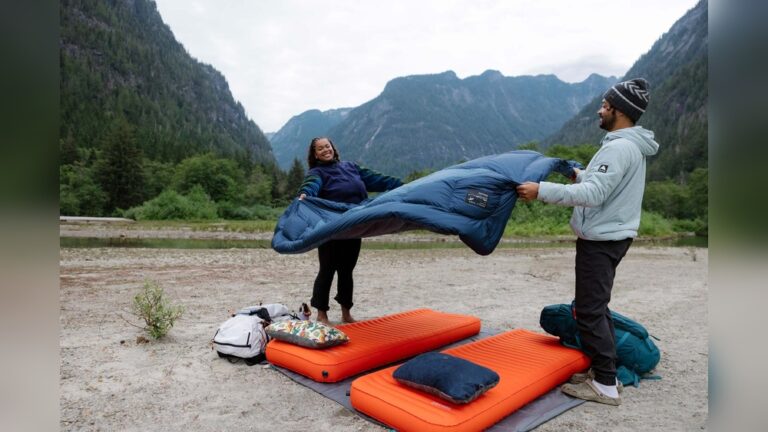
Couples often use larger pads to fit two people. Double or queen-size pads provide extra space. Shared pads reduce the gap between sleepers. This stops cold air from entering. Each partner’s comfort matters. Some couples choose two separate pads but keep them close. This option allows different firmness and thickness preferences.
Special Needs And Preferences
Some sleepers need extra support for back pain or injuries. Thicker or inflatable pads give better pressure relief. Lightweight hikers prefer compact, easy-to-carry pads. Warm sleepers might choose breathable materials. Cold sleepers need insulated pads with higher R-values. Personal preference also guides pad choice. Testing different pads helps find the perfect match.
Testing And Comparing Pads
Choosing the right sleeping pad size is key for a good night’s rest outdoors. Testing and comparing pads helps find the best fit for your body and sleeping style. It involves more than just numbers. Comfort, weight, and user feedback all matter. This section explores how to test and compare sleeping pads effectively.
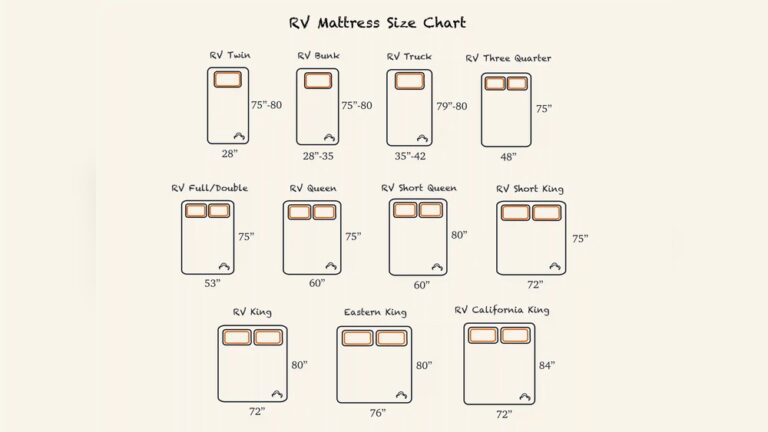
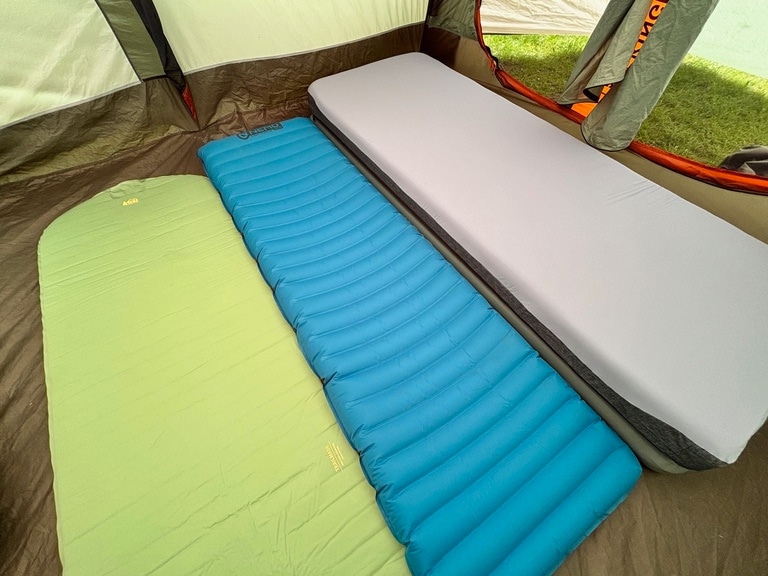
Using Size Comparison Charts
Size charts show pad dimensions side by side. They help match pad length and width to your body size. Look for charts from trusted brands or outdoor gear sites. Compare length, width, and thickness carefully. Thickness affects comfort and insulation. Charts simplify quick comparisons before buying.
Evaluating Comfort On Trails
Try pads on actual trails to judge comfort. Lay down and check support for your back and hips. Notice how the pad handles uneven ground. Test different sleeping positions. A pad that feels firm at home may feel soft on rough ground. Trail testing gives a real sense of comfort.
User Reviews And Recommendations
Read reviews from other hikers and campers. They share honest experiences about pad size and comfort. Look for comments on fit for different body types. Recommendations often highlight pros and cons not seen in specs. User feedback helps avoid surprises in the field.
Credit: www.rei.com
Maintaining Your Sleeping Pad
Maintaining your sleeping pad helps it last longer and stay comfortable. A well-cared pad provides better support and warmth on every trip. Simple steps keep your pad clean, damage-free, and ready for use.
Cleaning Tips
Clean your sleeping pad after each trip to remove dirt and grime. Use a soft cloth or sponge with mild soap and warm water. Avoid harsh chemicals or abrasive brushes that can damage the material. Rinse thoroughly and let it air dry completely before storing. Do not expose it to direct sunlight for long periods, as this can weaken the fabric.
Repairing Punctures
Small holes or punctures can happen easily outdoors. Patch them quickly to prevent air leaks. Use a repair kit designed for sleeping pads, which includes patches and adhesive. Clean the area around the hole and let it dry. Apply the patch firmly and press for a few minutes. Allow the glue to cure fully before inflating the pad again.
Storage Best Practices
Store your sleeping pad in a cool, dry place away from sharp objects. Avoid keeping it compressed for long periods, as this can reduce its loft and comfort. Instead, store it loosely rolled or flat. Check the pad occasionally for damage or moisture. Proper storage keeps the pad in good shape and ready for your next adventure.
Frequently Asked Questions
What Size Sleeping Pad Suits Different Body Types?
Choosing a sleeping pad depends on your height and width. Longer and wider pads offer better comfort for bigger bodies. Standard sizes fit most adults, while extra-long or wide pads suit taller or broader campers. Always measure your body before selecting.
How To Measure Sleeping Pad Dimensions Correctly?
Measure your height from head to heels and width across shoulders or hips. Add a few inches for comfort. Compare these measurements to sleeping pad specs for the best fit. Proper sizing ensures restful sleep and proper insulation.
Does Sleeping Pad Thickness Impact Comfort?
Yes, thicker pads provide more cushioning and insulation. Thicker pads are ideal for rough or cold ground. Thinner pads are lighter and pack smaller, suitable for warm weather. Balance thickness with weight based on your needs.
Can I Use A Sleeping Pad For Two People?
Yes, dual or oversized sleeping pads are available for couples. They offer more space and comfort but add weight and bulk. Consider your sleeping style and backpack capacity before choosing a double pad.
Conclusion
Choosing the right sleeping pad size improves your camping comfort. Think about your height and sleeping style first. A pad that fits well supports your body fully. Too small pads can cause discomfort and poor sleep. Consider the pad’s width for side or back sleeping.
Thickness adds extra cushioning and insulation. Balance comfort with pack weight for easy carrying. Use size guides and charts to compare options. A good fit helps you rest better outdoors. Sleep soundly and enjoy your adventure fully.

I am an outdoor enthusiast and gear researcher passionate about camping, hiking, backpacking, and outdoor adventures. I enjoy testing gear, comparing products, and sharing practical advice to help readers make informed decisions. At BestOutsideGear, I create honest gear reviews, buying guides, and outdoor tips to help adventurers choose the right equipment with confidence.