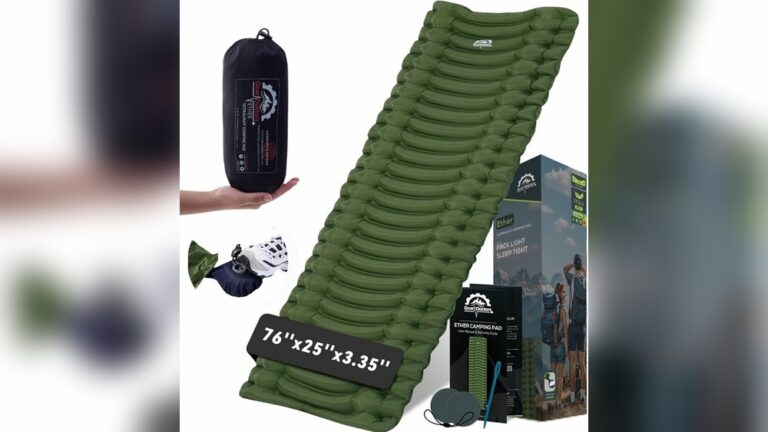
Safety Tips for Inflatable Sleeping Pad: Essential Guide for Campers
When you’re gearing up for a night under the stars, your inflatable sleeping pad can make all the difference between a restful sleep and a restless night. But did you know that using your sleeping pad the right way is just as important as having one?
Without the proper safety measures, your pad could get damaged, or worse, cause discomfort or even injury. In this guide, you’ll discover simple but essential safety tips that will help protect your sleeping pad and keep you comfortable wherever you camp.
Stick with us, and you’ll learn how to make the most of your inflatable sleeping pad—safely and smartly—so you can focus on enjoying your adventure.

Credit: www.hiccapop.com
Choosing The Right Inflatable Pad
Choosing the right inflatable sleeping pad is important for a safe and comfortable camping experience. The right pad supports your body and protects you from the cold ground. It also fits your style of camping and meets your needs. Consider the type, material, size, and weight before buying.
Types Of Inflatable Pads
Inflatable pads come in many styles. Some are simple air mattresses with basic cushioning. Others have built-in insulation to keep you warm. There are also self-inflating pads that save time and effort. Pick a type that matches your camping conditions and personal comfort.
Material Durability
Durable material keeps the pad safe from punctures and tears. Look for strong fabrics like ripstop nylon or polyester. These resist sharp objects and rough ground. Durable pads last longer and offer better protection. Avoid thin or cheap materials that can fail quickly.
Size And Weight Considerations
Size and weight affect how easy it is to carry the pad. A larger pad offers more comfort but adds bulk. Lightweight pads save space and reduce backpack weight. Balance comfort with portability. Choose a size that fits your body and a weight you can carry without strain.

Credit: www.amazon.com
Setting Up Your Sleeping Pad
Setting up your inflatable sleeping pad correctly ensures a safe and comfortable night outdoors. Proper setup prevents damage to the pad and helps maintain your body warmth. Follow these simple steps to prepare your sleeping area effectively.
Finding A Safe Location
Choose flat ground free from rocks, sticks, and sharp objects. Avoid areas with steep slopes to prevent rolling during sleep. Check for overhead hazards like branches that may fall. Clear the spot of debris to protect your sleeping pad from punctures.
Proper Inflation Techniques
Inflate the pad gently to avoid overexpansion and damage. Use the built-in valve or a pump designed for your pad. Stop inflating when the pad feels firm but still slightly soft to the touch. Avoid inflating inside a hot tent to prevent pressure buildup.
Using Ground Protection Layers
Place a tarp or footprint beneath your sleeping pad to block moisture and sharp objects. A closed-cell foam pad or yoga mat adds extra insulation and protection. These layers extend the life of your sleeping pad and improve comfort. Ground protection keeps cold and dampness away from your sleeping area.
Maintaining Warmth And Comfort
Staying warm and comfortable on an inflatable sleeping pad is key to a good night’s rest outdoors. Inflatable pads can lose heat quickly without proper setup. Small adjustments can make a big difference in your warmth and comfort. Use layers and materials designed to keep heat in and cold out. This guide breaks down the best ways to maintain warmth and comfort while using your pad.
Insulation Layers Beneath The Pad
Place an insulating layer between the ground and your sleeping pad. This layer blocks cold from seeping up through the ground. Use a closed-cell foam pad or yoga mat for effective insulation. A tarp under your tent also protects from moisture and sharp objects. These layers work together to keep cold air away and protect your pad from damage.
Adding Comfort On Top
Adding a soft layer on top of your inflatable pad increases comfort and warmth. Use a memory foam topper or a thick blanket. These materials add cushioning and help trap your body heat. A fleece or wool blanket works well because it keeps warmth without compressing. This extra layer makes your sleep surface softer and warmer.
Avoiding Heat Loss
Heat loss happens when warm air escapes or cold air enters your sleeping setup. Use a reflective blanket or Mylar sheet under or over your pad. This reflects your body heat back toward you. Seal the edges of your sleeping bag and pad to stop drafts. Avoid letting your pad stay fully inflated in hot tents to prevent damage. These steps help keep your body heat where it belongs—close to you.
Preventing Damage And Leaks
Protecting your inflatable sleeping pad from damage and leaks extends its life and ensures comfort. Taking simple steps helps you avoid costly repairs or replacement. Careful use and quick fixes keep your pad ready for every trip.
Avoiding Sharp Objects
Keep the sleeping pad away from sharp rocks, sticks, and debris. Use a groundsheet or tarp under the pad to block punctures. Inspect your campsite for sharp items before laying down the pad. Avoid placing the pad near campfire tools or knives.
Safe Handling Practices
Inflate the pad gently to prevent overstretching or bursting. Do not overfill with air; follow the manufacturer’s instructions. Carry and store the pad in its bag to protect it during transport. Avoid dragging it across rough surfaces to reduce wear and tear.
Patching Small Holes
Check your pad regularly for small holes or leaks. Use a patch kit made for inflatable gear to fix minor damage. Clean the area before applying the patch for a strong seal. Allow the patch to dry fully before reinflating the pad. Carry a repair kit on trips for quick fixes.
Storing Your Sleeping Pad Safely
Storing your inflatable sleeping pad correctly extends its life and keeps it safe. Proper storage prevents damage from moisture, heat, and pressure. Following simple steps ensures your pad stays ready for your next adventure.
Drying Before Storage
Always dry your sleeping pad completely before storing. Moisture can cause mold and unpleasant smells. Leave it open in a shaded area until no dampness remains. Avoid direct sunlight to protect the material.
Temperature Considerations
Store your pad in a cool, dry place. Avoid extreme heat or cold as they can damage the air cells. Do not leave it inflated in a hot tent. Heat increases pressure inside, risking permanent damage.
Proper Folding And Packing
Deflate your pad fully before folding. Fold loosely to avoid creasing or weakening the material. Use the original bag or a breathable storage sack. Tight packing can cause damage over time.
Cleaning And Care Tips
Proper cleaning and care keep your inflatable sleeping pad safe and durable. Dirt, sweat, and moisture can damage the material over time. Regular maintenance improves comfort and extends the pad’s life. Follow simple steps to protect your gear and enjoy safe camping nights.
Removing Dirt And Debris
Use a soft brush or cloth to remove dirt gently. Avoid harsh scrubbing that can harm the surface. Clean off mud and leaves after each use. Shake the pad to remove loose particles inside. Keeping the pad clean prevents damage and allergens.
Using Appropriate Cleaners
Choose mild soap mixed with water for cleaning. Harsh chemicals can weaken the fabric and seams. Use a damp cloth to wipe the pad surface. Rinse well with clean water to remove soap. Let it air dry fully before storing to avoid mold and odors.
Regular Inspection
Check your sleeping pad often for holes and leaks. Inflate it and listen for escaping air sounds. Look for worn or thin spots on the material. Repair small punctures quickly with a patch kit. Early fixes prevent bigger problems and keep you safe.
Emergency Repairs While Camping
Camping with an inflatable sleeping pad means being ready for surprises. A sudden leak or tear can ruin your night’s rest. Knowing how to make emergency repairs keeps you comfortable and safe outdoors. Quick fixes can save your trip and avoid cold, hard ground. Carrying the right tools helps you fix problems fast. Also, knowing when to replace your pad prevents repeated troubles.
Quick Patch Solutions
Carry a small patch kit for fast repairs. Clean the area around the hole first. Use the adhesive or patch included in the kit. Press firmly and hold for a minute. Let it dry completely before inflating the pad. Some campers use duct tape as a short-term fix. It works but only for a few hours. Always test your patch on a small hole. This ensures your pad stays air-tight through the night.
Tools To Carry
Bring a repair kit designed for inflatable pads. It should include patches, glue, and sandpaper. A small cloth can clean the surface before patching. Carry a valve wrench to tighten or replace valves. A multi-tool or scissors help cut patches to size. Keep everything in a waterproof bag. This protects your tools from rain or spills. Having these tools ready saves time and stress.
When To Replace Your Pad
Check your pad for multiple leaks or worn-out spots. If patches stop holding air, it’s time to replace. A damaged valve that cannot seal also means replacement. Old pads lose insulation and comfort over time. If you feel cold or uncomfortable, upgrade your pad. Regularly inspect your pad before trips. A new pad ensures a good night’s sleep and safety.

Credit: foundations.com
Frequently Asked Questions
Is It Bad To Leave A Sleeping Pad Inflated?
Leaving a sleeping pad inflated for long can damage it. Heat causes pressure buildup, risking leaks or ruptures. Deflate and store it dry in a cool, shaded place to extend its lifespan and maintain performance.
What To Put Under An Air Mattress When Camping?
Place a protective tarp under the air mattress to block moisture and punctures. Add a closed-cell foam pad or yoga mat for insulation against cold ground. Use a wool or reflective blanket between you and the mattress to retain body heat.
This setup ensures warmth and protection while camping.
Are Inflatable Sleeping Pads Good?
Inflatable sleeping pads offer lightweight comfort and insulation for camping. They are easy to carry but can puncture easily. Proper care ensures durability and better sleep outdoors.
How To Use An Inflatable Sleeping Pad?
Unroll the inflatable sleeping pad on a flat surface. Open the valve and blow air or use a pump to inflate. Close the valve tightly. Place it inside your tent or sleeping area. Deflate and roll up after use for storage.
Conclusion
Using an inflatable sleeping pad safely ensures a comfortable night’s rest outdoors. Always check for leaks or damage before use. Keep the pad away from sharp objects and extreme heat. Store it dry and flat to maintain its shape. Adding insulation beneath the pad helps keep you warm.
Follow these simple safety tips to enjoy your camping trips fully. Stay safe, sleep well, and protect your gear for many adventures ahead.

I am an outdoor enthusiast and gear researcher passionate about camping, hiking, backpacking, and outdoor adventures. I enjoy testing gear, comparing products, and sharing practical advice to help readers make informed decisions. At BestOutsideGear, I create honest gear reviews, buying guides, and outdoor tips to help adventurers choose the right equipment with confidence.