How to Choose Camping Mattress: Ultimate Guide for Perfect Comfort
Choosing the right camping mattress can make or break your outdoor experience. Imagine waking up feeling refreshed after a night on a mattress that cushions your body perfectly, keeps you warm, and fits easily in your pack.
Sounds ideal, right? But with so many options out there, how do you find the one that suits your needs? Whether you’re hiking deep into the wilderness or setting up camp near your car, your choice should match your style, comfort needs, and the conditions you’ll face.
In this guide, you’ll discover the key factors to consider—like insulation, weight, and durability—so you can pick a camping mattress that lets you rest easy and enjoy every adventure. Keep reading, and get ready to sleep better under the stars!

Credit: www.wildirisclimbing.com
Trip Type And Needs
Choosing the right camping mattress depends largely on the type of trip and your specific needs. Different trips demand different mattress features. Consider how you travel, where you sleep, and what matters most: weight, comfort, or insulation. This helps narrow down your options and ensures a better night’s rest outdoors.
Backpacking Essentials
Backpacking requires lightweight and compact gear. Your mattress should be easy to carry and pack. Inflatable or foam pads work well for this. Look for a good R-value to keep warm during cold nights. A mattress that folds small saves space in your backpack. Durability matters because rough trails can damage thin materials. Choose something that balances weight and comfort. Avoid heavy or bulky mattresses that slow you down.
Car Camping Comfort
Car camping allows heavier, larger mattresses. Comfort takes priority since you don’t carry your gear far. Thicker foam or air mattresses offer better cushioning. Size matters less, so wider pads are fine. A high R-value mattress helps during chilly nights. Durability remains important but weight is not a problem. Air mattresses with adjustable firmness provide extra comfort. These mattresses enhance rest after a day of outdoor fun.
Insulation And Warmth
Choosing the right camping mattress means paying close attention to insulation and warmth. This factor affects how well you sleep, especially in cooler temperatures. A mattress with good insulation keeps your body heat from escaping into the cold ground. It can make a big difference during chilly nights or winter trips.
Understanding insulation helps you pick a mattress suited for your camping style. Some mattresses are designed to provide more warmth without adding much weight. Others focus on comfort but may not keep you as warm. Knowing the insulation value helps balance these needs.
R-value Importance
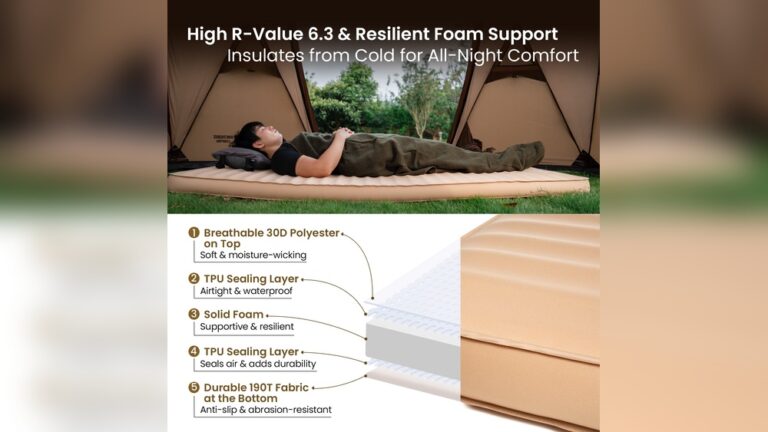
The R-value measures how well a mattress insulates. A higher R-value means better heat retention. For example, an R-value of 5 or more is good for cold weather camping. Lower R-values work fine in summer or mild climates.
This number helps compare different mattresses easily. It shows which mattress blocks cold better. The R-value depends on materials and thickness. Foam mattresses often have higher R-values than air mattresses. Inflatable mattresses may have lower R-values unless they include insulation layers.
Cold Weather Options
Cold weather camping needs mattresses with high insulation. Closed-cell foam pads are popular for winter trips. They provide steady warmth and resist moisture. Self-inflating mattresses with foam cores also offer good warmth and comfort.
A mattress with an R-value of 5 or above is recommended. Some air mattresses have special insulation or reflective layers to trap heat. Pairing a mattress with a warm sleeping bag improves overall warmth. Avoid thin, lightweight pads in cold weather as they may cause heat loss.
Comfort And Support
Choosing the right camping mattress means focusing on comfort and support. These two factors affect how well you sleep outdoors. A mattress that suits your body and sleeping style keeps you rested. It also helps avoid aches and pains after a day of hiking or exploring.
Comfort means the mattress feels good to lie on. Support means it holds your body in a healthy position. Both are important for a good night’s sleep under the stars. This section explores how sleeping positions and adjustability features impact comfort and support.
Sleeping Positions
Your sleeping position affects the mattress you should pick. Side sleepers need more padding to cushion shoulders and hips. A thicker mattress can prevent pressure points and stiffness.
Back sleepers benefit from medium firmness. This supports the spine while giving some softness. Stomach sleepers require a firmer mattress to avoid sinking too deep. This helps keep the spine aligned.
Knowing your usual position guides you to the right mattress thickness and firmness. It improves comfort and reduces the risk of waking up sore.
Adjustability Features
Some camping mattresses let you adjust firmness. Inflatable mattresses often have valves to add or release air. You can make the mattress softer or firmer as needed.
Foam mattresses offer consistent support but no adjustability. Self-inflating mattresses combine foam and air for balance. They provide good support and some level of firmness control.
Adjustability helps if your comfort needs change or you share a mattress. It allows quick changes to get the perfect feel for your body.
Weight And Pack Size
Weight and pack size are key factors when choosing a camping mattress. A heavy or bulky mattress can slow you down. It takes up valuable space in your backpack or car. Selecting the right weight and size depends on your camping style and travel plans. Light and compact mattresses suit backpackers. Car campers may choose larger, heavier options without worry.
Lightweight Options
Lightweight camping mattresses reduce the load on your back. Inflatable mattresses often weigh less than foam ones. Some models weigh under two pounds. These are ideal for long hikes and multi-day trips. Less weight means more energy for your adventure. Choose materials like ripstop nylon or polyester for durability and low weight. Lightweight mats pack small but still offer good comfort and insulation.
Compact Designs
Compact camping mattresses save space in your pack. Inflatable designs deflate to a small size. Some roll up tightly to fit in a small bag. Foam mattresses are bulkier but can be folded or cut to size. Compact mats fit easily alongside other gear. This makes packing simpler and more organized. A smaller pack size helps keep your backpack balanced. Compact designs suit minimalists and those with limited space.
Material And Durability
The material and durability of a camping mattress directly affect comfort and lifespan. Choosing the right material depends on how you camp and the conditions you face. Some materials offer long-lasting support, while others focus on lightweight convenience. Durability ensures your mattress withstands rough ground and frequent use. Understanding the types of materials helps select the best mattress for your needs.
Foam Mattresses
Foam mattresses are made from dense, closed-cell foam. They are very durable and resist punctures well. Foam pads do not need inflation and provide firm support. They tend to be heavier and bulkier than other types. Foam mattresses are ideal for rugged outdoor use. Their simple design means fewer parts can break or fail.
Air Mattresses
Air mattresses use air chambers for cushioning and comfort. They are lightweight and pack down small for easy transport. Air pads can offer adjustable firmness by adding or releasing air. They are more prone to punctures and leaks. Using a protective groundsheet can increase their lifespan. Air mattresses work well for car camping or short trips.
Self-inflating Pads
Self-inflating pads combine foam and air for balanced comfort. They have open-cell foam inside that expands when unrolled. These mattresses inflate partially on their own, saving time and effort. They provide good insulation and moderate weight. Self-inflating pads are versatile and last longer than air-only mattresses. They suit campers who want comfort without heavy gear.

Credit: cascadedesigns.com
Ease Of Use
Ease of use is a crucial factor when choosing a camping mattress. A mattress that is simple to set up and pack makes your camping experience more enjoyable. It saves time and effort after a long day outdoors. Focus on how the mattress inflates and how quickly you can prepare it for sleep.
Inflation Methods
Camping mattresses come with various inflation methods. Some use manual pumps, requiring you to blow air in by mouth. This can be tiring after hiking or a long day. Others have built-in pumps that make inflation faster and easier. Self-inflating mattresses absorb air automatically when you open the valve. This method needs little effort and is great for quick setup. Consider which inflation type fits your strength and time availability best.
Setup Convenience
Setup convenience means how fast and easy you can ready your mattress. Some mattresses unfold and are ready to use immediately. Others need more time to inflate fully. Look for mattresses that fold compactly for easy packing. A lightweight mattress is easier to carry and set up, especially for backpackers. Check if the mattress fits your tent size and sleeping style. Easy setup improves comfort and saves energy for your adventures.
Size And Fit
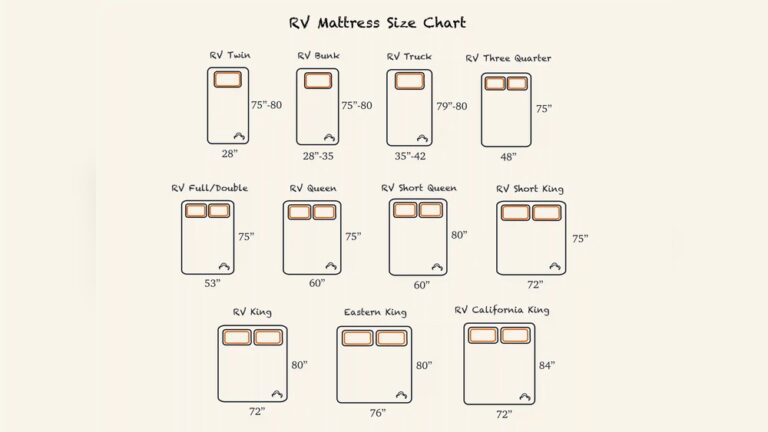
Choosing the right size and fit for your camping mattress affects your comfort and sleep quality. A mattress too large or small can cause discomfort and reduce space inside your tent. Consider your tent size and sleeping position to find the best mattress size. Proper fit helps you rest better and enjoy your outdoor adventure.
Tent Compatibility
Check your tent’s floor dimensions before buying a mattress. The mattress should fit well without crowding the tent. Leave some space for gear and movement. A mattress too wide or long may block tent doors or vents. Measure the tent floor and compare it to mattress sizes. This step prevents tight spaces and improves comfort.
Width And Thickness
Choose mattress width based on your sleeping style. Side sleepers often need wider mattresses for extra arm and leg room. Thicker mattresses offer better cushioning and insulation from cold ground. Thin mats save weight but may feel hard. Balance thickness with weight, especially if backpacking. A good width and thickness improve sleep and reduce pressure points.

Credit: cascadedesigns.com
Budget Considerations
Budget plays a key role in choosing a camping mattress. Your spending limit shapes the options you can explore. Camping mattresses vary widely in price, from very cheap to premium models. Understanding how cost relates to mattress features helps make smart choices. Focus on what you really need rather than just the price tag.
Cost Vs Features
Low-cost mattresses often offer basic comfort and durability. They may be heavier or less insulated. Mid-range options usually add better padding and materials. High-end mattresses provide superior comfort, lightweight design, and strong insulation. Think about which features matter most. Spending more does not always mean better sleep. Match mattress features to your camping style and climate.
Long-term Value
A cheaper mattress might need replacing sooner. Durable mattresses last many trips and save money over time. Consider how often you camp and conditions faced. A solid investment in quality can reduce future costs. Also, repair options and warranty add value. Choose a mattress balancing upfront cost with lifespan and comfort. This approach leads to better satisfaction and savings.
Maintenance And Care
Proper maintenance and care extend your camping mattress’s life. They keep it clean, comfortable, and ready for your next trip. Simple habits protect your mattress from damage and wear.
Follow easy steps to clean and store your mattress correctly. These tips help preserve its comfort and durability for many camping adventures.
Cleaning Tips
Use a soft brush to remove dirt and debris after each trip. Wipe the surface with a damp cloth and mild soap. Avoid harsh chemicals that can damage the material. Let the mattress dry fully before packing it away. Drying prevents mold and unpleasant odors. For stubborn stains, spot clean gently without soaking the mattress.
Storage Advice
Store your camping mattress in a cool, dry place. Avoid direct sunlight to prevent material breakdown. Keep it loosely rolled or flat to maintain its shape. Do not store it while damp or dirty. Use a breathable storage bag instead of plastic. Proper storage stops mold, mildew, and damage. Check the mattress occasionally during long storage periods. Air it out to keep it fresh and ready for use.
Quick Selection Tips
Start by matching the mattress to your trip type—lightweight for hiking, thicker for car camping. Check insulation (R-value) for warmth and consider weight and pack size. Choose materials based on durability and ease of use to ensure a good night’s sleep outdoors.
Match Mattress To Trip
Choose a mattress based on your camping style. For backpacking, pick lightweight and compact mattresses. Inflatable or foam pads work well here. Check the mattress’s R-value for insulation. Higher R-values mean better warmth. For car camping, weight and size are less important. Thicker and wider mattresses provide more comfort. Foam or air mattresses fit well for these trips. Think about how you will carry the mattress.
Prioritize Key Features
Focus on comfort, insulation, weight, and durability. Side sleepers may need extra padding and width. Air mattresses allow you to adjust firmness. Foam mattresses give steady support without adjustments. Consider how easy the mattress is to use. Self-inflating mattresses save effort when setting up. Foam mattresses are tough but bulky. Air mattresses pack small but can puncture. Choose materials based on your needs and environment.
Frequently Asked Questions
What Type Of Camping Mattress Suits Backpacking Best?
Backpacking mattresses should be lightweight, compact, and durable. Inflatable or foam pads with good insulation (R-value) work well for easy carrying and warmth.
How Important Is R-value In Camping Mattresses?
R-value measures insulation and warmth. Higher R-values block cold better, essential for cold weather camping or ground insulation.
Which Mattress Offers The Best Comfort For Car Camping?
Thicker, wider foam or air mattresses provide superior comfort for car camping. Weight and pack size are less critical here.
How Do I Choose Between Foam And Air Mattresses?
Foam mattresses are durable and reliable but bulky. Air mattresses are lightweight, compact, and adjustable but require care to avoid punctures.
Conclusion
Choosing the right camping mattress improves your outdoor rest. Think about your camping style first—backpacking or car camping. Focus on comfort, weight, and insulation to match your needs. Remember, higher R-value means better warmth in cold conditions. Consider mattress type: foam for durability, air for lightness, or self-inflating for balance.
Don’t forget size and ease of use. A good mattress helps you wake up refreshed and ready to explore. Take your time and pick what fits your trip best. Sleep well, enjoy nature more.

I am an outdoor enthusiast and gear researcher passionate about camping, hiking, backpacking, and outdoor adventures. I enjoy testing gear, comparing products, and sharing practical advice to help readers make informed decisions. At BestOutsideGear, I create honest gear reviews, buying guides, and outdoor tips to help adventurers choose the right equipment with confidence.