Step by Step Guide to Using Tent Footprint: Ultimate Protection Tips
When you’re setting up your tent, protecting it from rough ground and unexpected weather is key to a comfortable camping experience. That’s where a tent footprint comes in.
But how do you use it correctly? This step-by-step guide will show you exactly how to set up and make the most of your tent footprint. You’ll learn simple tips that save your tent floor from tears, keep moisture out, and even speed up packing.
Keep reading, and you’ll discover how this small gear piece can make a big difference on your next outdoor adventure.
Purpose Of A Tent Footprint
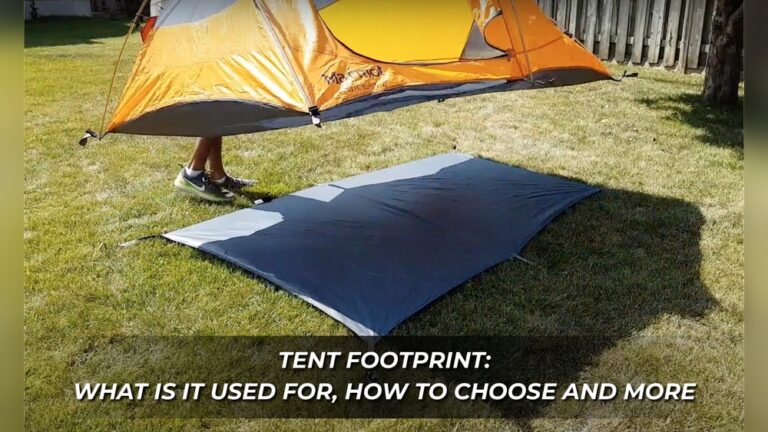
A tent footprint is a thin sheet placed under your tent. It acts as a protective barrier between the tent floor and the ground. Using a footprint improves your camping experience in several ways. It helps keep your tent clean and safe from damage. It also adds comfort and extends the life of your tent. Below are the main purposes of a tent footprint.
Protection From Ground Damage
The footprint shields your tent floor from sharp rocks and sticks. It prevents tears and holes caused by rough terrain. Dirt and moisture stay away from your tent’s base. This protection keeps your tent ready for many camping trips. The footprint also stops mud from sticking to the tent floor. It is easier to clean and maintain your tent after use.
Improving Tent Longevity
A tent footprint reduces wear and tear on the tent floor. It absorbs most of the friction and pressure from walking inside. This reduces the chances of holes forming over time. The footprint also blocks moisture from seeping into the tent floor. Dry floors prevent mold and mildew, which can damage fabric. Using a footprint helps your tent last longer and stay strong.
Enhancing Comfort
The footprint adds an extra layer of cushioning between you and the ground. It smooths out uneven surfaces and small rocks. This makes sleeping and resting inside the tent more comfortable. The footprint also helps insulate against cold or damp ground. You stay warmer and drier during chilly or wet nights. Comfort improves your overall camping experience.
Credit: www.rei.com
Choosing The Right Footprint
Choosing the right tent footprint protects your tent floor and improves camping comfort. It acts as a shield against rough ground, moisture, and dirt. Picking a footprint that fits your needs ensures better durability and ease of use. Consider several factors before buying or making your footprint.
Material Options
Tent footprints come in different materials. Durable fabrics like ripstop nylon or polyester resist tears and abrasions. Some footprints use lightweight materials for easy carrying. Waterproof coatings keep moisture from reaching your tent floor. Choose a material that balances durability and weather protection.
Matching Footprint Size
Size matters for proper tent footprint use. The footprint should match your tent’s floor size closely. A footprint too small leaves parts of the tent floor exposed. Too large and it may collect rainwater underneath. Check your tent’s floor dimensions before selecting a footprint size.
Considering Weight And Packability
Weight is key for backpackers and campers who hike long distances. Lightweight footprints reduce the load without sacrificing protection. Some materials fold compactly for easy packing. Find a footprint that fits your pack space and weight limits. This makes camping trips more comfortable.
Preparing Your Campsite
Preparing your campsite sets the foundation for a comfortable camping experience. A good setup protects your tent and footprint from damage. It also helps keep you safe and dry throughout your stay. Take time to prepare the ground carefully before laying your tent footprint.
Clearing Debris And Rocks
Start by removing sticks, leaves, and any trash from the area. Pick out sharp rocks and stones that could poke through the footprint. A clean, clear spot prevents tears and keeps the tent floor smooth. Use your hands or a small rake to gather debris away.
Leveling The Ground
Find a flat surface for your tent footprint. Uneven ground can cause discomfort and stress on your tent fabric. Use your hands or a flat tool to fill small holes and flatten bumps. A level base ensures better stability and less wear on your tent.
Selecting The Ideal Spot
Choose a location away from slopes or low areas where water collects. Look for natural windbreaks like bushes or rocks. Avoid spots near dead trees or loose branches that could fall. A safe, dry place protects your tent footprint and makes camping more pleasant.

Credit: www.naturehike.com
Setting Up The Footprint
Setting up the tent footprint is the first step to protect your tent floor. It keeps moisture and dirt away. It also stops tears from sharp rocks and sticks. Follow these simple steps to set it up right.
Aligning With Tent Dimensions
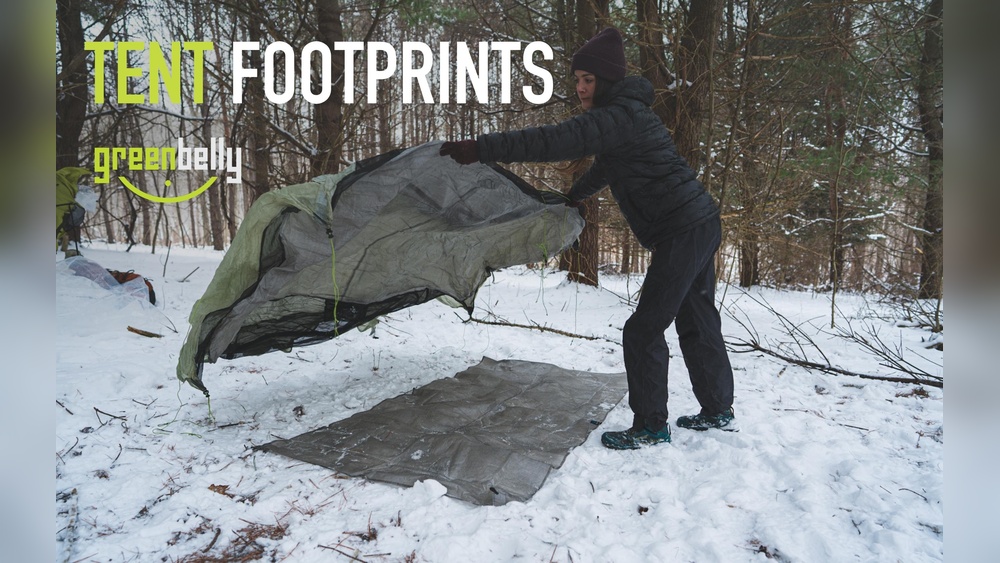
Lay the footprint flat on the ground. Make sure it matches your tent’s size. The footprint should be slightly smaller or the same size as the tent floor. This helps avoid water pooling under the tent. Check that the corners line up well with your tent’s corners.
Securing The Footprint
Use stakes to fix the footprint to the ground. Pin down each corner tightly but without stretching the material. This stops the footprint from moving or blowing away. It also creates a smooth base for your tent. Secure it before placing the tent on top.
Avoiding Overhang
Do not let the footprint extend beyond the tent edges. Overhang can collect water and cause damage. It may also collect dirt and debris under the tent. Keep the footprint tucked neatly under the tent floor. This keeps your camping area clean and dry.
Pitching The Tent Over Footprint
Pitching the tent over the footprint protects the tent floor from dirt and moisture. It also extends the tent’s life by preventing wear and tear. Laying the tent on the footprint creates a clean, dry base for your shelter.
Follow a clear process to ensure the tent fits well over the footprint. Proper alignment and secure attachment are key to a stable setup. This section explains how to pitch your tent correctly using the footprint.
Lining Up Eyelets And Grommets
Start by spreading the footprint flat on the ground. Place the tent over the footprint carefully. Match the tent’s eyelets with the footprint’s grommets. This alignment keeps both layers in place. Check all corners to confirm they are lined up.
Proper alignment prevents shifting when you add poles and stakes. It also ensures full coverage of the footprint under the tent floor. This step makes staking easier and more effective.
Attaching Poles And Stakes
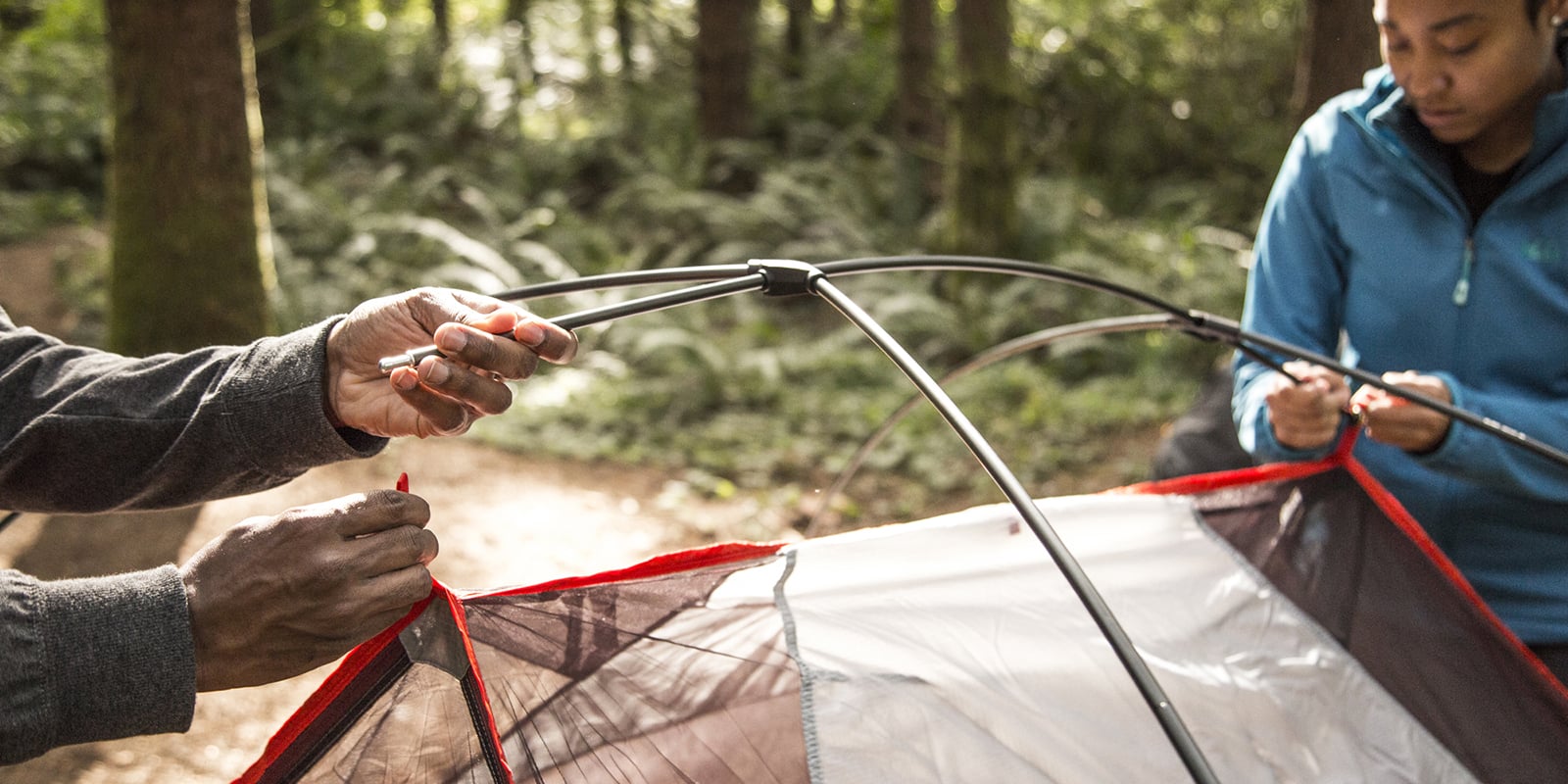
Insert the tent poles through the sleeves or clips as usual. The poles should hold both the tent and footprint together. Next, push stakes through the grommets in the footprint and tent eyelets. Secure the stakes firmly into the ground.
Staking both layers together avoids movement during wind or rain. Make sure stakes are tight but not overly bent. This keeps the tent stable and the footprint flat.
Ensuring Tautness And Stability
Pull the tent fabric and footprint edges gently to remove wrinkles. Check that the footprint lies flat without folds or bulges. Tighten all guy lines and stakes to increase stability. A taut setup prevents water pooling and reduces wind noise.
Walk around the tent to inspect tension and security. Adjust stakes or poles if needed for balance. A stable tent over a well-fitted footprint offers better protection and comfort.
Maintenance Tips
Proper maintenance keeps your tent footprint in good shape. It extends the life of the footprint. Taking care is easy and worth the effort. Follow these simple steps after each trip.
Cleaning After Use
Remove all dirt and debris before storing. Use a soft brush or cloth to wipe off mud. For stubborn stains, use mild soap and water. Avoid harsh chemicals that can damage the fabric. Rinse thoroughly to remove soap residues. Cleaning prevents damage and keeps the footprint ready for next use.
Drying And Storage
Always dry the footprint completely before packing. Damp fabric can cause mold and unpleasant odors. Hang it in a shaded, well-ventilated area. Do not leave it under direct sunlight for long. Once dry, fold it loosely to avoid creases. Store in a cool, dry place away from sharp objects.
Inspecting For Damage
Check the footprint for tears, holes, or worn spots. Inspect seams and edges carefully. Small holes can be patched with repair tape or kits. Early repairs prevent water seepage and further damage. Regular inspection ensures your footprint remains reliable on every trip.
Diy Footprint Options
Creating your own tent footprint can save money and offer custom protection for your tent floor. DIY footprints allow you to choose materials and sizes that fit your needs perfectly. Crafting a footprint ensures durability and extends your tent’s life by shielding it from rough ground and moisture.
Using Tyvek Material
Tyvek is lightweight and waterproof, making it ideal for footprints. It resists tears and works well on rocky or wet surfaces. Tyvek is easy to cut and shape with scissors. It also packs small, which suits backpackers and campers. This material provides strong protection without adding much weight.
Custom Sizing Techniques
Measure your tent’s floor carefully before cutting material. Add a few extra inches to cover edges fully. Use a marker and ruler to draw straight lines on your material. Cut slowly to avoid mistakes or jagged edges. You can sew or tape seams to strengthen corners and edges. Proper sizing helps keep your tent dry and clean.
Budget-friendly Alternatives
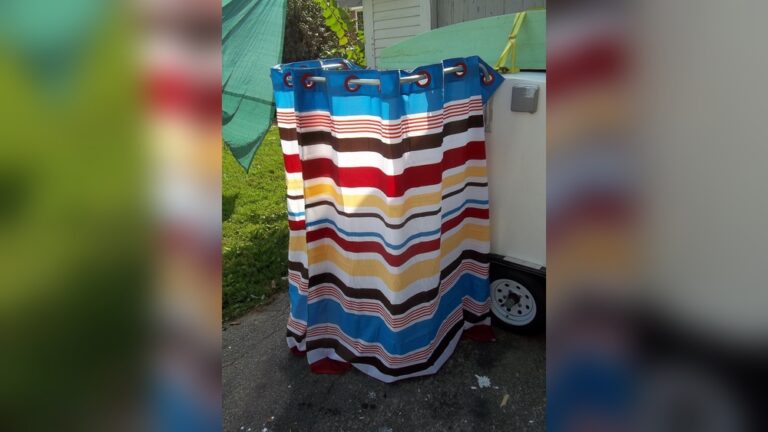
Old shower curtains or plastic tarps work as cheap footprint options. They offer basic protection from dirt and moisture. Look for thick plastic to prevent tears underfoot. Reusing materials reduces waste and cuts costs. Secure the footprint with tent stakes or clips to keep it in place. These options suit casual campers or short trips.
Footprint Vs. Tarp
Choosing between a tent footprint and a tarp can affect your camping comfort and tent protection. Both serve as ground covers, but their designs and uses differ. Knowing these differences helps you pick the right option for your trip.
Differences In Design
A tent footprint is custom-made to fit your tent’s floor size and shape. It has reinforced corners and holes that match the tent’s stake points. This design protects the tent floor from abrasion and moisture directly underneath.
A tarp is a larger, simple sheet of waterproof material. It does not match the tent’s exact shape. Tarps often have grommets or loops on the edges for flexible staking or tying. They can cover a wider area around the tent.
Pros And Cons For Camping
Footprints offer precise protection and keep dirt and stones away from the tent floor. They reduce wear and tear and improve the tent’s lifespan. Their tight fit prevents water from pooling under the tent.
Tarps are versatile and lightweight. They can be used as shelter or ground cover beyond tents. Tarps are cheaper but might let water seep under the tent if not set correctly. They do not prevent all ground abrasion.
When To Use Each Option
Use a footprint for regular camping trips with your tent. It offers the best protection and fits perfectly. Footprints are ideal on rough or wet ground to keep your tent dry and safe.
Choose a tarp for minimalist camping or when you need a multi-use shelter. Tarps work well for emergency cover or for extra space outside your tent. They are good for dry, smooth ground or if weight is a concern.
Common Mistakes To Avoid
Using a tent footprint improves your camping experience by protecting your tent floor. Many campers make avoidable errors that reduce its benefits. Knowing common mistakes helps you set up quickly and keep your tent safe. This section highlights errors to watch for and how to fix them.
Footprint Overhang Issues
Do not let the footprint extend beyond the tent edges. Overhang collects rainwater and directs it under the tent. This causes leaks and damages the tent floor. Cut the footprint to fit the tent’s exact size or use one designed for your tent model.
Incorrect Stake Alignment
Stake the footprint and tent body together using the same stakes. If you stake them separately, the footprint can shift or wrinkle. This creates discomfort and weakens protection. Align the footprint’s grommets with the tent’s before staking for a stable setup.
Neglecting Footprint Setup
Some skip setting up the footprint to save time. This leaves the tent floor vulnerable to rocks, mud, and moisture. Always lay the footprint first on the ground. Then place your tent on top. This protects the tent and extends its life.

Credit: www.scribd.com
Frequently Asked Questions
What Is A Tent Footprint And Why Use It?
A tent footprint is a protective groundsheet placed under your tent. It shields the tent floor from abrasion, moisture, and dirt, extending its lifespan. Using a footprint also improves insulation and keeps the tent cleaner, making camping more comfortable and your gear more durable.
How Do I Choose The Right Tent Footprint Size?
Choose a footprint that matches your tent’s floor dimensions precisely. It should not extend beyond the tent edges to avoid water pooling underneath. Measure your tent’s base length and width, then select a footprint with similar or slightly smaller dimensions for optimal protection.
Can I Use A Diy Tent Footprint Instead?
Yes, you can make a DIY footprint using durable materials like Tyvek or ripstop nylon. Ensure it fits your tent size and is waterproof. DIY footprints are cost-effective and customizable but may lack the durability and features of commercial options.
How Do I Properly Set Up A Tent Footprint?
Clear the camping area of rocks and debris before laying the footprint flat. Align it exactly where the tent floor will be placed. Secure both footprint and tent body to the same stakes to prevent shifting and maximize protection during use.
Conclusion
Using a tent footprint protects your tent floor from damage and dirt. It adds an extra layer between the ground and your tent. This helps keep your tent dry and clean, especially on rough or wet surfaces. Always place the footprint before setting up your tent.
Secure it well to prevent slipping during use. Taking these simple steps extends your tent’s life and improves your camping comfort. Remember, a footprint is a small but valuable camping tool. It makes your outdoor experience easier and more enjoyable.

I am an outdoor enthusiast and gear researcher passionate about camping, hiking, backpacking, and outdoor adventures. I enjoy testing gear, comparing products, and sharing practical advice to help readers make informed decisions. At BestOutsideGear, I create honest gear reviews, buying guides, and outdoor tips to help adventurers choose the right equipment with confidence.