Safety Tips for Tent Stakes: Essential Guide for Secure Camping
Setting up your tent is just the beginning of a great outdoor adventure, but have you ever stopped to think about the safety of your tent stakes? These small but mighty tools are what keep your shelter secure against wind, rain, and uneven ground.
If your stakes aren’t properly placed or used, you risk your tent collapsing or even causing injuries. You’ll discover simple, practical safety tips for tent stakes that will protect you and your gear. Keep reading to learn how to stake your tent like a pro and enjoy peace of mind every time you camp.

Credit: www.amazon.com
Choosing Tent Stakes
Choosing the right tent stakes is key to keeping your tent stable and safe. The stakes anchor your tent to the ground. This stops it from moving in wind or bad weather. Picking the right stakes depends on your camping spot and the type of tent you have. Let’s explore what to think about when choosing tent stakes.
Types Of Stakes
Tent stakes come in several types. The most common are metal stakes, plastic stakes, and wooden stakes. Metal stakes are strong and work well in hard soil. Plastic stakes are light and good for soft ground. Wooden stakes are rare but can be useful in some natural settings. Choose the type that fits your camping terrain and tent design.
Material Considerations
Materials affect the stake’s strength and weight. Aluminum stakes are light and rust-proof. Steel stakes are heavier but very strong. Plastic stakes can break easily but are cheap and light. Consider the weather and ground type. Wet or rocky soil needs stronger material. Dry, sandy soil works with lighter stakes.
Stake Size And Weight
Size matters for stability. Longer stakes hold better in loose soil. Short stakes work in firm ground. Weight affects how easy stakes are to carry. Heavy stakes add to your load but give more strength. Balance your need for strength with how much gear you want to carry. Choose stakes that fit your tent size and camping conditions.
Preparing The Ground
Preparing the ground is the first step to secure your tent stakes firmly. A stable base keeps your tent safe from wind and weather. Taking time to ready the site makes setup easier and protects your gear.
Clearing Debris
Remove sticks, rocks, and leaves from the area. Debris can block stakes from going deep into the soil. Clear ground helps stakes hold better and prevents damage to your tent floor.
Assessing Soil Type
Check if the soil is soft, sandy, or rocky. Soft soil may need longer or stronger stakes. Rocky soil can break stakes or cause them to bend. Knowing the soil type helps you choose the right stakes.
Avoiding Hazardous Areas
Stay away from places with sharp rocks, roots, or underground utilities. Avoid wet or flooded spots that can weaken stake grip. Safe areas reduce risks and keep your campsite stable and secure.
Proper Stake Placement
Proper stake placement is essential for a safe and stable tent setup. It prevents the tent from collapsing or blowing away. Correct placement keeps you safe during strong winds and bad weather. Understanding how to place stakes well improves your camping experience.
Identifying Key Anchor Points
Start by finding the tent’s main anchor points. These are spots where the tent fabric pulls tight. Focus on corners and guy line attachments. Place stakes at these points to hold the tent firmly. Avoid weak spots that might tear or pull loose.
Spacing Stakes Correctly
Keep stakes spaced evenly around the tent. Too close together reduces stability. Too far apart lessens the hold on the tent. Follow the tent’s instructions for exact spacing. Usually, stakes go about 12 to 18 inches from the tent edge. Proper spacing stops the tent from sagging or shifting.
Securing Guy Lines
Tighten guy lines to add extra support to your tent. Attach stakes at a 45-degree angle to the ground. This angle helps the stake hold better under tension. Pull the guy lines tight but not too tight to avoid damage. Check lines often and adjust if they loosen.
Correct Angling Techniques
Correct angling techniques for tent stakes improve stability and safety. Proper angles keep stakes secure in the ground. This prevents tents from collapsing or blowing away. Understanding how to angle stakes correctly helps campers protect their shelter and enjoy their outdoor experience.
Ideal Stake Angles
The best angle for tent stakes is about 45 degrees. Drive the stake into the ground away from the tent. This angle gives the strongest hold. Stakes placed straight down can loosen easily. A 45-degree angle spreads the force of tension evenly.
Benefits Of Angled Stakes
Angled stakes resist pulling forces better than vertical ones. They reduce the chance of bending or pulling out. This keeps your tent stable in different weather. Angled stakes also help distribute pressure across a larger ground area. This prevents damage to the stake and the tent fabric.
Adjusting For Wind Conditions
Stronger winds need stakes driven at a lower angle, closer to 30 degrees. This increases resistance to pulling forces. For calm weather, a 45-degree angle works well. Always place stakes on the windward side of the tent. Adjust angles based on the expected wind direction and strength.
Driving Stakes Safely
Driving tent stakes safely is vital for a secure camping setup. Correct technique keeps stakes strong and prevents accidents. Proper care helps stakes last longer and holds your tent firmly. Focus on tools, stake condition, and personal safety.
Using Mallets And Hammers
Choose the right tool for driving stakes. Mallets offer better control and reduce stake damage. Hammers work well but can bend stakes if used carelessly. Hold the stake steady before striking. Hit the top squarely to avoid slipping. Use moderate force to drive stakes deep. Avoid hitting the ground or rocks around the stake.
Protecting Stakes From Damage
Inspect stakes before use for bends or cracks. Bent stakes can break during setup or strong winds. Drive stakes into soft soil to reduce wear. Avoid rocky or hard surfaces to prevent dents. Clean stakes after use to remove dirt and moisture. Store stakes in a dry place to stop rusting. Replace damaged stakes to ensure tent stability.
Avoiding Injury
Keep fingers clear of the striking area when driving stakes. Wear gloves to protect hands from sharp edges. Use eye protection to guard against flying debris. Keep children and pets away during setup. Drive stakes at a slight angle for better hold and less chance of tool slip. Stop if the stake hits a hard object to prevent tool bounce-back. Take breaks to avoid fatigue and loss of focus.
Special Conditions
Special conditions require extra care when staking a tent. Different grounds demand different methods to secure your shelter. Understanding these unique challenges helps keep your tent stable and safe.
Staking In Rocky Terrain
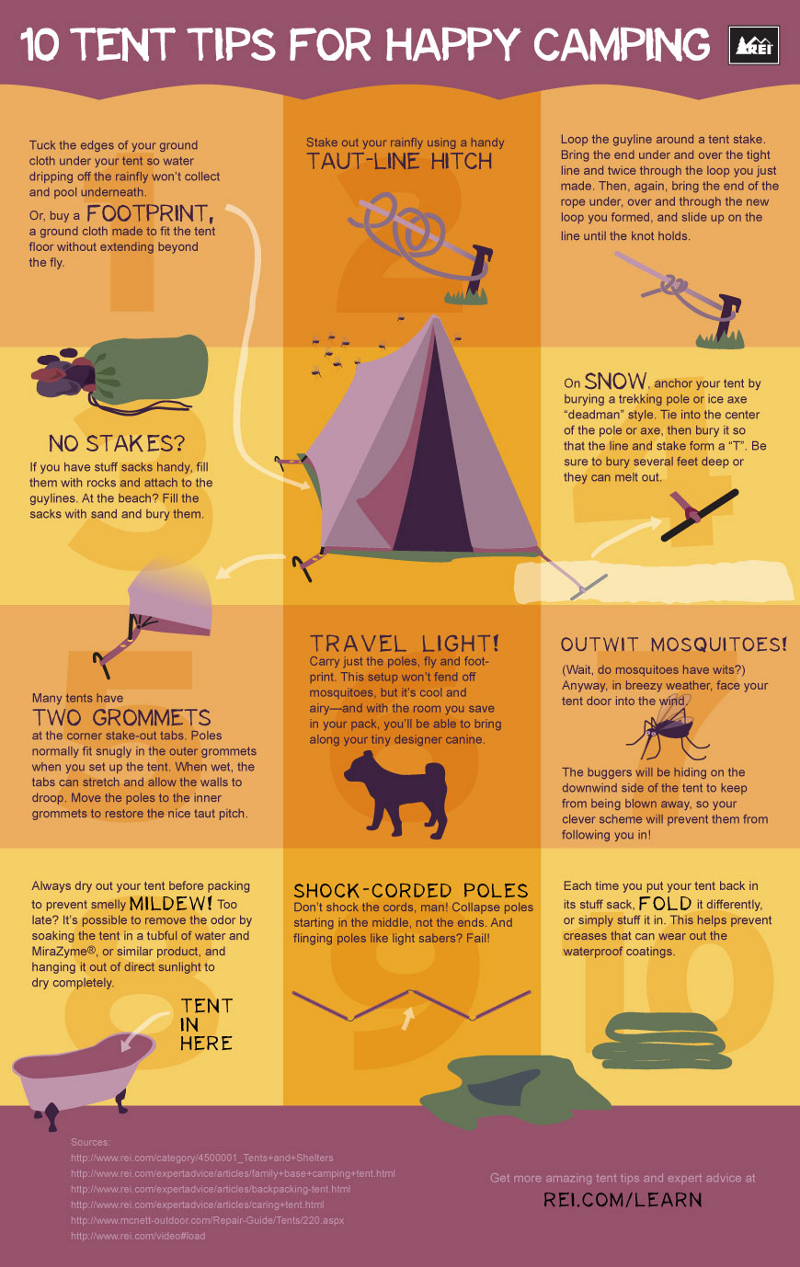
Rocky terrain makes driving stakes difficult. Use shorter, stronger stakes designed for hard ground. Look for cracks or softer soil between rocks to place stakes. Hammer stakes carefully to avoid bending or breaking them. Consider using rocks as anchors if stakes fail to hold.
Handling Sandy Or Loose Soil
Sandy soil offers little grip for regular stakes. Choose longer stakes or wide, flat ones to increase surface area. Bury stakes deeper to prevent them from pulling out. Use sandbags or heavy objects tied to tent lines for extra support. Tighten guy lines often as loose soil shifts easily.
Snow And Ice Considerations
Snow and ice make staking tricky and unstable. Use special snow stakes or deadman anchors like buried sticks or bags filled with snow. Dig a hole to bury the anchor deeply for better hold. Avoid thin ice as it cannot support stakes well. Check stakes regularly for movement or loosening.
Maintenance And Inspection
Maintaining and inspecting your tent stakes ensures safety and stability during camping trips. Regular checks prevent accidents caused by loose or damaged stakes. Proper care extends the life of your stakes and keeps your tent secure in various weather conditions.
Checking For Loose Stakes
Start by examining each stake after setting up your tent. Gently wiggle the stakes to see if they move easily. Loose stakes can cause the tent to collapse in wind or rain. Tighten or reset any stake that feels unstable. Check stakes again during the night or after strong winds.
Replacing Damaged Stakes
Look for signs of damage such as bending, rust, or cracks. Damaged stakes lose their strength and can break under pressure. Replace any stakes that show wear to avoid failures. Carry spare stakes on trips to swap out damaged ones quickly. Using strong stakes improves tent safety and durability.
Storing Stakes Properly
Clean stakes after each use to remove dirt and moisture. Dry them thoroughly to prevent rust and corrosion. Store stakes in a dedicated bag or container to keep them organized. Avoid tossing stakes loosely in your gear to prevent bending. Proper storage preserves stake quality and readiness for future trips.
Credit: brandongaille.com
Safety Precautions
Safety precautions are essential when using tent stakes. Proper care prevents injuries and damage to your camping gear. Stakes must be handled carefully and placed correctly. These small steps ensure a safer camping experience for everyone.
Avoiding Electrical Hazards
Do not drive stakes near power lines or buried cables. Check the area for underground utilities before staking. Use a metal detector or contact local utility services to confirm safety. Avoid using metal stakes if electrical hazards are present.
Keeping Stakes Visible
Mark stakes with bright tape or flags to make them easy to see. This prevents accidental trips and damage to the tent. Place stakes in open areas where they are less likely to be missed. Visibility is key to avoiding accidents in low light.
Protecting From Tripping
Place stakes and guy lines where foot traffic is minimal. Keep lines taut and close to the ground to reduce trip risks. Use reflective materials on lines to increase visibility at night. Clear paths around the tent to keep the area safe for walking.
Credit: www.parks.ca.gov
Frequently Asked Questions
How To Secure A Tent With Stakes?
Secure a tent by driving stakes at a 45-degree angle away from it. Push stakes deep into firm ground. Tighten tent ropes for stability. Check stakes regularly to prevent loosening. Use durable stakes suitable for the terrain.
Should You Angle Tent Stakes?
Yes, angle tent stakes away from the tent at about 45 degrees. This improves stability and prevents stakes from pulling out.
What Does The Bible Say About Tent Pegs?
The Bible uses tent pegs as symbols of stability, security, and divine purpose. Jael’s story shows them as instruments of deliverance. Scriptures also encourage strengthening tent pegs to signify growth and firm foundations in God’s promises.
What Are The Safety Tips For Tent Camping?
Choose a flat, dry spot away from water and overhead power lines. Secure tent stakes firmly at an angle. Keep flammable gear outside. Store food sealed to avoid wildlife. Always have a first aid kit nearby.
Conclusion
Properly securing tent stakes ensures a safe and stable camping experience. Always check the ground for firmness before staking. Angle stakes to improve hold and resist strong winds. Avoid sharp edges to prevent injuries. Use durable stakes suited for the terrain you camp on.
Regularly inspect stakes during your trip to maintain safety. Following these simple tips helps protect you and your gear. Stay alert and handle tent stakes with care for worry-free outdoor fun. Safety starts with good preparation and smart staking choices.

I am an outdoor enthusiast and gear researcher passionate about camping, hiking, backpacking, and outdoor adventures. I enjoy testing gear, comparing products, and sharing practical advice to help readers make informed decisions. At BestOutsideGear, I create honest gear reviews, buying guides, and outdoor tips to help adventurers choose the right equipment with confidence.